Plant Name: Daylily (Hemerocallis ‘Pony’)
Daylilies are charming and resilient perennials that belong to the genus Hemerocallis. Known for their vibrant blooms and ability to thrive in various conditions, daylilies have become a favorite among gardeners and landscaping enthusiasts. The Hemerocallis ‘Pony’ is a specific cultivar that boasts its own distinct characteristics and requirements. In this comprehensive guide, we will delve into the key aspects of daylily care, with a focus on the Hemerocallis ‘Pony’ variety.
What is a Daylily?
The daylily, scientifically known as Hemerocallis, is a flowering plant that is native to Eurasia. It is a member of the family Liliaceae and is renowned for its exquisite blooms, which typically last for only one day, hence the common name “daylily.”
Daylilies are perennial plants, meaning they live for more than two years, and are characterized by their graceful, strap-like foliage and a variety of bloom colors, ranging from vibrant reds and oranges to soft pinks and yellows.
Key Takeaways – Daylily (Hemerocallis ‘Pony’)
Before delving into the specifics of Hemerocallis ‘Pony’ care, it’s essential to understand some key takeaways about this beautiful and versatile plant.
- Botanical Name: Hemerocallis ‘Pony’
- Common Name: Daylily
- Plant Type: Perennial
- Bloom Time: Summer
- Hardiness Zones: 3-9
- Mature Height: 18-24 inches
- Mature Spread: 18-24 inches
- Exposure: Full sun to part shade
- Soil Preference: Well-drained, fertile soil
- Watering: Average water needs
- Maintenance: Low maintenance
- Landscape Uses: Borders, mass plantings, containers, woodland gardens
Culture of Daylily (Hemerocallis ‘Pony’)
Cultivating daylilies, including the ‘Pony’ variety, requires an understanding of their cultural requirements. From planting to maintenance, providing the right cultural conditions significantly influences the health and vibrancy of daylilies.
Uses
Before delving into the specific care instructions for Hemerocallis ‘Pony’, it’s important to explore the various uses of daylilies in landscapes and gardens.
- Landscape Ornamentation: Daylilies, including the ‘Pony’ variety, are cherished for their ornamental value. With their vibrant blooms and graceful foliage, they add color and texture to garden beds and borders, making them a popular choice for landscaping projects.
- Cut Flowers: The blooms of daylilies can be cut and used in floral arrangements, providing a fresh and vibrant addition to indoor decor.
Water
Proper watering is essential for the health and vigor of daylilies. While they are relatively drought-tolerant once established, consistent moisture is vital during their active growth periods.
- Young Plants: Newly planted daylilies should be watered regularly until they establish a strong root system. Provide sufficient water to keep the soil consistently moist, but not waterlogged.
- Established Plants: Once established, daylilies, including Hemerocallis ‘Pony’, generally require about 1 inch of water per week during their active growth phases. However, this can vary depending on the climate and soil conditions.
Sunlight
Daylilies thrive in sunny conditions, making them suitable for a wide range of landscapes and gardens. Adequate sunlight is essential for robust growth and abundant flowering.
- Light Requirements: Hemerocallis ‘Pony’ prefers full sun to part shade. In regions with hot summers, providing some afternoon shade can help prevent the blooms from fading too quickly.
Fertilizer
Feeding daylilies with the right nutrients supports healthy growth and abundant flowering. Understanding the fertilizer requirements for Hemerocallis ‘Pony’ can enhance its overall vigor and bloom production.
- Fertilizer Type: Use a balanced, slow-release fertilizer with an NPK ratio of 10-10-10 or 5-10-10 in early spring to provide essential nutrients for the upcoming growing season.
- Application Frequency: Apply fertilizer once in early spring and again after the first bloom cycle to support the development of new buds.
- Avoid Overfeeding: While daylilies benefit from regular feeding, avoid over-fertilization, as this can lead to excessive foliage growth at the expense of blooms.
Soil
The soil composition plays a crucial role in the overall health and performance of daylilies, including the ‘Pony’ variety. Understanding the soil requirements is essential for successful cultivation.
- Well-Drained Soil: Daylilies thrive in well-drained, fertile soil. Amending heavy clay soil with organic matter such as compost or peat moss can improve drainage and fertility.
- pH Level: The ideal soil pH for daylilies is slightly acidic to neutral, ranging from 6.0 to 7.0. Conduct a soil test to determine the pH level and make necessary amendments to achieve the optimal range.
Pruning
Pruning is an essential aspect of daylily care, promoting tidiness and encouraging repeat blooming. Proper pruning techniques can help maintain the plant’s health and aesthetics.
- Removing Spent Blooms: Deadheading, or the removal of spent blooms, encourages the development of new flowers and prevents the plant from expending energy on seed production.
- Trimming Foliage: Trim back the foliage in late fall or early spring to tidy up the plant and prepare it for the new growing season. Cut back the foliage to a few inches above the soil level.
Propagation of Daylily (Hemerocallis ‘Pony’)
Propagation allows for the expansion of daylily populations, whether for personal enjoyment or commercial purposes. Understanding the methods of propagation for Hemerocallis ‘Pony’ can provide opportunities for multiplication and sharing of this beautiful variety.
Division
Dividing mature daylily clumps is a popular and effective method for propagating Hemerocallis ‘Pony’ and other daylily varieties. This technique is typically carried out in early spring or late summer.
- Digging Up the Clump: Carefully dig up the mature daylily clump, ensuring that the entire root system is intact.
- Separating the Division: Using a sharp knife or gardening spade, divide the clump into sections, ensuring that each division has both roots and foliage.
- Replanting Divisions: Plant the divisions in prepared soil at the appropriate spacing, water thoroughly, and provide ongoing care to establish healthy new plants.
Offsets
Offsets, also known as plantlets, are small, new growths that emerge from the base of mature daylilies. These can be carefully detached and replanted to create new plants.
- Identifying Offsets: Look for small, well-developed offsets around the base of the daylily clump, particularly during the active growing season.
- Separating Offsets: Gently detach the offsets from the parent plant, taking care to preserve their roots.
- Planting Offsets: Replant the offsets in suitable soil, ensuring that they are positioned at the same depth as they were previously growing.
Seed Propagation
While division and offsets are the primary propagation methods for daylilies, seed propagation offers another avenue for creating new plants. Keep in mind that seed-grown daylilies may exhibit natural variation, resulting in unique characteristics.
- Collecting Seeds: Harvest ripe daylily seeds from spent blooms and allow them to air-dry for a few days before storage.
- Sowing Seeds: Plant the seeds in well-prepared seed-starting mix in early spring or late summer. Keep the soil consistently moist and provide adequate warmth for germination.
- Caring for Seedlings: As the seedlings emerge and grow, provide them with proper care until they develop into robust young plants, ready for transplanting.
Daylily (Hemerocallis ‘Pony’) in Containers
Cultivating daylilies in containers offers the flexibility of enjoying their beauty in various settings, including patios, balconies, and urban gardens. Understanding the specific requirements for container-grown Hemerocallis ‘Pony’ is essential for successful cultivation.
Popularity in Containers
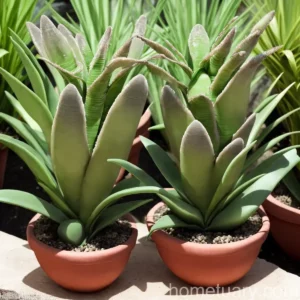
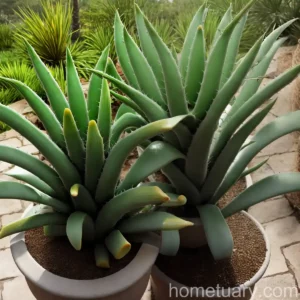
Daylilies are well-suited for container gardening, and the ‘Pony’ variety, with its compact growth habit, makes an excellent choice for container cultivation. The striking blooms and vibrant foliage lend themselves to creating captivating container displays.
Container Selection
When growing Hemerocallis ‘Pony’ in containers, choose pots or planters that provide ample space for root development and stability. Select containers with adequate drainage holes to ensure proper soil moisture levels.
- Container Size: Opt for a container that is at least 12 inches in diameter and depth to accommodate the root system of the daylily ‘Pony’.
- Material: Containers made of durable materials such as ceramic, plastic, or fiberglass are suitable for daylilies. Ensure that the material is weather-resistant to withstand outdoor conditions.
Soil Mix
Using a well-draining and nutrient-rich potting mix is crucial for container-grown daylilies, including the ‘Pony’ variety. A high-quality potting mix provides the necessary support and nutrition for healthy growth and flowering.
- Potting Mix Components: Use a blend of peat moss, perlite, and compost to create a well-aerated and fertile growing medium for daylilies.
- Nutrient Content: Choose a potting mix with balanced nutrients to support the plant’s requirements throughout the growing season.
Watering in Containers
Container-grown daylilies may require more frequent watering, particularly during hot and dry periods. Proper watering practices are essential to maintain optimal soil moisture levels for the ‘Pony’ variety.
- Monitoring Soil Moisture: Check the moisture levels in the container regularly, particularly during hot weather. Water when the top inch of the soil feels dry to the touch.
- Drainage Considerations: Ensure that excess water can easily drain from the container to prevent waterlogging, which can lead to root rot.
Common Diseases of Daylily (Hemerocallis ‘Pony’)
While daylilies are relatively resistant to diseases, certain conditions and environmental factors can contribute to the development of common ailments. Recognizing and addressing these diseases promptly is crucial for maintaining the health and vitality of Hemerocallis ‘Pony’.
Disease Diagnosis
- Leaf Streak (Aureobasidium blight): This fungal disease manifests as yellow or brown streaks on the foliage. The affected leaves may become distorted and exhibit a decline in overall health.
- Crown Rot (Sclerotium blight): Crown rot is characterized by the decay of the crown and roots, leading to wilting and eventual collapse of the plant.
- Rust: Rust appears as orange, powdery spots on the leaves, often accompanied by yellowing and premature leaf drop.
- Rot Diseases: Various types of rot, such as root rot and basal rot, can affect daylilies, causing decay and decline in the affected plant parts.
Prevention and Management
- Cultural Practices: Maintain proper air circulation and spacing between plants to minimize the risk of fungal diseases. Avoid overhead watering, especially during humid weather.
- Sanitation: Remove and dispose of any infected plant debris to prevent the spread of diseases. Clean and sterilize garden tools regularly.
- Fungicide Application: In severe cases, apply a suitable fungicide as a preventative measure or to address existing fungal issues. Follow the manufacturer’s instructions for safe and effective application.
Common Pests Affecting Daylily (Hemerocallis ‘Pony’)
Pests can pose a threat to the health and beauty of daylilies, including the ‘Pony’ variety. Understanding the common pests and implementing appropriate pest management practices is crucial for preserving the plant’s vitality.
Pest Identification
- Aphids: These small, soft-bodied insects feed on the sap of the plant, leading to distorted growth and potential virus transmission.
- Thrips: Thrips cause silvery or bronze-colored streaks on the foliage and flowers, leading to aesthetic damage.
- Spider Mites: These tiny pests can cause stippling and webbing on the leaves, weakening the plant over time.
- Snails and Slugs: These mollusks can feed on the tender foliage and blooms of daylilies, particularly during humid and rainy periods.
Integrated Pest Management (IPM)
Implementing an integrated approach to pest management promotes the long-term health of daylilies while minimizing the use of chemical controls.
- Natural Predators: Encourage the presence of beneficial insects and natural predators, such as ladybugs and lacewings, to control aphid populations.
- Physical Barriers: Use physical barriers, such as copper tape or diatomaceous earth, to deter snails and slugs from reaching the daylilies.
- Monitoring and Early Intervention: Regularly inspect the foliage for signs of pest activity and intervene promptly to prevent population buildup.
Botanist’s Tips for Hemerocallis ‘Pony’
As a plant scientist specializing in daylilies, including the ‘Pony’ variety, I have gathered valuable insights and tips for successful cultivation and enjoyment of these remarkable plants.
- Mulching: Apply a layer of organic mulch around the base of daylilies, including Hemerocallis ‘Pony’, to conserve moisture and suppress weed growth.
- Companion Planting: Pair daylilies with companion plants that complement their color and growth habits, such as ornamental grasses, coneflowers, and catmint.
- Seasonal Maintenance: Conduct seasonal maintenance tasks, such as dividing mature clumps and refreshing the soil in containers, to promote plant vigor and longevity.
Fun Facts about Daylily (Hemerocallis ‘Pony’)
Discover some fascinating and little-known facts about Hemerocallis ‘Pony’ and daylilies in general, adding a layer of intrigue to these delightful plants.
- Edible Blooms: Some daylily blooms, including the ‘Pony’ variety, are edible and can be used in culinary creations such as salads and stir-fries.
- Hybridization Success: Daylilies are known for their hybridization potential, leading to an extensive range of cultivars with diverse colors, forms, and patterns.
- Historical Significance: Daylilies have been cultivated in China for centuries and are revered for their medicinal and culinary uses in traditional Chinese medicine and cuisine.
Links to External Resources
Explore the following links to access external resources that provide additional information on Hemerocallis ‘Pony’ care, daylily cultivation, and related topics:
- American Hemerocallis Society
- The Daylily Hybridizer’s Guide
- University of Illinois Extension – Daylilies
In conclusion, Hemerocallis ‘Pony’ stands as a remarkable variety within the captivating world of daylilies. By understanding its specific cultural requirements, including water, sunlight, soil, and maintenance practices, gardeners can nurture the vibrancy and charm of this resilient perennial, creating captivating displays and enhancing the beauty of outdoor spaces.
Whether showcased in garden beds, containers, or mixed borders, the ‘Pony’ variety brings forth an infusion of color, elegance, and timeless appeal, making it a cherished addition to any landscape. I hope this comprehensive guide has provided valuable insights and inspiration for cultivating and appreciating Hemerocallis ‘Pony’ and the enchanting realm of daylilies.
Remember to share your gardening journey and experiences with these exceptional plants, creating connections and community through the shared love for Hemerocallis ‘Pony’ and the natural world it embodies. Happy gardening!
NLP LSI Keywords:
1. Hemerocallis ‘Pony’ care guide
2. Hemerocallis ‘Pony’ planting tips
3. Growing daylilies: Hemerocallis ‘Pony’
4. Hemerocallis ‘Pony’ maintenance instructions
5. Hemerocallis ‘Pony’ propagation methods
6. Hemerocallis ‘Pony’: Tips for successful cultivation
7. Hemerocallis ‘Pony’ growth habits
8. Hemerocallis ‘Pony’: Pests and diseases
9. Hemerocallis ‘Pony’ landscaping ideas
10. Growing Hemerocallis ‘Pony’ in containers
Happy Gardening!