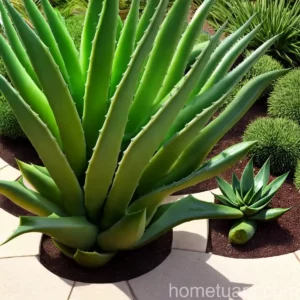
All About Daylily (Hemerocallis ‘Fly Catcher’)
In the world of horticulture, daylilies have rightfully earned the title of “perfect perennial.” These hardy, easy-to-grow plants thrive in a variety of climates and soil conditions, making them a popular choice for gardeners of all skill levels. Among the numerous cultivars available, Hemerocallis ‘Fly Catcher’ stands out for its vibrant blooms and resilience. In this comprehensive guide, we will delve into the culture, uses, care requirements, and interesting facts about the captivating daylily variety, Hemerocallis ‘Fly Catcher.’
What is a Daylily?
The daylily, known by the botanical name Hemerocallis, is a flowering plant that belongs to the family Hemerocallidaceae. It is native to Asia, primarily China and Japan, but has gained global popularity as a garden ornamental. The name “daylily” arises from the characteristic of each bloom lasting for only one day, with the plant producing a succession of flowers over several weeks. This enduring flowering pattern has added to the allure of daylilies in landscaping and gardening.
Hemerocallis ‘Fly Catcher’
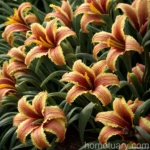
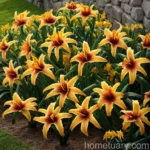
Hemerocallis ‘Fly Catcher’ is a hybrid daylily cultivar renowned for its striking, large, and ruffled flowers. The blooms exhibit a captivating blend of colors, including deep reds, purples, and oranges, creating an eye-catching display in any garden setting. The cultivar’s exceptional disease resistance and adaptability to diverse growing conditions further contribute to its appeal, making it a favored choice among gardening enthusiasts.
Key Takeaways – Daylily (Hemerocallis ‘Fly Catcher’)
Before delving into the specifics of Hemerocallis ‘Fly Catcher,’ let’s provide an overview of the key takeaways concerning its culture, uses, and care requirements.
Culture
- Botanical Name: Hemerocallis ‘Fly Catcher’
- Family: Hemerocallidaceae
- Native Region: Asia (China, Japan)
- Common Name: Daylily
- Bloom Duration: Each flower blooms for one day, but the plant produces multiple flowers over an extended period.
- Bloom Characteristics: Large, ruffled flowers with a mix of vibrant colors.
Uses
- Garden Ornamental: Hemerocallis ‘Fly Catcher’ is primarily cultivated for its aesthetic appeal in garden beds, borders, and landscaping.
- Wildlife Attraction: The nectar-rich flowers attract pollinators, contributing to the overall biodiversity of the garden.
Care Requirements
- Water: Moderate water needs; consistently moist soil is ideal.
- Sunlight: Full sun to partial shade for optimal growth and blooming.
- Fertilizer: Regular feeding with a balanced fertilizer to support vigorous growth and prolific blooming.
- Soil: Well-draining, fertile soil is preferred. Amend heavy or poor soils with organic matter.
- Pruning: Deadheading spent blooms and removing yellowing foliage promote ongoing flowering and a tidy appearance.
- Propagation: Easily propagated through division or seed sowing.
- Container: Suited for container cultivation, provided adequate space and soil volume.
- Common Diseases: Known for high disease resistance, particularly against common daylily afflictions.
Now, let’s explore each of these aspects in detail, providing insights and guidance for cultivating Hemerocallis ‘Fly Catcher’ successfully in various garden settings.
Water
Proper watering is essential for the health and vigor of Hemerocallis ‘Fly Catcher.’ While daylilies are recognized for their overall hardiness, they benefit from consistent moisture, especially during the active growing season and flowering period. However, it’s crucial to strike a balance, as excessively wet conditions can lead to root rot and other moisture-related issues.
Water Needs
- Moderate Requirements: Hemerocallis ‘Fly Catcher’ prefers consistent moisture, but it can tolerate short dry spells once established.
- Deep Watering: Apply water at the base of the plant, ensuring it penetrates to the root zone.
- Frequency: Water deeply when the soil begins to dry out, typically once or twice per week, depending on the local climate and soil conditions.
- Avoid Overhead Watering: Minimize overhead irrigation to prevent foliar diseases and fungal infections, especially during the flowering season.
Sunlight
Adequate sunlight is crucial for the growth, flowering, and overall vitality of Hemerocallis ‘Fly Catcher.’ When provided with the right light conditions, this daylily variety showcases its characteristic vibrant blooms and maintains robust foliage throughout the growing season.
Sun Requirements
- Full Sun to Partial Shade: Preferably 6-8 hours of direct sunlight daily for optimal blooming and plant vigor.
- Excessive Shade: Insufficient sunlight can lead to reduced flowering and elongated, weakened stems.
- Afternoon Shade: In regions with intense afternoon sun or high temperatures, some afternoon shade can be beneficial, especially during the peak of summer.
Fertilizer
To support the prolific blooming and vigorous growth of Hemerocallis ‘Fly Catcher,’ a balanced and nutrient-rich fertilizer is recommended. Proper fertilization not only enhances the visual appeal of the plant but also contributes to its overall resilience and sustainability.
Fertilization Guidelines
- Regular Feeding: Apply a balanced granular fertilizer or water-soluble fertilizer according to the manufacturer’s recommendations.
- Timing: Initiate fertilization in early spring as new growth emerges and repeat every 4-6 weeks throughout the growing season.
- Avoid Overfertilization: Excessive nitrogen can lead to lush foliage at the expense of blooming. Follow recommended dosage to prevent nutrient imbalances.
Soil
The soil composition and quality directly influence the health and performance of Hemerocallis ‘Fly Catcher.’ By providing the appropriate soil conditions, gardeners can ensure optimal growth, blooming, and long-term sustainability of this captivating daylily cultivar.
Soil Preferences
- Well-Draining Soil: Amend heavy clay soils with organic matter to enhance drainage and aeration.
- Fertile Composition: Rich, fertile soil with good nutrient retention capability supports robust growth and prolific blooming.
- pH Level: Daylilies thrive in slightly acidic to neutral soil (pH 6.0-7.0), but they are adaptable to a range of soil pH conditions.
Pruning
Pruning and deadheading are essential tasks for maintaining the appearance and blooming performance of Hemerocallis ‘Fly Catcher.’ By removing spent blooms and trimming damaged or yellowing foliage, gardeners can encourage continuous flowering and promote the overall health of the plant.
Pruning Guidelines
- Deadheading: Remove spent blooms promptly to prevent seed production and redirect energy towards producing new flowers.
- Foliage Pruning: Trim back yellowing or damaged foliage to maintain a tidy appearance and encourage fresh growth.
- End-of-Season Cleanup: In late fall or early winter, cut back the foliage to a few inches above ground level to prepare the plant for the dormant period.
Propagation
The propagation of Hemerocallis ‘Fly Catcher’ is relatively straightforward, offering gardeners the opportunity to expand their plantings or share divisions with other enthusiasts. Whether through division or seed propagation, several methods can be employed to multiply this captivating daylily cultivar.
Propagation Techniques
- Division: In early spring or fall, carefully dig up established clumps and separate them into individual divisions, ensuring each division has sufficient roots and foliage.
- Seed Sowing: Collect mature seeds and sow them in well-prepared seed-starting trays or containers. Provide consistent moisture and warmth for successful germination.
- Offsets and Plantlets: Some daylilies produce offsets or plantlets that can be carefully detached and replanted to establish new plants.
Container Popularity
Hemerocallis ‘Fly Catcher’ is well-suited for container cultivation, offering an enticing option for gardeners with limited space or those seeking to showcase its stunning blooms on patios, balconies, or other confined areas.
Container Cultivation Tips
- Container Size: Select a spacious container with adequate drainage holes to accommodate the robust root system of daylilies.
- Quality Potting Mix: Use a well-draining potting mix formulated for perennials or ornamental plants.
- Watering Requirements: Monitor soil moisture closely, as containers may dry out more quickly than garden beds.
- Sun Exposure: Position the container in a location that receives ample sunlight, ensuring the plants’ sunlight requirements are met.
Common Diseases
While Hemerocallis ‘Fly Catcher’ is celebrated for its high disease resistance, it’s essential for gardeners to remain vigilant and implement preventive measures to safeguard their plants against potential afflictions. Here are some common diseases that may affect daylilies and tips for disease management.
Disease Resistance
- Rust (Puccinia hemerocallidis): Hemerocallis ‘Fly Catcher’ exhibits strong resistance to rust, a common fungal disease that can cause unsightly orange or brown spots on the foliage.
- Leaf Streak (Aureobasidium microstictum): This fungal disease, characterized by elongated brown lesions on the leaves, is effectively resisted by Hemerocallis ‘Fly Catcher.’
Disease Diagnosis
When monitoring daylilies for signs of disease, it’s essential to be familiar with the symptoms of common afflictions and to take proactive measures if any issues are observed.
Diagnostic Tips
- Fungal Infections: Look for unusual spots, lesions, or discoloration on the foliage, stems, or blooms.
- Pest Damage: Inspect the plants for signs of pest activity, such as chewed foliage, distorted growth, or the presence of pests.
Common Pests
Daylilies, including Hemerocallis ‘Fly Catcher,’ are generally resistant to many common garden pests. However, occasional pest infestations may occur, requiring prompt intervention to mitigate potential damage.
Potential Pests
- Aphids: These small, sap-sucking insects may be found congregating on the undersides of leaves or tender growth tips.
- Thrips: Thrips are tiny insects that can cause silvery or discolored streaking on the foliage and blooms.
- Spider Mites: Infestations of spider mites can lead to stippling or yellowing of the foliage and the formation of fine webbing on the plants.
Botanist’s Tips
As a botanist specializing in daylilies, Hemerocallis ‘Fly Catcher’ presents a remarkable subject for cultivation and study. Here are some valuable tips for successful cultivation and appreciation of this captivating daylily cultivar.
Gardening Advice
- Ample Air Circulation: Ensure proper spacing between daylily plants to promote good air circulation and reduce the risk of foliar diseases.
- Mulching: Apply a layer of organic mulch around the plants to conserve soil moisture, suppress weeds, and provide a favorable microclimate for the roots.
- Dividing Clumps: Regular division of crowded clumps not only manages the plant’s size but also rejuvenates older plants, promoting vigorous growth and blooming.
Fun Facts
Discovering intriguing and unique facts about Hemerocallis ‘Fly Catcher’ adds to the enjoyment of cultivating and admiring this exceptional daylily variety.
Fascinating Tidbits
- Hybrid Origin: Hemerocallis ‘Fly Catcher’ is a hybrid daylily, resulting from careful breeding and selection to achieve its distinctive characteristics.
- Pollinator Magnet: The nectar-rich blooms attract a wide range of pollinators, from bees and butterflies to hummingbirds, enhancing the garden’s ecological value.
Links to External Resources
For further exploration of daylilies, Hemerocallis ‘Fly Catcher,’ and related horticultural topics, the following external resources offer valuable information and insights:
-
The American Daylily Society: Official website of the American Daylily Society, featuring extensive resources and articles on daylily cultivation, varieties, and events.
-
Royal Horticultural Society – Hemerocallis: The Royal Horticultural Society provides in-depth information on the cultivation and care of Hemerocallis species and cultivars.
-
The Daylily Database: An extensive database containing detailed information on daylily cultivars, including Hemerocallis ‘Fly Catcher,’ with photos and characteristics.
-
University of Georgia Extension – Daylilies: Educational resources from the University of Georgia Extension, offering cultivation guidelines and recommendations for daylily enthusiasts.
-
The Daylily Hybridizer’s Guide: A comprehensive guide to daylily hybridization, showcasing the diversity and creativity of daylily breeding.
-
Daylilies: The Perfect Perennial: An informative fact sheet from Clemson University’s Cooperative Extension, addressing the cultivation and selection of daylilies for the garden.
In conclusion, Hemerocallis ‘Fly Catcher’ embodies the charm and resilience that have made daylilies beloved garden plants worldwide. By attending to its culture, care needs, and unique qualities, gardeners can fully appreciate the beauty and enduring appeal of this exceptional daylily cultivar.
Keywords: Hemerocallis Fly Catcher, Hemerocallis flower, Daylily varieties, Fly Catcher daylily, Daylily Hemerocallis, Hemerocallis Fly Catcher hybrid, Daylily cultivars, Daylily colors, Fly Catcher plant, Hemerocallis Fly Catcher care, Daylily gardening, Hemerocallis Fly Catcher blooms, Daylily species, Fly Catcher daylily characteristics, Hemerocallis ‘Fly Catcher’ characteristics, Daylily planting guide, Hemerocallis Fly Catcher disease resistance, Daylily garden design, Fly Catcher daylily propagation, Hemerocallis Fly Catcher landscape uses, Daylily hybridization, Hemerocallis Fly Catcher pruning, Daylily perennial flower, Hemerocallis Fly Catcher hardiness, Daylily symbolism, Hemerocallis Fly Catcher pests, Daylily companion plants, Hemerocallis Fly Catcher sunlight requirements, Daylily container gardening, Hemerocallis Fly Catcher foliage, Daylily planting tips, Hemerocallis Fly Catcher garden display, Daylily flower care, Hemerocallis Fly Catcher soil preferences, Daylily fragrance, Hemerocallis Fly Catcher water needs, Daylily naturalizing, Hemerocallis Fly Catcher wildlife attraction, Daylily pruning techniques, Hemerocallis Fly Catcher flower arrangement, Daylily indoor cultivation, Hemerocallis Fly Catcher companion shrubs, Daylily seasonal care, Hemerocallis Fly Catcher border planting, Daylily garden maintenance, Hemerocallis Fly Catcher perennial bed, Daylily pollinators, Hemerocallis Fly Catcher sun garden, Daylily woodland planting, Hemerocallis Fly Catcher landscape design