What is a Daylily (Hemerocallis ‘Flasher’)
Plants have the amazing ability to bring beauty and vitality to any space, and one plant that particularly stands out in this regard is the daylily (Hemerocallis ‘Flasher’). This striking perennial boasts stunning blossoms and requires minimal maintenance, making it a popular choice among gardeners.
In this comprehensive guide, we will delve into the world of daylilies, focusing on the specific variety Hemerocallis ‘Flasher.’ From its characteristics and care tips to its uses in landscaping and garden design, we will explore every aspect of this beautiful plant.
Hemerocallis ‘Flasher’ Characteristics
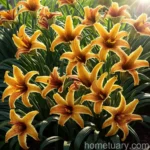
The Hemerocallis ‘Flasher’ is a cultivar of daylily, known for its vibrant and eye-catching flowers. As with all daylilies, this variety belongs to the genus Hemerocallis, which comprises numerous species and cultivars. The ‘Flasher’ cultivar is prized for its distinct characteristics, including:
- Striking flower form with vibrant colors
- Vigorous growth habit
- Long blooming season
- Tolerant of a wide range of growing conditions
These characteristics make Hemerocallis ‘Flasher’ a coveted addition to gardens and landscapes, where it can serve as a focal point or complement other plantings with its vibrant blooms.
Growing Hemerocallis ‘Flasher’
If you’re considering adding Hemerocallis ‘Flasher’ to your garden, it’s essential to understand its growth requirements and how to cultivate it successfully. Here are the key factors to consider when growing this stunning daylily:
Water
Daylilies, including the ‘Flasher’ variety, thrive in well-drained soil. While they can tolerate periods of dryness, consistent moisture is essential for promoting healthy growth and prolific blooming. When establishing Hemerocallis ‘Flasher’ in your garden, ensure that the soil is evenly moist but not waterlogged. Once the plant is established, it will display good tolerance to moderate drought conditions.
Sunlight
In terms of sunlight requirements, Hemerocallis ‘Flasher’ performs best in full sun to part shade. To encourage abundant flowering, aim to provide the plant with at least 6 hours of direct sunlight per day. In hotter regions, some afternoon shade can be beneficial, helping to protect the plant from the intense midday sun.
Fertilizer
When it comes to fertilization, daylilies are relatively low-maintenance plants. A balanced, slow-release fertilizer applied in early spring as new growth emerges can provide the nutrients necessary for healthy development and flowering. Avoid high-nitrogen fertilizers, as these can promote excessive foliage growth at the expense of flower production.
Soil
Hemerocallis ‘Flasher’ thrives in a variety of soil types, provided that the soil is well-drained. Amending the soil with organic matter such as compost can improve its structure and fertility, benefiting the overall health of the plant. Furthermore, slightly acidic to neutral soil pH is ideal for daylilies, helping to optimize nutrient availability.
‘Flasher’ Daylily Care Tips
Effectively caring for Hemerocallis ‘Flasher’ involves embracing a few essential practices that contribute to the plant’s well-being and performance in the garden. Consider the following care tips to ensure the success of your ‘Flasher’ daylily:
-
Mulching: Applying a layer of organic mulch around the base of the plant can help conserve soil moisture, suppress weed growth, and moderate soil temperature. In addition to these benefits, mulch contributes to the overall aesthetic appeal of the planting area.
-
Deadheading: Regular deadheading, which involves removing spent flowers, can prolong the blooming period of Hemerocallis ‘Flasher’ and encourage the production of additional blooms. This simple practice also prevents the plant from expending energy on seed production, redirecting its resources toward growth and flowering.
-
Division: Over time, daylilies can become congested, leading to reduced blooming and overall vigor. To prevent this, consider dividing clumps of Hemerocallis ‘Flasher’ every few years, typically in late summer or early fall. Dividing the plant not only rejuvenates its growth but also allows you to propagate new plants for expansion or sharing with other gardening enthusiasts.
Hemerocallis ‘Flasher’ Blooming Season
One of the most captivating features of Hemerocallis ‘Flasher’ is its prolonged blooming season, during which it produces an abundance of striking flowers. The exact timing of the blooming period can vary based on growing conditions and climate, but generally, daylilies such as ‘Flasher’ bloom from early to midsummer.
The flowers of Hemerocallis ‘Flasher’ typically last for a single day, a characteristic from which the daylily derives its common name. However, each stem typically produces multiple buds, ensuring a continuous display of blooms throughout the summer months. By planting multiple daylilies with staggered bloom times, you can create an extended season of floral interest in your garden.
‘Flasher’ Daylily Varieties
In addition to the ‘Flasher’ cultivar, the world of daylilies encompasses a diverse array of varieties, each offering unique characteristics in terms of flower color, form, and growth habit. Exploring different daylily varieties can add diversity and visual interest to garden beds and borders.
Some notable daylily varieties that complement Hemerocallis ‘Flasher’ include:
-
Stella de Oro: Known for its compact size and prolific golden-yellow blooms, this daylily is a popular choice for borders and container plantings.
-
Pardon Me: This variety features striking red flowers and a dwarf habit, making it suitable for small gardens or front-of-border plantings.
-
Happy Returns: With its soft, lemon-yellow flowers and extended blooming period, this daylily adds a cheerful touch to any landscape.
-
Purple de Oro: This variety stands out with its rich purple flowers and reliable performance, thriving in a variety of growing conditions.
By incorporating different daylily varieties into your garden, you can create dynamic combinations of colors and forms, enhancing the overall aesthetic appeal of your outdoor space.
Best Conditions for Hemerocallis ‘Flasher’
To maximize the growth and flowering of Hemerocallis ‘Flasher,’ it’s important to create an environment that aligns with its preferred growing conditions. By understanding and providing the best conditions for this daylily, you can optimize its performance and visual impact in your garden. Key considerations include:
-
Soil Preparation: Prior to planting Hemerocallis ‘Flasher,’ prepare the soil by incorporating organic matter such as compost or well-rotted manure. This enhances soil fertility, improves drainage, and creates an optimal substrate for root establishment and growth.
-
Watering Practices: During the establishment phase, maintain consistent moisture around the roots of Hemerocallis ‘Flasher.’ Once the plant is established, monitor soil moisture levels and water during dry periods, aiming to keep the soil evenly moist.
-
Sun Exposure: Select a planting location that receives ample sunlight, preferably at least 6 hours of direct sun per day. In regions with intense heat, some afternoon shade can help protect the plant from excessive stress.
-
Fertilization: Apply a balanced, slow-release fertilizer in early spring to provide essential nutrients for the upcoming growing season. Avoid excessive fertilization, as daylilies generally thrive in moderately fertile soil.
By meeting these conditions, you can create an environment where Hemerocallis ‘Flasher’ can flourish, producing abundant flowers and contributing to the overall beauty of your garden or landscape.
Daylily ‘Flasher’ Watering Requirements
Water is a vital component of plant growth and survival, and understanding the specific watering requirements of Hemerocallis ‘Flasher’ is essential for its overall health and performance. When it comes to watering this daylily, consider the following guidelines:
-
Establishment Period: During the initial establishment phase, provide regular watering to ensure that the roots of Hemerocallis ‘Flasher’ remain consistently moist. This promotes robust growth and helps the plant acclimate to its new environment.
-
Mature Plants: Once Hemerocallis ‘Flasher’ is established, monitor soil moisture levels and water as needed to prevent the soil from drying out excessively. While daylilies can tolerate periods of moderate drought, consistent moisture promotes optimal flowering and overall health.
-
Soil Conditions: Pay attention to soil drainage, and avoid waterlogged conditions, as these can lead to root rot and other issues. Aim to water the plant deeply and less frequently, allowing the soil to partially dry out between watering sessions.
By adhering to these watering guidelines, you can support the vitality and floral abundance of Hemerocallis ‘Flasher’ while promoting its long-term success in the garden.
Hemerocallis ‘Flasher’ in Garden Design
In a garden or landscape setting, Hemerocallis ‘Flasher’ offers numerous design possibilities, adding vibrant color and visual interest to various planting schemes. Whether used as a focal point, massed in borders, or integrated into mixed perennial plantings, this daylily has the potential to elevate the aesthetic appeal of outdoor spaces.
Focal Point Planting
The bold and vibrant flowers of Hemerocallis ‘Flasher’ make it an excellent candidate for focal point plantings. Select a prominent location in your garden to showcase the striking blooms of this daylily, allowing it to become a captivating centerpiece that draws attention and admiration.
Border Plantings
When incorporated into garden borders, Hemerocallis ‘Flasher’ can serve as a dynamic element that contributes seasonal color and texture. Combine this daylily with other perennials, grasses, or shrubs to create visually compelling borders that transition seamlessly throughout the growing season.
Mixed Perennial Plantings
By integrating Hemerocallis ‘Flasher’ into mixed perennial plantings, you can create diverse and engaging combinations of plants that offer continuous interest. Consider pairing this daylily with complementary perennials that bloom at different times, ensuring a succession of floral displays and an ever-changing garden landscape.
‘Flasher’ Daylily Pest Control
While daylilies are generally low-maintenance plants, they can be susceptible to certain pests that may affect their overall health and appearance. Understanding common pests that target Hemerocallis ‘Flasher’ and implementing appropriate pest control measures can help preserve the plant’s vitality. Common pests that may affect daylilies include:
-
Aphids: These small, sap-sucking insects can congregate on the foliage and flower buds of daylilies, potentially causing distortion and leaf curl.
-
Thrips: Thrips are tiny, slender insects that may feed on daylily flower buds, causing them to become discolored or fail to open properly.
-
Spider Mites: These minute arachnids can infest daylilies, usually appearing as fine webbing on the undersides of leaves. Spider mite feeding can lead to stippled or discolored foliage.
Pest Control Measures
To control and mitigate pest infestations on Hemerocallis ‘Flasher,’ consider the following measures:
-
Regular Inspections: Routinely inspect the foliage and flowers of daylilies for signs of pest activity, allowing for early detection and intervention.
-
Watering Practices: Adequate watering and maintaining plant vigor can help mitigate pest pressure, as healthy plants are better equipped to withstand and recover from pest damage.
-
Natural Predators: Encourage natural predators of common garden pests, such as ladybugs and lacewings, which can help control aphid populations and other small insects.
-
Horticultural Oils: In cases of pest infestations, horticultural oils can be utilized to suffocate and control soft-bodied pests such as aphids and spider mites.
By staying vigilant and implementing appropriate pest control measures, you can protect Hemerocallis ‘Flasher’ from the damaging effects of common garden pests, ensuring its continued vigor and ornamental value in the landscape.
Hemerocallis ‘Flasher’ Disease Resistance
In addition to pest pressures, daylilies such as Hemerocallis ‘Flasher’ may also encounter certain diseases that can affect their overall health and appearance. Understanding common diseases and their management can help safeguard the vitality of these beautiful plants.
Common Diseases
Some of the diseases to watch for in daylilies include:
-
Leaf Streak: Caused by the fungus Aureobasidium microstictum, leaf streak manifests as elongated, brown lesions on the foliage, potentially leading to reduced vigor and unsightly appearance.
-
Crown and Root Rot: Excessive soil moisture or poorly drained conditions can predispose daylilies to crown and root rot, often caused by soil-borne pathogens such as Phytophthora or Fusarium species.
-
Rust: Daylily rust, caused by the fungus Puccinia hemerocallidis, presents as small, orange pustules on the foliage, potentially leading to premature leaf drop and reduced plant vigor.
Disease Management
To manage and prevent common diseases in Hemerocallis ‘Flasher’ and other daylilies, consider the following strategies:
-
Cultural Practices: Implement cultural practices that promote good air circulation and reduce excess moisture around the foliage, such as adequate spacing between plants and selective watering.
-
Sanitation: Remove and destroy any affected plant material to prevent the spread of diseases. This includes promptly removing and disposing of infected leaves and stems.
-
Fungicidal Treatments: In cases of severe disease pressure, fungicidal treatments may be warranted to mitigate the spread of fungal pathogens and protect the overall health of daylilies.
By staying proactive and utilizing effective disease management practices, you can help maintain the disease resistance and longevity of Hemerocallis ‘Flasher’ in the garden, ensuring its continued beauty and appeal.
‘Flasher’ Daylily Pruning Techniques
Pruning plays a vital role in maintaining the health, appearance, and performance of Hemerocallis ‘Flasher’ and other daylilies. By incorporating appropriate pruning techniques, you can promote vigorous growth, prolong the blooming period, and prevent the accumulation of spent foliage and flowers.
Deadheading
Regular deadheading of faded flowers is a key aspect of daylily maintenance, as it serves to:
- Prolong the blooming period by encouraging the production of additional flower buds.
- Prevent the formation of seed pods, redirecting the plant’s energy toward vegetative growth and flowering.
To deadhead Hemerocallis ‘Flasher,’ simply snip or pinch off spent flower stems at the base, ideally before seed formation begins. This practice can be performed throughout the blooming season as individual flowers fade, ensuring a continuous display of fresh blooms.
Removal of Spent Foliage
In addition to deadheading, occasional removal of spent foliage can help tidy the appearance of daylilies and prevent the build-up of decaying plant material. To remove spent foliage from Hemerocallis ‘Flasher,’ carefully trim the leaves at their base, particularly those that have become discolored, tattered, or unsightly.
By implementing these pruning techniques, you can contribute to the overall health and visual appeal of Hemerocallis ‘Flasher,’ fostering robust growth and an extended season of vibrant blooms.
Hemerocallis ‘Flasher’ Propagation Methods
To multiply the presence of Hemerocallis ‘Flasher’ in your garden or share this beautiful daylily with other gardening enthusiasts, propagation methods such as division and seed sowing can be utilized. These techniques allow you to generate new plants from existing stock, promoting the longevity and diversity of Hemerocallis ‘Flasher’ in the landscape.
Division
Dividing clumps of Hemerocallis ‘Flasher’ is a straightforward and effective method for propagation, typically performed in late summer or early fall when the plant is no longer actively blooming. Follow these steps to successfully divide and transplant daylilies:
-
Use a sharp spade or garden knife to carefully lift the entire clump of Hemerocallis ‘Flasher’ from the ground, taking care to preserve the root system.
-
Gently separate the clump into smaller divisions, ensuring that each division possesses a healthy portion of roots and foliage.
-
Replant the divisions at the desired locations in the garden, spacing them appropriately and providing adequate water and care as they become established.
Division not only allows you to create additional plants of Hemerocallis ‘Flasher’ but also rejuvenates the original clump, promoting continued vigor and flowering.
Seed Sowing
While division is the primary method for increasing stock of Hemerocallis ‘Flasher,’ it is also possible to propagate daylilies from seeds. Keep in mind that daylily seeds may yield variations in flower color and form, adding an element of unpredictability to this propagation method.
To propagate Hemerocallis ‘Flasher’ from seeds, collect ripe seed pods from the plant and sow the seeds in a prepared seed-starting mix. Provide consistent moisture and warmth, and monitor the germination of the seeds over time. Once the seedlings have developed, they can be transplanted to their permanent growing locations.
By mastering these propagation methods, you can expand the presence of Hemerocallis ‘Flasher’ in your garden and enjoy the satisfaction of nurturing new plants from established specimens.
Daylily ‘Flasher’ Container Gardening
The versatility of daylilies such as Hemerocallis ‘Flasher’ extends to container gardening, offering a means to showcase their vibrant blooms and vigorous growth in a confined space. When growing ‘Flasher’ daylilies in containers, specific considerations and best practices can help ensure their successful cultivation and visual impact.
Container Selection
When choosing containers for Hemerocallis ‘Flasher,’ opt for spacious, sturdy pots with adequate drainage holes. Selecting containers that accommodate the robust growth habit and root system of daylilies is essential for their long-term health and vitality.
Potting Mix
Use a high-quality, well-draining potting mix when planting Hemerocallis ‘Flasher’ in containers. A mix formulated for outdoor container plants that includes organic matter and perlite or vermiculite can provide the ideal substrate for the roots to thrive.
Watering and Fertilization
In container gardening, diligent watering and periodic fertilization are essential for sustaining the growth and flowering of Hemerocallis ‘Flasher.’ Maintain consistent soil moisture and apply a balanced, slow-release fertilizer according to the manufacturer’s recommendations to support the plant’s nutritional needs.
Overwintering
In regions with cold winters, protect container-grown Hemerocallis ‘Flasher’ from freezing temperatures by overwintering the plants in a sheltered location, such as a garage or greenhouse. Insulate the containers or wrap them in protective materials to prevent root damage from frost.
By embracing the unique requirements of container gardening and providing attentive care, you can cultivate Hemerocallis ‘Flasher’ in pots and enjoy its captivating blooms on patios, balconies, and other outdoor spaces.
Hemerocallis ‘Flasher’ Landscaping Ideas
When integrating Hemerocallis ‘Flasher’ into landscaping designs, various creative ideas and approaches can enhance the visual appeal and impact of this striking daylily. Whether used in formal plantings, naturalistic landscapes, or mixed perennial borders, ‘Flasher’ daylilies can contribute color, texture, and seasonal interest to diverse outdoor settings.
Focal Piece
Utilize Hemerocallis ‘Flasher’ as a focal piece within the landscape, positioning