What is the daylily (Hemerocallis ‘Moontraveller’)?
The Hemerocallis ‘Moontraveller’, commonly known as the daylily, is a beautiful and resilient perennial plant that belongs to the Hemerocallidaceae family. Daylilies are popular among gardeners due to their stunning blooms, low maintenance requirements, and adaptability to a wide range of climates. The ‘Moontraveller’ cultivar, in particular, is celebrated for its unique characteristics and impressive garden performance.
In this comprehensive guide, we will explore the key aspects of growing and caring for the daylily (Hemerocallis ‘Moontraveller’), including its cultural requirements, uses, ideal growing conditions, maintenance practices, common diseases and pests, propagation techniques, and much more. Whether you are an experienced gardener or a beginner, this guide will provide valuable insights into cultivating and enjoying the beauty of the daylily ‘Moontraveller’ in your garden.
Key Takeaways – daylily (Hemerocallis ‘Moontraveller’)
Before delving into the details of daylily care and cultivation, it’s essential to highlight the key takeaways related to the Hemerocallis ‘Moontraveller’. These takeaways will serve as an overview of the plant’s characteristics, requirements, and significance in landscaping and gardening:
- Botanical Name: Hemerocallis ‘Moontraveller’
- Common Name: Daylily ‘Moontraveller’
- Plant Type: Perennial Flowering Plant
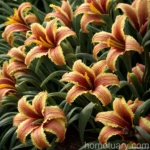
- Characteristics: Striking, trumpet-shaped flowers with a range of colors and patterns; grass-like foliage
- Hardiness Zones: Suitable for USDA Hardiness Zones 3-9
- Sun Exposure: Thrives in full sun to partial shade
- Watering Needs: Moderate water requirements; adaptable to different soil moisture levels
- Soil Type: Well-draining, fertile soil with a slightly acidic to neutral pH
- Maintenance: Low maintenance; periodic deadheading and division
- Uses: Ideal for borders, mass plantings, containers, and mixed perennial beds
- Attracts: Pollinators such as bees, butterflies, and hummingbirds
- Resistance: Resilient to drought and some common pests and diseases
With these key takeaways in mind, let’s delve into the detailed aspects of cultivating and caring for the mesmerizing daylily ‘Moontraveller’.
Culture
Uses
The daylily ‘Moontraveller’ (Hemerocallis ‘Moontraveller’) offers a myriad of uses in landscaping and gardening, making it a versatile and valuable addition to any outdoor space. Some of the key uses of daylilies include:
-
Borders and Edging: The vibrant blooms and foliage of daylilies make them excellent choices for border plantings along pathways, driveways, and garden beds. Their low-growing habit and abundant flowers create a visually appealing border that adds color and structure to the landscape.
-
Mass Plantings: Daylilies are often used in mass plantings to create a bold and impactful display of color. Whether used as a focal point in a garden or to cover large areas with bursts of blooms, the daylily ‘Moontraveller’ contributes to eye-catching landscapes.
-
Containers: Due to their adaptability to container cultivation, daylilies are popular choices for potted arrangements and patio gardens. The ‘Moontraveller’ cultivar’s compact growth habit makes it particularly suitable for container planting, adding beauty to outdoor living spaces and balconies.
-
Mixed Perennial Beds: Combining daylilies with other perennials and flowering plants in mixed beds enhances the visual appeal of gardens. The diverse flower colors and heights of daylilies contribute to captivating compositions when planted alongside companion perennials.
Water
Proper watering is essential for the health and vitality of daylilies, including the ‘Moontraveller’ cultivar. Understanding the water requirements and best practices for watering daylilies is crucial for promoting robust growth and prolific blooming.
-
Watering Needs: Daylilies generally prefer moderately moist soil, but they are remarkably adaptable and can tolerate periods of drought once established. While young plants require more frequent watering to encourage root establishment, mature daylilies exhibit increased drought tolerance.
-
Watering Frequency: In general, daylilies benefit from deep, infrequent watering rather than shallow and frequent irrigation. Providing sufficient water during dry spells and hot summer months is crucial to prevent stress and maintain flower production.
-
Soil Moisture: Ensure that the soil around daylilies, including the ‘Moontraveller’ variety, has good drainage to avoid waterlogging, which can lead to root rot and other moisture-related issues. Well-draining soil promotes optimal root health and reduces the risk of water-related problems.
-
Morning Watering: Watering daylilies in the morning allows foliage and blooms to dry before evening, reducing the risk of fungal diseases. Avoid overhead watering, if possible, to minimize moisture on the leaves, especially in humid climates.
Sunlight
The daylily ‘Moontraveller’ thrives in locations with abundant sunlight, showcasing its best growth and blooming performance under the right sun exposure. Understanding the sunlight requirements of daylilies is essential for selecting and preparing suitable planting sites.
-
Full Sun: Daylilies, including the ‘Moontraveller’ cultivar, prefer full sun locations where they can receive at least 6-8 hours of direct sunlight daily. Adequate sunlight promotes vigorous growth and abundant flowering, resulting in a stunning visual display of blooms.
-
Partial Shade: While daylilies are adaptable and can tolerate partial shade, they typically produce fewer flowers and may exhibit stretched or weaker growth in shaded conditions. When planting in partial shade, ensure that the site receives a minimum of 4-6 hours of direct sunlight for satisfactory performance.
-
Sun Exposure Considerations: In regions with intense summer heat, providing some afternoon shade or dappled sunlight can protect daylilies from excessive heat stress. Coastal areas and northern climates may allow daylilies to thrive in full sun without the risk of heat damage.
Fertilizer
Proper fertilization plays a crucial role in promoting the growth, blooming, and overall health of daylilies, including the ‘Moontraveller’ cultivar. Understanding the appropriate fertilizer application methods and timing is essential for optimizing the plant’s performance.
-
Fertilizer Type: When choosing a fertilizer for daylilies, it is best to select a balanced, slow-release fertilizer formulated for flowering perennials. A granular, 10-10-10 NPK (nitrogen, phosphorus, potassium) ratio fertilizer or similar formulation is suitable for daylilies.
-
Application Timing: Apply fertilizer to daylilies in early spring as new growth emerges to support the development of healthy foliage and flower buds. A second round of fertilizer application can be carried out after the first blooming cycle to provide additional nutrients for continued growth.
-
Application Method: Spread the fertilizer evenly around the base of the daylilies, avoiding direct contact with the foliage. Water the area thoroughly after applying the fertilizer to facilitate its absorption into the soil and root zone.
-
Avoid Over-Fertilization: Excessive application of fertilizer can lead to lush foliage at the expense of bloom production and may result in weakened plants. Follow the recommended dosage and frequency provided on the fertilizer packaging to avoid over-fertilization.
Soil
The soil composition and quality significantly impact the growth, blooming, and overall performance of daylilies. Ideal soil conditions provide the foundation for healthy root development and robust plant vitality.
-
Well-Draining Soil: Daylilies, including the ‘Moontraveller’ variety, thrive in well-draining soil that prevents waterlogging and promotes healthy root growth. Amending heavy clay soils with organic matter or compost improves drainage and soil structure.
-
Soil pH: Daylilies prefer slightly acidic to neutral soil pH in the range of 6.0 to 7.0. Conduct a soil pH test using a home testing kit or by sending a sample to a local agricultural extension office to determine the acidity or alkalinity of the soil.
-
Soil Preparation: Before planting daylilies, prepare the soil by loosening it to a depth of 12-18 inches and incorporating organic matter such as compost or well-rotted manure. This enhances soil fertility, drainage, and moisture retention, creating an optimal environment for the plants.
-
Mulching: Applying a layer of organic mulch, such as shredded bark or pine straw, around daylilies helps conserve soil moisture, suppress weed growth, and regulate soil temperature. Maintain a 2-3 inch layer of mulch, keeping it several inches away from the base of the plants to prevent moisture-related issues.
Pruning
Proper pruning practices are essential for maintaining the health, appearance, and vigor of daylilies, including the ‘Moontraveller’ cultivar. Strategic pruning helps promote blooming, control plant size, and rejuvenate overgrown or overcrowded clumps.
-
Deadheading: Removing spent flower stalks, a practice known as deadheading, encourages the production of additional blooms and prevents the formation of seedpods. Snip off the faded flower stalks at the base using sharp, clean pruners to maintain a tidy and attractive appearance.
-
Foliage Maintenance: Periodic removal of old or yellowing foliage can enhance the overall aesthetic appeal of daylilies and reduce the risk of disease development. Trim the discolored foliage down to the base using sterilized pruners, especially in late fall or early spring.
-
Division: Over time, established clumps of daylilies can become overcrowded, leading to reduced flowering and vigor. Dividing the plants every 3-5 years promotes rejuvenation and allows for the creation of new plantings. Lift the clumps, separate the healthy divisions, and replant them in suitable locations.
-
Pruning Timing: Engage in routine deadheading and foliage maintenance throughout the growing season to maintain the plant’s appearance and minimize the spread of diseases. Division can be performed in early spring or late summer to early fall, coinciding with the cooler periods.
Propagation
Propagation is the process of creating new daylily plants from existing ones, allowing gardeners to expand their daylily collection, share plants with others, or rejuvenate overgrown clumps. Understanding the methods of daylily propagation is valuable for successful reproduction and cultivation.
-
Division: Division is the primary method of propagating daylilies, involving the separation of established clumps into smaller divisions that can be replanted. To divide daylilies, carefully lift the clump using a garden fork or shovel, separate the healthy offsets or fan-shaped divisions, and transplant them into prepared soil.
-
Timing for Division: The best times to divide daylilies, including the ‘Moontraveller’ cultivar, are in early spring when new growth emerges or in late summer to early fall when the plants are transitioning into dormancy. Dividing at these times minimizes stress on the plants and allows for efficient root establishment.
-
Seed Propagation: Daylilies can also be grown from seeds, although this method is less commonly employed due to the variability of seed-produced plants and the relatively slow growth and blooming from seedlings. Collect mature seed pods, extract the seeds, and sow them in well-prepared seed-starting mix for germination.
-
Rhizome Cuttings: Propagating daylilies through rhizome cuttings involves carefully removing healthy rhizome sections from parent plants and planting them in suitable growing media to encourage root development. This method requires meticulous handling and attention to moisture and warmth for successful establishment.
Container Popularity
The daylily ‘Moontraveller’ is a popular choice for container gardening due to its manageable size, vibrant blooms, and adaptability to potted environments. Planting daylilies in containers offers numerous advantages, allowing gardeners to showcase the plant’s beauty in various settings and overcome specific landscaping challenges.
Container Selection:
-
Size and Depth: Choose containers with a depth of at least 12 inches to accommodate the daylily’s root system and provide ample room for growth. Consider the mature size of the ‘Moontraveller’ cultivar when selecting the container dimensions to ensure adequate space for the plant.
-
Drainage Holes: Select containers with drainage holes to prevent waterlogging and maintain proper soil moisture levels. Improving the container’s drainage capacity enhances the overall health and performance of potted daylilies.
Soil and Fertilization:
-
Potting Mix: Utilize a well-draining, high-quality potting mix formulated for container cultivation or mix your own using components such as peat moss, perlite, and compost. Avoid using dense or compacted soil that impedes drainage and aeration.
-
Fertilization in Containers: Regular fertilization is crucial for potted daylilies to supplement nutrient availability in the confined growing environment. Apply a balanced, water-soluble fertilizer according to the manufacturer’s instructions to support the plant’s growth and blooming.
Sunlight and Watering:
-
Sun Exposure: Position the containers in locations that receive sufficient sunlight to meet the daylilies’ sun exposure requirements. Full sun to partial shade conditions in outdoor spaces or well-lit areas indoors are suitable for thriving container-grown ‘Moontraveller’ daylilies.
-
Watering Considerations: Monitor the moisture levels in the container’s soil and water the daylilies as needed. Containers may dry out more quickly than ground beds, especially in warm weather, necessitating regular watering to maintain optimal soil moisture.
Maintenance and Overwintering:
-
Deadheading in Containers: Engage in routine deadheading to remove spent blooms and encourage continuous flowering in potted daylilies. Pruning faded flower stalks and maintaining a tidy appearance enhances the visual appeal of container plantings.
-
Overwintering Protection: In colder climates, protect potted daylilies from freezing temperatures by providing winter insulation or bringing the containers indoors to a sheltered location. Maintaining adequate protection ensures the survival of the daylilies throughout the winter season.
Common Diseases
While daylilies, including the ‘Moontraveller’ cultivar, are relatively resistant to many pests and diseases, certain fungal, bacterial, and viral issues can affect their health and appearance. Recognizing and addressing common diseases in daylilies is essential for implementing effective management strategies.
Disease Diagnosis:
-
Leaf Spot: Leaf spot diseases, characterized by the presence of circular or irregular lesions on the foliage, can affect daylilies. Fungal pathogens such as Exserohilum turcicum and Aureobasidium microstictum are known to cause leaf spot, leading to unsightly blemishes on the leaves.
-
Rust: Rust infections, caused by fungal pathogens such as Puccinia hemerocallidis, manifest as orange to brown spore masses on the undersides of leaves. This disease weakens the plant and diminishes its aesthetic appeal.
-
Crown Rot: Crown rot, often caused by soil-borne pathogens like Phytophthora spp. or Fusarium spp., affects the crown and roots of daylilies, leading to wilted foliage, stunted growth, and plant decline. Excessive soil moisture and poor drainage contribute to crown rot development.
-
Viral Diseases: Daylilies are susceptible to viral infections such as daylily streak virus (DLSV) and daylily mosaic virus (DaMV), which result in yellowing of foliage, distorted growth, and reduced vigor. Viral diseases are typically spread by infected plant material or pests such as aphids.
Disease Management:
-
Cultural Practices: Implementing cultural practices such as sanitation, proper watering, and good air circulation helps minimize the risk of disease development in daylilies. Remove and dispose of infected plant debris, avoid overhead watering, and space plants adequately to reduce humidity and leaf wetness.
-
Fungicide Applications: In cases of severe fungal diseases such as rust or leaf spot, applying fungicides labeled for ornamental plants can help manage the spread of pathogens. Follow the manufacturer’s guidelines for application timing and frequency to maximize efficacy and minimize environmental impact.
-
Viral Disease Control: Prevention is key in managing viral diseases in daylilies. Avoid purchasing or planting infected plant material, and promptly remove and destroy any plants showing symptoms of viral infections to prevent the spread to healthy specimens.
-
Soil Improvement: Enhancing soil drainage and minimizing waterlogged conditions reduces the risk of soil-borne diseases such as crown rot. Amending heavy soils with organic matter and raising planting beds can help create a favorable environment for daylilies.
Common Pests
Although daylilies are generally resistant to many pests, occasional infestations may occur, necessitating vigilance and prompt management measures. Recognizing common pests that affect daylilies is essential for implementing targeted control strategies.
Pest Identification:
-
Aphids: Aphids are small, sap-sucking insects that can cluster on daylily foliage, causing distortion, wilting, and sticky honeydew deposits. These pests reproduce rapidly and can weaken the plants if left unmanaged.
-
Thrips: Thrips are tiny, slender insects that feed on tender plant tissues, leading to silvering, stippling, or distorted growth of daylily leaves and flower buds. Thrips can be challenging to control due to their small size and rapid reproductive rate.
-
Spider Mites: Spider mites are microscopic pests that infest daylily foliage, causing stippling, webbing, and overall decline. Hot and dry conditions exacerbate spider mite infestations, making proactive management essential.
-
Slaters and Snails: Slaters, also known as pill bugs or sow bugs, and snails are common pests that feed on tender daylily foliage, resulting in notched or ragged leaf edges. These pests are most active in damp and shaded environments.
Pest Management:
-
Natural Predators: Encouraging natural predators such as ladybugs, lacewings, and predatory mites helps control aphids, thrips, and spider mite populations in the garden. Planting nectar-rich flowers and providing habitat for beneficial insects creates a balanced ecosystem.
-
Mechanical Control: Handpicking and disposing of slaters, snails, and larger pests can help reduce localized infestations. Monitoring the undersides of leaves and plant crevices for pests and removing them manually aids in pest control.
-
Horticultural Oils and Soaps: Treatments with horticultural oils or insecticidal soaps can effectively manage soft-bodied pests such as aphids and spider mites. These products suffocate and disrupt the pests’ protective coatings, leading to control without harming beneficial insects.
-
Barriers and Traps: Creating physical barriers and employing traps, such as copper tape for slugs and snails or sticky traps for flying pests like thrips, helps deter and capture pests before they cause significant damage to daylilies.
Botanist’s Tips
As a plant scientist, I understand the complexities and nuances of daylily (Hemerocallis ‘Moontraveller’) cultivation and offer the following expert tips to maximize the plant’s beauty and resilience in the garden:
- Selecting Optimal Planting Sites: Choose well-draining, sunny locations for daylilies and prepare the soil thoroughly to create a favorable growing environment. Carefully assess the sunlight availability and soil conditions to ensure the best performance of the ‘Moontraveller’ cultiv