Daylily (Hemerocallis ‘Curly Rosy Posey’)
Introduction
Daylilies are some of the most popular and easy-to-grow perennial flowers in the garden, known for their stunning blooms and low-maintenance requirements. The Hemerocallis ‘Curly Rosy Posey’ cultivar is a delightful addition to any garden, boasting unique features and characteristics that set it apart from other daylily varieties.
In this comprehensive guide, we will delve into the various aspects of daylily care and maintenance, with a particular focus on the ‘Curly Rosy Posey’ cultivar. From cultivation and propagation to disease resistance and landscape uses, this article aims to provide in-depth insights for both novice and experienced gardeners.
Key Takeaways – Daylily (Hemerocallis ‘Curly Rosy Posey’)
Before we delve into the specifics of caring for the Hemerocallis ‘Curly Rosy Posey’ cultivar, let’s highlight some key takeaways that encapsulate its unique characteristics:
- The ‘Curly Rosy Posey’ daylily is a hybrid cultivar known for its vibrant flowers and distinct color variations.
- It exhibits excellent disease resistance, making it a reliable and low-maintenance plant in the garden.
- With proper care, it offers season-long blooms, attracting butterflies and enhancing the visual appeal of any landscape.
- ‘Curly Rosy Posey’ is a versatile plant, suitable for various uses including garden borders, container gardening, and as a focal point in landscaping designs.
Now, let’s delve into the specifics of caring for this exquisite daylily cultivar.
Culture
Uses
The Hemerocallis ‘Curly Rosy Posey’ cultivar offers a myriad of uses in garden settings, including:
- Garden borders: Its vibrant and distinctive blooms make it an ideal choice for defining garden borders and creating visual interest.
- Container gardening: ‘Curly Rosy Posey’ thrives in containers, allowing for flexibility in garden arrangements and designs.
- Focal point plant: With its unique flower form and striking colors, it serves as an eye-catching focal point in garden landscapes.
- Butterfly attractant: The blooms of ‘Curly Rosy Posey’ attract butterflies, adding an element of wildlife to the garden.
Water
Daylilies, including the ‘Curly Rosy Posey’ cultivar, require regular watering, especially during the growing season. Adequate moisture is crucial for promoting healthy growth and prolific flowering. Here are some key points to consider regarding the water needs of Hemerocallis ‘Curly Rosy Posey’:
- Regular watering: Provide consistent moisture, especially during hot and dry periods, to ensure the plant thrives.
- Well-drained soil: Ensure that the soil has good drainage to prevent waterlogging, which can lead to root rot.
Sunlight
Proper sunlight exposure is essential for the healthy growth and blooming of daylilies. Here’s what you need to know about the sunlight requirements for Hemerocallis ‘Curly Rosy Posey’:
- Full sun: ‘Curly Rosy Posey’ thrives in full sun conditions, requiring at least 6-8 hours of direct sunlight for optimal growth and flowering.
- Partial shade: While it prefers full sun, it can tolerate partial shade, especially in regions with intense summer heat.
Fertilizer
Fertilizing daylilies is key to promoting vigorous growth and abundant blooms. When it comes to the ‘Curly Rosy Posey’ cultivar, consider the following fertilizer guidelines:
- Balanced fertilizer: Use a balanced, slow-release fertilizer in early spring to provide essential nutrients for the growing season.
- Fertilize sparingly: Avoid over-fertilization, which can lead to excessive foliage growth at the expense of flower production.
Soil
Good soil conditions are fundamental for the overall health and performance of daylilies. The following points outline the soil preferences for cultivating Hemerocallis ‘Curly Rosy Posey’:
- Well-drained soil: Daylilies thrive in well-drained, loamy soil that allows for proper aeration and root development.
- Soil pH: They prefer slightly acidic to neutral soil with a pH range of 6.0 to 6.5, providing an optimal environment for nutrient uptake.
Pruning
Pruning is an essential aspect of daylily care, contributing to tidiness and promoting continuous blooming. Here’s how to approach pruning for the Hemerocallis ‘Curly Rosy Posey’ cultivar:
- Deadheading: Remove spent blooms to encourage the production of new flowers and maintain the plant’s aesthetic appeal.
- Leaf removal: Trim back discolored or damaged leaves to promote overall plant health and vigor.
Propagation
For gardeners interested in expanding their daylily collection or sharing ‘Curly Rosy Posey’ with others, propagation techniques come into play. Consider the following methods for propagating this daylily cultivar:
- Division: Divide mature clumps in early spring or after the flowering season to create new plants with established root systems.
- Offshoots: Utilize offshoots or “pups” that develop from the main rhizome to propagate new plants.
Container Popularity
The ‘Curly Rosy Posey’ daylily’s compact and clumping nature makes it well-suited for container gardening. Its popularity in container plantings stems from the following factors:
- Space efficiency: Fits well in containers, allowing for versatility in garden designs, balconies, or small outdoor spaces.
- Aesthetic appeal: The vibrant blooms of ‘Curly Rosy Posey’ add color and charm to container arrangements, making it a popular choice for potted gardens.
Common Diseases
Disease Diagnosis
As with any plant, daylilies are susceptible to certain diseases that can impact their health and vigor. Understanding common diseases and their diagnosis is essential for maintaining the well-being of the ‘Curly Rosy Posey’ cultivar. Some common daylily diseases include:
- Leaf streak: Identified by characteristic elongated brown lesions on the leaves, which can lead to leaf yellowing and decline.
- Crown rot: Manifests as soft, water-soaked areas at the base of the plant, leading to wilting and eventual collapse.
- Rust: Recognized by orange-brown pustules on the foliage, often accompanied by yellowing and premature leaf drop.
Disease Resistance
One of the notable attributes of the Hemerocallis ‘Curly Rosy Posey’ cultivar is its exceptional disease resistance. This resistance is a valuable characteristic for gardeners, as it contributes to the low-maintenance nature of the plant. ‘Curly Rosy Posey’ exhibits resilience against common daylily diseases, providing gardeners with peace of mind and healthy, vibrant blooms throughout the growing season.
Common Pests
Daylilies, including the ‘Curly Rosy Posey’ cultivar, may encounter pests that can affect their growth and flowering. Being aware of common pests and adopting preventive measures is crucial for preserving the health of these plants. The following pests are known to impact daylilies:
- Aphids: These small, sap-sucking insects can cause distorted growth and transmit viral diseases to daylilies.
- Thrips: Thrips feed on the foliage and flower buds, leading to stippling, discoloration, and reduced flower quality.
- Spider mites: These arachnids can cause stippling and webbing on the leaves, impacting the overall health of the plant.
Botanist’s Tips
As a plant scientist, I would like to offer some expert tips for caring for the Hemerocallis ‘Curly Rosy Posey’ cultivar based on its unique characteristics and growth requirements:
- Regular deadheading: Consistently remove spent blooms to encourage continuous flowering and maintain the plant’s aesthetic appeal.
- Monitor for pests: Keep a lookout for aphids, thrips, and spider mites, addressing any pest infestations promptly to prevent damage.
- Optimal watering: Provide adequate moisture, especially during the hot summer months, to support healthy growth and flowering.
Fun Facts
To further appreciate the allure of the ‘Curly Rosy Posey’ daylily, here are some fun facts about this captivating cultivar:
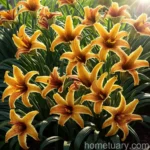
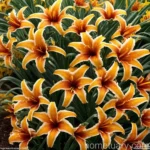
- Unique flower form: ‘Curly Rosy Posey’ features distinctive double blooms with ruffled petals, adding a touch of whimsy to the garden.
- Color variations: Its flowers showcase a blend of rosy pink hues with subtle variations, creating a beautiful tapestry of colors in the garden.
- Butterfly magnet: The nectar-rich blooms of ‘Curly Rosy Posey’ attract butterflies, contributing to the garden’s biodiversity.
Links to External Resources
For additional information on daylily ‘Curly Rosy Posey’ care and cultivation, here are some recommended external resources:
- American Daylily Society – Daylily Cultivation Guide
- University of Illinois Extension – Growing Daylilies
- The Daylily Hybridizer’s Guide by Charles Kurtz – Book Reference
Conclusion
The Hemerocallis ‘Curly Rosy Posey’ cultivar stands out as a captivating and resilient addition to garden landscapes, captivating with its vibrant blooms and low-maintenance nature. From understanding its cultural requirements to appreciating its disease resistance and unique features, cultivating ‘Curly Rosy Posey’ offers a rewarding experience for gardeners.
By incorporating the insights and tips shared in this guide, both novice and experienced gardeners can enhance their understanding of caring for this remarkable daylily cultivar, creating beautiful and thriving gardens enriched by the charm of ‘Curly Rosy Posey’.
Remember, the beauty of daylilies lies not only in their stunning flowers but also in the joy they bring to the garden and the vibrant ecosystem they support.
Happy gardening!