Daylily (Hemerocallis ‘Mauna Loa’): A Guide to Care and Cultivation
What is a Daylily (Hemerocallis ‘Mauna Loa’)?
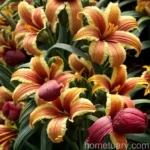
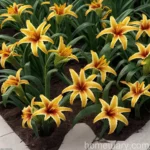
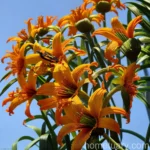
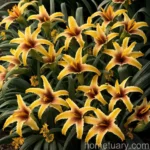
The daylily (Hemerocallis ‘Mauna Loa’) is a perennial flower that belongs to the genus Hemerocallis, a part of the family Asphodelaceae. Known for its striking beauty and versatility, this plant is popular in gardens and landscaping due to its vibrant and abundant blooms. The ‘Mauna Loa’ variety is particularly admired for its bright orange and golden-yellow flowers, making it a favorite among garden enthusiasts.
Key Takeaways – daylily (Hemerocallis ‘Mauna Loa’)
- Daylily Care: Understanding the specific needs for successful cultivation.
- Hemerocallis ‘Mauna Loa’ Facts: Exploring the unique characteristics of this variety.
- How to Grow Daylilies: Guidelines for cultivating and maintaining daylilies.
- Daylily Varieties: Exploring the range of daylily cultivars available.
- Hemerocallis ‘Mauna Loa’ Characteristics: Understanding the defining traits of this specific variety.
- Daylily Gardening Tips: Expert advice for successful daylily cultivation.
- Hemerocallis ‘Mauna Loa’ Care Guide: Detailed instructions for the care of this variety.
- Best Daylily Cultivars: Discovering other exceptional daylily varieties.
- Growing Hemerocallis ‘Mauna Loa’: Specific considerations for successful growth.
- Daylily Flower Meanings: Understanding the symbolism and meaning of daylily blooms.
- Hemerocallis ‘Mauna Loa’ Maintenance: Proactive care to ensure healthy growth.
- Daylily Landscaping Ideas: Creative ways to incorporate daylilies into landscapes.
- Hemerocallis ‘Mauna Loa’ Planting Tips: Tips for successful planting and establishment.
- Daylily Companion Plants: Identifying suitable companion plants for daylilies.
- Hemerocallis ‘Mauna Loa’ Diseases: Recognizing and addressing common diseases in daylilies.
- Daylily Propagation Techniques: Methods for multiplying daylily plants.
- Hemerocallis ‘Mauna Loa’ Hybridization: Understanding the process of creating new daylily varieties through hybridization.
- Daylily Garden Design: Design principles for integrating daylilies into garden landscapes.
- Hemerocallis ‘Mauna Loa’ Pest Control: Techniques for managing pests that affect daylilies.
- Daylily Pruning Methods: Guidelines for pruning daylilies to promote healthy growth.
- Hemerocallis ‘Mauna Loa’ Sun Requirements: Understanding the sunlight needs of this variety.
- Daylily Water Needs: Guidelines for watering daylilies effectively.
- Hemerocallis ‘Mauna Loa’ Soil Preferences: Understanding the soil requirements of this specific variety.
- Daylily Bloom Period: Exploring the flowering season of daylilies.
- Hemerocallis ‘Mauna Loa’ Winter Care: Winter-specific care guidelines for this variety.
- Daylily Division Instructions: Step-by-step instructions for dividing daylilies.
- Hemerocallis ‘Mauna Loa’ Container Gardening: Guidelines for growing daylilies in containers.
- Daylily Landscape Maintenance: Strategies for maintaining daylilies in landscape settings.
- Hemerocallis ‘Mauna Loa’ Photo Gallery: Visual inspiration showcasing the beauty of this variety.
- Daylily Fertilization Tips: Guidelines for fertilizing daylilies to support healthy growth.
- Hemerocallis ‘Mauna Loa’ Garden Uses: Exploring the diverse uses of this variety in garden settings.
- Daylily Naturalization Techniques: Methods for naturalizing daylilies in outdoor spaces.
- Hemerocallis ‘Mauna Loa’ Wildlife Attraction: Understanding the ecological significance of this variety for wildlife.
- Daylily Companion Planting: Identifying suitable companion plants to enhance the beauty of daylilies.
- Hemerocallis ‘Mauna Loa’ Seasonal Care: Specific care considerations for each season.
- Daylily Color Variations: Exploring the range of colors available in daylilies.
- Hemerocallis ‘Mauna Loa’ Garden Border Ideas: Creative ideas for incorporating daylilies into garden borders.
- Daylily Fall Cleanup: Recommended tasks for preparing daylilies for the fall season.
- Hemerocallis ‘Mauna Loa’ Bed Preparation: Guidelines for preparing flower beds for planting daylilies.
- Daylily Soil Amendments: Recommendations for improving soil conditions for daylilies.
- Hemerocallis ‘Mauna Loa’ Flower Arrangement Ideas: Creative ideas for using daylily blooms in floral arrangements.
- Daylily Disease Prevention: Proactive measures to prevent diseases in daylilies.
- Hemerocallis ‘Mauna Loa’ Fragrance Description: Exploring the fragrance of this variety, if applicable.
- Daylily Foliage Care: Guidelines for maintaining healthy foliage on daylilies.
- Hemerocallis ‘Mauna Loa’ Garden Maintenance Schedule: Creating a maintenance schedule for caring for daylilies.
- Daylily Drought Tolerance: Understanding the tolerance of daylilies to drought conditions.
- Hemerocallis ‘Mauna Loa’ Companion Shrubs: Identifying suitable shrubs to complement daylilies in garden settings.
- Daylily Root Division Steps: Step-by-step guide for dividing daylily roots to propagate the plant.
- Hemerocallis ‘Mauna Loa’ Cutting Propagation: Propagation techniques using cuttings from the plant.
- Daylily Winter Storage Tips: Recommendations for storing daylilies during the winter months.
Culture
Uses
The daylily (Hemerocallis ‘Mauna Loa’) is a versatile plant with various uses in horticulture and landscaping. Here are some common uses of this plant:
-
Garden Beds: Daylilies are often used in garden beds to add vibrant colors and textures to the landscape. They can be planted in mixed borders or as mass plantings for a stunning visual impact.
-
Landscaping: Due to their adaptability and low maintenance requirements, daylilies are popular choices for landscaping projects. They can be used in both residential and commercial landscapes to create beautiful and easy-to-maintain garden designs.
-
Cut Flowers: The blooms of daylilies make excellent cut flowers for floral arrangements. Their vibrant colors and attractive forms make them a popular choice for flower arrangements and bouquets.
-
Erosion Control: Some daylily varieties with dense root systems are effective for controlling soil erosion on slopes or embankments. Their ability to stabilize the soil makes them valuable in erosion-prone areas.
Water
Proper watering is essential for the health and vitality of daylilies. While these plants are known for their adaptability to various soil conditions, they thrive best when provided with consistent moisture, particularly during the active growing season. Here are some key considerations for watering daylilies:
-
Establishment: Newly planted daylilies require regular watering to help them establish strong root systems. Water the plants deeply immediately after planting, and continue to provide ample moisture during the first growing season.
-
Soil Moisture: Daylilies prefer well-draining soil that retains moisture without becoming waterlogged. Check the soil moisture regularly, and water when the top inch of the soil feels dry to the touch.
-
Morning Watering: Watering daylilies in the morning allows the foliage and soil surface to dry throughout the day, reducing the risk of fungal diseases. Avoid overhead watering, as it can lead to foliage diseases and unnecessary moisture on the blooms.
-
Deep Watering: When watering daylilies, aim to provide deep and thorough irrigation to encourage the development of strong root systems. Shallow watering can result in shallow root growth, making the plants more susceptible to drought stress.
-
Reduced Watering: Established daylilies are generally drought-tolerant and can withstand periods of reduced watering. However, during prolonged dry spells, providing additional irrigation can help maintain healthy foliage and flower production.
Sunlight
Daylilies are sun-loving plants that thrive in full sun to partial shade. Optimal sunlight exposure is crucial for the growth and flowering of these plants. Here is an overview of sunlight requirements for daylilies:
-
Full Sun: In regions with moderate climates, daylilies perform best when grown in full sun, receiving at least 6 to 8 hours of direct sunlight each day. Full sun exposure promotes robust growth and abundant flowering.
-
Partial Shade: In hotter regions, providing some afternoon shade can help prevent the plants from experiencing heat stress. Partial shade during the hottest part of the day can benefit the foliage and flowers, especially in regions with intense summer heat.
-
Morning Sun: Morning sunlight is particularly beneficial for daylilies, as it allows the plants to dry out quickly, reducing the risk of fungal diseases. Placing the plants in locations with morning sun exposure can contribute to overall plant health.
-
Optimal Positioning: When selecting a planting site for daylilies, choose a location that receives adequate sunlight based on the specific requirements of the ‘Mauna Loa’ variety. Position the plants where they can receive the appropriate amount of sunlight based on regional climate conditions.
Fertilizer
Proper fertilization is essential for promoting healthy growth, abundant blooms, and overall vigor in daylilies. By providing the right nutrients at the appropriate times, gardeners can ensure that their daylilies thrive and enhance the beauty of the garden. Here are some key considerations for fertilizing daylilies:
-
Timing: Fertilize daylilies in early spring as new growth emerges, and again after the first bloom cycle to support continued flowering. Avoid fertilizing late in the growing season, as it may encourage tender growth that is susceptible to cold damage.
-
Balanced Fertilizer: Select a balanced, granular fertilizer with an N-P-K ratio of 10-10-10 or similar for daylilies. This provides a good mix of essential nutrients, promoting overall plant health and flower production.
-
Application Rate: Apply the fertilizer according to the manufacturer’s instructions, and avoid over-fertilizing, as excessive nutrients can lead to lush foliage at the expense of flower production. A general guideline is to use approximately 1/2 cup of fertilizer per plant.
-
Even Distribution: Spread the fertilizer evenly around the base of the plants, taking care to avoid direct contact with the foliage. Water the area thoroughly after applying the fertilizer to facilitate nutrient absorption.
-
Organic Options: Organic fertilizers, such as well-rotted compost or composted manure, can also be used to nourish daylilies. These natural amendments contribute to soil health and fertility, enhancing the overall growing environment for the plants.
-
Soil Testing: Periodically test the soil to assess its nutrient levels and pH balance. This information can help determine the specific fertilizer needs of daylilies and guide the selection of appropriate soil amendments.
-
Mulching: Applying a layer of organic mulch around daylilies can contribute to the gradual release of nutrients into the soil as the mulch decomposes. This supplemental nutrition can benefit the plants and improve soil structure.
Soil
The soil composition and quality play a significant role in the growth and overall health of daylilies. Understanding the soil preferences of daylilies and making appropriate adjustments can contribute to successful cultivation. Here are some key considerations for daylily soil preferences:
-
Well-Draining Soil: Daylilies thrive in well-draining soil that prevents waterlogging and excessive moisture around the root zone. Amending heavy clay soils with organic matter, such as compost or peat moss, can improve drainage and create a more favorable growing environment for the plants.
-
pH Level: Daylilies generally prefer slightly acidic to neutral soil with a pH range of 6.0 to 6.5. Conduct a soil pH test to determine the pH level of the planting area, and make adjustments using lime or sulfur as needed to achieve the optimal pH range for daylilies.
-
Soil Structure: Loamy soil with good aeration and nutrient retention is ideal for daylilies. Ensure that the soil has a loose, friable texture that promotes healthy root development, water infiltration, and nutrient uptake.
-
Organic Matter: Incorporating organic matter into the soil helps improve its structure, fertility, and moisture retention. Compost, leaf mold, or well-rotted manure can be worked into the planting area to enhance the soil for daylilies.
-
Avoid Waterlogged Soils: Soggy or waterlogged soil can lead to root rot and other issues for daylilies. Select planting locations with good drainage, or consider raised beds to prevent waterlogged soil conditions.
Pruning
Pruning daylilies is a straightforward task that can help maintain the overall appearance of the plants and promote healthy growth. Proper pruning techniques contribute to tidier foliage, enhanced air circulation, and the removal of spent blooms. Here are some key tips for pruning daylilies:
-
Removal of Spent Blooms: Deadheading or removing spent blooms promptly not only encourages a neat appearance but also redirects the plant’s energy toward producing new flowers. Use clean, sharp pruners to snip off the faded blooms at the base of the flower stalk.
-
Trimming Foliage: Trimming back the foliage of daylilies after the blooming period can help rejuvenate the plants and promote a tidier appearance. Remove any yellowing or damaged leaves, as well as any unsightly foliage to enhance the overall aesthetic of the plants.
-
Cutting Flower Stalks: After all the flowers on a stalk have finished blooming, the entire flower stalk can be cut back to the base using pruning shears. This practice eliminates spent flower stalks and contributes to a cleaner and more attractive plant profile.
-
Division: Periodically dividing mature daylily clumps is an essential maintenance task that rejuvenates the plants, prevents overcrowding, and promotes better flowering. Dividing daylilies generally occurs in late summer or early fall when the plants are dormant.
-
Sanitization: When pruning or dividing daylilies, it is important to use clean and disinfected pruning tools to prevent the spread of diseases. This reduces the risk of transmitting pathogens from one plant to another during pruning and division activities.
-
Waste Removal: Proper disposal of pruned materials, spent flower stalks, and divided plant sections is crucial to prevent the buildup of potential disease sources in the garden.
Propagation
Daylilies can be propagated through several methods, including division, seed propagation, and cutting propagation. Each approach offers unique benefits and challenges, and careful consideration should be given to the most suitable propagation method for the specific goals of the gardener. Here’s an overview of common daylily propagation techniques:
-
Division: Division is the most common and reliable method for propagating daylilies. Mature clumps of daylilies can be carefully divided into smaller sections, each with its own set of roots and foliage. Dividing daylilies is typically done in late summer or early fall when the plants are no longer in active growth.
-
Seed Propagation: Growing daylilies from seeds is a method that allows for the creation of new varieties and genetic diversity. Collecting seeds from established daylily plants and germinating them under controlled conditions can lead to the development of unique cultivars. However, the resulting plants may not exhibit the exact characteristics of the parent plant.
-
Cutting Propagation: Propagating daylilies from cuttings can be more challenging and less commonly practiced than division or seed propagation. It involves taking stem or leaf cuttings from the parent plant and encouraging them to form roots. While feasible, this method has a lower success rate and may require more specialized care.
-
Timing: The timing of propagation activities is crucial for success. Division is typically performed in late summer or early fall, while seed propagation and cutting propagation may require specific conditions and timing for optimal results.
-
Propagation Environment: Providing the appropriate growing conditions, such as warmth, moisture, and suitable growing medium, can significantly impact the success of propagation efforts. Controlled environments, such as seed trays or propagation beds, may be necessary for certain methods.
-
Genetic Variation: It is important to recognize that propagated daylilies may exhibit genetic variation from the parent plant, particularly when using seeds. This variation can lead to the development of new and unique characteristics, contributing to the diversity of daylily cultivars.
Container Popularity
Growing daylilies in containers has gained popularity among gardening enthusiasts for several reasons. Container cultivation offers flexibility, space-saving options, and the ability to control growing conditions for optimal plant health. Here are some reasons for the popularity of growing daylilies in containers:
-
Limited Space: For gardeners with limited outdoor space, container gardening provides an opportunity to grow daylilies on patios, balconies, or other small areas where traditional garden beds are not feasible.
-
Versatility: Containers allow for the easy movement of daylilies, making it possible to showcase the plants in different areas of the garden or to rearrange the layout as desired.
-
Soil Control: Growing daylilies in containers provides greater control over soil quality, drainage, and fertility. It allows for the use of specific potting mixes tailored to the needs of daylilies, resulting in optimized growing conditions.
-
Aesthetics: Container-grown daylilies can serve as attractive focal points, adding beauty and color to outdoor living spaces. The versatility of containers offers creative opportunities for enhancing visual appeal and creating captivating garden displays.
-
Overwintering: Containers can be used to overwinter daylilies in regions with harsh winter conditions, allowing gardeners to protect the plants and preserve them for the following growing season.
-
Accessibility: Containers make daylilies accessible to a wider audience, including those with physical limitations, as they allow for gardening at comfortable heights and convenient locations.
-
Experimentation: Container gardening provides an opportunity for experimentation with different varieties, growing techniques, and design concepts, allowing for greater horticultural exploration and creativity.
Common Diseases
Daylilies, including the ‘Mauna Loa’ variety, are relatively resilient plants that are not commonly plagued by severe disease issues. However, like any garden plant, they can be susceptible to certain diseases that may impact their health and appearance. Recognizing and addressing common daylily diseases is essential for maintaining the plants’ vigor. Here are some common diseases that may affect daylilies:
-
Leaf Streak (Aureobasidium Microstictum): Leaf streak is a fungal disease that appears as brown or yellow streaks on the foliage, often following the veins of the leaves. It can cause unsightly blemishes and weaken the overall health of the plant. Proper air circulation and moisture management can help prevent leaf streak.
-
Crown Rot (Rhizoctonia Solani): Crown rot affects the crown and roots of daylilies, often leading to wilting, yellowing foliage, and general decline. This disease thrives in waterlogged or poorly drained soils. Improving soil drainage and maintaining proper watering practices can help prevent crown rot.
-
Rust (Puccinia Hemerocallidis): Rust is a fungal disease