“Daylily (Hemerocallis ‘Raspberry Pixie’)”: A Versatile and Beautiful Garden Addition
In the world of gardening, few plants are as beloved as daylilies. Known for their vibrant colors, low maintenance, and adaptability to various climates, daylilies are a favorite choice for both seasoned horticulturists and beginners.
In this blog post, we will explore the specific variety of daylily known as Hemerocallis ‘Raspberry Pixie’. We will delve into its distinguishing characteristics, cultivation methods, and maintenance tips. Whether you are considering adding ‘Raspberry Pixie’ daylilies to your garden or already have them in your collection, this comprehensive guide will provide valuable insights for fostering healthy and thriving plants.
Hemerocallis ‘Raspberry Pixie’ Characteristics
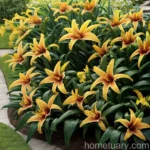
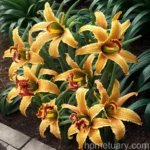
Hemerocallis ‘Raspberry Pixie’ is a stunning daylily variety known for its unique characteristics. The plant features vibrant red and pink bi-color flowers, which bloom profusely throughout the summer. The narrow, grass-like foliage adds an attractive texture to the garden, and the compact size of the plant makes it suitable for various landscaping applications.
Daylily Varieties: Hemerocallis ‘Raspberry Pixie’
The ‘Raspberry Pixie’ cultivar is part of the larger Hemerocallis genus, which encompasses a wide array of daylily varieties. While ‘Raspberry Pixie’ stands out for its distinctive bi-color blooms and compact habit, other daylily varieties boast different flower colors, sizes, and growth habits. Each variety brings its own unique charm to the garden, allowing for endless possibilities in landscape design.
Growing Hemerocallis ‘Raspberry Pixie’
When it comes to cultivating Hemerocallis ‘Raspberry Pixie’, understanding its specific environmental requirements is crucial for ensuring optimal growth and blooming. From soil preferences to sunlight exposure, the following sections will provide a comprehensive guide to successfully nurturing ‘Raspberry Pixie’ daylilies.
Water
Proper hydration is essential for the health of ‘Raspberry Pixie’ daylilies. These plants thrive in moist, well-draining soil and should be watered deeply once or twice a week during the growing season. During periods of drought, it is important to monitor the soil moisture and provide supplemental watering as needed to prevent stress and dehydration.
Tip: Mulching around the base of ‘Raspberry Pixie’ daylilies can help retain soil moisture and reduce the frequency of watering.
Sunlight
Like most daylily varieties, Hemerocallis ‘Raspberry Pixie’ flourishes in full sun to partial shade. Providing at least 6 hours of direct sunlight each day will encourage robust growth and abundant flowering. In regions with intense summer heat, some afternoon shade can protect the delicate blooms from excessive sun exposure.
Fertilizer
To promote vigorous growth and prolific blooming, ‘Raspberry Pixie’ daylilies benefit from regular fertilization. A balanced, slow-release fertilizer applied in early spring can provide the necessary nutrients for the entire growing season. Additionally, a light application of fertilizer after the first bloom cycle can support the formation of new flower buds.
Tip: Avoid excessive fertilization, as it can lead to lush foliage at the expense of flower production.
Soil
Well-draining, loamy soil is ideal for cultivating Hemerocallis ‘Raspberry Pixie’. Amending heavy clay soils with organic matter can improve drainage and create a favorable environment for the development of healthy root systems. Additionally, maintaining a slightly acidic to neutral soil pH will facilitate nutrient uptake and overall plant health.
Pruning
Pruning plays a vital role in maintaining the aesthetic appeal of ‘Raspberry Pixie’ daylilies and promoting continuous blooming. Deadheading spent flowers throughout the season not only keeps the plant looking tidy but also encourages the production of new blooms. In late fall, once the foliage has yellowed, trimming it back to ground level can help prepare the plant for the dormant winter months.
Tip: Applying a layer of mulch around ‘Raspberry Pixie’ daylilies in late fall can protect the roots from extreme temperatures and fluctuations.
Hemerocallis ‘Raspberry Pixie’ Planting Guide
The planting process sets the foundation for the growth and development of ‘Raspberry Pixie’ daylilies. Whether you are establishing new plants or dividing existing clumps, following these guidelines will ensure successful establishment and long-term vitality.
Propagation
One of the appealing aspects of daylilies, including Hemerocallis ‘Raspberry Pixie’, is their ease of propagation. Division is the most common method of propagating daylilies, and it is typically performed in early spring or late summer. Dividing mature clumps into smaller sections with healthy roots allows for the creation of new plants that can be transplanted to other areas of the garden or shared with fellow gardening enthusiasts.
Container Popularity
While daylilies are often planted directly in the garden soil, they also thrive in containers, making them a versatile option for gardeners with limited space or those looking to add vibrant accents to patios and balconies. ‘Raspberry Pixie’ daylilies exhibit exceptional performance in containers, provided that the pots offer sufficient drainage and the plants receive the necessary sunlight and water.
Container Common Diseases
In a container environment, daylilies, including Hemerocallis ‘Raspberry Pixie’, are generally less susceptible to soil-borne diseases compared to plants grown in the ground. However, proper container hygiene and regular inspection are essential for preventing common issues such as root rot and fungal infections. Using well-draining potting mix and avoiding overwatering can further mitigate the risk of disease development.
Disease Diagnosis
Despite their overall resilience, daylilies can occasionally be affected by fungal diseases such as rust and leaf spot. Early detection and prompt intervention are crucial in managing these issues. Keeping the foliage dry, promoting air circulation, and removing affected plant parts can help prevent the spread of disease. In severe cases, applying fungicidal treatments may be necessary to control the pathogens.
Botanist’s Tips
As a plant scientist, I have observed ‘Raspberry Pixie’ daylilies and identified several key tips for maximizing their performance in the garden:
-
Selective Placement: Consider the color and size of nearby plants when arranging ‘Raspberry Pixie’ daylilies in the landscape. Complementary or contrasting foliage and blooms can create visually appealing combinations.
-
Garden Design: Incorporate ‘Raspberry Pixie’ daylilies into border plantings, rock gardens, or mixed perennial beds to add a burst of color and effortless elegance to the overall design.
-
Mulching Benefits: Implement mulching not only for moisture retention but also to suppress weeds around ‘Raspberry Pixie’ daylilies, allowing the plants to receive the full benefits of available nutrients.
-
Pest Monitoring: Regularly inspect ‘Raspberry Pixie’ daylilies for signs of pest activity, such as aphids or spider mites. Early detection enables timely intervention and prevents population escalation.
Fun Facts
In addition to their beauty and versatility, daylilies, including Hemerocallis ‘Raspberry Pixie’, are accompanied by several intriguing facts:
-
Edible Flowers: Daylily blooms are not only visually striking but also edible. The buds and petals of certain daylily varieties, when prepared properly, can be used in culinary creations, adding a touch of elegance to dishes.
-
Historical Significance: Daylilies have been cultivated for centuries and hold symbolic significance in various cultures. From representing motherhood to symbolizing renewal and rebirth, these resilient plants have woven themselves into the fabric of human traditions.
-
Pollinator Magnets: ‘Raspberry Pixie’ daylilies attract a plethora of pollinators, including bees, butterflies, and hummingbirds, contributing to the biodiversity and ecological balance of the garden.
Links to External Resources
For additional information on ‘Raspberry Pixie’ daylilies and related topics, you may find the following resources helpful:
- American Daylily Society – https://daylilies.org/
- University of Illinois Extension – https://extension.illinois.edu/blogs/good-growing/2019-07-29-daylilies
- Missouri Botanical Garden – http://www.missouribotanicalgarden.org/PlantFinder/PlantFinderDetails.aspx?kempercode=d551
As an enthusiast of plant science and a dedicated gardener, delving into the intricacies of daylilies, particularly the captivating Hemerocallis ‘Raspberry Pixie’, has been an enriching experience. These versatile plants not only adorn the landscape with their captivating blooms but also serve as a testament to the resilience and beauty of nature. With the insights provided in this blog post, I hope you feel inspired and empowered to cultivate ‘Raspberry Pixie’ daylilies and witness their vibrant splendor in your own garden.