Smooth Hydrangea (Hydrangea Arborescens ‘Green Dragon’)
Smooth Hydrangea, botanically known as Hydrangea arborescens ‘Green Dragon’, is a stunning flowering shrub that is valued for its showy blooms and.
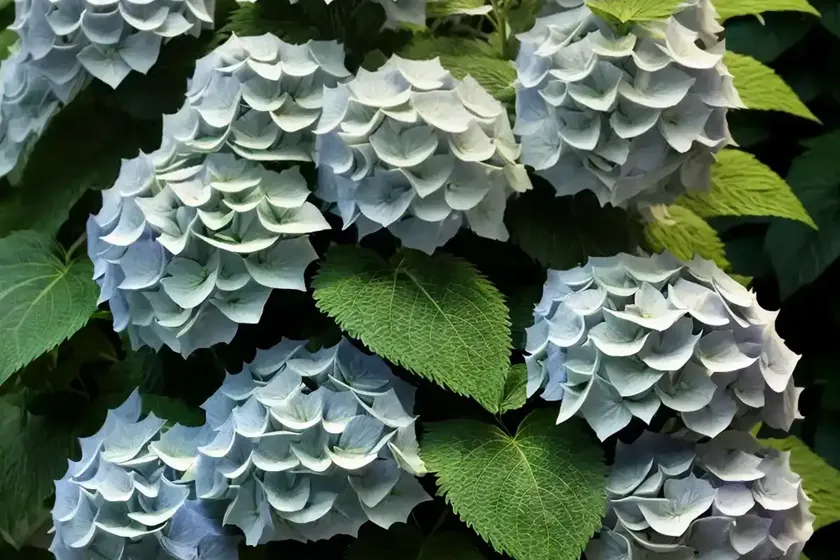
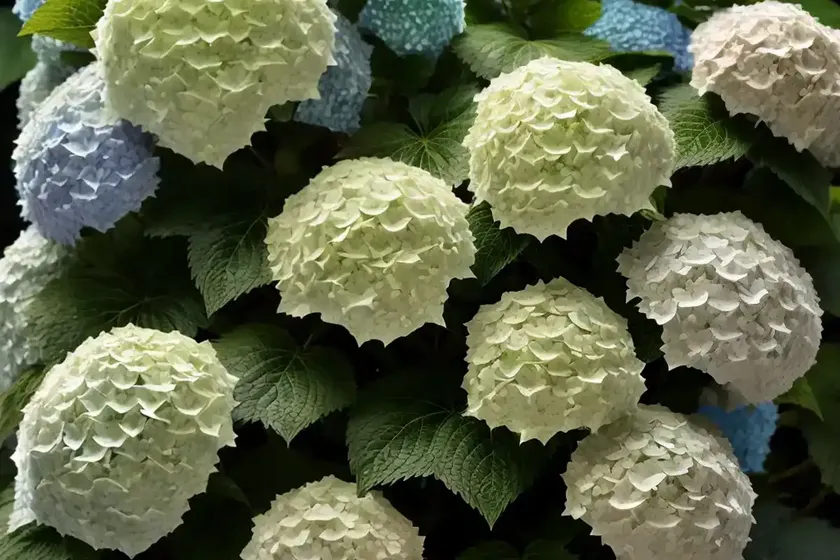
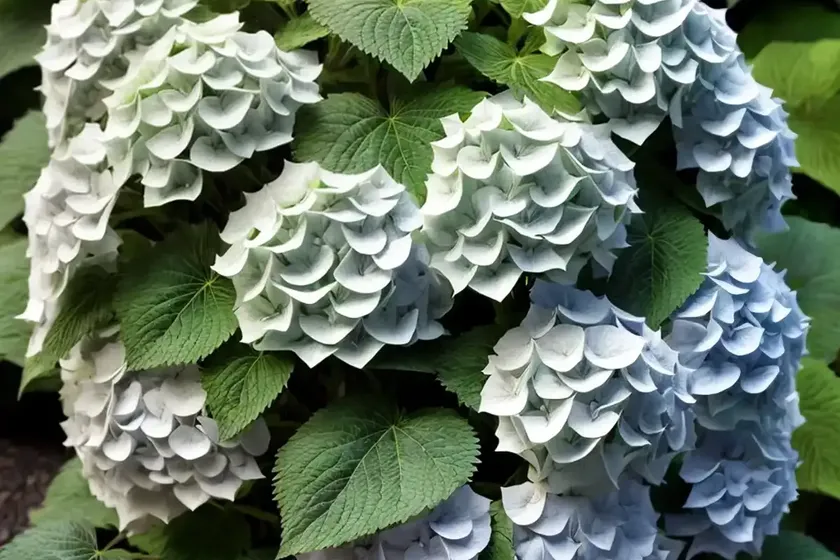
Smooth Hydrangea, botanically known as Hydrangea arborescens ‘Green Dragon’, is a stunning flowering shrub that is valued for its showy blooms and low-maintenance care. This native hydrangea is a popular choice for landscaping due to its attractive foliage, shade tolerance, and ease of cultivation.
In this comprehensive guide, we will explore the cultural requirements, uses, propagation, and common diseases and pests of the smooth hydrangea. Whether you are a beginner gardener or a seasoned horticulturist, the following information will provide valuable insights into the care and cultivation of this exquisite hydrangea variety.
What is Smooth Hydrangea?
Smooth hydrangea, or Hydrangea arborescens, is a deciduous flowering shrub that is native to the United States. It is a member of the Hydrangeaceae family and is known for its large, showy flower clusters and attractive foliage. The ‘Green Dragon’ cultivar, in particular, is prized for its vibrant green flowers that add a unique touch to garden landscapes.
Key Takeaways
Before delving into the specifics of smooth hydrangea care, let’s review some key takeaways about this remarkable plant:
- Botanical Name: Hydrangea arborescens ‘Green Dragon’
- Common Names: Smooth Hydrangea, Green Dragon Hydrangea, Smooth Leaf Hydrangea
- Plant Type: Deciduous flowering shrub
- Flowering: Summer-blooming
- Foliage Color: Vibrant green
- Cultivar Characteristics: Low-maintenance, shade-tolerant, drought-tolerant, hardy, showy blooms
- Landscape Uses: Ideal for border planting, landscaping, and container gardening
Now, let’s take a closer look at the specific requirements for cultivating and nurturing smooth hydrangea in garden settings.
Culture
Cultivating and caring for smooth hydrangea involves considerations related to water, sunlight, fertilizer, soil, and pruning practices. These cultural factors play a crucial role in the overall health and vigor of the plant. Understanding the specific cultural needs of smooth hydrangea is essential for ensuring its optimal growth and blooming performance.
Uses
Smooth hydrangea, particularly the ‘Green Dragon’ cultivar, boasts an array of uses in garden landscapes. Whether used as a standalone specimen or incorporated into mixed borders, this hydrangea variety offers several versatile uses, including:
- Border planting
- Landscaping focal point
- Container gardening
- Mass plantings
- Woodland gardens
- Cottage gardens
The versatility and visual appeal of smooth hydrangea make it a delightful addition to diverse garden settings, offering an abundance of lush green foliage and striking floral displays.
Water
Proper watering is vital for the health and vitality of smooth hydrangea plants. While they are relatively adaptable to different moisture levels, consistent and adequate irrigation is essential, especially during the establishment phase and periods of drought. The following watering guidelines are recommended for smooth hydrangea:
- Establishment Phase: Water deeply immediately after planting to ensure the root ball is adequately moist.
- Regular Watering: Provide consistent moisture, especially during dry spells, to prevent dehydration and stress.
- Avoid Waterlogging: Ensure well-draining soil and avoid waterlogged conditions, which can lead to root rot.
Adhering to these watering practices will contribute to the overall vigor and resilience of smooth hydrangea plants.
Sunlight
Smooth hydrangea thrives in a partially shaded to fully shaded environment, making it an excellent choice for garden areas with limited direct sunlight. When selecting a planting site or designing a landscape with smooth hydrangea, consider the following sunlight preferences:
- Partial Shade: Ideal for optimal growth and blooming performance.
- Full Shade: Tolerant of shaded conditions, making it suitable for woodland gardens and shaded borders.
- Protection from Harsh Afternoon Sun: Provide protection from intense afternoon sun, particularly in warmer climates.
By providing the appropriate level of shading, gardeners can ensure that smooth hydrangea plants develop lush foliage and abundant blooms.
Fertilizer
Applying a balanced fertilizer regimen can enhance the growth and blooming capabilities of smooth hydrangea. A slow-release, well-balanced fertilizer designed for flowering shrubs can provide the necessary nutrients for healthy development. Consider the following fertilization guidelines for smooth hydrangea:
- Spring Fertilization: Apply a balanced, slow-release fertilizer in early spring as new growth emerges.
- Avoid Excessive Nitrogen: Choose a fertilizer with a balanced NPK ratio to promote overall plant health and flowering.
- Follow Manufacturer’s Recommendations: Adhere to the recommended application rates specified on the fertilizer packaging for optimal results.
By incorporating appropriate fertilization practices, gardeners can support the vigor and floral abundance of smooth hydrangea plants.
Soil
Understanding the soil requirements of smooth hydrangea is fundamental for establishing an environment conducive to its growth and development. The following soil considerations are essential for promoting the well-being of smooth hydrangea plants:
- Moist, Well-Draining Soil: Ensure the soil provides adequate drainage while retaining consistent moisture levels.
- Organic Matter Enrichment: Incorporate organic matter such as compost or well-rotted manure to enhance soil structure and fertility.
- pH Preference: Thrives in slightly acidic to neutral soil with a pH range of 5.5 to 7.0.
By selecting the right soil composition and structure, gardeners can create an optimal growing environment for smooth hydrangea plants.
Pruning
Proper pruning practices contribute to the health, shape, and flowering performance of smooth hydrangea. Understanding the specific pruning requirements of this plant is crucial for promoting vigorous growth and maintaining an attractive form. Consider the following pruning guidelines for smooth hydrangea:
- Prune After Flowering: Trim back the previous year’s growth in late winter to early spring, just as new growth emerges.
- Deadheading Spent Blooms: Remove faded blooms promptly to promote continuous flowering and prevent seed development.
- Shape Management: Prune to maintain a desirable size and shape, if needed, to control the plant’s spread.
By adhering to appropriate pruning practices, gardeners can ensure that smooth hydrangea maintains a tidy, well-structured appearance while maximizing its flowering potential.
Propagation
Propagation is a rewarding way to expand your smooth hydrangea collection or share this beautiful plant with fellow gardening enthusiasts. Understanding the various propagation methods and techniques is essential for successfully propagating smooth hydrangea through division, cuttings, or seed sowing.
Division
Division is a common propagation method for expanding smooth hydrangea plantings. It involves dividing the plant into multiple sections, each with its own root system, to create new individual specimens. To propagate smooth hydrangea through division, follow these general steps:
- Spring Division: Choose early spring for dividing established plants, just before new growth emerges.
- Digging and Dividing: Carefully lift the plant from the soil and gently separate the root mass into sections, ensuring that each division has sufficient roots and shoots.
- Replanting: Transplant the divisions into prepared planting sites, water thoroughly, and provide appropriate aftercare.
By employing proper division techniques, gardeners can propagate smooth hydrangea effectively and establish new plantings within the garden.
Cuttings
Taking stem cuttings is another viable method for propagating smooth hydrangea, allowing gardeners to create new plants from existing stock. This technique involves obtaining healthy stem cuttings and encouraging them to develop roots, ultimately producing new plants. The following steps outline the basic procedure for propagating smooth hydrangea from cuttings:
- Selecting Cuttings: Choose healthy, non-flowering stems for the cuttings, typically in late spring or early summer.
- Preparing Cuttings: Cut 4-6 inch stem sections just below a leaf node and remove lower leaves to expose the nodes for rooting.
- Rooting Medium: Plant the cuttings in a well-draining rooting medium and provide consistent moisture and warmth to encourage root development.
- Transplanting Rooted Cuttings: Once the cuttings have developed a robust root system, transplant them into individual pots or suitable planting sites.
By following the proper techniques for taking and rooting cuttings, gardeners can successfully propagate smooth hydrangea to expand their gardens or share with others.
Seed Sowing
While less commonly practiced than division or cuttings, propagating smooth hydrangea via seed sowing offers an alternative method for generating new plants. It involves collecting and sowing seeds from mature hydrangea blooms to produce seedlings for future cultivation. The following steps outline the basic process for propagating smooth hydrangea from seeds:
- Seed Harvesting: Collect mature seeds from the dried blooms of smooth hydrangea in late summer to early autumn.
- Seed Pretreatment: Stratify the seeds by storing them in a moist, cool environment for a period to break dormancy.
- Sowing Seeds: Plant the stratified seeds in a suitable seed-starting mix, ensuring adequate moisture and warmth for germination.
- Seedling Care: Provide appropriate care for the seedlings as they develop, and transplant them into larger containers or planting sites as they mature.
By employing the right techniques for collecting, treating, and sowing seeds, gardeners can successfully propagate smooth hydrangea from seed and foster new plantings.
Container Popularity
The adaptability of smooth hydrangea makes it an excellent candidate for container gardening, allowing gardeners to showcase its beauty on patios, porches, or balconies. When cultivating smooth hydrangea in containers, the following considerations are essential for ensuring its success:
- Container Size: Select a sufficiently large container to accommodate the plant’s root system and allow for adequate growth.
- Well-Draining Soil: Use a high-quality potting mix that provides good drainage while retaining moisture.
- Watering Needs: Monitor the soil moisture regularly and water as needed to prevent drying out or waterlogging.
- Light Requirements: Position the container in a partially shaded location to provide the appropriate light exposure for the plant.
By meeting the specific requirements of container cultivation, gardeners can enjoy the beauty of smooth hydrangea in confined outdoor spaces or indoor settings.
Common Diseases
While smooth hydrangea is generally a hardy and disease-resistant plant, it may be susceptible to certain diseases under unfavorable growing conditions. Identifying common diseases and understanding their symptoms can help in implementing effective preventive measures or treatments to safeguard the health of smooth hydrangea.
Disease Diagnosis
The following are some common diseases that may affect smooth hydrangea, along with their respective symptoms and management strategies:
- Powdery Mildew: Identified by white, powdery spots on the leaves, often caused by high humidity and poor air circulation. To manage powdery mildew, provide adequate spacing between plants, ensure good air circulation, and consider fungicidal treatments if necessary.
- Leaf Spot: Characterized by dark spots or lesions on the leaves, typically caused by fungal pathogens. Minimize leaf wetness, remove and destroy affected foliage, and consider fungicidal treatments to manage leaf spot.
Understanding the symptoms and management practices for common diseases can aid in preserving the health and vitality of smooth hydrangea plants.
Common Pests
While smooth hydrangea is generally resistant to pests, occasional infestations of certain insects may occur, requiring attention to prevent damage to the plant. Recognizing common pests and implementing appropriate control measures can help in mitigating potential pest issues.
Botanist’s Tips
For optimal care and cultivation of smooth hydrangea ‘Green Dragon’ and other Hydrangea arborescens varieties, consider the following botanist’s tips:
- Mulching: Apply a layer of organic mulch around the base of the plant to conserve soil moisture and regulate temperature.
- Adequate Spacing: Provide ample spacing between smooth hydrangea plants to allow for proper air circulation and minimize the risk of foliar diseases.
- Regular Inspection: Monitor the plants regularly for signs of pests, diseases, or nutrient deficiencies, and take appropriate action as needed.
By incorporating these botanist’s tips into the care regimen, gardeners can foster healthy and robust smooth hydrangea plants within their garden landscapes.
Fun Facts
To deepen your appreciation for smooth hydrangea and its remarkable qualities, here are some fun facts and intriguing tidbits about this captivating plant:
- Smooth hydrangea ‘Green Dragon’ is celebrated for its vibrant green flowers, adding a unique hue to garden landscapes.
- The species name “arborescens” refers to the shrub’s woody nature, indicative of its status as a deciduous flowering shrub.
- Native to the United States, smooth hydrangea is part of the natural heritage of North American landscapes, making it a valuable addition to local and regional plantings.
These fun facts offer fascinating insights into the character and appeal of smooth hydrangea, enriching the gardening experience for enthusiasts and nature lovers alike.
Links to External Resources
For further information about smooth hydrangea ‘Green Dragon’, propagation techniques, and plant care, consider exploring the following external resources:
These reputable sources provide valuable insights and guidance for gardening enthusiasts seeking to enhance their knowledge of smooth hydrangea and its horticultural attributes.
In conclusion, smooth hydrangea ‘Green Dragon’ stands as a captivating and versatile plant that offers an array of ornamental qualities, landscape uses, and cultivation opportunities. By embracing the cultural recommendations, propagation techniques, and disease management strategies outlined in this guide, gardeners can embark on a journey to cultivate and appreciate the unique beauty of this remarkable hydrangea variety within their garden landscapes.
Keywords: Hydrangea arborescens, Green Dragon hydrangea, smooth leaf hydrangea, Hydrangea shrub, native hydrangea, flowering hydrangea, Hydrangea arborescens Green Dragon, summer-blooming hydrangea, Hydrangea plant care, hardy hydrangea, green hydrangea flowers, Hydrangea arborescens species, smooth hydrangea variety, low-maintenance hydrangea, Hydrangea for landscaping, Hydrangea arborescens Green Dragon cultivar, shade-tolerant hydrangea, Hydrangea for border planting, drought-tolerant hydrangea, easy-to-grow hydrangea, Hydrangea arborescens Green Dragon characteristics, stunning hydrangea flowers, Hydrangea arborescens Green Dragon pruning, Hydrangea arborescens Green Dragon care tips, Hydrangea arborescens Green Dragon propagation, showy hydrangea blooms, Hydrangea arborescens Green Dragon planting guide, vibrant green hydrangea, Hydrangea arborescens Green Dragon varieties, Hydrangea arborescens Green Dragon pests and diseases, magnificent hydrangea foliage, Hydrangea arborescens Green Dragon growth habit, exquisite hydrangea cultivar, Hydrangea arborescens Green Dragon companion plants, Hydrangea arborescens Green Dragon landscape uses, unique hydrangea arborescens Green Dragon, Hydrangea arborescens Green Dragon fertilizing tips, frost-hardy hydrangea, Hydrangea arborescens Green Dragon container gardening, Hydrangea arborescens Green Dragon watering needs, striking hydrangea variety, Hydrangea arborescens Green Dragon soil requirements, Hydrangea arborescens Green Dragon disease-resistant, summer-flowering deciduous shrub, Hydrangea arborescens Green Dragon pruning guide, Hydrangea arborescens Green Dragon sun or shade preference, Hydrangea arborescens Green Dragon attractive foliage, Hydrangea arborescens Green Dragon garden design, Hydrangea arborescens Green Dragon landscape maintenance, Hydrangea arborescens Green Dragon ornamental qualities


