The Wonderful World of Daylilies: Exploring Hemerocallis ‘Baltimore Oriole’
Introduction
Welcome to the world of daylilies, where the vibrant Hemerocallis ‘Baltimore Oriole’ takes center stage. This stunning perennial plant is beloved by gardeners for its striking beauty, resilience, and versatility. In this comprehensive guide, we will delve into the captivating realm of daylilies and unravel the secrets of Hemerocallis ‘Baltimore Oriole.’
What is a Daylily?
The daylily (Hemerocallis) is a perennial flowering plant that belongs to the family Liliaceae. Known for its resilient nature and captivating blooms, the daylily has captured the hearts of gardeners and plant enthusiasts around the world. The name “daylily” is derived from the Greek words “hēmera,” which means “day,” and “kallos,” which means “beauty,” alluding to the exquisite blossoms that typically last no more than 24 hours.
The Hemerocallis genus encompasses a diverse array of daylily cultivars, each exhibiting unique characteristics in terms of color, shape, size, and blooming patterns. Among these captivating varieties, the Hemerocallis ‘Baltimore Oriole’ stands out as a radiant gem, renowned for its vibrant hues and graceful allure.
Hemerocallis ‘Baltimore Oriole’ – A Closer Look
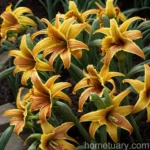
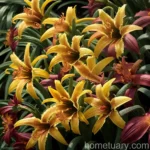
Hemerocallis ‘Baltimore Oriole’ is a captivating daylily variety cherished for its remarkable qualities and enchanting presence. This cultivar is celebrated for its vivid coloration, strong stems, and reliable performance, making it a prized addition to gardens and landscapes. Let’s delve into the key attributes and characteristics of Hemerocallis ‘Baltimore Oriole’ to gain a deeper understanding of this exceptional daylily variety.
Key Takeaways – Daylily (Hemerocallis ‘Baltimore Oriole’)
Culture
- Hemerocallis ‘Baltimore Oriole’ thrives in temperate climates and adapts well to various soil conditions.
- Ideal for mixed borders, cottage gardens, and naturalistic landscapes.
- Tolerant of urban pollution, making it suitable for city gardens.
Uses
- Ornamental purposes: Adds vibrant color and texture to garden beds and borders.
- Landscaping: Ideal for creating focal points and accentuating landscape designs.
- Pollinator attraction: Attracts pollinators such as bees and butterflies with its nectar-rich blooms.
Water
- Moderate water needs: Regular watering is beneficial, especially during the flowering period.
- Well-drained soil: Ensures proper moisture levels without waterlogging the roots.
Sunlight
- Full sun to partial shade: Flourishes in locations with at least 6 hours of sunlight per day.
- Tolerant of varying light conditions but exhibits the best flowering potential in full sun.
Fertilizer
- Balanced fertilizer: Apply a slow-release, balanced fertilizer in early spring to support healthy growth and prolific blooming.
- Avoid excessive nitrogen: High-nitrogen fertilizers may promote lush foliage at the expense of flower production.
Soil
- Versatile soil preferences: Thrives in well-draining soil with a slightly acidic to neutral pH.
- Adaptable to different soil types, including loamy, sandy, and clay soils.
Pruning
- Deadheading spent blooms: Encourages continuous flowering and maintains the plant’s aesthetic appeal.
- Removal of yellowing foliage: Promotes tidiness and prevents the spread of diseases.
Propagation
- Division method: Divide mature clumps every 3-5 years to rejuvenate the plant and propagate new specimens.
- Spring or fall division: Optimal times for dividing and transplanting Hemerocallis ‘Baltimore Oriole’ to minimize transplant shock.
Container Popularity
- Well-suited for container gardening: Thrives in large containers with adequate drainage holes.
- Container versatility: Adds color and vitality to patios, balconies, and other confined spaces.
Common Diseases
- Leaf spot: Monitor for signs of leaf spotting and promptly remove affected foliage to prevent the spread of the disease.
- Rust: Provide good air circulation and avoid overhead watering to mitigate rust infestations.
Disease Diagnosis
- Visual examination: Check for abnormal discoloration, spots, or lesions on the leaves and stems.
- Consult with local gardening experts or horticulturists for accurate diagnosis and treatment recommendations.
Common Pests
- Aphids: Keep an eye out for aphid infestations and use insecticidal soaps or neem oil as an organic pest control method.
- Spider mites: Introduce predatory mites or use horticultural oils to manage spider mite populations.
Botanist’s Tips
- Regular inspection: Monitor the plant for any signs of stress, pests, or diseases to address issues promptly.
- Mulching: Apply a layer of organic mulch around the base of the plant to conserve moisture and suppress weed growth.
Fun Facts
- Daylily blooms are edible: The petals of certain daylily species are used in culinary creations such as salads and stir-fries.
- Hemerocallis ‘Baltimore Oriole’ is named after the vibrant and striking plumage of the Baltimore Oriole bird.
Links to External Resources
For more detailed information about daylilies and Hemerocallis ‘Baltimore Oriole,’ explore the following external resources:
– American Daylily Society
– The Daylily Journal
– Royal Horticultural Society – Hemerocallis
In the next sections, we will explore the cultivation, care, and maintenance of Hemerocallis ‘Baltimore Oriole’ in greater depth, providing insights into its optimal growing conditions, landscape uses, and propagation techniques.
Cultivation and Care
Hemerocallis ‘Baltimore Oriole’ displays remarkable adaptability and resilience, making it a captivating addition to diverse garden settings. Understanding its cultural requirements and optimal growing conditions is crucial for nurturing thriving specimens and maximizing their ornamental potential.
Sunlight Requirements
Daylilies, including Hemerocallis ‘Baltimore Oriole,’ thrive in locations with ample sunlight exposure. While they can tolerate partial shade, providing at least 6 hours of sunlight per day enhances their blooming capacity and overall vigor. When selecting a planting site, prioritize areas that receive adequate sunlight to ensure the best performance from this radiant daylily variety.
Water Needs
Moderate and consistent moisture levels are beneficial for Hemerocallis ‘Baltimore Oriole’ during the growing season, especially when it is producing flower buds and blooms. While daylilies demonstrate good drought tolerance once established, regular watering, particularly during dry spells, supports healthy growth and abundant flowering. It is essential to avoid overwatering, as excessively damp soil can lead to root rot and other moisture-related issues.
Soil Preferences
One of the key attributes of daylilies is their adaptability to various soil types, provided that the soil is well-draining. Hemerocallis ‘Baltimore Oriole’ prospers in loamy, sandy, or clay soils with a slightly acidic to neutral pH. Prior to planting, amending the soil with organic matter can enhance its structure and fertility, fostering an optimal growing environment for these radiant daylilies.
Fertilization Techniques
Applying a balanced, slow-release fertilizer in early spring is beneficial for promoting robust growth and prolific blooming in Hemerocallis ‘Baltimore Oriole.’ The fertilizer should be incorporated into the soil around the base of the plant, following the manufacturer’s instructions regarding application rates and frequency. It is important to avoid excessive nitrogen, as an imbalance in nutrients can lead to reduced flowering and an overabundance of foliage.
Pruning Guidelines
Regular maintenance, including pruning and deadheading, contributes to the health and aesthetic appeal of Hemerocallis ‘Baltimore Oriole.’ Deadheading spent blooms not only keeps the plant looking tidy but also encourages the production of new flower buds, prolonging the blooming period. Additionally, removing any yellowing or withered foliage maintains the plant’s vigor and reduces the risk of disease spread, particularly during the growing season.
Winter Care
As temperatures plummet during the winter months, providing adequate protection for Hemerocallis ‘Baltimore Oriole’ is essential to safeguard its vitality. Applying a layer of organic mulch around the base of the plant helps insulate the roots, moderates soil temperatures, and inhibits weed growth. In regions with harsh winters, a protective layer of mulch serves as a vital shield against frost and fluctuating temperature extremes.
Landscape Uses
The timeless allure of daylilies, exemplified by Hemerocallis ‘Baltimore Oriole,’ renders them invaluable assets in various landscape settings. Whether used as focal points, border embellishments, or mass plantings, these radiant daylilies bestow vibrant color and enduring beauty upon the outdoor canvas. Let’s explore some of the prominent landscape uses and design ideas for integrating Hemerocallis ‘Baltimore Oriole’ into your outdoor spaces.
Garden Borders and Edging
One of the classic applications of daylilies in landscaping is as border plants, where they delineate garden beds and pathways with their resplendent blooms and lush foliage. Hemerocallis ‘Baltimore Oriole’ brings an infusion of vivid color and elegance to garden borders, creating captivating visual interest while harmonizing with surrounding plantings.
Cottage and Informal Gardens
The charming, casual ambiance of cottage gardens is perfectly complemented by the presence of Hemerocallis ‘Baltimore Oriole.’ These radiant daylilies evoke a sense of rustic charm and nostalgia, infusing the garden with an abundance of cheerful blooms and enduring grace. Their adaptability to informal garden styles makes them prized companions for creating picturesque, relaxed outdoor retreats.
Mixed Perennial Beds
In mixed perennial beds and island plantings, Hemerocallis ‘Baltimore Oriole’ serves as a dynamic focal point, adding bursts of color and textural contrast amid a diverse array of plant companions. These vibrant daylilies intertwine effortlessly with other perennials, creating captivating tapestries of hues, shapes, and bloom times throughout the growing season.
Pollinator Gardens
Hemerocallis ‘Baltimore Oriole’ beckons and nurtures pollinators with its nectar-rich blooms, making it a valuable addition to pollinator gardens and wildlife-friendly landscapes. Bees, butterflies, and other beneficial insects are drawn to the abundant floral resources of these radiant daylilies, enhancing the ecological vitality of the garden while contributing to the pollination of surrounding plants.
Container Gardening
The versatility of Hemerocallis ‘Baltimore Oriole’ extends to container gardening, where it flourishes in large pots and planters, adding vibrant splashes of color to patios, balconies, and other confined spaces. When incorporated into container arrangements, these radiant daylilies infuse outdoor living areas with their spirited blooms and enduring allure, creating captivating focal points in limited spaces.
Propagation Methods
Propagation is an essential aspect of maintaining and expanding the presence of Hemerocallis ‘Baltimore Oriole’ in the garden. The division method stands as the primary means of propagating daylilies, allowing gardeners to rejuvenate mature clumps, propagate new specimens, and share the beauty of these radiant daylilies with others. Let’s explore the division process and optimal propagation techniques for Hemerocallis ‘Baltimore Oriole.’
Division Method
Spring and fall stand as the prime seasons for dividing and transplanting Hemerocallis ‘Baltimore Oriole,’ as the moderate temperatures and sufficient moisture levels reduce transplant shock and facilitate successful establishment. The division process involves carefully lifting mature clumps from the soil, separating the individual fans or divisions, and replanting them in prepared garden beds or containers.
Transplanting Considerations
When transplanting divided Hemerocallis ‘Baltimore Oriole’ divisions, it is crucial to ensure that each segment possesses healthy roots and viable growth points. Planting the divisions at the appropriate depth, providing adequate moisture, and fostering optimal growing conditions are essential for promoting robust establishment and subsequent blooming of the propagated specimens.
Disease Resistance and Prevention
As with any garden plant, maintaining the health and vigor of Hemerocallis ‘Baltimore Oriole’ involves proactive disease management and preventive measures. By recognizing common diseases, implementing sound cultural practices, and promptly addressing any signs of distress, gardeners can safeguard the well-being of these radiant daylilies and preserve their ornamental appeal. Let’s explore disease resistance, prevention strategies, and maintaining the vitality of Hemerocallis ‘Baltimore Oriole.’
Disease Resistance
Hemerocallis ‘Baltimore Oriole’ exhibits reliable resilience to various common diseases, owing to its robust constitution and adaptability. While these radiant daylilies possess inherent resistance to many ailments, maintaining optimal growing conditions, practicing good garden hygiene, and monitoring their health remain crucial for preventing and mitigating potential disease issues.
Prevention Strategies
- Adequate Air Circulation: Promote good air circulation around Hemerocallis ‘Baltimore Oriole’ plants by spacing them appropriately and avoiding overcrowding, reducing the risk of fungal diseases such as rust.
- Prudent Watering Practices: Avoid overhead watering and ensure that the foliage remains dry, as excessive moisture can contribute to leaf spot and other fungal infections.
- Sanitation and Cleanliness: Remove and discard any debris, spent blooms, or diseased foliage promptly to prevent the spread of diseases and maintain overall garden cleanliness.
- Mulching: Apply a layer of organic mulch around the base of the plants to inhibit soil-borne pathogens, suppress weed growth, and conserve soil moisture, benefiting the overall health of Hemerocallis ‘Baltimore Oriole.’
Conclusion
In the captivating realm of daylilies, Hemerocallis ‘Baltimore Oriole’ reigns as a radiant symbol of natural beauty, resilience, and timeless elegance. From its vibrant blooms to its adaptability to diverse landscapes, this captivating daylily variety enchants and inspires gardeners with its enduring allure. By understanding its cultural needs, optimal care practices, and propagation techniques, enthusiasts can nurture thriving specimens of Hemerocallis ‘Baltimore Oriole,’ fostering vibrant gardens and landscapes radiating with the resplendent charm of these radiant daylilies.
The captivating journey into the world of Hemerocallis ‘Baltimore Oriole’ invites us to immerse ourselves in the splendor of nature’s artistry, where each radiant bloom and graceful foliage embodies the essence of garden enchantment. As we celebrate the timeless allure of daylilies, may the resplendent beauty of Hemerocallis ‘Baltimore Oriole’ continue to captivate hearts and kindle the spirit of botanical wonder, casting a luminous tapestry of natural elegance across the gardens and landscapes it graces.