Daylily (Hemerocallis ‘Lavender Stardust’) – A Comprehensive Plant Guide
Welcome to our comprehensive guide on daylilies, particularly focusing on the Hemerocallis ‘Lavender Stardust’ cultivar. Whether you are an experienced gardener or a beginner looking to expand your plant knowledge, this blog post will provide you with in-depth insights into the culture, uses, maintenance, and characteristics of daylilies, with a special emphasis on the ‘Lavender Stardust’ variety. We’ll explore every aspect from care tips, propagation, common diseases, and pests, to fun facts and landscape design ideas. So, let’s embark on this fascinating journey into the world of daylilies, specifically the enchanting Hemerocallis ‘Lavender Stardust’.
What is a Daylily (Hemerocallis ‘Lavender Stardust’)?
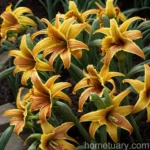
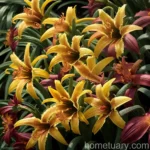
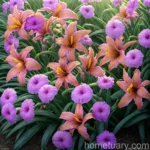
Daylilies are perennial plants that belong to the genus Hemerocallis and are renowned for their graceful, colorful, and trumpet-shaped flowers. The botanical name Hemerocallis is derived from two Greek words, “hemera,” meaning day, and “kalos,” meaning beautiful, emphasizing the exquisite beauty of its flowers that usually last for just one day. However, each stem bears multiple buds, ensuring continuous blooms throughout the flowering season. The ‘Lavender Stardust’ cultivar, in particular, is cherished for its delicate lavender-hued petals accented with a stunning star-shaped pattern at its center, adding an ethereal allure to any garden or landscape.
Daylilies are prized for their versatility and adaptability, thriving in a wide range of climates and soil conditions. The ‘Lavender Stardust’ variety, with its captivating blooms, adds a touch of elegance and sophistication to any outdoor space. Now, let’s delve deeper into the various aspects of Hemerocallis ‘Lavender Stardust’ and how to care for this enchanting plant.
Key Takeaways – Hemerocallis ‘Lavender Stardust’
Before we embark on exploring the detailed aspects of daylily cultivation and maintenance, let’s have a glimpse of the key takeaways regarding the ‘Lavender Stardust’ variety.
- Growth Habit: Perennial with arching, strap-like foliage and tall flower scapes
- Flower Characteristics: Lavender-colored petals with a prominent star-shaped pattern at the center
- Water Needs: Regular watering, particularly during the blooming season
- Sunlight Requirements: Thrives in full sun to partial shade
- Soil Type: Well-draining soil with organic matter
- Fertilization: Balanced fertilizer application during the growing season
- Pruning: Removal of spent flower stems and yellowing foliage
- Propagation: Division of clumps in early spring or early fall
- Common Diseases: Rust, leaf streak, and fungal infections
- Common Pests: Thrips, aphids, and spider mites
- Companion Plants: Pair with ornamental grasses, coneflowers, and catmint for a stunning display
Now that we have a glimpse of the key aspects, let’s delve into each facet in detail to understand the comprehensive care tips and cultivation guidelines for Hemerocallis ‘Lavender Stardust’.
Culture
Uses
- Ornamental Beauty: Hemerocallis ‘Lavender Stardust’ is predominantly used as an ornamental plant to add vibrant colors and exquisite beauty to gardens, landscapes, and flower beds.
- Cut Flowers: The enchanting blooms of ‘Lavender Stardust’ make it a sought-after choice for cut flower arrangements, adding a touch of elegance to floral displays and bouquets.
Water
Daylilies, including the ‘Lavender Stardust’ variety, have moderate water requirements. While they are relatively drought-tolerant once established, consistent watering is crucial, especially during the blooming season. Here are some essential points to consider regarding watering:
- Regular Watering: Ensure the plants receive adequate water, particularly during hot and dry spells, to promote robust flower production and overall plant health.
- Avoid Waterlogging: While daylilies prefer moist soil, they are susceptible to root rot if the soil remains waterlogged, emphasizing the importance of well-draining soil.
Sunlight
Proper sunlight exposure is essential for the healthy growth and prolific blooming of Hemerocallis ‘Lavender Stardust’. Here are the sunlight requirements for this enchanting daylily:
- Full Sun to Partial Shade: Thrives in areas with at least six hours of direct sunlight, although it can tolerate partial shade, particularly in regions with intense afternoon sun.
Fertilizer
Fertilizing daylilies, including the ‘Lavender Stardust’ cultivar, is essential to ensure vibrant blooms and vigorous growth. Here are some vital points to consider regarding fertilization:
- Balanced Fertilizer: Use a balanced, slow-release fertilizer in early spring to nourish the plants as they initiate new growth and prepare for the blooming season.
- Mid-Season Boost: Consider applying a diluted liquid fertilizer during the mid-season to support continuous blooming and overall plant vigor.
Soil
The soil type and quality play a significant role in the health and performance of Hemerocallis ‘Lavender Stardust’. Here are the essential soil requirements for cultivating this captivating daylily:
- Well-Draining Soil: Daylilies thrive in well-draining soil that prevents waterlogging and promotes healthy root development.
- Organic Matter: Incorporating organic matter such as compost or well-rotted manure into the soil enhances its fertility and structure, providing an ideal growing medium for ‘Lavender Stardust’.
Pruning
The proper pruning and maintenance of daylilies, including the ‘Lavender Stardust’ variety, are crucial for promoting continuous blooming and overall plant health. Here are the key points to consider when pruning daylilies:
- Deadheading: Regularly remove spent flower stems to encourage the production of new buds and prolong the blooming period.
- Foliage Pruning: Trim yellowing or damaged foliage to maintain the plant’s aesthetic appeal and reduce the risk of diseases.
Propagation
Propagation is an integral part of maintaining and expanding daylily cultivars such as ‘Lavender Stardust’. Here are the primary methods for propagating this captivating daylily:
- Division: Divide mature clumps of Hemerocallis ‘Lavender Stardust’ in early spring or early fall to create new plants and rejuvenate existing ones.
- Offshoots: Propagate new plants from the offshoots or “fans” that develop around the base of mature daylilies, ensuring the genetic continuity of the ‘Lavender Stardust’ cultivar.
Container Popularity
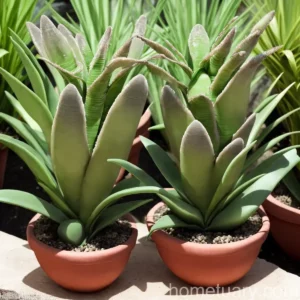
While daylilies are commonly grown in garden beds and landscapes, they can also thrive in containers, providing a versatile and vibrant addition to patios, balconies, and outdoor living spaces. Here are some reasons for the popularity of container-grown daylilies:
- Space Utilization: Ideal for gardeners with limited space, container-grown daylilies offer the opportunity to enjoy their beauty and elegance in a confined area.
- Decorative Accent: ‘Lavender Stardust’ and other daylily varieties serve as striking and low-maintenance ornamental features in containers, enriching the visual appeal of outdoor settings.
Common Diseases
Disease Diagnosis
Despite their overall resilience, daylilies, including the ‘Lavender Stardust’ variety, can be susceptible to certain diseases. Here are some common diseases and their symptoms for accurate diagnosis and targeted management:
- Rust: Identified by the presence of orange or rusty-colored lesions on the foliage, often leading to weakened plants and reduced vigor.
- Leaf Streak: Manifests as long, narrow streaks or lesions on the leaves, impacting the plant’s photosynthetic capacity and overall health.
- Fungal Infections: Symptoms include discolored or distorted foliage, abnormal growth patterns, and a general decline in plant vitality.
Common Pests
Botanist’s Tips
In addition to diseases, daylilies, including the ‘Lavender Stardust’ cultivar, can face challenges from various pests. Here are some botanical insights and tips for effectively managing common pests:
- Thrips: These tiny, slender insects can cause stippling or discoloration of the foliage, and controlling their populations is crucial to prevent extensive damage to daylilies.
- Aphids: Aphid infestations can lead to distorted growth, yellowing of foliage, and a decline in plant vigor, warranting prompt intervention to safeguard the ‘Lavender Stardust’ plants.
- Spider Mites: These arachnids can cause stippling, webbing, and overall decline in plant health, particularly in dry and warm conditions, necessitating timely pest control measures.
Fun Facts
No exploration of a captivating plant like Hemerocallis ‘Lavender Stardust’ is complete without an assortment of intriguing and delightful fun facts. Let’s unravel some fascinating tidbits about this enchanting daylily cultivar:
- Hemerocallis Origins: The genus name Hemerocallis is rooted in Greek mythology, derived from the words “hemera” (day) and “kallos” (beauty), symbolizing the ephemeral yet exquisite beauty of its blooms.
- Hybridization Legacy: ‘Lavender Stardust’ is the result of meticulous breeding and hybridization efforts, combining specific traits and characteristics to produce its distinctive lavender-colored flowers with a mesmerizing star-shaped pattern.
Now that we have delved into the cultural aspects, let’s explore the specific characteristics and features of Hemerocallis ‘Lavender Stardust’ in more detail, including its physical characteristics, growing habits, and landscape applications.
Hemerocallis ‘Lavender Stardust’ Characteristics
Blooms
The blooms of Hemerocallis ‘Lavender Stardust’ are the highlight of this enchanting cultivar, captivating the beholder with their distinct features and ethereal beauty. Here are the primary characteristics of the blooms:
- Lavender Hue: The petals exhibit a soft and alluring lavender color, creating a soothing and captivating visual impact.
- Star-Shaped Pattern: The center of each flower showcases a mesmerizing star-shaped pattern, adding a unique and enchanting quality to the blooms.
- Bloom Duration: While individual flowers last for just one day, ‘Lavender Stardust’ produces an abundance of buds, ensuring continuous blooming over an extended period.
Foliage
In addition to its captivating blooms, the foliage of Hemerocallis ‘Lavender Stardust’ contributes to its overall appeal and ornamental value. Here are the characteristics of its foliage:
- Arching Form: The foliage exhibits an arching and graceful form, adding texture and visual interest to the plant’s overall appearance.
- Grass-Like Texture: The strap-like leaves of ‘Lavender Stardust’ have a grass-like texture, creating a lush and verdant backdrop for the enchanting blooms.
Growth Habit
Understanding the growth habit and overall form of Hemerocallis ‘Lavender Stardust’ is essential for effectively integrating it into garden designs and landscape compositions. Here are some key aspects of its growth habit:
- Tall Scapes: The flower scapes of ‘Lavender Stardust’ exhibit an upright and tall growth habit, allowing the blooms to rise above the foliage and prominently display their captivating colors and patterns.
- Clump-Forming: This daylily cultivar forms dense clumps over time, making it an ideal choice for creating impactful focal points in garden beds and borders.
Fragrance
While daylilies are not typically known for strong fragrances, some cultivars, including Hemerocallis ‘Lavender Stardust’, may exhibit subtle, sweet, or citrus-like scents, adding an extra dimension to their overall allure.
Color
The captivating coloration of Hemerocallis ‘Lavender Stardust’ plays a pivotal role in its ornamental value and visual impact. Here are the essential color-related characteristics of this enchanting daylily variety:
- Lavender Tones: The predominant coloration of the petals showcases soft and delicate lavender tones, instilling a sense of tranquility and serenity in garden settings.
- Contrasting Patterns: The star-shaped pattern at the center of the blooms presents a striking and contrasting visual element, enhancing the overall beauty of ‘Lavender Stardust’.
Companion Plants
Pairing Hemerocallis ‘Lavender Stardust’ with suitable companion plants can elevate its visual impact and contribute to a harmonious garden or landscape design. Here are some ideal companion plants to consider:
- Ornamental Grasses: The graceful and textural allure of ornamental grasses, such as fountain grass (Pennisetum), accentuates the elegant form and abundant blooms of ‘Lavender Stardust’.
- Coneflowers: Echinacea purpurea and other coneflower varieties complement the lavender hues of ‘Lavender Stardust’, creating a cohesive and vibrant color scheme in garden borders and beds.
- Catmint (Nepeta): The soft, spiky blooms and aromatic foliage of catmint serve as a delightful and compatible partner for ‘Lavender Stardust’, enhancing the overall aesthetic appeal of the planting area.
Hemerocallis ‘Lavender Stardust’ Care
In this section, we will delve into the detailed care guidelines for Hemerocallis ‘Lavender Stardust’, encompassing various aspects such as planting, watering, fertilization, and seasonal maintenance. Understanding these care tips is essential for nurturing healthy, robust, and blooming ‘Lavender Stardust’ plants.
Water Needs
One of the essential factors for ensuring the health and vitality of Hemerocallis ‘Lavender Stardust’ is providing appropriate water. Here are the specific watering guidelines for this enchanting daylily cultivar:
- Regular Watering: Maintain consistent soil moisture during the growing season, ensuring that the plants receive at least one inch of water per week, either through rainfall or supplemental irrigation.
- Deep Watering: Apply water directly to the soil around the plants, encouraging deep root development and overall drought tolerance. Avoid overhead watering, particularly in humid conditions, to minimize the risk of foliar diseases.
Sunlight Requirements
Proper sunlight exposure is crucial for the robust growth and prolific blooming of Hemerocallis ‘Lavender Stardust’. Here are the key points to consider regarding sunlight requirements:
- Full Sun: Position ‘Lavender Stardust’ in locations receiving at least six hours of direct sunlight daily to promote abundant blooming and vibrant flower coloration.
- Partial Shade: In regions with intense afternoon sun or during particularly hot periods, partial shade can help protect the plants from excessive heat stress, particularly in the midday hours.
Fertilizer
Applying the right type and quantity of fertilizer is essential for maintaining the vigor and blooming capacity of Hemerocallis ‘Lavender Stardust’. Here are the specific fertilizer guidelines for this captivating daylily cultivar:
- Balanced Fertilizer: Use a granular, balanced fertilizer with an N-P-K ratio of 10-10-10 or similar formulation, applying it at the beginning of the growing season to support healthy foliage and robust flower production.
- Side-Dressing: Consider side-dressing the plants with a slow-release fertilizer or well-rotted compost during the mid-season to provide additional nourishment for continuous blooming and vigorous growth.
Soil Requirements
The soil type and quality significantly influence the overall health and performance of Hemerocallis ‘Lavender Stardust’. Here are the key aspects of soil requirements for this captivating daylily variety:
- Well-Draining Soil: ‘Lavender Stardust’ thrives in well-draining soil that prevents waterlogging and promotes optimal root health. If the existing soil is heavy or compacted, amending it with organic matter such as compost or peat moss improves its structure and drainage.
- pH Range: Daylilies generally prefer slightly acidic to neutral soil with a pH range of 6.0 to 7.0. Conducting a soil test and adjusting the pH if necessary ensures an ideal growing environment for ‘Lavender Stardust’ plants.
Pruning Tips
Proper pruning is essential for maintaining the aesthetic appeal and blooming prowess of Hemerocallis ‘Lavender Stardust’. Here are the essential pruning tips for this enchanting daylily cultivar:
- Deadheading: Regularly remove spent flower stems to promote continuous blooming and prevent seed formation, directing the plant’s energy towards producing new buds and blooms.
- Foliage Maintenance: Trim yellowing or damaged foliage throughout the growing season to maintain a tidy and healthy appearance, reducing the risk of diseases and pest infestations.
Watering Techniques
Effective watering techniques are pivotal for ensuring the health and vitality of Hemerocallis ‘Lavender Stardust’, particularly during the growing season and blooming period. Here are the key watering techniques and considerations:
- Soil Moisture Monitoring: Regularly check the moisture levels in the soil, particularly during hot and dry periods, to ensure that the plants receive adequate water without becoming waterlogged.
- Morning Watering: Water the plants in the morning to allow excess moisture on the foliage to evaporate during the day, reducing the risk of foliar diseases, particularly in humid environments.
Pruning Techniques
Mastering the art of pruning is essential for maximizing the blooming potential and overall aesthetic appeal of Hemerocallis ‘Lavender Stardust’. Here are some specific pruning techniques and considerations for this captivating daylily variety:
- Secateurs Use: When deadheading or removing spent flower stems, use sharp and clean secateurs to make precise cuts, preventing damage to the remaining foliage and encouraging healthy regrowth.
- Sanitization: Disinfect pruning tools with a solution of 70% isopropyl alcohol or a 10% bleach solution between each cut or when moving between plants to prevent the spread of diseases.
Hemerocallis ‘Lavender Stardust’ Disease Resistance
The robustness and disease resistance of Hemerocallis ‘Lavender Stardust’ contribute to its overall appeal and ease of maintenance in garden settings. Here are some disease resistance measures and aspects to consider for this captivating daylily cultivar:
Disease Resistance Measures
Implementing proactive measures to enhance the disease resistance of ‘Lavender Stardust’ contributes to the plants’ overall health and longevity. Here are some specific disease resistance measures to consider:
- Adequate Air Circulation: Provide ample spacing between ‘Lavender Stardust’ plants to promote air circulation, minimizing the risk of foliar diseases such as rust or leaf spot, particularly in humid environments.
- Proper Watering: Avoid overhead watering to minimize moisture on the foliage, reducing the susceptibility of daylilies to fungal infections and foliar diseases.
Common Diseases
While Hemerocallis ‘Lavender Stardust’ exhibits robustness and overall disease resistance, it is essential to be aware of potential diseases that may affect the plants. Here are some common diseases and their management approaches:
- Rust: Rust is a fungal disease characterized by the presence of orange to rusty-colored spots on the foliage, and managing it involves promoting proper air circulation, avoiding overhead watering, and, if necessary, applying fungicidal treatments.
- **Leaf