Daylily (Hemerocallis ‘Gentle Shepherd’): A Complete Guide
Introduction
As a plant scientist with a passion for daylilies, I am eager to provide you with an in-depth exploration of the fascinating and versatile daylily cultivar known as ‘Gentle Shepherd’ (Hemerocallis ‘Gentle Shepherd’). In this comprehensive guide, we will delve into various aspects of this beautiful plant, including its culture, uses, care requirements, propagation, common diseases, and much more. Whether you are a seasoned gardener or a novice enthusiast, this article aims to equip you with the knowledge and insights needed to cultivate and appreciate this stunning daylily variety.
What is a Daylily?
Overview
The daylily, scientifically known as Hemerocallis, is a genus of flowering plants in the family Asphodelaceae (formerly part of Liliaceae). These perennial plants are prized for their dazzling, trumpet-shaped flowers that bloom in a wide array of colors, ranging from vibrant oranges and reds to soft pastels and creamy whites. One of the most appealing aspects of daylilies is their remarkable adaptability, making them suitable for various climatic conditions and soil types.
Hemerocallis ‘Gentle Shepherd’
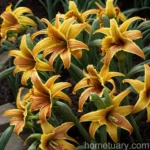
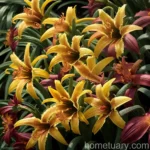
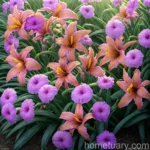
The ‘Gentle Shepherd’ daylily, a captivating cultivar of Hemerocallis, is renowned for its ethereal beauty and graceful presence in the garden. With its delicate, creamy-white blossoms and vigorous growth habits, ‘Gentle Shepherd’ has become a beloved choice for many gardening enthusiasts seeking to add a touch of elegance to their landscapes.
Key Takeaways – Daylily (Hemerocallis ‘Gentle Shepherd’)
Before we delve into the specifics of daylily care and cultivation, let’s explore the key takeaways that highlight the distinctive features and characteristics of Hemerocallis ‘Gentle Shepherd’:
- Stunning creamy-white blossoms
- Vigorous growth habits
- Adaptability to various soil and climate conditions
- Perennial nature, offering long-lasting beauty in gardens
- Suitable for landscaping and container gardening
- Low maintenance requirements
- Potential for propagation and hybridization
Now that we have established a foundational understanding of the ‘Gentle Shepherd’ daylily, let’s embark on a detailed exploration of its culture, uses, and care requirements.
Culture
Water
Proper watering is essential for the health and vitality of daylilies, including the ‘Gentle Shepherd’ variety. These plants thrive in well-drained soil and benefit from consistent moisture levels, particularly during their active growth periods.
- Watering Frequency: During the growing season, aim to water daylilies regularly, ensuring that the soil remains evenly moist but not waterlogged.
- Established Plants: Once established, daylilies, including ‘Gentle Shepherd’, exhibit good drought tolerance, but occasional deep watering during dry spells can promote robust flowering.
Sunlight
Daylilies are known for their ability to thrive in a range of light conditions, making them versatile additions to diverse garden settings. When it comes to sunlight requirements for the ‘Gentle Shepherd’ cultivar, here are some essential considerations:
- Full Sun: While daylilies can tolerate partial shade, they typically perform best when provided with at least 6 hours of direct sunlight each day.
- Heat Tolerance: ‘Gentle Shepherd’ exhibits excellent heat tolerance, making it suitable for sunny locations in the landscape.
Soil
The soil composition plays a crucial role in the overall health and performance of daylilies. ‘Gentle Shepherd’ and other Hemerocallis varieties thrive in well-drained, fertile soil with a slightly acidic to neutral pH range.
- Loamy Soil: Soil high in organic matter and loamy in texture is ideal for daylilies, promoting healthy root development and robust growth.
- Soil Preparation: Incorporating compost or aged manure into the soil before planting can enhance its fertility and structure, providing an optimal environment for daylily growth.
Uses
Landscaping
One of the primary uses of Hemerocallis ‘Gentle Shepherd’ is in landscaping, where its alluring blooms and adaptable growth habits can contribute to a multitude of garden design concepts and themes.
- Accent Plants: ‘Gentle Shepherd’ daylilies serve as charming accent plants for borders, walkways, and garden beds, adding a touch of elegance to the landscape.
- Mass Planting: When planted en masse, the creamy-white blossoms of ‘Gentle Shepherd’ create a striking visual impact, especially when juxtaposed with lush green foliage and other complementary flower colors.
Container Gardening
In addition to traditional garden settings, ‘Gentle Shepherd’ daylilies can be cultivated in containers, offering flexibility and versatility in various outdoor and indoor spaces.
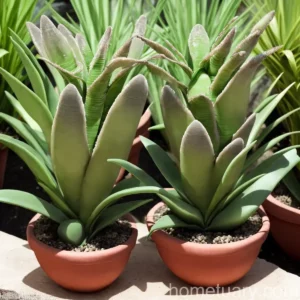
- Patio Displays: Potted ‘Gentle Shepherd’ plants make enchanting additions to patio and balcony settings, bringing the beauty of daylilies to smaller or urban environments.
- Seasonal Arrangements: Incorporating ‘Gentle Shepherd’ into seasonal container displays allows for creative expression and dynamic visual interest, particularly when combined with contrasting plant selections.
Fertilizer
Proper fertilization is vital for promoting vigorous growth and abundant flowering in daylilies like ‘Gentle Shepherd’. When selecting fertilizers for Hemerocallis, it is important to consider their nutritional requirements and the timing of application.
- Balanced Fertilizers: Using a balanced, all-purpose fertilizer with a formulation such as 10-10-10 or 5-10-10 can provide the essential nutrients necessary for robust daylily growth and blooming.
- Application Timing: Apply fertilizer in early spring as new growth emerges, followed by supplemental feedings during the growing season to support continuous flower production.
Pruning
Pruning or deadheading daylilies is a simple yet impactful practice that encourages prolonged blooming and maintains the aesthetic appeal of the plants, including ‘Gentle Shepherd’.
- Spent Bloom Removal: Regularly removing spent blooms from ‘Gentle Shepherd’ daylilies prevents seed development and redirects the plant’s energy into producing new flower buds, extending the blooming period.
- Foliage Maintenance: Trimming back discolored or damaged foliage maintains the overall health and appearance of daylilies, promoting a tidy and vibrant garden display.
Propagation
The ability to propagate daylilies, including ‘Gentle Shepherd’, offers an exciting opportunity for gardeners to expand their plant collection and share these beautiful flowers with others. Several methods are commonly used for daylily propagation, including:
- Division: During the early spring or fall, mature clumps of ‘Gentle Shepherd’ daylilies can be carefully divided into smaller segments, each with a portion of the rhizome and attached foliage.
- Seed Propagation: Growing daylilies from seeds allows for the potential development of new cultivars, offering a creative outlet for hybridization and breeding projects.
Popularity
The ‘Gentle Shepherd’ daylily has garnered widespread popularity among gardening enthusiasts and horticultural professionals, thanks to its enchanting blooms and reliability in various garden settings. This cultivar has earned a strong reputation for its:
- Aesthetic Appeal: The creamy-white flowers of ‘Gentle Shepherd’ exude an elegant charm, making them an appealing choice for gardens seeking a serene and sophisticated floral display.
- Adaptability: ‘Gentle Shepherd’ demonstrates resilience and adaptability in diverse environmental conditions, further enhancing its appeal to a broad audience of gardeners.
Common Diseases
While daylilies are generally low-maintenance and disease-resistant plants, they can occasionally be affected by certain fungal or bacterial issues. Common daylily diseases include:
- Leaf Streak: Caused by the fungus Aureobasidium microstictum, leaf streak presents as elongated brown lesions on the foliage, potentially leading to reduced plant vigor and blooming.
- Crown Rot: Excessive moisture or poor drainage can contribute to crown rot infections, characterized by the progressive decay of the plant’s crown and root system.
- Rust: Rust fungi such as Puccinia hemerocallidis can cause orange to reddish-brown pustules on daylily leaves, impacting overall plant health and aesthetics.
Disease Diagnosis
Diagnosing and addressing daylily diseases promptly is essential for preventing widespread issues and minimizing the impact on plant health. When observing potential disease symptoms, consider the following diagnostic steps:
- Visual Inspection: Carefully examine the leaves, stems, and flowers of ‘Gentle Shepherd’ and other daylilies for any abnormalities, discoloration, or visible signs of fungal or bacterial growth.
- Professional Consultation: In cases of uncertainty or severe outbreaks, consulting with a plant disease specialist or horticultural professional can provide valuable insights and treatment recommendations.
Common Pests
Daylilies are relatively resilient to pest infestations, but certain insects may occasionally pose challenges to their overall health and vigor. Common pests that can affect daylilies, including ‘Gentle Shepherd’, may include:
- Aphids: These small, soft-bodied insects can congregate on the undersides of daylily leaves, sucking sap from the plant and potentially causing leaf distortion and reduced vigor.
- Thrips: Thrips are tiny, slender insects that may cause stippling or silvering of daylily leaves, often leading to aesthetic damage and reduced photosynthetic efficiency.
- Spider Mites: Spider mite infestations can cause visible webbing on daylily foliage, in addition to stippling and discoloration, compromising the plant’s overall vitality.
Pest Control
Implementing integrated pest management (IPM) strategies and maintaining overall plant health are key components of effective pest control for daylilies like ‘Gentle Shepherd’. Consider the following approaches:
- Cultural Practices: Encouraging natural predators, maintaining plant hygiene, and providing optimal growing conditions can reduce pest pressures on daylilies.
- Selective Treatment: If necessary, targeted treatments with horticultural oils, insecticidal soaps, or botanical insecticides can help manage pest populations while minimizing environmental impact.
Botanist’s Tips
Enhancing Daylily Displays
When cultivating Hemerocallis ‘Gentle Shepherd’ and other daylily varieties, consider the following tips to enhance their overall appeal in garden settings:
- Companion Planting: Pairing ‘Gentle Shepherd’ with complementary perennials, ornamental grasses, or flowering shrubs can create visually captivating and harmonious garden compositions.
- Color Contrast: Introducing vibrant foliage plants or bold-colored flowers near ‘Gentle Shepherd’ can accentuate its creamy-white blooms and create dynamic visual interest.
Seasonal Maintenance
Proper seasonal care and maintenance contribute to the long-term health and vigor of daylilies, ensuring their continued beauty and performance throughout the year.
- Spring Cleanup: Removing debris, dead foliage, and any overwintering pests sets the stage for healthy new growth and abundant flowering in ‘Gentle Shepherd’ and other daylilies.
- Fall Preparation: Mulching around ‘Gentle Shepherd’ plants and performing necessary division or transplanting tasks in the fall prepares them for winter dormancy and future growth.
Fun Facts
Daylily Diversity
The genus Hemerocallis encompasses a remarkable diversity of daylily species and cultivars, offering a vast palette of colors, patterns, and forms for gardening enthusiasts to explore.
- Bloom Variation: Daylily flowers can exhibit an array of sizes, shapes, and petal arrangements, ranging from petite, star-shaped blooms to large, ruffled blossoms.
- Historical Significance: Daylilies have been cultivated for centuries and have acquired symbolic and ornamental importance in various cultures, reflecting the enduring appeal of these captivating plants.
Links to External Resources
As you continue to embrace the world of daylilies and delve deeper into the cultivation and care of ‘Gentle Shepherd’ and other Hemerocallis varieties, I encourage you to explore the following resources for additional insights and information:
- American Hemerocallis Society (AHS): The official website of the AHS provides a wealth of resources, including educational articles, cultivation guides, and a comprehensive daylily database.
- University Extension Publications: Many reputable university extension programs offer valuable publications and fact sheets on daylily cultivation, pest management, and disease prevention.
- Specialized Nurseries and Gardens: Engaging with local nurseries, botanical gardens, and daylily enthusiasts can provide firsthand knowledge, access to diverse cultivars, and practical tips for successful daylily gardening.
Conclusion
In conclusion, Hemerocallis ‘Gentle Shepherd’ stands as a captivating and versatile addition to the world of daylilies, captivating gardeners with its graceful presence and ethereal blooms. By embracing the guidance and insights shared in this comprehensive guide, you can embark on a rewarding journey of cultivating, appreciating, and potentially expanding the beauty of ‘Gentle Shepherd’ and other daylily cultivars in your own garden and landscape. As you witness the timeless allure and enduring charm of these remarkable plants, may your gardening experiences be enriched and your floral displays be filled with the splendor of Hemerocallis.
Keywords: Daylily care, Gentle Shepherd daylily, Hemerocallis Gentle Shepherd, Daylily varieties, Hemerocallis flowers, Perennial daylilies, Daylily garden, Daylily landscaping, Hemerocallis plant, Daylily cultivation, Hemerocallis hybrid, Daylily characteristics, Gentle Shepherd cultivar, Daylily maintenance, Hemerocallis species, Daylily propagation, Gentle Shepherd daylily care, Hemerocallis garden, Daylily gardening tips, Characteristics of Hemerocallis, Gentle Shepherd daylily variety, Daylily planting guide, Hemerocallis foliage, Daylily flower care, Gentle Shepherd daylily maintenance, Hemerocallis growing conditions, Daylily landscape design, Hemerocallis perennial plant, Daylily hybridization, Gentle Shepherd daylily characteristics, Hemerocallis flower varieties, Daylily water requirements, Hemerocallis winter care, Daylily soil preferences, Gentle Shepherd daylily propagation, Hemerocallis hardiness, Daylily sun exposure, Hemerocallis blooming season, Daylily pest control, Gentle Shepherd daylily landscape design, Hemerocallis container gardening, Daylily companion plants, Hemerocallis flower anatomy, Daylily pruning techniques, Gentle Shepherd daylily growing tips, Hemerocallis leaf structure, Daylily fertilizing methods, Hemerocallis flower colors, Daylily division process, Gentle Shepherd daylily foliage
References:
1. American Hemerocallis Society (AHS). Retrieved from https://www.daylilies.org/
2. University Extension Publications.
3. Horticultural Science, North Carolina State University.
4. Ontario Ministry of Agriculture, Food and Rural Affairs.
5. The Royal Horticultural Society (RHS). Retrieved from https://www.rhs.org.uk/
6. American Phytopathological Society (APS).