Viper’s Bugloss (Echium Vulgare)
Viper’s bugloss, scientifically known as Echium vulgare, is a striking plant characterized by its vibrant blue to purple flowers and bristly leaves. This.
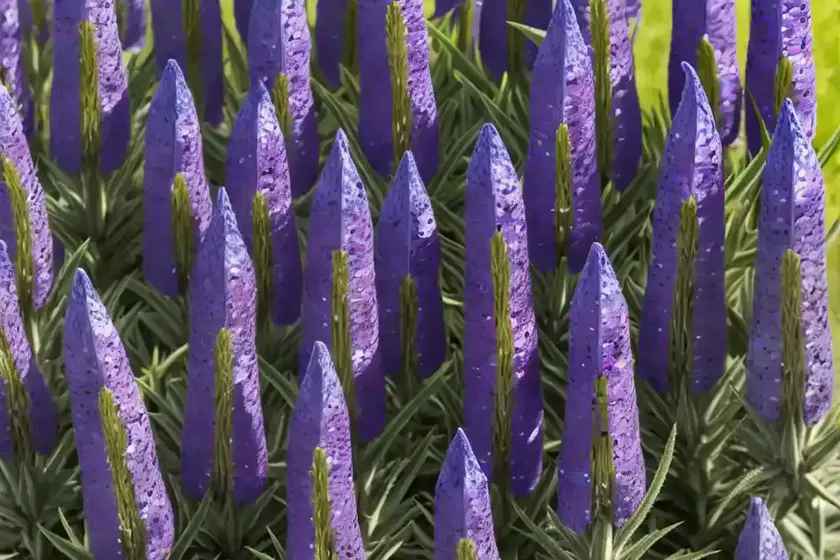
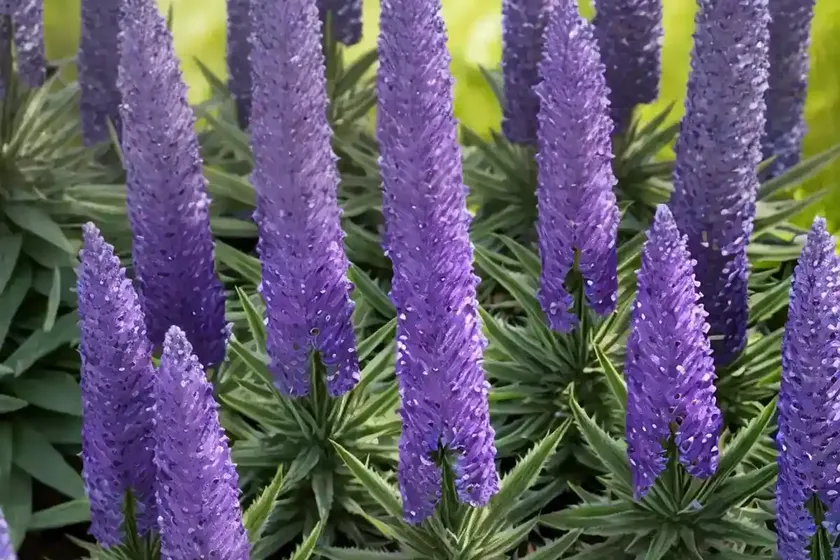
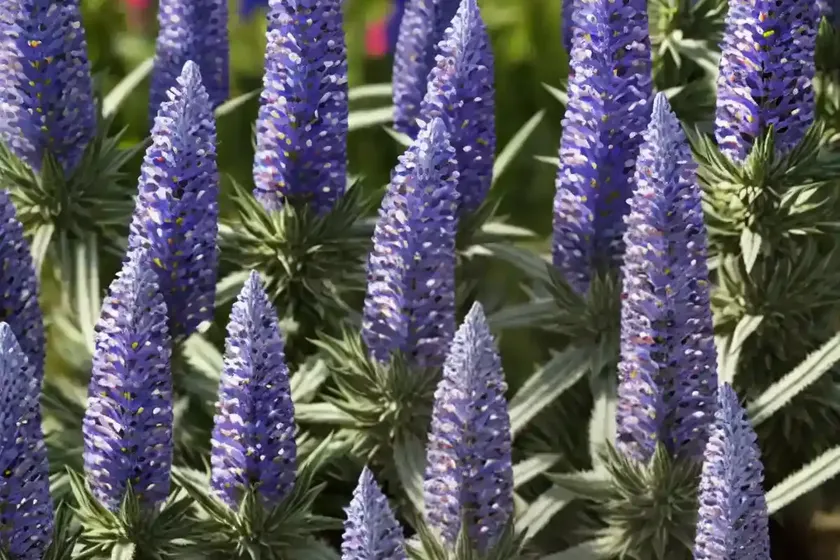
Viper’s bugloss, scientifically known as Echium vulgare, is a striking plant characterized by its vibrant blue to purple flowers and bristly leaves. This wildflower is not only visually appealing but also holds cultural, ecological, and medicinal significance. In this comprehensive guide, we will delve into the various aspects of viper’s bugloss, including its culture, uses, care requirements, and much more.
What is Viper’s Bugloss (Echium vulgare)?
Viper’s bugloss, a member of the Boraginaceae family, is a biennial or perennial plant native to Europe, western Asia, and northern Africa. It has naturalized in various parts of the world, including North America and Australia, where it is often seen along roadsides, in meadows, and other open habitats.
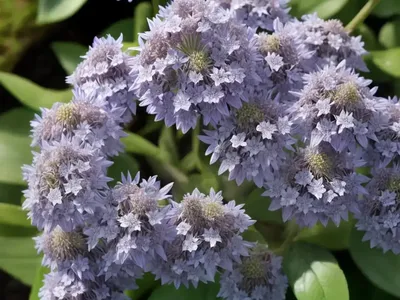
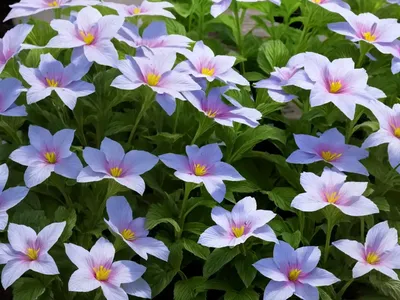
This plant is characterized by its dense clusters of vibrant, funnel-shaped flowers that emerge from coiled spikes. The flowers start as a pinkish color before transitioning to a beautiful shade of blue or purple. Viper’s bugloss can grow to a height of 60-120 cm, adding a stunning vertical element to its surroundings.
Key Takeaways – Viper’s Bugloss (Echium vulgare)
Before we delve deeper into the specifics of viper’s bugloss, here are some key takeaways about this remarkable plant:
- Common Name: Viper’s Bugloss
- Scientific Name: Echium vulgare
- Flowering Period: Late spring to early fall
- Habitat: Open, sunny areas, including meadows, roadsides, and disturbed sites
- Ecological Importance: Valuable nectar source for pollinators and wildlife-friendly plant
- Cultural Significance: Folklore beliefs and traditional uses
- Medicinal Properties: Historically used for various ailments
- Gardening Uses: Ornamental value, landscaping, and wildlife gardening
Now, let’s explore the various aspects of viper’s bugloss in more detail, covering its culture, uses, care requirements, and ecological significance.
Culture
Cultivating viper’s bugloss can be a rewarding experience, whether in a garden setting or within the context of ecological restoration efforts. Understanding the plant’s cultural requirements is crucial for its successful growth and development.
Water
Viper’s bugloss is known for its drought tolerance once established. While it can withstand dry conditions, providing moderate water during prolonged periods of drought can help maintain its vigor and promote flowering. However, it is essential to avoid overwatering, as this can lead to root rot and other water-related issues.
Sunlight
This plant thrives in full sun, displaying its best growth and flowering performance when exposed to at least 6-8 hours of direct sunlight per day. Insufficient sunlight may result in leggy growth and reduced flowering.
Fertilizer
Viper’s bugloss generally thrives in nutrient-poor soils, so minimal fertilization is needed. Excessive application of fertilizers, particularly those high in nitrogen, can lead to lush foliage growth at the expense of flowers. However, if the soil is extremely depleted, a balanced, slow-release fertilizer can be applied in early spring to support the plant’s initial growth.
Soil
The plant prefers well-drained, alkaline to neutral soils with a sandy or loamy texture. It can tolerate poor soils, including those with low fertility and gravelly compositions, making it well-suited for naturalistic or xeriscaped gardens.
Pruning
The natural form of viper’s bugloss often lends itself well to informal and wild garden settings. Minimal pruning is typically required, mainly to remove spent flower spikes or to shape the plant for aesthetic purposes. Pruning can be performed in late fall or early spring, and the plant can rejuvenate itself with new growth in the following season.
Propagation
Viper’s bugloss can be propagated by seeds or division, with seed propagation being the most common approach for gardeners and restoration practitioners. Collecting ripe seeds from the plant’s dried flower spikes and sowing them in the desired location in the fall can yield new plants in the following spring. Division of mature clumps can also be undertaken in early spring to increase the plant population.
Container Popularity
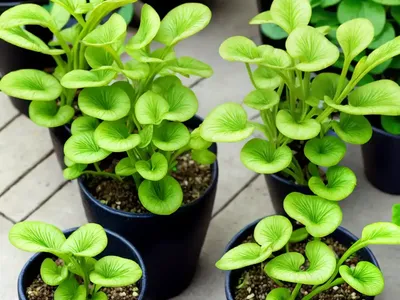
While viper’s bugloss is more commonly seen in naturalistic or larger garden settings, it can also be grown in containers, particularly for those who appreciate its striking blooms and want to bring them closer to home. When growing in containers, providing adequate room for root development and ensuring sufficient sunlight and well-drained soil are crucial for success.
Common Diseases and Pests
Despite its overall resilience, viper’s bugloss may be susceptible to certain diseases and pests. Understanding these potential issues can help in proactive management and maintenance of the plant.
Disease Diagnosis
Common diseases that may affect viper’s bugloss include powdery mildew, rust, and root rots. Regular monitoring for signs of leaf discoloration, fungal growth, or wilting can aid in early detection and appropriate treatment, which may involve cultural practices or targeted fungicidal applications.
Common Pests
Pests such as aphids, spider mites, and caterpillars may occasionally feed on viper’s bugloss, causing damage to the foliage or flower buds. Physical removal of pests, the use of insecticidal soaps, or the introduction of natural predators can help manage pest populations without resorting to broad-spectrum insecticides.
Botanist’s Tips
To ensure the successful cultivation and enjoyment of viper’s bugloss, here are some expert tips from botanists and horticulturalists:
- Monitor soil moisture levels to prevent waterlogging, especially in heavy or poorly-drained soils.
- Provide a supportive framework or staking for taller varieties to prevent the stems from bending or breaking in windy conditions.
- Embrace viper’s bugloss as part of wildlife-friendly garden designs, considering its nectar-rich flowers and value to pollinators.
Fun Facts
Dive into the intriguing world of viper’s bugloss with these fascinating fun facts:
- The name “viper’s bugloss” is derived from the belief that the plant’s seeds resemble a viper’s head, and its use in herbal medicine was associated with treating snake bites.
- Viper’s bugloss is an excellent source of nectar for various pollinators, especially bees, making it a valuable addition to wildlife gardens and naturalistic landscapes.
- The plant’s blooms undergo a color transition from pink to blue or purple as they mature, creating a visually dynamic display within the garden.
Links to External Resources
To further expand your knowledge and appreciation of viper’s bugloss, explore the following external resources:
- Royal Horticultural Society – Viper’s Bugloss
- USDA Plants Database – Echium vulgare
- Missouri Botanical Garden – Echium vulgare
- Wildflower Center – Echium vulgare
In conclusion, viper’s bugloss (Echium vulgare) stands out as a versatile and visually captivating plant with numerous cultural, ecological, and horticultural attributes. Whether incorporated into naturalistic landscapes, wildlife-friendly gardens, or container displays, this wildflower offers an array of benefits and a touch of enchantment to its surroundings. Embracing the unique characteristics and qualities of viper’s bugloss can enrich our understanding of wild plants and the interconnectedness of nature.
By cultivating and appreciating plants such as viper’s bugloss, we uphold the significance of biodiversity and the intrinsic value of native flora in our landscapes and ecosystems. As we continue to explore the wonders of the botanical world, let us celebrate the beauty and functionality of plants like viper’s bugloss, and the myriad ways in which they enrich our lives.