Daylily (Hemerocallis ‘Black Stockings’): The Ultimate Plant Care Guide
When it comes to adding an array of colors to your garden, daylilies are a popular choice. One particularly striking variety is the Hemerocallis ‘Black Stockings.’ In this comprehensive plant care guide, we will delve into the key aspects of caring for this unique daylily variety. From its culture and uses to water and sunlight requirements, fertilizer needs, common diseases, and pest control, we will cover it all. Let’s explore the world of daylilies and specifically focus on the Hemerocallis ‘Black Stockings’ to understand how to best care for these beautiful plants.

What is a Daylily?
Before we dive into the specifics of the Hemerocallis ‘Black Stockings’, it’s essential to understand the broader characteristics of daylilies. Daylilies, a part of the Hemerocallis genus, are known for their striking blooms, which typically last for only a day – hence the name “daylily.”
Key Takeaways
Before we delve into the care details of Hemerocallis ‘Black Stockings’, let’s highlight some key takeaways about daylilies in general:
- Scientific Name: Hemerocallis
- Common Name: Daylily
- Bloom Duration: Typically blooms for a day, but multiple blooms on a single stem
- Foliage Type: Herbaceous perennial
- Bloom Colors: Range from vibrant yellows, oranges, reds, and pinks to subdued pastel shades
- Adaptability: Thrives in various climates and soil conditions
- Low Maintenance: Generally easy to care for, making them popular among gardeners
Now that we have a general understanding of daylilies, let’s focus our attention on the Hemerocallis ‘Black Stockings’ and explore the nuances of caring for this specific variety.
Daylily (Hemerocallis ‘Black Stockings’)
Hemerocallis ‘Black Stockings’ is a unique and captivating daylily variety known for its deep and rich coloration. From its culture and uses to the ideal growing conditions, let’s explore the specifics of caring for this stunning plant.
Culture
The culture of Hemerocallis ‘Black Stockings’ encompasses its overall growth habits, blooming characteristics, and environmental preferences. Understanding its culture is vital for creating an ideal growing environment for this variety.
Growth Habits
-
Herbaceous Perennial: Hemerocallis ‘Black Stockings’ falls into the category of herbaceous perennials. This means that it dies back to the ground at the end of the growing season and regrows from the same roots the following season.
-
Clumping Nature: Like many daylilies, ‘Black Stockings’ tends to form clumps over time, giving it a more substantial presence in the garden.
Bloom Characteristics
-
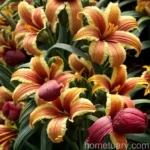
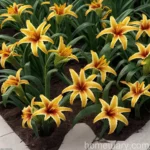
Rich Coloration: One of the defining features of ‘Black Stockings’ is its deep and velvety dark red blooms, which contrast beautifully with its green foliage.
-
Flower Longevity: Each bloom typically lasts for a day, but the plant produces multiple blooms on each stem, resulting in an extended blooming period.
Environmental Preferences
- Hardiness Zone: Hemerocallis ‘Black Stockings’ thrives in hardiness zones 3 to 9, making it adaptable to a wide range of climates.
These cultural insights provide a solid foundation for understanding the growth patterns and blooming attributes of Hemerocallis ‘Black Stockings.’
Uses
In addition to their ornamental value, daylilies, including the ‘Black Stockings’ variety, have various uses in the gardening and landscaping context.
Ornamental Beauty
-
Garden Borders: ‘Black Stockings’ can be used to create striking borders due to its vibrant blooms and clumping nature.
-
Landscaping Focal Points: The rich color of its blooms makes ‘Black Stockings’ an ideal choice for creating visual focal points in garden landscapes.
Cut Flowers
- Floral Arrangements: The blooms of Hemerocallis ‘Black Stockings’ can be used in cut flower arrangements to bring their striking color indoors.
These uses highlight the aesthetic and practical contributions of ‘Black Stockings’ in both garden and floral settings.
Water
Watering practices are crucial for the health and vitality of Hemerocallis ‘Black Stockings.’ Understanding its water needs is essential to prevent overwatering or underwatering, both of which can adversely affect its growth.
Water Needs
-
Moderate Moisture: ‘Black Stockings’ thrives in moderately moist soil conditions. It’s essential to provide consistent moisture, especially during the active growing season and blooming period.
-
Well-Draining Soil: Ensuring that the soil allows for proper drainage is vital to prevent waterlogging, which can lead to root rot.
By maintaining appropriate watering practices, gardeners can support healthy growth and prolific blooming in ‘Black Stockings’ daylilies.
Sunlight
Sunlight is a primary factor influencing the growth and blooming characteristics of daylilies, including the Hemerocallis ‘Black Stockings.’ Understanding its sunlight requirements is essential for optimizing its performance.
Sun Exposure
-
Full Sun to Part Shade: ‘Black Stockings’ thrives in full sun to partial shade. When provided with ample sunlight, it tends to produce more prolific blooms.
-
Ideal Placement: Planting ‘Black Stockings’ in an area that receives at least six hours of direct sunlight per day is recommended for optimal growth.
Ensuring the right balance of sunlight exposure is integral to fostering healthy foliage and vibrant blooms in ‘Black Stockings.’
Fertilizer
Proper fertilization is essential to support the growth, blooming, and overall vigor of Hemerocallis ‘Black Stockings.’ Understanding the fertilizer needs of this variety is fundamental to providing the necessary nutrients for robust plant development.
Fertilization Techniques
-
Balanced Fertilizer: Applying a balanced, slow-release fertilizer in early spring helps provide essential nutrients for the entire growing season.
-
Additional Applications: Supplemental fertilization during the active growth period can further support robust blooming and vigorous foliage.
By adhering to appropriate fertilization practices, gardeners can promote the health and vitality of ‘Black Stockings’ daylilies.
Soil
The soil composition and quality play a pivotal role in the overall well-being of Hemerocallis ‘Black Stockings.’ Understanding its soil preferences is crucial for creating an ideal growing environment.
Soil Preferences
-
Well-Draining Loam: ‘Black Stockings’ thrives in well-draining loamy soil, enriched with organic matter to support healthy root development.
-
pH Level: A slightly acidic to neutral soil pH (6.0-7.0) is conducive to optimal growth and blooming.
Creating a conducive soil environment sets the stage for robust growth and vibrant blooms in ‘Black Stockings’ daylilies.
Pruning
Pruning practices are integral to maintaining the overall health and aesthetic appeal of Hemerocallis ‘Black Stockings.’ Understanding the timing and techniques of pruning is essential for promoting vigorous growth and prolific blooming.
Pruning Tips
-
Deadheading Blooms: Regular deadheading of spent blooms promotes continuous flowering and prevents seed formation, directing the plant’s energy towards producing new blooms.
-
Removal of Foliage: Trimming back discolored or damaged foliage contributes to a tidy appearance and ensures the plant’s resources are directed towards healthy growth.
Implementing appropriate pruning practices helps maintain the visual appeal and vitality of ‘Black Stockings’ daylilies.
Propagation
Propagating Hemerocallis ‘Black Stockings’ allows gardeners to expand their collection and share the beauty of this variety with others. Understanding the methods of propagation is essential for successful reproduction.
Propagation Methods
-
Division: Dividing mature clumps in early spring or late summer allows for the creation of new ‘Black Stockings’ plants.
-
Offsets: Separating and replanting offsets, which are the smaller side shoots that develop from the main plant, is another viable method of propagation.
By leveraging these propagation methods, gardeners can multiply their ‘Black Stockings’ daylilies and enhance the visual impact of their garden.
Container Popularity
The versatility of Hemerocallis ‘Black Stockings’ makes it a popular choice for container gardening, allowing gardeners to showcase its striking blooms in various settings.
Container Gardening
-
Patio Displays: Placing ‘Black Stockings’ in containers on patios and decks adds vibrant color and texture to outdoor living spaces.
-
Limited Space Gardens: Container planting is ideal for those with limited garden space, providing an opportunity to enjoy ‘Black Stockings’ in smaller urban settings.
The container popularity of ‘Black Stockings’ offers a flexible and creative way to incorporate its beauty into diverse garden designs.
Common Diseases
While daylilies are relatively resilient, several diseases can affect their growth and blooming. Understanding the common diseases that may impact ‘Black Stockings’ is crucial for timely intervention and management.
Disease Diagnosis
-
Leaf Streak: This fungal disease presents as brown streaks on the foliage, potentially leading to overall weakening of the plant.
-
Root Rot: Excessive soil moisture, particularly in poorly draining soil, can lead to root rot, characterized by wilting and yellowing of the foliage.
By promptly identifying and addressing these common diseases, gardeners can safeguard the health and vitality of their ‘Black Stockings’ daylilies.
Common Pests
Despite their resilience, daylilies, including Hemerocallis ‘Black Stockings’, can be susceptible to certain pests that can impact their growth and blooming performance.
Pest Control
-
Aphids: These small, sap-sucking insects can infest the foliage and buds, leading to distorted growth and reduced blooming.
-
Thrips: Thrips can cause stippling and discoloration of the foliage, affecting the overall health of the plant.
Vigilant pest monitoring and appropriate control measures help protect ‘Black Stockings’ daylilies from the detrimental effects of common garden pests.
Botanist’s Tips
As a plant scientist, I have some additional tips and insights to share regarding the care of Hemerocallis ‘Black Stockings’:
-
Mulching: Applying a layer of organic mulch around the base of ‘Black Stockings’ daylilies helps conserve soil moisture, suppresses weed growth, and provides a gradual release of nutrients as it breaks down.
-
Companion Planting: Pairing ‘Black Stockings’ with companion plants like echinacea, salvia, and rudbeckia can enhance the visual appeal of the garden while also attracting beneficial pollinators.
-
Seasonal Care: During the winter, providing a layer of mulch and protecting the crowns of ‘Black Stockings’ daylilies from extreme cold can help maintain their vitality for the following growing season.
These additional insights aim to further enrich the care and cultivation practices for Hemerocallis ‘Black Stockings’ in various gardening contexts.
Fun Facts
To add a touch of intrigue and fascination to the world of daylilies, here are some fun and intriguing facts about Hemerocallis ‘Black Stockings’:
-
The dark velvety color of ‘Black Stockings’ blooms can create a dramatic visual impact when planted in mass groupings or as focal points in garden landscapes.
-
The daylily is often referred to as the “perfect perennial” due to its low maintenance nature, adaptability to diverse growing conditions, and stunning blooms.
-
Originally native to Asia, daylilies have become widely naturalized and cultivated across the globe, showcasing their adaptability and popularity among gardeners.
Now that we’ve delved into the various aspects of caring for Hemerocallis ‘Black Stockings’, let’s explore some additional resources to further enhance your understanding and enjoyment of this stunning daylily variety.
Links to External Resources
To expand your knowledge and access additional insights on daylily care, propagation, and gardening practices, here are some valuable external resources:
- American Daylily Society: www.daylilies.org
- The Daylily Hybridizer’s Corner: www.daylilies.org/DaylilyDB/hybridizer.html
- University of Georgia – Daylilies: A Southern Tradition: extension.uga.edu/publications/detail.html?number=B1099&title=Daylilies:%20A%20Southern%20Tradition
These resources offer a wealth of information on daylilies, including care techniques, hybridization practices, and historical significance, further enriching your gardening journey with Hemerocallis ‘Black Stockings’ and other daylily varieties.
In conclusion, Hemerocallis ‘Black Stockings’ stands as a captivating and resilient variety of daylily, adding an enchanting allure to garden landscapes. By understanding and implementing the appropriate cultural practices, including watering, sunlight, fertilization, and maintenance, gardeners can cultivate healthy and vibrant ‘Black Stockings’ daylilies. With its striking presence and adaptable nature, this unique daylily variety continues to enchant and inspire gardeners and plant enthusiasts across the world.
I hope this comprehensive guide has equipped you with valuable insights and practical tips for caring for Hemerocallis ‘Black Stockings.’ May your gardening journey be enriched by the beauty and resilience of these captivating daylilies!