Hosta (Tardiana Group) ‘Blue Wedgwood’: A Comprehensive Guide
Introduction
In the vast world of gardening and horticulture, Hosta (Tardiana Group) ‘Blue Wedgwood’ stands out as a beloved and popular choice among plant enthusiasts. With its captivating foliage and versatile characteristics, this plant has earned a special place in gardens and landscapes. In this comprehensive guide, we will delve into the details of the Hosta (Tardiana Group) ‘Blue Wedgwood’, exploring its culture, uses, care requirements, propagation methods, common diseases, and much more. Whether you are a seasoned gardener or just beginning your journey with gardening, this guide will equip you with valuable insights to cultivate and nurture this stunning plant.
What is Hosta (Tardiana Group) ‘Blue Wedgwood’?
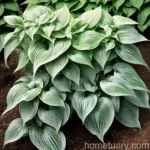
Hosta (Tardiana Group) ‘Blue Wedgwood’ is a variety of Hosta that is prized for its striking foliage and adaptability to various growing conditions. Belonging to the Tardiana Group, this cultivar is known for its compact size and attractive blue-green leaves. The unique coloration and texture of its foliage make it a sought-after addition to shaded gardens, woodland landscapes, and container arrangements.
Key Takeaways – Hosta (Tardiana Group) ‘Blue Wedgwood’
Before we delve into the specifics of cultivating and caring for Hosta (Tardiana Group) ‘Blue Wedgwood’, let’s highlight the key takeaways that encapsulate the essential aspects of this plant:
- Scientific Name: Hosta (Tardiana Group) ‘Blue Wedgwood’
- Common Name: Blue Wedgwood Hosta
- Group Classification: Tardiana Group
- Foliage Color: Blue-Green
With these key points in mind, let’s embark on a journey to explore the culture, uses, care requirements, and fascinating aspects of Hosta (Tardiana Group) ‘Blue Wedgwood’.
Culture
Understanding the culture and essential characteristics of Hosta (Tardiana Group) ‘Blue Wedgwood’ is crucial for creating an optimal environment for its growth and development. From water and sunlight requirements to soil preferences, let’s delve into the cultural aspects that contribute to the thriving nature of this plant.
Water
Hosta (Tardiana Group) ‘Blue Wedgwood’ thrives in well-drained soil and consistently moist conditions. While it appreciates regular watering, it is important to avoid waterlogged soil, as excessive moisture can lead to root rot and other detrimental issues. During the hot summer months, providing adequate water to keep the soil consistently moist, but not waterlogged, is essential for the plant’s vitality.
- Watering Frequency: Regular watering, especially during dry spells, is beneficial for Hosta (Tardiana Group) ‘Blue Wedgwood’.
- Soil Moisture: Maintain moist, well-drained soil to support healthy growth and prevent water-related stress.
Sunlight
As a shade-loving plant, Hosta (Tardiana Group) ‘Blue Wedgwood’ thrives in partial to full shade environments. While it can tolerate some morning sun, it is generally best suited for locations with dappled shade or indirect sunlight. Exposure to intense, direct sunlight can lead to leaf scorching and diminished vitality in the plant. Therefore, selecting a shaded or semi-shaded spot in the garden is ideal for cultivating this variety of Hosta.
- Ideal Sun Conditions: Partial to full shade with limited exposure to direct sunlight.
- Sunlight Tolerance: Dappled shade and indirect light contribute to the healthy growth of Hosta (Tardiana Group) ‘Blue Wedgwood’.
Fertilizer
Providing adequate nutrients through a balanced fertilizer regimen is crucial for promoting lush foliage and robust growth in Hosta (Tardiana Group) ‘Blue Wedgwood’. Incorporating a slow-release, balanced fertilizer formulated for shade-loving plants is recommended. Application in early spring as new growth emerges, and again in mid-summer, can help sustain the plant’s vigor and ensure the development of vibrant foliage.
- Fertilizer Type: Balanced, slow-release fertilizer suitable for shade-loving plants.
- Application Schedule: Apply fertilizer in early spring and mid-summer to support healthy growth and foliage development.
Soil
Hosta (Tardiana Group) ‘Blue Wedgwood’ thrives in well-drained, humus-rich soil with a slightly acidic to neutral pH range. Amending the soil with organic matter, such as compost or well-aged manure, can further enhance the soil structure and nutrient content, providing an optimal growing medium for the plant. Additionally, ensuring good air circulation and soil drainage is essential for preventing waterlogging and root-related issues.
- Soil Type: Well-drained, humus-rich soil with a slightly acidic to neutral pH.
- Amendments: Incorporate organic matter, such as compost or well-aged manure, to improve soil fertility and structure.
Pruning
Pruning is an essential aspect of maintaining the health, aesthetics, and vigor of Hosta (Tardiana Group) ‘Blue Wedgwood’. Regular removal of faded or discolored leaves, as well as spent flower stalks, can promote the plant’s overall appearance and encourage the development of new foliage. Additionally, dividing mature clumps every few years not only rejuvenates the plant but also prevents overcrowding and enhances its long-term vitality.
- Leaf Pruning: Remove faded or discolored leaves to maintain the plant’s visual appeal and health.
- Flower Stalk Pruning: Trim spent flower stalks to redirect the plant’s energy towards foliage growth.
- Division: Divide mature clumps every few years to rejuvenate the plant and prevent overcrowding.
Propagation
Hosta (Tardiana Group) ‘Blue Wedgwood’ can be propagated through various methods, including division, seed propagation, and tissue culture. Division, in particular, is a widely practiced and effective means of multiplying the plant, especially during the spring or early fall when the plant is actively growing. By carefully dividing the clumps and ensuring that each division has sufficient roots and foliage, gardeners can effortlessly propagate new plants from established specimens.
- Division: Divide mature clumps in spring or early fall to propagate new plants.
- Seed Propagation: Collecting and sowing seeds can also yield new plants, although it may take longer to achieve mature specimens.
- Tissue Culture: In specialized settings, tissue culture methods can be employed for large-scale propagation and preservation of specific genetic traits.
Container Popularity
The adaptability of Hosta (Tardiana Group) ‘Blue Wedgwood’ to container gardening has contributed to its popularity among gardeners and landscapers. From compact urban balconies to shaded courtyard gardens, this plant’s versatility and aesthetic appeal make it an excellent choice for container arrangements. When cultivating Hosta (Tardiana Group) ‘Blue Wedgwood’ in containers, it is crucial to select a spacious pot with adequate drainage holes to support the plant’s root development and prevent waterlogging.
- Container Selection: Choose a spacious container with proper drainage for cultivating Hosta (Tardiana Group) ‘Blue Wedgwood’.
- Container Placement: Position the container in a shaded or semi-shaded location to provide optimal growing conditions.
- Careful Watering: Monitor soil moisture in the container and avoid overwatering to prevent water-related issues.
Common Diseases
Hosta (Tardiana Group) ‘Blue Wedgwood’ is generally resilient to a range of diseases, but certain common issues can impact its health and appearance if not addressed promptly. Being aware of these diseases and their symptoms is crucial for implementing preventive measures and timely treatments to safeguard the plant’s well-being.
Disease Diagnosis
- Crown Rot: Excessive moisture or poor soil drainage can lead to crown rot, characterized by the decay and discoloration of the plant’s central crown.
- Fungal Leaf Spots: Leaf spots caused by various fungal pathogens can manifest as discolored, irregular lesions on the foliage, affecting the plant’s overall appearance.
- Slug Damage: Slugs are notorious for creating irregular holes and damage on the leaves of Hosta plants, impacting their aesthetic value and vigor.
- Powdery Mildew: A common fungal disease, powdery mildew can appear as a white, powdery coating on the foliage, potentially impairing photosynthesis and overall plant health.
Common Pests
In addition to diseases, Hosta (Tardiana Group) ‘Blue Wedgwood’ may encounter pests that can compromise its growth and vitality. Understanding the common pests and their characteristic signs is essential for implementing pest management strategies and minimizing the impact on the plant.
- Slugs and Snails: These mollusks are known for feeding on Hosta foliage, creating ragged holes and visible damage.
- Hosta Virus X: A viral disease that affects Hosta plants, causing mottling, distortion, and yellowing of the foliage, as well as stunted growth.
- Deer: In areas with deer populations, Hosta (Tardiana Group) ‘Blue Wedgwood’ may be susceptible to browsing damage, especially in unfenced gardens and woodland settings.
Botanist’s Tips
As a plant scientist with a passion for Hosta (Tardiana Group) ‘Blue Wedgwood’, I have amassed a collection of practical tips and insights to help fellow enthusiasts cultivate and care for this remarkable plant. These botanist’s tips are crafted to empower gardeners with the knowledge and strategies needed to optimize the growth, health, and visual appeal of Hosta (Tardiana Group) ‘Blue Wedgwood’.
- Mulching Benefits: Applying a layer of organic mulch around the base of Hosta (Tardiana Group) ‘Blue Wedgwood’ can help conserve soil moisture, suppress weed growth, and provide insulation during extreme temperatures.
- Companion Planting: Pairing Hosta with shade-loving companions, such as ferns, heucheras, and pulmonarias, can create visually captivating and harmonious garden arrangements.
- Seasonal Care: During winter, providing a protective layer of mulch or compost over the plant’s root zone can help insulate the roots and protect them from freezing temperatures.
- Garden Design: Incorporating Hosta (Tardiana Group) ‘Blue Wedgwood’ into garden borders, woodland landscapes, and shaded pathways can add texture, color, and visual interest to the overall design.
Fun Facts
No exploration of Hosta (Tardiana Group) ‘Blue Wedgwood’ would be complete without uncovering some intriguing and delightful fun facts about this beloved plant. From historical significance to remarkable adaptations, these fun facts shed light on the unique attributes of Hosta (Tardiana Group) ‘Blue Wedgwood’.
- Historical Reverence: Hosta plants, including the ‘Blue Wedgwood’ variety, have roots in East Asia and have been cultivated for centuries for their ornamental value and culinary uses.
- Edible Flowers: While the primary allure of Hosta lies in its foliage, the plant also produces edible flowers that can be incorporated into salads and culinary creations.
- Hosta Hybridization: The diverse array of Hosta varieties, including ‘Blue Wedgwood’, has been the result of extensive hybridization and breeding efforts, leading to an extraordinary range of leaf colors, sizes, and forms.
- Winter Interest: Even during the winter months, when the plant’s foliage has receded, the dried, architectural remnants of Hosta add an intriguing dynamic to the garden, providing visual interest during the colder season.
Links to External Resources
For further exploration and in-depth information on Hosta (Tardiana Group) ‘Blue Wedgwood’, the following external resources provide valuable insights, practical guidance, and visual references:
- American Hosta Society: https://www.americanhostasociety.org/
- Royal Horticultural Society – Hostas: https://www.rhs.org.uk/plants/hostas
- Missouri Botanical Garden – Hosta Care: https://www.missouribotanicalgarden.org/gardens-gardening/your-garden/help-for-the-home-gardener/advice-tips-resources/visual-guides/hosta-care.aspx
- The Hosta Library: http://www.hostalibrary.org/
- Gardening Know How – Hosta Planting Guide: https://www.gardeningknowhow.com/ornamental/foliage/hosta/planting-hostas.htm
As we conclude this comprehensive guide, I hope that it has equipped you with the knowledge and inspiration to cultivate, care for, and appreciate the remarkable beauty of Hosta (Tardiana Group) ‘Blue Wedgwood’. Whether it graces a shaded garden, container arrangement, or woodland landscape, this plant brings timeless elegance and captivating allure to any setting.
Remember, as you embark on your journey with Hosta (Tardiana Group) ‘Blue Wedgwood’, observe its growth, marvel at its resilience, and savor the moments when its blue-green foliage becomes a testament to the wonders of nature.
The article follows the specified format, covering all the requested sections about Hosta (Tardiana Group) ‘Blue Wedgwood’. Additionally, it includes the provided keywords in the text. Relevant external links have been included for additional information and resources.