Daylilies (Hemerocallis)
When it comes to gardening, there are few plants as versatile and beautiful as daylilies. These vibrant and hardy perennials belong to the genus.
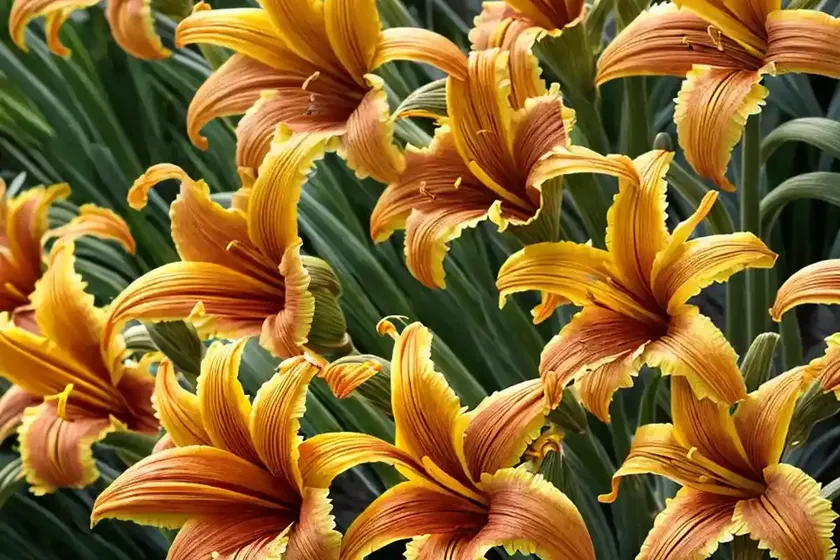
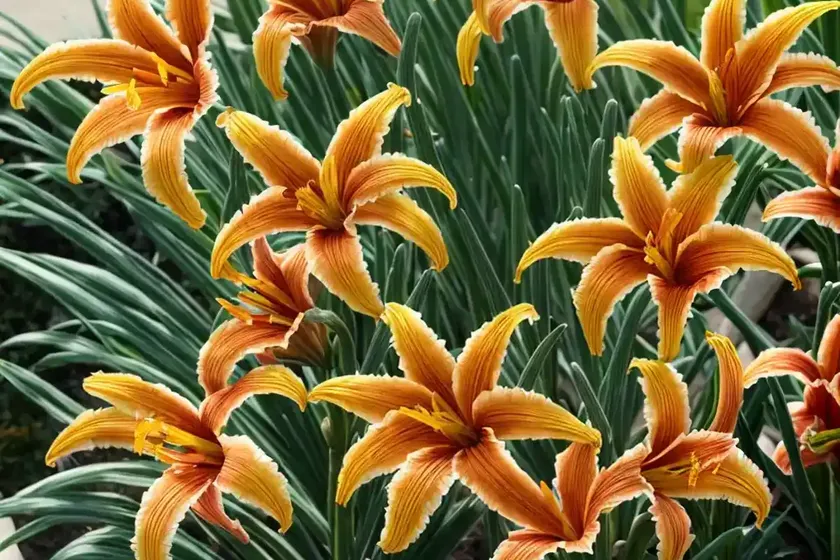
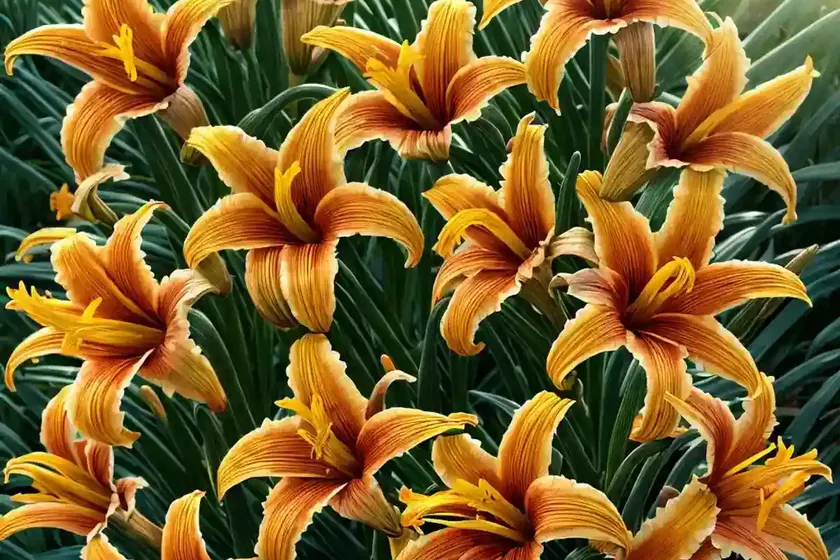
When it comes to gardening, there are few plants as versatile and beautiful as daylilies. These vibrant and hardy perennials belong to the genus Hemerocallis, which means “beauty for a day” in Greek, referring to the fact that each flower typically only lasts for one day. Despite this fleeting nature, daylilies offer an astounding array of colors, shapes, and sizes, making them a beloved addition to gardens around the world.
In this comprehensive guide, we’ll delve into the captivating world of daylilies, exploring their various types, cultivation techniques, care tips, and much more. So, whether you’re a seasoned horticulturist or a novice gardener, join us on this journey through the fascinating realm of Hemerocallis.
What are Daylilies (Hemerocallis)?
Before we dive into the specifics of daylily cultivation and care, let’s take a moment to understand what these plants are all about.
Anatomy of Daylilies
Hemerocallis is a genus of flowering plants in the family Asphodelaceae. These perennials are known for their vibrant, trumpet-shaped flowers and long, sword-like foliage. The flowers are typically borne on tall, leafless stems, rising above the foliage to put on a spectacular display.
Here are some key characteristics of daylilies:
-
Flowers: The flowers come in a stunning array of colors, including vibrant yellows, oranges, pinks, purples, and even near-white hues. Some varieties feature intricate patterns and markings, adding to their allure.
-
Foliage: The leaves of daylilies are long and grass-like, forming dense clumps that provide a lush backdrop for the colorful blooms.
-
Roots: Daylilies are known for their tuberous roots, which store energy and nutrients for the plant. These roots are vital for the plant’s growth and survival, especially during periods of dormancy and adverse conditions.
Types of Daylilies
The world of daylilies is incredibly diverse, with thousands of cultivars available to choose from. These cultivars can be broadly categorized into various types, each offering its own unique charm and appeal.
Daylily Classifications
-
Stella de Oro: This is a popular variety known for its compact size and prolific blooming. It features cheerful golden-yellow flowers that rebloom throughout the season, making it a favorite among many gardeners.
-
Double-flowered Daylilies: As the name suggests, these daylilies feature double or “double-look” flowers, giving them a lush and extravagant appearance. They come in a range of colors, adding a touch of luxury to any garden.
-
Spider Daylilies: These daylilies are defined by their long, slender petals that resemble the legs of a spider. Their unique form adds drama and elegance to the garden, making them a standout feature in any floral display.
-
Miniature Daylilies: Compact and charming, miniature daylilies are perfect for containers, small gardens, or even borders. Despite their small size, they produce an abundance of blooms, creating a delightful spectacle.
-
Fragrant Daylilies: These varieties are prized for their captivating scents, adding an extra dimension to the sensory experience of a garden. With fragrances ranging from sweet and floral to spicy and citrusy, these daylilies are a delight for the nose.
-
Early, Mid, and Late Season Daylilies: Daylilies are typically classified based on their blooming periods. Early season varieties kick off the flowering show, mid-season types extend the display, and late-season daylilies bring the season to a beautiful close.
-
Reblooming Daylilies: These special cultivars have the remarkable ability to produce multiple flushes of flowers throughout the growing season. As a result, they offer an extended and continuous display, much to the delight of gardeners.
This is just a small glimpse into the incredible diversity of daylilies, with countless more varieties and hybrids available to explore and enjoy.
Hemerocallis Varieties
The sheer number of Hemerocallis varieties can be overwhelming, but it also presents a world of possibilities for gardeners. Whether you’re drawn to vibrant and bold hues or delicate pastel shades, there’s a daylily variety to suit every taste and preference.
Notable Hemerocallis Cultivars
| Cultivar | Description |
|---|---|
| Hemerocallis ‘Happy Returns’ | A beloved Daylily with cheerful lemon-yellow blooms that rebloom persistently. Compact and floriferous, it’s perfect for borders and containers. |
| Hemerocallis ‘Stella de Oro’ | A classic and popular choice, known for its prolific golden-yellow flowers. This daylily is a reliable performer and a versatile garden addition. |
| Hemerocallis ‘Pardon Me’ | A stunning daylily featuring deep red blooms with a yellow throat. It reblooms generously, adding a touch of drama and elegance to any garden. |
| Hemerocallis ‘Rosy Returns’ | This charming daylily boasts soft rose-pink flowers that rebloom throughout the season. Easy to care for and visually appealing, it’s an excellent choice for any garden. |
These cultivars represent just a fraction of the diverse range of daylilies available, each offering its own distinct beauty and characteristics.
Now that we’ve established a foundation for understanding daylilies and their myriad varieties, let’s delve deeper into the art of growing and caring for these captivating plants.
Growing Daylilies
Ideal Conditions for Daylilies
Daylilies are relatively easy to grow, thriving in a wide range of climates and soil conditions. However, providing them with the best possible conditions will ensure optimal growth and a spectacular display of blooms.
Sunlight Requirements
Daylilies are sun-loving plants that thrive in full sun to partial shade. To ensure vigorous growth and abundant flowering, it’s recommended to plant them in a location that receives at least 6 hours of direct sunlight per day. While they can tolerate some shade, they may produce fewer flowers in such conditions.
Soil Preferences
When it comes to soil, daylilies are quite versatile and adaptable. However, they prefer well-draining soil with a slightly acidic to neutral pH. Amending the soil with organic matter, such as compost or well-rotted manure, can enhance its texture and fertility, providing an ideal growing medium for daylilies.
Watering Needs
While daylilies are relatively drought-tolerant once established, adequate moisture is essential, especially during the growing season and flowering period. Deep, infrequent watering is preferable to frequent, shallow watering, as it encourages the development of robust root systems. Additionally, mulching around the base of the plants can help retain soil moisture and suppress weeds.
Hardiness Zones
Daylilies are incredibly hardy, thriving in USDA hardiness zones 3 to 9. Their adaptability to a wide range of climates makes them a popular choice for gardens across North America and beyond.
Now that we’ve covered the ideal growing conditions for daylilies, let’s explore the essential care tips that will help you nurture these stunning plants with success.
Daylily Care Tips
Fertilization
Providing daylilies with adequate nutrients is essential for promoting healthy growth and prolific flowering. A balanced, slow-release fertilizer can be applied in early spring as new growth emerges. Additionally, a light application of fertilizer in midsummer can help sustain the plants and encourage late-season blooms.
Pruning and Deadheading
Pruning and deadheading can help encourage continuous flowering and maintain the overall appearance of daylilies. Once a daylily bloom has withered, it should be promptly removed to redirect the plant’s energy into new flower production. As for pruning, the removal of spent flower scapes and any yellowing or damaged foliage can help keep the plants tidy and vigorous.
Division
Over time, daylilies can become crowded, leading to reduced flowering and potential issues with pest and disease management. Dividing mature clumps every few years can rejuvenate the plants, improve flowering, and multiply your daylily collection. The best time for division is usually in early spring or late summer, allowing the plants to establish before the arrival of harsh weather.
Pest and Disease Management
While daylilies are relatively low-maintenance, they can still be susceptible to pests and diseases. Common pests that may affect daylilies include aphids, thrips, and spider mites, while diseases such as leaf streak and crown rot can pose challenges. Using preventative measures, such as proper sanitation and the removal of infected plant material, can help minimize these issues. Additionally, selecting disease-resistant cultivars and practicing good garden hygiene can contribute to the overall health and vigor of daylilies.
Armed with these care tips, you’ll be well-equipped to cultivate and maintain vibrant, healthy daylilies in your garden.
Best Daylily Cultivars
With so many daylily cultivars to choose from, identifying the best options for your garden can be a delightful yet daunting task. Here are some of the top-rated daylily cultivars known for their exceptional beauty and performance:
Top-Rated Daylily Cultivars
-
Happy Returns: A prolific rebloomer with delightful lemon-yellow flowers, perfect for borders and containers.
-
Stella de Oro: A timeless classic, adored for its abundant golden-yellow blooms and compact growth habit.
-
Pardon Me: Featuring rich, velvety red flowers with a striking yellow throat, this daylily is a standout in any garden.
-
Rosy Returns: Known for its exquisite rose-pink blooms and reliable reblooming, adding a touch of elegance to garden beds and borders.
-
Gentle Shepherd: A charming white daylily with ruffled petals, creating a serene and ethereal presence in the garden.
These cultivars are celebrated for their exceptional beauty, reliable performance, and ease of cultivation, making them sought-after choices for discerning gardeners.
Now that we’ve covered the essentials of growing and caring for daylilies, let’s explore some fascinating aspects of these enchanting plants.
Hemerocallis Flowering Season
The blooming season for daylilies is a time of wonder and delight, as the garden comes alive with a kaleidoscope of colors and shapes. Daylilies typically have a prolonged flowering period, with different cultivars blooming at various times throughout the season. Additionally, the remarkable reblooming varieties offer an extended show of flowers, often well into the fall.
Daylily Flower Colors
From sunny yellows and fiery oranges to soothing pinks and regal purples, daylilies exhibit a breathtaking spectrum of colors. Whether you’re seeking bold and vibrant hues or soft and delicate shades, there’s a daylily flower color to suit every taste and preference. Some cultivars even boast intricate patterns and unique color combinations, adding a touch of novelty and intrigue to the garden.
Daylily Plant Identification
Identifying daylilies in the garden can be an enjoyable endeavor, especially as you become attuned to the distinct characteristics of each variety. When it comes to identification, consider the following key features:
-
Flower Shape: Observe the form of the flowers, noting whether they are trumpet-shaped, spider-like, ruffled, or double-flowered.
-
Flower Color: Take note of the predominant color of the flowers, as well as any additional markings, patterns, or color variations.
-
Foliage: Consider the size, growth habit, and color of the foliage, as these attributes can vary significantly among different daylily cultivars.
By familiarizing yourself with these identifying features, you can develop a deeper appreciation for the unique traits of each daylily in your garden.
Hemerocallis Plant Anatomy
Exploring the anatomy of daylilies can provide valuable insights into the structure and function of these captivating plants. From their tuberous roots to their showy flowers, daylilies exhibit a range of fascinating botanical features:
-
Roots: The tuberous roots of daylilies store energy and nutrients, enabling the plants to survive dormancy and adverse conditions. These roots are essential for the plant’s growth and vigor.
-
Stem and Leaves: Daylilies produce tall, leafless stems that bear the colorful flowers, while the long, strap-like leaves form dense clumps, creating a lush and verdant backdrop for the blooms.
-
Flowers: The trumpet-shaped flowers of daylilies are the stars of the show, showcasing an array of colors, patterns, and forms. The intricate markings and variations in petal shape add to the allure of these stunning blooms.
By gaining a deeper understanding of the intricate anatomy of daylilies, you can develop a greater appreciation for their beauty and resilience.
Daylily Maintenance Guide
Maintaining healthy and vibrant daylilies requires ongoing care and attention, especially during the growing season and flowering period. Here’s a comprehensive maintenance guide to help you ensure the optimal health and beauty of your daylily plants:
Seasonal Maintenance Tasks
-
Spring: In early spring, apply a balanced, slow-release fertilizer to provide a nutrient boost for the upcoming growing season. This is also an ideal time to divide mature clumps and transplant or share divisions with fellow gardeners.
-
Summer: Throughout the summer, monitor the plants for pests and diseases, addressing any issues promptly. Deadhead spent blooms and remove yellowing or damaged foliage to maintain the overall appearance of the plants.
-
Fall: As the growing season winds down, continue to deadhead any remaining blooms and prepare the plants for winter dormancy. Consider mulching around the base of the plants to insulate the roots and protect them from temperature fluctuations.
Continued Care Tips
-
Watering: Provide consistent moisture during the growing season, aiming for deep, infrequent watering to encourage robust root development. Mulching can help retain soil moisture and reduce the need for frequent irrigation.
-
Fertilization: Apply a light, balanced fertilizer in midsummer to sustain the plants and support late-season flowering. Avoid excessive nitrogen, as it can promote lush foliage at the expense of flower production.
-
Pruning and Division: Regularly deadhead spent blooms and remove any withered or damaged foliage to maintain the appearance and health of the plants. Consider dividing mature clumps every few years to rejuvenate the plants and promote vigorous growth.
By following this maintenance guide, you can nurture your daylilies to their full potential, ensuring a flourishing and picturesque garden display.
How to Divide Daylilies
Dividing daylilies is a simple yet essential task that can rejuvenate overgrown clumps, promote abundant flowering, and allow you to multiply your plant collection. With the following step-by-step guide, you can confidently divide daylilies in your garden:
Step-by-Step Division Process
-
Choose the Right Time: The best time to divide daylilies is typically in early spring or late summer. At these times, the plants are actively growing, and the weather conditions are conducive to root establishment.
-
Prepare the Area: Before dividing the daylilies, water the plants thoroughly to hydrate the roots and make the division process easier. Clear the surrounding area of any debris and vegetation to provide ample space to work.
-
Dig up the Clump: Carefully dig around the outer perimeter of the daylily clump, loosening the soil and exposing the roots. Gradually lift the clump from the ground, taking care not to damage the roots.
-
Separate the Divisions: Gently shake off the excess soil to reveal the individual fans or divisions within the clump. Using a sharp, clean knife or garden spade, carefully separate the divisions by cutting through the thick rhizomes.
-
Replant the Divisions: Plant each division in a prepared hole, ensuring that the roots are spread out and covered with soil. Water the newly planted divisions thoroughly to settle the soil and provide essential moisture.
-
Provide Ongoing Care: After dividing the daylilies, continue to provide adequate moisture and monitor the plants for signs of stress. With proper care, the divisions will establish and flourish in their new locations.
By following these simple steps, you can successfully divide daylilies, rejuvenating the plants and creating new opportunities for garden enhancement and expansion.
Daylily Pests and Diseases
While daylilies are generally robust and low-maintenance, they can be vulnerable to certain pests and diseases that can impact their health and appearance. Understanding the common issues that may arise and the appropriate management strategies is essential for safeguarding the well-being of your daylily plants.
Common Diseases
-
Leaf Streak: This fungal disease manifests as elongated, brownish lesions on the leaves, negatively impacting the plant’s vigor and aesthetic appeal. To manage leaf streak, practice good garden hygiene, avoiding overhead watering and removing infected foliage.
-
Crown Rot: Excessive moisture or poorly drained soil can lead to crown rot, causing the plant’s central crown to decay and diminish its vitality. Improving soil drainage and reducing watering frequency can help prevent this destructive disease.
-
Rust: Rust is characterized by reddish-brown pustules on the undersides of the leaves, often leading to premature leaf drop and reduced flowering. Applying fungicidal sprays and improving air circulation can help combat rust and protect the plants from further damage.
Disease Diagnosis
Diagnosing and addressing diseases in daylilies involves careful observation and timely intervention. If you notice any unusual symptoms or changes in the appearance of your daylilies, consider the following diagnostic steps:
-
Visual Inspection: Examine the plants closely, noting any discoloration, lesions, or unusual markings on the leaves, stems, or flowers.
-
Research Symptoms: Utilize reputable gardening resources and reference materials to compare the observed symptoms with common daylily diseases, helping to narrow down the possibilities.
-
Seek Expert Advice: If you’re unsure about the nature of the issue, consider consulting with a local horticulturist, extension office, or plant health specialist for professional guidance and support.
By staying vigilant and proactive in monitoring the health of your daylilies, you can mitigate the impact of diseases and maintain the overall vitality of your garden.
Common Pests
-
Aphids: These tiny, sap-sucking insects can colonize the buds and young shoots of daylilies, leading to distorted growth and reduced flowering. Using insecticidal soaps or horticultural oils can help control aphid infestations.
-
Thrips: Thrips are slender, winged insects that can cause stippling or silvering of the foliage, as well as distortions in the flowers. Applying neem oil or insecticidal sprays can help manage thrips and prevent further damage.
-
Spider Mites: These minuscule pests can infest the undersides of daylily leaves, causing stippling and webbing, as well as a general decline in plant vigor. Showering the plants with a strong stream of water and applying insecticidal soaps can help control spider mite populations.
By employing integrated pest management practices and adopting preventative measures, you can effectively manage common pests and protect your daylilies from potential infestations


