Hemerocallis ‘Stella De Oro’ (Reblooming Daylily)
In the world of ornamental plants, the Hemerocallis ‘Stella de Oro’ or the Reblooming Daylily stands out as a popular and cherished choice among gardeners..
Introduction:
In the world of ornamental plants, the Hemerocallis ‘Stella de Oro’ or the Reblooming Daylily stands out as a popular and cherished choice among gardeners. Its vibrant blooms, easy care requirements, and adaptability make it a go-to option for landscapes and container gardens. As a plant scientist, it is fascinating to explore and analyze the various aspects of this beautiful plant to understand its biology, cultivation, and overall horticultural importance.
In this comprehensive guide, we will delve into the intricate details of the Hemerocallis ‘Stella de Oro’, understanding its characteristics, ideal growing conditions, uses, and the potential challenges in maintaining its health and vitality. By the end of this discourse, you will have gained a deep insight into the world of this delightful daylily, equipped with the knowledge to successfully grow and appreciate its beauty.
What is Hemerocallis ‘Stella de Oro’ (Reblooming Daylily)?
Hemerocallis, commonly known as daylilies, refers to a genus of plants that are cherished for their stunning and abundant blooms. Among the wide array of daylily cultivars, the ‘Stella de Oro’ stands out for its reblooming nature and compact growth habit. This perennial plant is known for its vibrant, golden-yellow flowers that adorn the garden from late spring to frost. The botanical name Hemerocallis is derived from the Greek words “hemera” meaning day and “kallos” meaning beauty, emphasizing the ephemeral nature of its individual blooms.
Key Takeaways – Hemerocallis ‘Stella de Oro’ (Reblooming Daylily):
Culture
The culture of Hemerocallis ‘Stella de Oro’ involves understanding its specific needs and requirements for optimal growth and development. This includes aspects such as watering, sunlight exposure, soil conditions, and fertilization. By delving into the cultural needs of this daylily, we can ensure that it thrives and blossoms abundantly in the garden.
Uses
Understanding the practical and aesthetic uses of Hemerocallis ‘Stella de Oro’ provides valuable insights into its versatility and potential applications in landscaping, container gardening, and other horticultural practices.
Water
The water requirements of Hemerocallis ‘Stella de Oro’ play a crucial role in maintaining its health and promoting flower production. Understanding the ideal watering practices is essential in preventing water-related stress and diseases.
Sunlight
Sunlight is a vital factor that influences the growth, flowering, and overall vigor of Hemerocallis ‘Stella de Oro’. Exploring its sunlight requirements enables us to create suitable growing conditions for this daylily.
Fertilizer
Proper fertilization is paramount in promoting robust growth and prolific flowering in Hemerocallis ‘Stella de Oro’. By understanding its nutritional needs, we can ensure that it receives the essential elements for healthy development.
Soil
The soil preferences of Hemerocallis ‘Stella de Oro’ are instrumental in providing a suitable growing medium for its roots and promoting overall plant health. Understanding its soil requirements facilitates effective cultivation and maintenance.
Pruning
Pruning techniques and timing are important aspects of daylily care, including Hemerocallis ‘Stella de Oro’. By mastering the art of pruning, we can enhance its aesthetics and prevent potential issues.
Propagation
The propagation methods for Hemerocallis ‘Stella de Oro’ reveal how new plants can be obtained and multiplied, ensuring a continuous supply of these delightful daylilies.
Container Popularity
Exploring the popularity of Hemerocallis ‘Stella de Oro’ in container gardening unveils its adaptability and potential as a versatile ornamental plant.
Container Common Diseases
Identifying and addressing common diseases in Hemerocallis ‘Stella de Oro’ grown in containers is crucial for maintaining its health and vigor.
Disease diagnosis
Understanding the symptoms and causes of diseases in Hemerocallis ‘Stella de Oro’ is essential for timely intervention and effective management.
Common pests
The pests that pose a threat to Hemerocallis ‘Stella de Oro’ can impact its growth and flowering. Recognizing these pests is essential for implementing suitable control measures.
Botanist’s tips
Insights and tips from botanists offer valuable guidance for successfully growing and caring for Hemerocallis ‘Stella de Oro’, enriched by scientific knowledge and practical experience.
Fun facts
Exploring the fascinating and intriguing aspects of Hemerocallis ‘Stella de Oro’ adds an element of delight and curiosity, deepening our appreciation for this remarkable plant.
Links to External Resources
Accessing external resources provides additional information, research findings, and diverse perspectives on Hemerocallis ‘Stella de Oro’, enriching our understanding and knowledge base.
With these key takeaways in mind, let us embark on an illuminating journey through the unique world of Hemerocallis ‘Stella de Oro’, gaining a comprehensive understanding of its characteristics, cultivation, and care requirements.
Hemerocallis ‘Stella de Oro’ – Characteristics and Description
The Hemerocallis ‘Stella de Oro’ is renowned for its distinctive attributes and captivating appearance. Let’s delve into its key characteristics and description to appreciate the beauty and allure of this reblooming daylily.
Scientific Classification
- Family: Hemerocallidaceae
- Genus: Hemerocallis
- Species: Hemerocallis cultivars (including ‘Stella de Oro’)
Bloom Characteristics
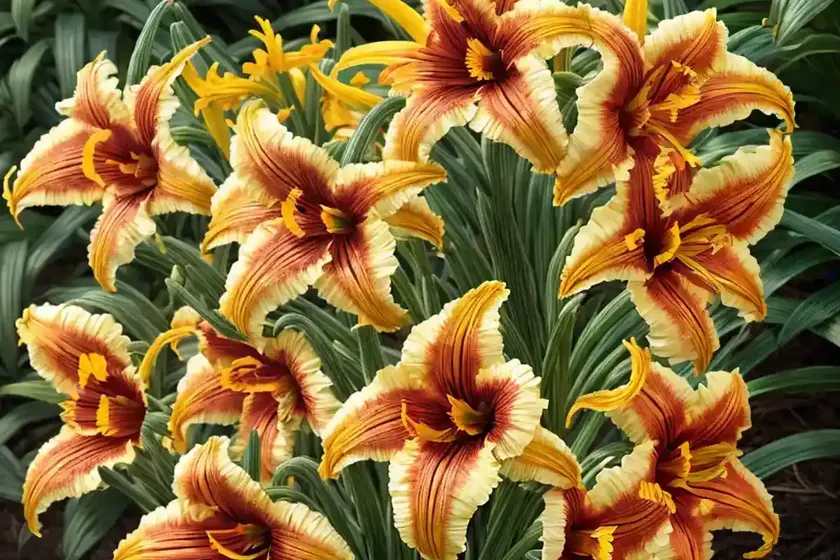
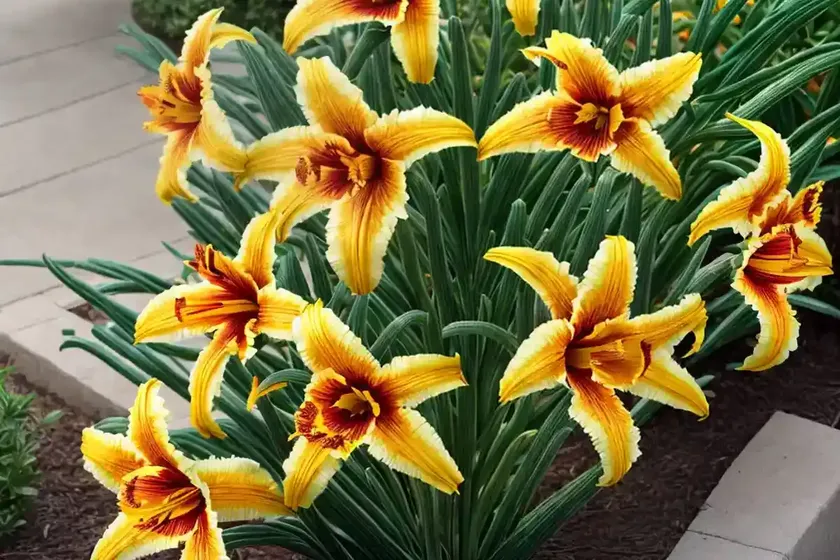
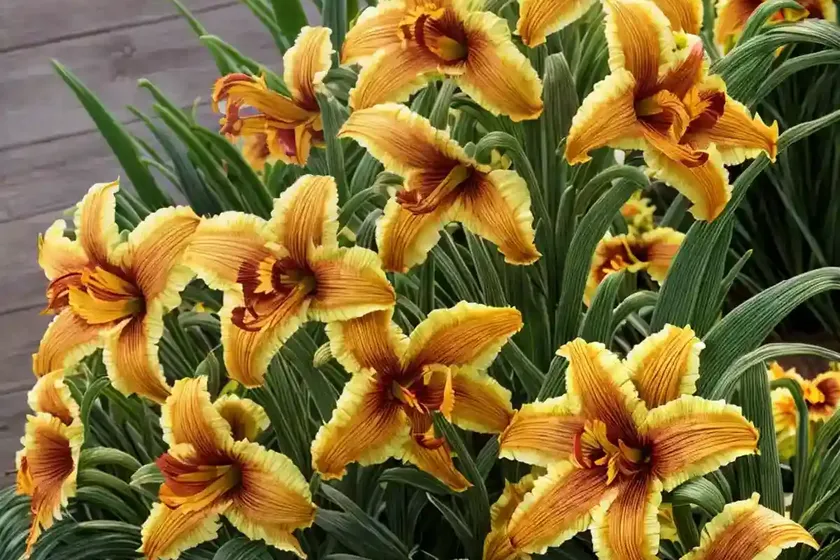
- The ‘Stella de Oro’ daylily is celebrated for its radiant, trumpet-shaped flowers that display a striking golden-yellow hue.
- Each flower typically measures around 2.75 inches in diameter, showcasing a contrasting deep green throat.
Growth Habit
- This daylily cultivar exhibits a compact and clump-forming growth habit, reaching a mature height and spread of approximately 12-18 inches.
- Its foliage consists of grass-like, arching leaves that enhance its overall ornamental appeal, even when not in bloom.
Blooming Period
- The ‘Stella de Oro’ daylily lives up to its name as a reblooming variety, producing an abundant display of flowers from late spring to the onset of frost.
- Its continuous flowering habit sets it apart from many other daylily cultivars, providing persistent beauty in the garden.
Fragrance
- Hemerocallis ‘Stella de Oro’ is not celebrated for its fragrance, as the blooms are non-scented.
Winter Hardiness
- This daylily cultivar exhibits excellent cold hardiness, thriving in USDA hardiness zones 2-9.
- Its resilience to winter conditions makes it well-suited for a wide range of climates, from northern regions to milder, southern areas.
Origins
- The ‘Stella de Oro’ daylily is a hybrid cultivar that originated in the United States, specifically bred by Walter Jablonski in 1975. Its unique reblooming characteristic and exceptional flowering performance have contributed to its widespread popularity.
With a vivid picture of its characteristics, let us now delve into the essential cultural requirements and maintenance aspects to elevate our understanding of cultivating Hemerocallis ‘Stella de Oro’ in our gardens.
Understanding the Cultural Needs of Hemerocallis ‘Stella de Oro’
Cultivating Hemerocallis ‘Stella de Oro’ to its full potential requires a comprehensive understanding of its specific cultural needs. From water and sunlight requirements to soil preferences and maintenance practices, let us explore each aspect to unlock the secrets of successful daylily cultivation.
Water
Maintaining adequate soil moisture is vital for the health and vigor of Hemerocallis ‘Stella de Oro’. However, it is important to strike a balance, avoiding waterlogged conditions that can lead to root rot and other water-related issues. Consider the following guidelines for watering this reblooming daylily:
Water Needs
- During the active growing season, ensure that the soil around ‘Stella de Oro’ daylilies remains consistently moist, but not waterlogged.
- Water deeply to encourage deep root development, especially during dry periods or in regions with limited rainfall.
- Implement an irrigation schedule that accounts for the climatic conditions and soil drainage, adjusting as necessary to meet the plant’s needs.
Sunlight
Sufficient sunlight is essential for promoting robust growth and prolific flowering in Hemerocallis ‘Stella de Oro’. Providing the ideal sunlight exposure enhances its performance and overall vitality. Consider the following points regarding its sunlight requirements:
Sunlight Preferences
- ‘Stella de Oro’ daylilies thrive in full sun to partial shade, with a preference for at least 6 hours of direct sunlight per day.
- In warmer climates, offering some afternoon shade can be beneficial in preventing stress from excessive heat and sun exposure.
- Observing the plant’s response to sunlight conditions allows for adjustments to optimize its growing environment.
Fertilizer
Appropriate fertilization practices play a pivotal role in nourishing Hemerocallis ‘Stella de Oro’ and promoting its prolific flowering. By providing the necessary nutrients, we can bolster its growth and overall performance. Consider the following aspects when devising a fertilizer regimen:
Fertilization Tips
- Apply a balanced, slow-release fertilizer in early spring, as new growth emerges, to provide essential nutrients for the upcoming growing season.
- Incorporate a phosphorus-rich fertilizer or bone meal to encourage abundant flower production and enhance the vibrancy of the blooms.
- Refrain from over-fertilizing, as excessive nitrogen can lead to lush foliage at the expense of flowering.
Soil
Understanding the soil preferences of Hemerocallis ‘Stella de Oro’ is crucial for establishing an optimal growing environment. By providing suitable soil conditions, we can ensure that the plant’s root system thrives and supports its overall health. Consider the following insights regarding its soil requirements:
Soil Preferences
- ‘Stella de Oro’ daylilies thrive in well-draining, fertile soils with a slightly acidic to neutral pH range, ideally between 6.0 to 6.5.
- Amending heavy clay soils with organic matter such as compost or peat moss improves drainage and enhances fertility, creating an inviting environment for the plant’s roots.
- Monitoring soil moisture and texture facilitates adjustments to create an optimal growing medium for this daylily cultivar.
Pruning
Proper pruning techniques are instrumental in maintaining the overall aesthetics and health of Hemerocallis ‘Stella de Oro’. By addressing spent blooms and managing the foliage, we can enhance its appearance and prevent potential issues. Consider the following tips for pruning this reblooming daylily:
Pruning Techniques
- Deadhead spent blooms regularly to encourage continuous flowering and prevent the formation of seed pods, redirecting the plant’s energy towards new flower production.
- Trim damaged or yellowing foliage to maintain a tidy and attractive appearance, enhancing the overall visual appeal of the plant.
- Dividing overcrowded clumps every few years rejuvenates the plant, promoting vigorous growth and abundant blooming.
Propagation
The propagation of Hemerocallis ‘Stella de Oro’ presents opportunities for multiplying this delightful daylily and expanding its presence in the garden. By embracing suitable propagation methods, we can propagate new plants and diversify our daylily collection. Consider the following techniques for propagating this reblooming daylily:
Propagation Methods
- Divide established clumps in early spring or late summer, carefully separating the individual fans and root segments to create new plants.
- Utilize the division method to rejuvenate overcrowded clumps, promoting healthier growth and flowering.
- Explore tissue culture or seed propagation for large-scale propagation and hybridization, enabling the breeding of new daylily varieties.
Container Popularity
The popularity of Hemerocallis ‘Stella de Oro’ in container gardening stems from its adaptability and ornamental value. Understanding its suitability for container cultivation expands the possibilities for incorporating this daylily into diverse garden settings, including patios, balconies, and small spaces. Consider the following factors that contribute to its popularity in container gardening:
Advantages of Container Cultivation
- ‘Stella de Oro’ daylilies thrive in containers, offering an opportunity to enjoy their vibrant blooms and attractive foliage in confined spaces, such as urban gardens or apartment balconies.
- Container cultivation allows for greater control over the growing conditions, including soil quality, moisture levels, and sunlight exposure, resulting in tailored care for the plants.
- Utilize containers to showcase ‘Stella de Oro’ daylilies in strategic locations, accentuating their beauty and complementing the overall garden or landscape design.
Now that we have explored the cultural needs and propagation methods for Hemerocallis ‘Stella de Oro’, let us further analyze its uses and the practical aspects of daylily care.
Practical Uses and Maintenance of Hemerocallis ‘Stella de Oro’
The Hemerocallis ‘Stella de Oro’ holds a special place in the realm of ornamental plants, offering a myriad of practical uses and versatile applications. From landscaping to pollinator-friendly gardens, understanding its horticultural significance and maintenance requirements enriches our approach to growing and appreciating this remarkable daylily.
Landscape Uses
Incorporating Hemerocallis ‘Stella de Oro’ into landscape designs and garden settings enhances the visual appeal and lends an element of natural beauty. Its versatile nature allows for diverse applications, enriching the overall aesthetic and practical functionality of the space. Consider the following landscape uses for this reblooming daylily:
Key Applications
- Plant ‘Stella de Oro’ daylilies along borders, pathways, or entryways to create a vibrant and welcoming ambiance, drawing attention with their radiant blooms.
- Utilize these daylilies as ground covers or mass plantings to establish captivating floral displays that adorn garden beds, slopes, or open areas, providing a charming focal point.
- Incorporate ‘Stella de Oro’ daylilies into mixed perennial borders or cottage gardens, where their continuous blooms contribute to a dynamic and lively composition.
Companion Plants
Selecting suitable companion plants that complement and enhance the beauty of Hemerocallis ‘Stella de Oro’ contributes to the overall harmony and balance within the garden. By pairing it with compatible companions, we can create captivating vignettes and enrich the garden’s visual and ecological appeal. Consider the following considerations when choosing companion plants for this daylily cultivar:
Ideal Companions
- Pair ‘Stella de Oro’ daylilies with perennials such as Salvia, Coreopsis, and Echinacea to create a vibrant and dynamic perennial border that attracts pollinators and wildlife.
- Combine them with ornamental grasses like Miscanthus or Panicum to introduce contrasting textures and forms, adding visual interest and seasonal appeal to the garden.
- Incorporate low-growing ground covers or flowering annuals to create a captivating tapestry of colors and textures, amplifying the impact of the daylily’s blooms.
Winter Care
Preparing Hemerocallis ‘Stella de Oro’ for the winter season is essential for safeguarding its vitality and ensuring a strong start to the following growing season. By implementing suitable winter care practices, we can promote the plant’s resilience and long-term health. Consider the following steps for providing winter care to this reblooming daylily:
Winter Preparedness
- When autumn approaches, reduce watering and fertilization to gradually acclimate the plant to the impending winter dormancy, allowing the foliage to naturally senesce.
- Apply a layer of organic mulch, such as shredded leaves or straw, around the base of the plants to insulate the soil, regulate temperature fluctuations, and prevent frost heaving.
- In regions with harsh winters, consider additional protective measures such as burlap wraps or covers to shield the plants from extreme cold and wind exposure.
Daylilies and Pollinator-Friendly Gardens
Incorporating Hemerocallis ‘Stella de Oro’ into pollinator-friendly gardens contributes to supporting local wildlife, including pollinators such as bees, butterflies, and hummingbirds. The continuous blooms of this daylily cultivar provide a valuable nectar and pollen source, enhancing the ecological significance of the garden. Consider the following insights regarding its role in pollinator-friendly gardens:
Ecological Impact
- ‘Stella de Oro’ daylilies serve as a nectar and pollen resource for pollinators, attracting beneficial insects and avian visitors to the garden, contributing to the local ecosystem’s biodiversity.
- By promoting pollinator activity, these daylilies play a part in pollination, facilitating the reproduction and genetic diversity of flowering plants within the garden and surrounding natural areas.
- Incorporate other pollinator-attracting plants alongside ‘Stella de Oro’ daylilies to create a diverse and thriving habitat that supports a wide range of beneficial insects and wildlife.
Hemerocallis ‘Stella de Oro’ – Health Maintenance and Disease Management
Maintaining the health and vitality of Hemerocallis ‘Stella de Oro’ involves addressing potential diseases and pest issues that can impact its growth and overall well-being. By identifying common diseases, understanding disease diagnosis, and implementing suitable pest control measures, we can safeguard the resilience of this cherished daylily cultivar.
Disease Diagnosis
Recognizing the symptoms and causes of common diseases that affect Hemerocallis ‘Stella de Oro’ enables prompt intervention and effective disease management. By familiarizing ourselves with potential diseases, we can take proactive measures to mitigate their impact. Consider the following aspects of disease diagnosis:
Identifying Symptoms
- Monitor the foliage and blooms for signs of fungal diseases such as leaf spot, rust, or crown rot, characterized by discolored patches, lesions, or abnormal growth.
- Watch for symptoms of viral diseases, including distorted foliage, stunted growth, or mosaic patterns on the leaves, which may indicate the presence of viral pathogens.
- Detect signs of bacterial infections, such as soft rot, wilting, or water-soaked lesions on the plant tissues, signaling the onset of bacterial diseases.
Common Diseases
Understanding the common diseases that affect Hemerocallis ‘Stella de Oro’ provides valuable knowledge for implementing preventive measures and targeted treatments. By familiarizing ourselves with these diseases, we can devise a comprehensive disease management strategy. Consider the following common diseases and their potential impact:
Common Disease Challenges
- Leaf Spot (caused by fungal pathogens) can lead to unsightly blemishes on the foliage, compromising the plant’s aesthetic appeal and overall vigor.
- Rust infections can manifest as orange or rusty-colored pustules on the leaves, negatively affecting the plant’s photosynthetic capabilities and weakening its resilience.
- Crown rot, a fungal disease, poses a serious threat to the plant’s health, causing rotting of the crown and potential collapse of the entire plant if left uncontrolled.
Disease Resistance
Selecting disease-resistant cultivars and enhancing the plant’s natural defenses are pivotal in combating diseases and promoting long-term health. By prioritizing disease resistance and resilience, we can minimize the risk of infections and enhance the plant’s overall vitality. Consider the following strategies for disease resistance:
Resilient Cultivars
- Explore available cultivars of Hemerocallis ‘Stella de Oro’ known for their disease resistance, seeking varieties with documented resilience to prevalent fungal, viral, and bacterial diseases.
- Emphasize the use of disease-resistant plants and cultivars when establishing new plantings or expanding the daylily collection, prioritizing health and sustainability.
- Evaluate the performance of disease-resistant cultivars in local trial gardens or horticultural research facilities, identifying the most suitable options for the specific growing conditions.


