David Viburnum (Viburnum davidii): A Complete Plant Care Guide
In the world of landscaping and gardening, Viburnum davidii, commonly known as David viburnum, is a popular choice due to its versatility, attractive foliage, and numerous practical applications.
In this comprehensive guide, we will explore everything you need to know about Viburnum davidii, from its characteristics and care requirements to its landscape uses and potential challenges. Whether you are a seasoned gardener or just starting in the world of horticulture, this article will provide you with valuable insights into the world of David viburnum.
What is Plant: David Viburnum (Viburnum davidii)
Viburnum davidii is a species of viburnum native to China, with its name derived from the Italian botanist and missionary, Armand David, who first introduced the plant to Europe. It belongs to the Adoxaceae family and is characterized by its evergreen foliage and compact growth habit. The plant typically reaches a height of 2 to 3 feet and spreads 3 to 4 feet wide, making it an excellent choice for hedging, borders, or container planting.
Key Takeaways – David Viburnum (Viburnum davidii)
Before delving into the specifics of caring for Viburnum davidii, let’s take a quick look at the key takeaways for this versatile plant:
- Scientific Name: Viburnum davidii
- Common Name: David viburnum
- Type: Evergreen shrub
- Mature Height: 2-3 feet
- Mature Width: 3-4 feet
- Sunlight: Partial to full sun
- Watering: Moderate
- Soil Type: Well-drained, fertile
- Pruning: Regular to maintain shape
- Uses: Hedging, borders, containers, privacy screen, specimen plant
- Hardiness Zones: 7-9
- Common Pests: Aphids, scale insects
- Common Diseases: Powdery mildew, leaf spot
With the foundational knowledge in place, let’s delve into the specifics of cultivating and caring for David viburnum.
Plant Description: Viburnum davidii
Viburnum davidii showcases a distinctive set of characteristics that make it an appealing addition to any garden or landscape. Understanding its attributes is crucial for ensuring successful cultivation and maintenance.
Viburnum davidii Characteristics
- Foliage: The plant is renowned for its glossy, dark green leaves, which maintain their color throughout the year, providing an evergreen presence in the garden.
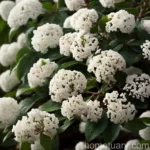
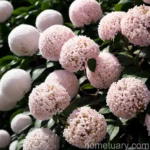
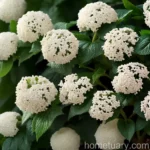
- Flowers: While not the main highlight of the plant, Viburnum davidii produces small, creamy-white flowers in clusters during the spring, providing subtle ornamental value.
- Fruit: One of the most intriguing features of David viburnum is its metallic blue-black berries, which appear in late summer and persist into the winter, adding both visual interest and serving as a valuable food source for birds.
- Growth Habit: This viburnum species exhibits a dense, mounding growth habit, making it an excellent choice for creating low barriers or using as a ground cover.
David Viburnum Plant Facts
- Scientific Name: Viburnum davidii
- Family: Adoxaceae
- Native Habitat: China
- Foliage Type: Evergreen
- Fruit Type: Berry
- Wildlife Benefits: Attracts birds and pollinators
By familiarizing ourselves with these fundamental characteristics, we gain a comprehensive understanding of what makes Viburnum davidii a desirable addition to a variety of landscapes.
Viburnum davidii Care Guide
Now that we have an overview of the plant’s characteristics, let’s delve into the specifics of nurturing and tending to David viburnum. Successful cultivation of Viburnum davidii involves paying attention to various aspects of care, including watering, sunlight, soil, fertilization, and maintenance practices.
Growing David Viburnum
When it comes to growing David viburnum, it’s essential to consider its basic needs and ensure that these are met to support healthy growth and development. Here are the fundamental factors to consider:
Water
- Watering Requirements: Viburnum davidii prefers evenly moist soil. While established plants display some drought tolerance, consistent watering is essential, particularly during the hotter months and dry spells. Aim to provide around 1 inch of water per week, either through rainfall or manual irrigation, ensuring that the root zone remains consistently moist but not waterlogged.
- Signs of Overwatering: Leaf yellowing or wilting can indicate overwatering, emphasizing the importance of maintaining well-drained soil conditions.
Sunlight
- Sun Exposure: David viburnum thrives in partial shade to full sun. While it can tolerate some shade, providing ample sunlight encourages robust growth and enhances the vibrancy of its foliage.
Fertilizer
- Feeding Schedule: Apply a balanced, slow-release fertilizer in the early spring to support healthy growth. Using a fertilizer specifically formulated for shrubs and trees can provide the necessary nutrients for Viburnum davidii’s development.
Soil
- Soil Requirements: Well-drained, fertile soil is crucial for the successful cultivation of David viburnum. Amending the soil with organic matter such as compost can improve its structure and nutrient content, promoting optimal growth and vigor.
David Viburnum Pruning Techniques
Pruning is an essential aspect of maintaining the shape and health of David viburnum. By employing proper pruning techniques, gardeners can ensure that the plant retains its desired form and remains free from disease or pest infestations.
- Timing: Pruning is best conducted in the late spring or early summer after the plant has finished flowering. This timing allows for the removal of any spent flowers while shaping the plant for the upcoming growing season.
- Techniques: To maintain a compact, tidy appearance, focus on removing any dead, damaged, or overgrown branches. Additionally, light shaping and trimming can help control the plant’s size and promote a bushy, well-branched habit.
Propagating Viburnum davidii
Propagating David viburnum offers an excellent opportunity to expand your plant collection or share its beauty with others. While the plant can be propagated through various methods such as seed sowing, softwood cuttings are often preferred for their reliability and efficiency.
- Propagating Method: Softwood cuttings should be collected in the early summer and rooted in a suitable growing medium. With proper care and favorable conditions, these cuttings can develop into healthy, new plants, mirroring the characteristics of the parent plant.
Container Popularity
While Viburnum davidii is often planted directly into the ground, its suitability for container cultivation should not be overlooked. The plant’s compact size, attractive foliage, and low maintenance requirements make it an excellent choice for container gardening, particularly for those with limited garden space or urban environments.
- Container Requirements: When growing in containers, ensure that the pot provides adequate drainage and sufficient room for the plant’s roots to develop. Choose a high-quality potting mix that offers good drainage and moisture retention, and consider occasional feedings with a balanced fertilizer to support the plant’s growth.
By paying attention to these guidelines for caring for Viburnum davidii, gardeners can create an environment where the plant thrives and flourishes, enhancing the beauty of their outdoor spaces.
Common Diseases and Pests
As with any plant, Viburnum davidii is susceptible to certain diseases and pest infestations that can potentially impact its health and appearance. Recognizing and addressing these challenges is crucial for maintaining the vitality of the plant and preventing potential issues from escalating.
Common Diseases
Disease Prevention
- Powdery Mildew: To prevent powdery mildew, ensure good air circulation around the plant, avoid overhead watering, and remove any infected foliage to limit the spread of the disease.
- Leaf Spot: Maintaining a clean garden environment and avoiding excess moisture can help prevent leaf spot, which can cause unsightly blemishes on the plant’s foliage.
Disease Diagnosis
- Symptoms: Watch for signs of fungal infections such as white powdery growth on leaves for powdery mildew and circular spots with dark margins for leaf spot.
- Treatment: If disease symptoms appear, consider using appropriate fungicidal treatments and practicing good garden hygiene to minimize the spread of the disease.
Common Pests
Pest Control
- Aphids: These small, soft-bodied insects can cluster on the plant’s tender new growth, sucking plant juices and potentially causing leaf distortion or yellowing. Consider using natural predators, such as ladybugs, to control aphid populations, or employ horticultural oils to manage infestations.
- Scale Insects: Scale insects can appear as small, waxy bumps on the plant’s stems and leaves. Employing horticultural oils or insecticidal soaps can help control these pests and prevent their proliferation.
By understanding these common diseases and pests that can affect David viburnum, gardeners can take proactive measures to protect their plants and maintain a healthy, vibrant garden.
Botanist’s Tips for David Viburnum
To further enhance the success of cultivating Viburnum davidii, consider the following tips from experienced botanists and horticulturists:
- Mulching: Applying a layer of organic mulch around the base of the plant helps conserve moisture, suppress weed growth, and improve soil structure, contributing to the overall health of the plant.
- Regular Monitoring: Periodically inspect the plant for signs of disease, pest activity, or nutrient deficiencies, intervening promptly to address any issues that may arise.
- Native Planting Companions: Pairing David viburnum with other native plants can create an ecologically beneficial landscape, attracting a diverse array of pollinators and supporting local wildlife.
Implementing these botanist-recommended practices can further elevate the success of cultivating Viburnum davidii, fostering a thriving, beautiful garden setting.
Fun Facts about David Viburnum
As we explore the world of David viburnum, it’s fascinating to uncover some interesting and lesser-known facts about this beloved plant:
- Cultural Significance: In Chinese herbal medicine, certain parts of Viburnum davidii are used for their potential medicinal properties, showcasing the plant’s multifaceted contributions.
- Wildlife Benefits: The berries produced by David viburnum are highly attractive to birds, contributing to the garden’s ecological value and supporting local avian populations.
- Foliage Coloration: While known for its dark green foliage, the leaves of Viburnum davidii can take on a reddish tint in the fall, adding to the plant’s seasonal appeal.
By delving into these intriguing aspects of David viburnum, we gain a deeper appreciation for its unique attributes and ecological importance.
Links to External Resources
For those seeking further information and insights into the world of Viburnum davidii, the following external resources provide valuable perspectives and guidance:
- Royal Horticultural Society – Viburnum davidii
- Missouri Botanical Garden – Viburnum davidii
- North Carolina State University – Viburnum davidii Fact Sheet
- The American Phytopathological Society – Common Diseases of Viburnum
Conclusion
Viburnum davidii, or David viburnum, stands as a versatile and visually appealing addition to any garden or landscape setting. By understanding the plant’s characteristics, care requirements, diseases, and pests, gardeners can cultivate healthy, vibrant specimens that contribute to the beauty and biodiversity of their outdoor spaces.
Whether utilized as a border plant, privacy screen, or container specimen, David viburnum offers an array of landscape applications, attracting pollinators, supporting wildlife, and delivering year-round ornamental interest. Furthermore, by implementing sound cultivation practices and staying attuned to the plant’s needs, you can foster the growth of robust, flourishing specimens.
With the insights and guidance provided in this comprehensive care guide, you are well-equipped to embark on your journey of growing and nurturing Viburnum davidii, harnessing the plant’s inherent beauty and ecological contributions to enrich your garden and outdoor environment.