Darling Orchid (Phalaenopsis)
The Phalaenopsis orchid, also known as the Darling Orchid, is a stunning and popular orchid species that is beloved by plant enthusiasts for its elegant.
Introduction
The Phalaenopsis orchid, also known as the Darling Orchid, is a stunning and popular orchid species that is beloved by plant enthusiasts for its elegant and long-lasting blooms. Native to Southeast Asia, Phalaenopsis Orchids have become a staple in households and gardens around the world due to their captivating beauty and ease of care. In this comprehensive guide, we will explore the key aspects of Phalaenopsis Orchid care, including its culture, uses, water and sunlight requirements, fertilizer needs, soil preferences, pruning techniques, propagation methods, common diseases and pests, as well as botanist’s tips and fun facts to help you cultivate and appreciate this remarkable plant.
What is Phalaenopsis Orchid (Darling Orchid)?
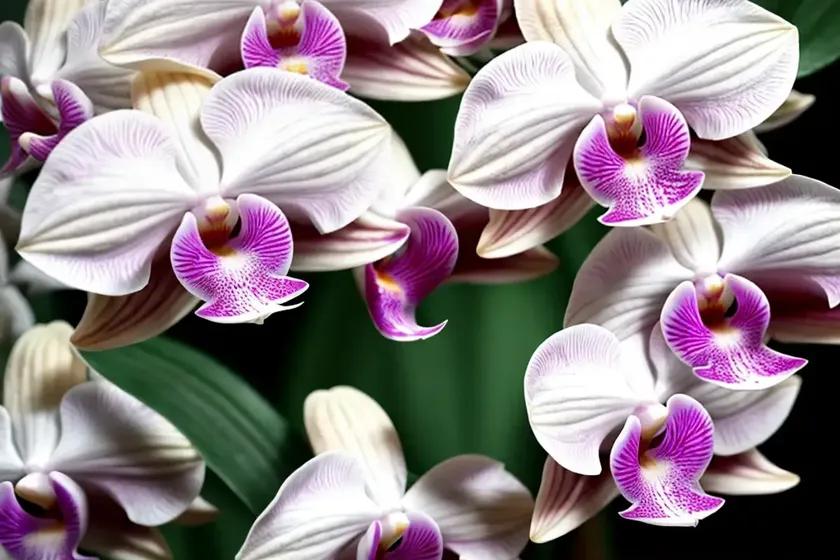
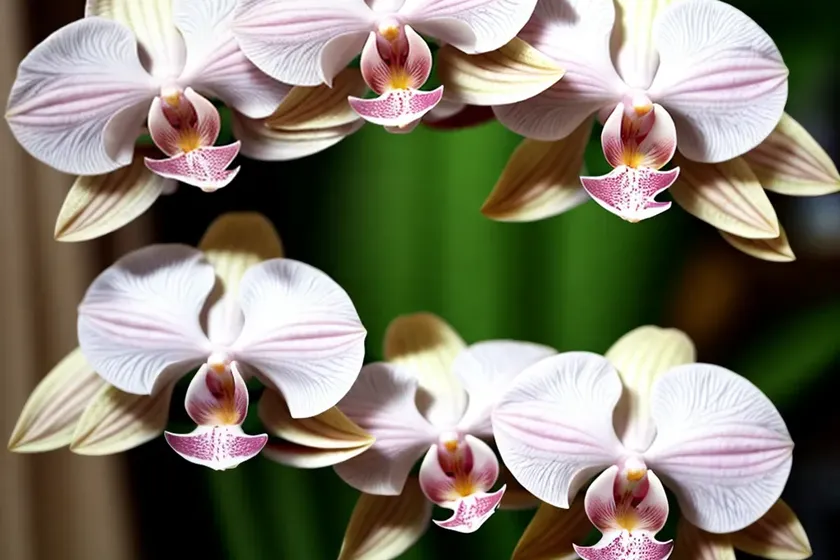
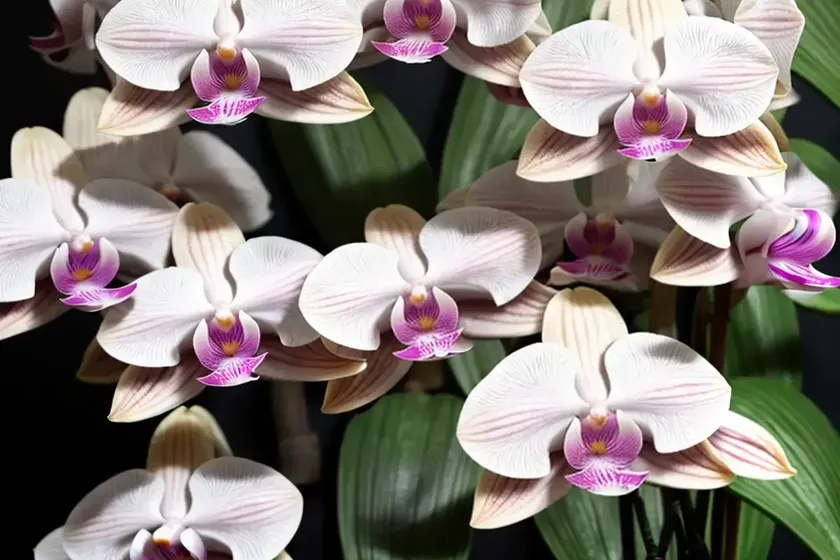
The Phalaenopsis orchid, commonly referred to as the Darling Orchid, belongs to the genus Phalaenopsis within the Orchidaceae family. This elegant orchid species is characterized by its exquisite, often fragrant flowers that come in a variety of colors, including shades of white, pink, purple, and yellow. The name “Phalaenopsis” is derived from the Greek word “phalaina,” which means “moth,” and “opsis,” meaning “resembling,” alluding to the orchid’s unique moth-like flowers.
Key Takeaways – Darling Orchid (Phalaenopsis)
Before delving into the specific care and cultivation requirements of the Darling Orchid, let’s take a look at the key takeaways that will be covered in detail in this guide:
- Culture
-
Understanding the origins and cultural significance of Phalaenopsis Orchids.
-
Uses
-
Exploring the ornamental and decorative uses of Darling Orchids.
-
Water
-
Discussing the optimal watering practices to maintain healthy Phalaenopsis Orchids.
-
Sunlight
-
Identifying the ideal light conditions for nurturing beautiful and thriving Darling Orchids.
-
Fertilizer
-
Providing insights into fertilization techniques to support robust growth and blooming.
-
Soil
-
Determining the suitable soil composition for cultivating healthy Phalaenopsis Orchids.
-
Pruning
-
Learning about the importance of pruning and the techniques for maintaining well-groomed Darling Orchids.
-
Propagation
-
Exploring various propagation methods to expand your collection of Phalaenopsis Orchids.
-
Container
-
Choosing the appropriate containers for optimal growth and development of Darling Orchids.
-
Popularity
- Understanding the widespread appeal and popularity of Phalaenopsis Orchids.
-
Common Diseases
- Recognizing and addressing common diseases that may affect Darling Orchids.
-
Disease Diagnosis
- Identifying symptoms and diagnosing health issues in Phalaenopsis Orchids.
-
Common Pests
- Addressing common pest problems and implementing control measures for Darling Orchids.
-
Botanist’s Tips
- Benefiting from expert tips and recommendations for successful orchid care.
-
Fun Facts
- Exploring intriguing and little-known facts about the charming Phalaenopsis Orchids.
Culture
Origins and Significance
The Phalaenopsis orchid, native to tropical and subtropical regions of Southeast Asia, is revered for its delicate and alluring blossoms, which have made it one of the most popular and widely cultivated orchid varieties in the world. Renowned for its timeless beauty, the Darling Orchid holds cultural significance in various countries, often symbolizing love, grace, and elegance. Its graceful appearance and captivating blooms have inspired artists, poets, and horticulturists for centuries, making it a revered and cherished plant in different cultures.
Uses
Ornamental and Decorative Purposes
Phalaenopsis Orchids are commonly grown for their ornamental value, adorning homes, offices, and special events with their enchanting flowers. The elegant and enduring blooms of Darling Orchids make them a popular choice for decorative purposes, adding a touch of refinement and natural beauty to any setting. Additionally, Phalaenopsis Orchids are often featured in floral arrangements, adding a touch of exotic allure and sophistication to bouquets and displays.
Water
Watering Practices for Healthy Phalaenopsis Orchids
Proper watering is crucial for the health and vitality of Darling Orchids. Understanding the watering needs of Phalaenopsis Orchids is essential in preventing issues such as root rot or dehydration. Here are some key considerations for watering your Phalaenopsis Orchids:
-
Frequency: Phalaenopsis Orchids typically require watering about once a week, but this may vary depending on the surrounding conditions, such as temperature, humidity, and the type of potting medium used.
-
Water Quality: It is important to use water that is free from chemicals and impurities when watering Darling Orchids. If your tap water contains high levels of minerals, consider using filtered or distilled water to prevent the buildup of harmful deposits in the potting medium.
-
Watering Technique: When watering Phalaenopsis Orchids, it is advisable to do so in the morning to allow any excess water to evaporate during the day. Additionally, it is beneficial to water the orchids at the base of the plant, avoiding the flowers and leaves to prevent the risk of fungal infections.
-
Potting Medium: The type of potting medium used can impact the watering frequency for Phalaenopsis Orchids. If your orchid is potted in a fast-draining medium, such as bark or sphagnum moss, it may require more frequent watering compared to those potted in a denser medium.
Sunlight
Providing Adequate Light for Darling Orchids
Light is an essential factor in the care of Phalaenopsis Orchids, as it directly influences the plant’s growth, blooming, and overall health. Understanding the light requirements for Darling Orchids will help ensure that they thrive and produce stunning flowers. Here’s what you need to know about providing optimal light conditions for Phalaenopsis Orchids:
-
Indirect Light: Phalaenopsis Orchids thrive in bright, indirect light. They should be shielded from direct sunlight, especially during the intense midday hours, as prolonged exposure to harsh sunlight can cause leaf burn and damage the delicate flowers.
-
Eastern Exposure: Placing Phalaenopsis Orchids near an east-facing window is ideal, as it allows them to receive gentle morning sunlight, which is beneficial for their growth and flowering.
-
Supplemental Lighting: In environments with limited natural light, supplemental artificial lighting, such as LED grow lights, can be used to provide the necessary light intensity and duration for Darling Orchids to flourish.
-
Light Duration: Phalaenopsis Orchids typically require about 10-12 hours of light each day. It is important to maintain a consistent light schedule and avoid sudden changes in lighting conditions, as this can affect the orchid’s flowering cycle.
-
Light Intensity: While Phalaenopsis Orchids require adequate light for healthy growth, it is important to prevent them from being exposed to excessive light, as this can lead to leaf yellowing or sunburn. Finding the right balance of light intensity is key to promoting robust and vibrant Darling Orchids.
Fertilizer
Fertilization Techniques for Robust Growth and Blooming
Proper fertilization is essential for the overall health and vigor of Phalaenopsis Orchids, providing them with essential nutrients to support robust growth and prolific blooming. Understanding the fertilizer needs of Darling Orchids will enable you to nourish them effectively. Here are some key points to keep in mind when fertilizing Phalaenopsis Orchids:
-
Fertilizer Type: Phalaenopsis Orchids benefit from a balanced, water-soluble orchid fertilizer formulated specifically for epiphytic orchids. Look for a fertilizer with a balanced ratio of macro and micronutrients, as well as additional supplements such as calcium and magnesium to support strong and healthy growth.
-
Fertilization Schedule: During the growing season, which typically spans from spring to early fall, Phalaenopsis Orchids should be fertilized every two to four weeks. It is important to dilute the fertilizer to half or quarter strength to avoid overfertilization, which can lead to salt buildup and root damage.
-
Watering Before Fertilizing: Before applying fertilizer, it is advisable to water the Phalaenopsis Orchids to ensure that the potting medium is moist. Fertilizing dry orchid roots can potentially cause damage, so it is important to provide adequate moisture before applying the fertilizer solution.
-
No Fertilization During Rest Period: During the rest period, which occurs in late fall to winter, when the orchid is not actively growing or blooming, it is best to refrain from fertilizing Phalaenopsis Orchids. Allowing the plant to rest during this period helps prepare it for the upcoming flowering season.
-
Flush with Water: Periodically flushing the potting medium with water can help prevent the buildup of excess salts from fertilizers, ensuring that Darling Orchids receive the appropriate nutrients without the risk of nutrient imbalances.
Soil
Soil Preferences for Healthy Phalaenopsis Orchids
Proper soil composition is essential for the well-being of Phalaenopsis Orchids, as it provides the necessary support, aeration, and drainage for the orchids’ roots. Understanding the soil preferences of Darling Orchids will help create an optimal growing environment. Here are some key considerations for soil composition when cultivating Phalaenopsis Orchids:
-
Fast-Draining Media: Phalaenopsis Orchids prefer a fast-draining and open potting medium that allows air to reach the roots and prevents water from accumulating around the root system. Common potting media for these orchids include fir bark, sphagnum moss, and various specialized orchid mixes.
-
Moisture Retention: While the potting medium should be quick-draining, it should also retain some moisture to support the orchid’s hydration needs. Sphagnum moss, in particular, provides excellent moisture retention while allowing for good aeration, making it a popular choice for potting Phalaenopsis Orchids.
-
Aeration and Stability: The ideal soil mix for Darling Orchids should provide good aeration to the roots and offer stability for the orchid to anchor itself securely. A balanced combination of organic and inorganic components, such as bark, perlite, and charcoal, can create an optimal growing medium for Phalaenopsis Orchids.
Pruning
Importance of Pruning and Techniques for Maintaining Darling Orchids
Pruning is an essential aspect of Phalaenopsis Orchid care, as it helps to promote new growth, maintain plant health, and improve the overall appearance of the orchid. Understanding the importance of pruning and the techniques for maintaining well-groomed Darling Orchids is key to cultivating thriving plants. Here are some key points to consider when pruning Phalaenopsis Orchids:
-
Remove Spent Blooms: Once the flowers on a Phalaenopsis Orchid have faded and wilted, it is important to carefully remove the spent blooms to encourage the plant to allocate its energy towards new growth and blooming.
-
Aerial Roots Maintenance: Phalaenopsis Orchids often produce aerial roots, which play a crucial role in the plant’s absorption of moisture and nutrients. Occasionally trimming or tucking these roots can help maintain a tidy appearance and prevent overcrowding within the pot.
-
Eliminate Diseased Parts: Pruning is an effective way to remove any diseased or damaged sections of the plant, including leaves, stems, or roots. Promptly removing such areas can prevent the spread of disease and promote the overall health of the Darling Orchid.
-
Stimulate New Growth: When pruning Phalaenopsis Orchids, it is important to make clean cuts using sterilized tools to prevent infections. Pruning can stimulate the orchid to produce new spikes and branches, leading to an abundance of blooms in the next flowering cycle.
Propagation
Various Propagation Methods for Expanding Your Collection of Darling Orchids
Propagation offers a wonderful opportunity to expand your collection of Phalaenopsis Orchids, whether for personal enjoyment or as a horticultural endeavor. Understanding the various propagation methods for Darling Orchids will allow you to propagate and share the beauty of these captivating plants. Here are some common propagation techniques for Phalaenopsis Orchids:
-
Keiki Production: Phalaenopsis Orchids are known for producing keikis, which are miniature plantlets that grow along the orchid’s flower spike. These keikis can be carefully removed and potted separately to develop into new individual orchid plants.
-
Division: The division method involves separating a mature Phalaenopsis Orchid into multiple plants by dividing the root system and stems. This technique can be employed when repotting orchids, allowing you to create new plants from the divided sections.
-
Backbulb Propagation: Backbulb propagation involves using the older pseudobulbs or backbulbs of Phalaenopsis Orchids to propagate new plants. By carefully detaching and potting these backbulbs, you can encourage them to develop into independent orchid plants with proper care and nurturing.
-
Tissue Culture: Tissue culture, or micropropagation, is a method commonly used by professional growers and horticulturists to propagate Phalaenopsis Orchids on a large scale. This technique involves culturing orchid tissue in a sterile laboratory environment to produce numerous identical orchid clones.
Container
Choosing the Appropriate Containers for Optimal Growth and Development of Darling Orchids
Selecting the right containers for Phalaenopsis Orchids is crucial for providing an ideal growing environment that supports healthy root development and overall plant vitality. Understanding the considerations for choosing suitable containers will contribute to the successful cultivation of Darling Orchids. Here are some factors to consider when selecting containers for Phalaenopsis Orchids:
-
Drainage Holes: Proper drainage is essential for Phalaenopsis Orchids, as stagnant water can lead to root rot. Select containers that have sufficient drainage holes to allow excess water to escape and prevent waterlogged conditions.
-
Transparent or Opaque Pots: Transparent pots allow for easy observation of the orchid’s root system and moisture levels, enabling you to monitor the plant’s health. Opaque pots, on the other hand, can help protect the orchid’s roots from exposure to light, which may be beneficial in certain growing conditions.
-
Pot Size: When choosing a pot for Darling Orchids, opt for a container that accommodates the orchid’s current root system with some room for future growth. Overly large pots can retain excess moisture, while cramped pots may restrict root development.
-
Material: Common materials for orchid pots include plastic, clay, and ceramic. Plastic pots are lightweight and retain moisture well, while clay pots provide good aeration and stability. Ceramic pots offer aesthetic appeal and can contribute to temperature and moisture regulation.
Popularity
Widespread Appeal and Popularity of Phalaenopsis Orchids
The popularity of Phalaenopsis Orchids, also known as Darling Orchids, extends across the globe, captivating and enchanting plant enthusiasts, collectors, and cultivators. Their widespread appeal can be attributed to several key factors, including their mesmerizing blooms, ease of care, and adaptability to various growing conditions. Here are some reasons why Phalaenopsis Orchids have gained widespread popularity:
-
Long-Lasting Blooms: Phalaenopsis Orchids are renowned for their long-lasting blooms, which can persist for several months under optimal conditions. Their ability to showcase exquisite flowers for an extended period contributes to their appeal as an ornamental plant.
-
Variety of Colors and Patterns: The diverse range of colors and patterns exhibited by Phalaenopsis Orchids, including white, pink, purple, and yellow hues, as well as striped or speckled patterns, offers an assortment of choices for enthusiasts and collectors.
-
Adaptability and Low Maintenance: Darling Orchids are favored for their adaptability to indoor environments and their relatively low maintenance requirements compared to other orchid species. Their ability to thrive in home environments contributes to their appeal as a popular ornamental plant.
-
Symbol of Elegance and Grace: Phalaenopsis Orchids have been associated with elegance, grace, and sophistication in various cultures, making them highly valued as gifts and decorative elements in homes, offices, and events.
-
Availability and Accessibility: Phalaenopsis Orchids are readily available in nurseries, garden centers, and online platforms, allowing enthusiasts to easily acquire and cultivate these captivating orchids.
-
Continual Flowering: Under proper care and favorable conditions, Phalaenopsis Orchids have the potential to rebloom multiple times, rewarding their caretakers with a continuous display of delicate and enchanting flowers.
Common Diseases
Recognizing and Addressing Common Diseases Affecting Darling Orchids
Despite being relatively resilient plants, Phalaenopsis Orchids are susceptible to certain diseases that can affect their overall health and blooming potential if not promptly addressed. Recognizing the symptoms and understanding how to manage common orchid diseases is essential for maintaining thriving Darling Orchids. Here are some common diseases that may affect Phalaenopsis Orchids:
-
Root Rot: Excessive moisture or poor drainage can lead to root rot in Phalaenopsis Orchids, causing the roots to become mushy, discolored, and prone to decay. This condition can result from overwatering or using a dense, water-retentive potting medium.
-
Bacterial and Fungal Infections: Bacteria and fungi can cause lesions, spots, or discoloration on the leaves and stems of Darling Orchids. These infections may result from poor air circulation, high humidity, or contaminated watering practices.
-
Viral Diseases: Viral infections in Phalaenopsis Orchids can lead to a range of symptoms, including mottled or distorted leaves, stunted growth, and reduced flowering. Viruses can be transmitted through contaminated tools, sap, or vectors such as pests.
-
Edema: Edema, characterized by the formation of small blisters or corky protrusions on the leaves, can occur in Phalaenopsis Orchids when there is an imbalance between water uptake and transpiration. This condition is often associated with fluctuating humidity and watering practices.
-
Crown and Stem Rot: Crown and stem rot can occur in Phalaenopsis Orchids when the central growth point, or crown, becomes infected, leading to the deterioration of the plant’s essential growth center. This may result from overwatering, poor air circulation, or physical injury.
Disease Diagnosis
Identifying Symptoms and Diagnosing Health Issues in Phalaenopsis Orchids
Diagnosing health issues in Phalaenopsis Orchids involves recognizing and interpreting common symptoms associated with diseases, environmental stress, and nutritional deficiencies. Understanding how to identify and address these issues is essential for maintaining the well-being of Darling Orchids. Here are some key symptoms and diagnostic considerations for common health issues in Phalaenopsis Orchids:
-
Leaf Discoloration: Yellowing or browning of the leaves can indicate various problems, including overwatering, underwatering, nutrient deficiencies, or diseases. Observing the pattern and progression of leaf discoloration can assist in determining the underlying cause.
-
Stunted Growth: Phalaenopsis Orchids that exhibit stunted or inhibited growth may be experiencing issues such as root rot, inadequate light, improper


