The Marvelous Dahlia ‘Spartacus’: A Comprehensive Guide to Cultivation and Care

Dahlias are renowned for their stunning blooms and diverse array of colors and forms. One particularly striking variety is the Dahlia ‘Spartacus’. With its vibrant red petals and robust growth habit, this cultivar has captured the hearts of gardeners and floral enthusiasts around the world. In this comprehensive guide, we will delve into the intricacies of cultivating and caring for the magnificent Dahlia ‘Spartacus’, providing valuable insights and practical tips for anyone seeking to add this exceptional plant to their garden or floral designs.
What is the Dahlia ‘Spartacus’?
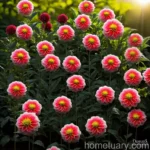
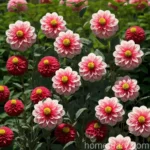
The Dahlia ‘Spartacus’ is a cultivar that belongs to the Dahlia genus, which is part of the Asteraceae family. This perennial plant is characterized by its striking red flowers, which are offset by deep green foliage. The ‘Spartacus’ variety is known for its large, fully double blooms, making it a popular choice for adding bold splashes of color to gardens and floral arrangements.
Key Takeaways:
- The Dahlia ‘Spartacus’ is a captivating perennial plant renowned for its vibrant red blooms.
- This cultivar is favored for its large, fully double flowers and robust growth habit.
- Dahlia ‘Spartacus’ is a member of the Dahlia genus within the Asteraceae family.
Cultivation
Water
Proper watering is crucial for the health and vibrancy of Dahlia ‘Spartacus’ plants. While they require consistently moist soil, it’s essential to avoid waterlogged conditions, which can lead to root rot. During the growing season, aim to water the plants deeply but infrequently, allowing the soil to dry out slightly between waterings. Additionally, consider using mulch around the base of the plants to help retain moisture and regulate soil temperature.
Sunlight
Dahlia ‘Spartacus’ thrives in full sunlight, requiring at least 6 to 8 hours of direct sun each day for optimal growth and prolific flowering. When selecting a planting location, prioritize areas with abundant sunlight to ensure the plants receive the energy they need to flourish and produce bountiful blooms.
Fertilizer
To support the vigorous growth and abundant flowering of Dahlia ‘Spartacus’, regular fertilization is essential. Prior to planting, incorporate a balanced, slow-release fertilizer into the soil. As the plants begin to grow, supplement with a high-phosphorus fertilizer to promote robust blooming. Be mindful of over-fertilization, as excessive nitrogen can lead to lush foliage at the expense of flower production.
Soil
Well-draining, nutrient-rich soil is fundamental for cultivating healthy Dahlia ‘Spartacus’ plants. A loamy soil with a slightly acidic to neutral pH level of 6.5 to 7.5 is ideal. Consider amending the soil with organic matter, such as compost or well-rotted manure, to enhance its structure and fertility.
Pruning
Regular pruning is instrumental in maintaining the vitality and aesthetic appeal of Dahlia ‘Spartacus’ plants. Deadheading spent flowers promotes continuous blooming and prevents the formation of seed heads, directing the plant’s energy toward producing new buds. Moreover, removing any diseased or damaged foliage helps to prevent the spread of infections and contributes to the overall health of the plants.
Propagation
Dahlia ‘Spartacus’ can be propagated through several methods, including division, stem cuttings, and seed propagation. Division is a popular technique commonly employed in early spring before new growth emerges. When dividing the tubers, ensure that each division has viable eyes and a portion of the original stem attached. Stem cuttings can also be rooted in a suitable growing medium to propagate identical clones of the parent plant. Lastly, although less common, Dahlia ‘Spartacus’ can be grown from seeds, providing an opportunity to explore unique variations and traits in the resulting seedlings.
Container Popularity
The striking beauty and manageable size of Dahlia ‘Spartacus’ make it an excellent candidate for container gardening. Whether displayed on a patio, balcony, or as a focal point in a garden, these vibrant plants add an exquisite touch to outdoor spaces.
Common Diseases
Disease Diagnosis
Dahlia ‘Spartacus’ is susceptible to various diseases, including powdery mildew, botrytis blight, and bacterial leaf spot. Regular monitoring of the plants for signs of disease, such as discoloration, wilting, or unusual growths, is crucial for early detection. Prompt action, including appropriate treatment or removal of affected plant parts, is essential to mitigate the spread of disease and preserve the health of the overall plant.
Common Pests
Botanist’s Tips:
- Dahlia ‘Spartacus’ is prone to attacks by pests such as aphids, spider mites, and earwigs.
- Introduce natural predators, like ladybugs and lacewings, to the garden to help control pest populations and minimize damage to the plants.
Fun Facts
- The name Dahlia pays homage to the Swedish botanist Anders Dahl, a prominent figure in the field of botany.
- The Dahlia ‘Spartacus’ is a favorite among florists for use in stunning floral arrangements and bouquets.
Links to External Resources
- American Dahlia Society
- Royal Horticultural Society: Growing Dahlias
- University of California Integrated Pest Management Program: Dahlia—Dahlia spp.
Plant Name: “Dahlia ‘Spartacus’”