Dianthus ‘Whatfield Magenta’ (Pink)
Dianthus ‘Whatfield Magenta’, also known as Pink, is a stunning flowering plant that attracts gardeners with its beautiful blossoms and easy maintenance..
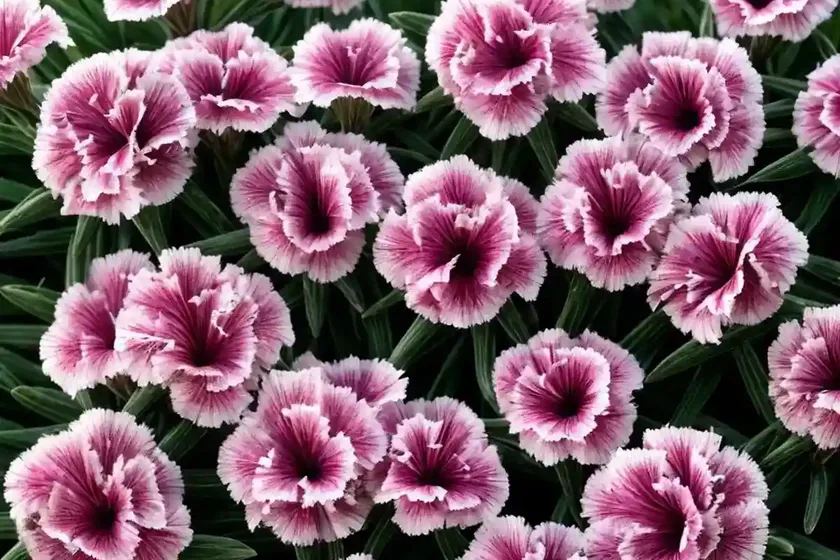
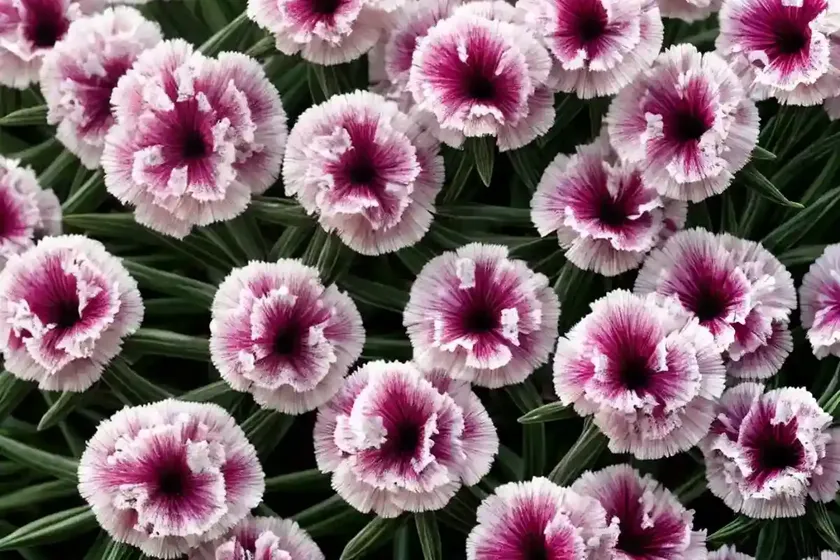
Dianthus ‘Whatfield Magenta’, also known as Pink, is a stunning flowering plant that attracts gardeners with its beautiful blossoms and easy maintenance. In this comprehensive guide, we will delve into the various aspects of the Dianthus ‘Whatfield Magenta’, including its culture, uses, care requirements, common diseases and pests, propagation, fun facts, and much more. Whether you are an experienced gardener or a beginner, this guide will provide you with valuable insights into nurturing and enjoying the beauty of Dianthus ‘Whatfield Magenta’.
What is Dianthus ‘Whatfield Magenta’ (Pink)?
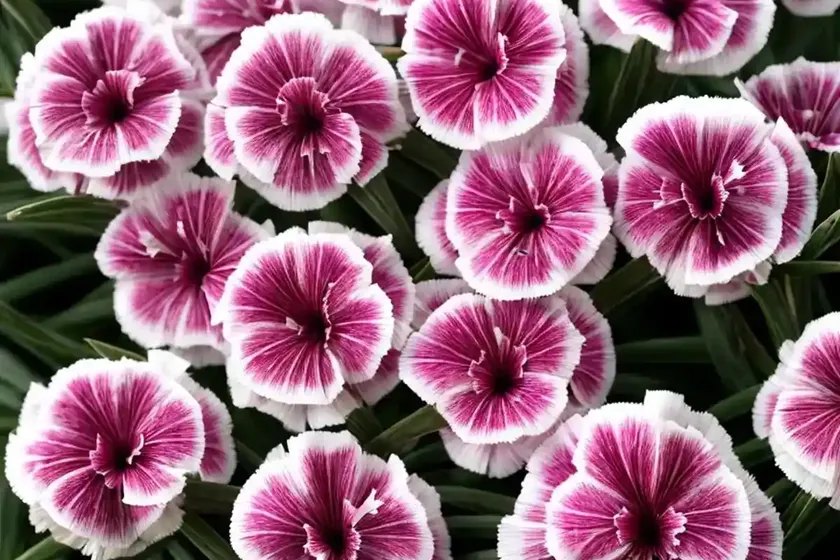
The Dianthus ‘Whatfield Magenta’ is a perennial plant known for its vivid pink flowers and distinctive fragrance. Belonging to the Dianthus genus, which encompasses around 300 species, this particular variety is highly esteemed for its ornamental value and resilience. With its compact growth habit and captivating flowers, Dianthus ‘Whatfield Magenta’ is a popular choice for garden borders, containers, rock gardens, and landscaping.
This plant is characterized by its numerous narrow, grey-green leaves and vibrant blooms that emerge on slender stems. The flowers, often adorned with fringed or serrated edges, exude a sweet, spicy scent that further enhances their allure. Dianthus ‘Whatfield Magenta’ is a versatile plant that can thrive in various growing conditions, making it an attractive option for both seasoned and novice gardeners.
Let’s explore the key takeaways and essential aspects of nurturing Dianthus ‘Whatfield Magenta’ to ensure its optimal growth and bloom.
Key Takeaways – Dianthus ‘Whatfield Magenta’ (Pink)
1. Culture
- Scientific Name: Dianthus ‘Whatfield Magenta’
- Common Name: Pink
- Plant Type: Perennial
- Family: Caryophyllaceae
- Origin: Europe and Asia
2. Uses
Dianthus ‘Whatfield Magenta’ serves various purposes in the garden and beyond:
- Ornamental Beauty: The striking pink flowers add vibrant color to garden beds, borders, and containers.
- Aromatic Appeal: The sweet, spicy fragrance of the flowers makes them ideal for cut flower arrangements and potpourri.
- Pollinator Attraction: The blooms attract butterflies and other pollinators, contributing to the biodiversity of a garden.
3. Water
- Watering: Dianthus ‘Whatfield Magenta’ prefers moderate and consistent moisture. Avoid overwatering to prevent waterlogging, which can lead to root rot.
4. Sunlight
- Sun Exposure: This plant thrives in full sunlight to partial shade. Adequate sunlight is crucial for robust growth and prolific flowering.
5. Fertilizer
- Fertilization: Apply a balanced, slow-release fertilizer in spring to promote healthy growth and abundant blooms. Avoid excessive nitrogen, as it may stimulate excessive foliage at the expense of flowering.
6. Soil
- Soil Type: Well-draining soil with a slightly alkaline pH is ideal for Dianthus ‘Whatfield Magenta’. Amending the soil with organic matter enhances its fertility and structure.
7. Pruning
- Deadheading: Regular deadheading of faded flowers encourages continuous blooming and maintains the plant’s tidy appearance.
- Trimming: Light trimming after the blooming season helps rejuvenate the plant and promote compact growth.
8. Propagation
- Division: Divide established clumps of Dianthus ‘Whatfield Magenta’ in early spring to propagate new plants.
- Cuttings: Root softwood cuttings in spring or semi-hardwood cuttings in summer to propagate exact replicas of the parent plant.
9. Container Popularity
- Container Gardening: Dianthus ‘Whatfield Magenta’ is well-suited for container cultivation, adding a splash of color and fragrance to patio gardens and balconies.
10. Common Diseases
- Powdery Mildew: A fungal disease that manifests as powdery white patches on leaves and stems.
- Damping-off: This disease affects seedlings, causing them to wilt and collapse at the soil line.
11. Disease Diagnosis
- Monitoring: Regular inspection of the plant for unusual symptoms such as discolored or distorted leaves, stunted growth, or mold.
- Prompt Action: Addressing any signs of disease promptly to prevent its spread and minimize damage to the plant.
12. Common Pests
- Aphids: Small, sap-sucking insects that can distort new growth and transmit viral diseases.
- Spider Mites: These tiny pests can cause stippling and webbing on the leaves, leading to decreased vigor.
Botanist’s Tips
- Mulching: Apply a layer of organic mulch around the base of Dianthus ‘Whatfield Magenta’ to conserve soil moisture and suppress weed growth.
- Companion Planting: Pair Dianthus with other sun-loving, well-draining plants to create visually appealing and harmonious garden compositions.
Fun Facts
- The name “Dianthus” is derived from the Greek words “dios” (divine) and “anthos” (flower), reflecting the esteemed status of these flowers in ancient cultures.
- Dianthus ‘Whatfield Magenta’ blooms are edible and can be used to garnish salads or desserts, adding a touch of color and subtle flavor.
Links to External Resources
For further information on Dianthus ‘Whatfield Magenta’, refer to the following resources:
- Royal Horticultural Society – Dianthus
- University of Florida IFAS Extension – Dianthus Production Guide
- Missouri Botanical Garden – Dianthus Care and Growing Guide
- American Society for the Prevention of Cruelty to Plants – Dianthus Cultivation Tips
- The Spruce – Dianthus Plant Profile
Conclusion
Dianthus ‘Whatfield Magenta’ (Pink) is a delightful addition to any garden, offering an exquisite visual display and captivating fragrance. By understanding the plant’s cultural requirements, maintenance practices, and potential challenges, gardeners can ensure the sustained vitality and charm of this beloved perennial. Whether incorporated into flower beds, containers, or landscape designs, the allure of Dianthus ‘Whatfield Magenta’ is bound to captivate and inspire budding and seasoned gardeners alike.
Now equipped with a comprehensive understanding of Dianthus ‘Whatfield Magenta’, enthusiasts can embark on a journey to cultivate, appreciate, and celebrate the enduring beauty of this pink flowering marvel. With the right care and attention, Dianthus ‘Whatfield Magenta’ is sure to flourish and enchant, enriching any outdoor space with its distinct presence and floral elegance.