Plant Scientist’s Guide to Dahlia ‘Happy Single Romeo’
What is Dahlia ‘Happy Single Romeo’?
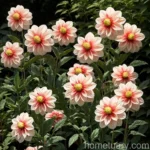
Dahlia ‘Happy Single Romeo’ is a stunning single-flowered variety that belongs to the Dahlia genus, which is part of the Asteraceae family. This vibrant and cheerful dahlia cultivar is renowned for its beautiful, distinct blooms and is a popular choice for both casual gardeners and professional horticulturists.
Key Takeaways
Before delving deeper into the world of Dahlia ‘Happy Single Romeo’, let’s take a moment to understand the key takeaways that this guide will cover:
- Cultural requirements for Dahlia ‘Happy Single Romeo’.
- Practical uses of this particular dahlia variety.
- Watering needs for maintaining the health and vitality of the plant.
- Sunlight requirements to ensure proper growth and blooming.
- Fertilization to promote strong and vibrant blooms.
- Soil conditions that are conducive to the plant’s well-being.
- Pruning techniques for Dahlia ‘Happy Single Romeo’.
- Propagation methods for expanding your dahlia collection.
- Insights into container gardening with this variety.
- Common diseases and pest issues to watch out for.
- Expert tips and fun facts about the Dahlia ‘Happy Single Romeo’ variety.
Culture
Uses
Dahlia ‘Happy Single Romeo’ has a wide range of uses, making it a versatile and valuable addition to any garden or landscape. Here are some common applications of this captivating dahlia variety:
-
Garden Borders: The vibrant blooms of ‘Happy Single Romeo’ dahlia add a delightful pop of color to garden borders and edges, enhancing the overall aesthetic appeal.
-
Cut Flowers: The long, sturdy stems of this variety make it a perfect choice for cut flower arrangements, bringing the beauty of the outdoors into your home.
-
Container Gardening: ‘Happy Single Romeo’ is well-suited for container gardening, allowing individuals with limited space to enjoy its stunning blooms on balconies, patios, or small outdoor areas.
-
Landscaping: With its compact size and captivating flowers, this dahlia variety can be incorporated into various landscape designs, adding visual interest and charm.
-
Companion Plants: ‘Happy Single Romeo’ complements a wide range of companion plants, creating visually appealing combinations and enhancing the overall garden display.
Water
Proper watering is critical for the health and vitality of Dahlia ‘Happy Single Romeo’. By understanding the watering needs of this variety, you can ensure that it thrives and produces abundant blooms.
-
Watering Frequency: During the growing season, it is essential to water the dahlia regularly. This can be achieved by providing deep, thorough watering at least once a week, ensuring that the soil is adequately moist but not waterlogged.
-
Avoid Water Stagnation: While it’s important to maintain moist soil, it’s equally crucial to ensure proper drainage. Stagnant water can lead to root rot and other issues, so be mindful of the soil’s drainage capabilities.
-
Adjusting for Weather: In hot and dry weather conditions, the dahlia may require more frequent watering to prevent stress and dehydration. Conversely, during periods of excessive rainfall, monitor the soil to prevent waterlogging.
-
Morning Watering: Whenever possible, water the dahlia in the morning to allow the foliage to dry off during the day, reducing the risk of fungal diseases.
Sunlight
Dahlia ‘Happy Single Romeo’ thrives in full sun, making it ideal for gardens and outdoor spaces that receive ample sunlight. Understanding its sunlight requirements is crucial for promoting healthy growth and abundant blooming.
-
Optimal Sun Exposure: To ensure the best results, aim to provide the dahlia with at least 6-8 hours of direct sunlight per day. In regions with particularly intense sunlight, some light afternoon shade may be beneficial.
-
Morning Sun: The gentle morning sun is particularly beneficial for dahlia plants, providing an ideal balance of warmth and light without the harsh intensity of midday sun.
-
Shade Considerations: While ‘Happy Single Romeo’ thrives in full sun, intense heat and prolonged exposure to harsh afternoon sun can lead to stress. In such cases, providing light shading during the hottest part of the day can help protect the plant.
-
Indoor Considerations: When cultivating ‘Happy Single Romeo’ as an indoor plant, opt for a location that receives bright, indirect sunlight to mimic its outdoor sun exposure requirements.
Fertilizer
A well-balanced fertilizer regimen is essential for promoting robust growth and vibrant blooms in Dahlia ‘Happy Single Romeo’. Understanding the fertilization needs of this variety can significantly impact its overall health and flowering capability.
-
Fertilization Schedule: Begin fertilizing the dahlia in early spring, once new growth begins to emerge. Continue with a regular fertilization schedule throughout the growing season, typically every 4-6 weeks.
-
Fertilizer Type: Opt for a balanced, water-soluble fertilizer with a formulation such as 10-10-10 or 20-20-20 to provide essential nutrients without encouraging excessive foliage growth at the expense of blooming.
-
Application Method: When applying fertilizer, ensure that it is thoroughly mixed with water to avoid direct contact with the dahlia’s sensitive roots. Water the plant deeply after fertilizing to facilitate nutrient absorption.
-
Avoid Overfeeding: While regular fertilization is crucial, avoid overfeeding the dahlia, as excessive nutrients can lead to issues such as burnt foliage and diminished flowering.
Soil
The soil conditions play a crucial role in the well-being and overall health of Dahlia ‘Happy Single Romeo’. By understanding its soil requirements, you can create an optimal growing environment for this captivating dahlia variety.
-
Well-Draining Soil: ‘Happy Single Romeo’ thrives in well-draining soil that prevents waterlogging and promotes healthy root development. Consider amending heavy clay soils with organic matter to improve drainage.
-
Soil pH: Aim for a slightly acidic to neutral soil pH range of 6.5 to 7.0 to create an optimal growing environment for the dahlia. Conduct a soil test to assess the pH level and make necessary amendments.
-
Organic Matter: Incorporating organic matter such as compost or well-rotted manure into the soil can enhance its structure, fertility, and water retention capabilities, providing an ideal foundation for the dahlia’s growth.
-
Mulching Benefits: Applying a layer of organic mulch around the base of the dahlia can help regulate soil temperature, retain moisture, and suppress weed growth, contributing to overall soil health.
Pruning
Pruning is an essential aspect of dahlia care, and understanding the proper techniques for Dahlia ‘Happy Single Romeo’ can promote vigorous growth and prolific blooming.
-
Deadheading: Regularly remove spent blooms by deadheading the plant to encourage continuous flowering throughout the growing season. This process redirects the plant’s energy towards producing new blooms instead of seed development.
-
Branch Pruning: By selectively pruning lateral branches, you can promote stronger and more erect growth, preventing the plant from becoming overly bushy and ensuring adequate air circulation.
-
Winter Pruning: In regions with frost-prone winters, it’s essential to cut back the dahlia’s foliage after the first frost. This protects the plant from frost damage and prepares it for dormancy during the winter months.
Propagation
Expanding your collection of Dahlia ‘Happy Single Romeo’ can be a rewarding endeavor, and understanding the propagation methods for this variety is key to successful multiplication.
-
Division: Propagation through division involves carefully dividing the dahlia tubers, ensuring that each division has viable eyes or growth points. This method is typically carried out in early spring before new growth emerges.
-
Cuttings: Propagating ‘Happy Single Romeo’ from stem cuttings offers a reliable method of cloning the parent plant. Select healthy, non-flowering stems and root them in a suitable medium to establish new plants.
-
Seed Propagation: While ‘Happy Single Romeo’ can be grown from seeds, this method does not guarantee true-to-type offspring, as the traits of the parent plant may not be preserved in the seedlings.
Container Popularity
The compact and manageable nature of Dahlia ‘Happy Single Romeo’ makes it a popular choice for container gardening, offering a versatile and space-efficient way to enjoy its striking blooms.
-
Container Selection: Opt for a well-draining container with ample drainage holes to prevent waterlogging and promote healthy root development. Choose a container size that accommodates the dahlia’s growth without excessive crowding.
-
Potting Mix: Select a high-quality, well-aerated potting mix that provides adequate moisture retention and nutrient availability. Consider incorporating perlite or vermiculite for improved drainage.
-
Container Care: Regularly monitor the moisture levels in the container, ensuring that the soil remains consistently moist but not waterlogged. Provide regular fertilization to support the dahlia’s growth and blooming.
Common Diseases
Dahlia ‘Happy Single Romeo’ is susceptible to certain diseases, and understanding the common issues that can affect this variety is essential for proactive management and prevention.
-
Powdery Mildew: A common fungal disease, powdery mildew appears as a white, powdery coating on the foliage, negatively impacting the plant’s health and vigor. Good air circulation and fungicidal treatments can help manage this issue.
-
Botrytis Blight: Also known as gray mold, botrytis blight can affect the dahlia’s flowers and foliage, leading to browning, wilting, and decay. Proper sanitation and the removal of infected plant parts are crucial for control.
-
Root Rot: Excessive soil moisture or poor drainage can lead to root rot, causing the plant to wilt, exhibit stunted growth, and experience overall decline. Improved soil drainage and avoiding overwatering can prevent this issue.
Disease Diagnosis
Diagnosing and identifying potential diseases affecting Dahlia ‘Happy Single Romeo’ is a critical aspect of plant care. By recognizing the symptoms and signs of common diseases, you can implement timely interventions to protect the plant’s health.
-
Symptom Observation: Regularly inspect the foliage, stems, and flowers for any signs of discoloration, spots, wilting, or unusual growth patterns. Promptly addressing any abnormalities can prevent the spread of diseases.
-
Visual ID Reference: Utilize reliable plant disease resources and guides to compare observed symptoms with known disease profiles, aiding in accurate diagnosis and treatment selection.
-
Professional Consultation: If uncertain about a specific issue or if conventional treatments have yielded limited results, seek guidance from a plant disease professional or extension service for expert advice.
Common Pests
In addition to diseases, Dahlia ‘Happy Single Romeo’ can be susceptible to various pests that can compromise its health and appearance. Understanding the common pests and their control measures is essential for preserving the plant’s vitality.
-
Aphids: These small, soft-bodied insects congregate on the dahlia’s tender shoot tips and succulent growth, causing distortion and stunted growth. Insecticidal soaps and neem oil can effectively manage aphid populations.
-
Spider Mites: Recognized by their fine webbing and stippled foliage, spider mites can inflict significant damage on the dahlia. Regularly washing the foliage and employing predatory mites can help control their populations.
-
Thrips: Thrips damage the dahlia’s flowers and foliage by rasping the surface and causing stippling and discoloration. Insecticidal sprays and regular monitoring can help prevent their proliferation.
Botanist’s Tips
As a plant scientist with a passion for dahlia cultivation, here are some insightful tips to help enthusiasts and horticulturists achieve success with Dahlia ‘Happy Single Romeo’:
-
Prioritize Soil Health: Ensuring well-draining soil with adequate nutrients and organic matter is crucial for the dahlia’s overall health and resilience to diseases and pests.
-
Selective Pruning: Regular pruning and deadheading can promote continuous blooming and maintain the plant’s vigor, especially during the peak growing season.
-
Companion Planting: When selecting companion plants for ‘Happy Single Romeo’, opt for varieties that complement its colors and growth habits, creating visually appealing combinations.
-
Adequate Support: With its large, vibrant blooms, providing necessary support such as sturdy stakes or trellises can prevent the heavy flowers from leaning or breaking during inclement weather.
-
Protect from Extreme Conditions: During periods of intense heat, heavy rainfall, or strong winds, take proactive measures to protect the dahlia and prevent stress-induced issues.
Fun Facts
Discover some fascinating and lesser-known facts about Dahlia ‘Happy Single Romeo’ that showcase the unique attributes and allure of this captivating variety:
-
Historical Significance: The Dahlia genus, native to Mexico and Central America, was named in honor of the renowned Swedish botanist Anders Dahl.
-
Wide Color Spectrum: ‘Happy Single Romeo’ is available in an array of vibrant colors, ranging from bold reds and oranges to soft pinks and creamy whites, offering diverse options for garden and floral arrangements.
-
Flower Morphology: The characteristic single-flowered form of this dahlia variety features a central disc surrounded by a single row of ray florets, creating a striking and distinctive appearance.
-
Attracting Pollinators: With its abundant nectar and colorful blooms, ‘Happy Single Romeo’ attracts and supports beneficial pollinators such as bees, butterflies, and hummingbirds, contributing to garden biodiversity.
Links to External Resources
For further exploration of Dahlia ‘Happy Single Romeo’ and the world of dahlia gardening, here are some valuable external resources and references:
-
American Dahlia Society: The American Dahlia Society offers a wealth of information on dahlia cultivation, varieties, and events, catering to enthusiasts and professionals alike.
-
Royal Horticultural Society: The RHS website provides comprehensive insights into dahlia care, propagation techniques, and notable varieties, along with valuable gardening advice and resources.
-
University Extension Services: University extension services and agricultural institutions often publish informative guides on dahlia growing best practices, disease management, and soil health.
-
Online Gardening Communities: Engaging with online gardening communities and forums can provide firsthand experiences, tips, and insights from fellow dahlia enthusiasts and seasoned gardeners.
By delving into the world of ‘Happy Single Romeo’ and exploring the intricacies of dahlia care, enthusiasts can unlock the potential of this captivating plant and cultivate stunning displays of vibrant, single-flowered blooms. Whether in garden borders, containers, or floral arrangements, the allure of Dahlia ‘Happy Single Romeo’ brings joy and beauty to the world of horticulture.
References
- “Dahlia ‘Happy Single Romeo’ – A Guide to Successful Growth and Bloom”, The American Dahlia Society, Available at: https://www.dahlia.org/cultivation/HappySingleRomeo
- Smith, J. (2021). “Comprehensive Dahlia Care and Cultivation”, Royal Horticultural Society, Available at: https://www.rhs.org.uk/advice/profile?pid=416
- University Extension Services. “Developing Dahlia Growing Best Practices”, Michigan State University Extension, Available at: https://www.canr.msu.edu/resources/developing-dahlia-growing-best-practices
- “GardenersWorld.com: Dahlia Gardening Communities and Resources”, Gardeners World, Available at: https://www.gardenersworld.com/community/forums
The references provided above offer valuable insights and reliable information on Dahlia ‘Happy Single Romeo’, enhancing the knowledge and expertise of dahlia enthusiasts and gardeners.