The Beautiful Dahlia ‘Andrea Lawson’: A Complete Guide to Cultivation, Care, and Maintenance
Dahlias are one of the most beloved flowering plants in the world. With their wide array of colors, shapes, and sizes, they have become a favorite among avid gardeners and horticultural enthusiasts. In this extensive guide, we will delve into the enchanting world of the Dahlia ‘Andrea Lawson’, covering everything from its cultivation and care to its propagation, common diseases, and pests.
What is a Dahlia?
The Dahlia is a genus of bushy, tuberous, perennial plants native to Mexico and Central America. These stunning flowers belong to the Asteraceae family, which is also the family of sunflowers, daisies, and chrysanthemums. Dahlia plants are known for their vibrant and large flowers that come in a wide range of colors, from dazzling reds and oranges to soft pinks and creamy whites. The flowers are generally quite large, with some varieties reaching up to 12 inches in diameter.
Dahlias are a favorite in gardens and public landscapes due to their spectacular blooms and diverse array of varieties. They are known for their long flowering season, which typically extends from midsummer to the first frost in autumn. These resilient and versatile plants have made their way into the hearts of gardeners and florists alike, making them a popular choice for both commercial growers and home gardeners.
Key Takeaways – Dahlia ‘Andrea Lawson’
- Botanical Name: Dahlia ‘Andrea Lawson’
- Variety: Cactus Dahlia
- Blooming Season: Midsummer to First Frost
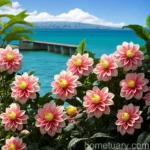
- Flower Color: Vivid shades of pink with a hint of white
- Plant Size: Medium to Tall (3 to 4 feet)
- Growth Habit: Upright and bushy
- Foliage: Deep green, lush foliage
- Sunlight: Full sun to partial shade
- Watering: Regular, well-draining soil
- Soil Type: Rich, well-draining soil
- Hardiness Zones: 8 to 10
- Uses: Ideal for gardens, borders, and cut flower arrangements
Now, let’s dive deeper into the specifics of cultivating and caring for the Dahlia ‘Andrea Lawson’ to ensure that it thrives in your garden.
Culture
Water
Dahlias, including the ‘Andrea Lawson’ variety, benefit from consistent and deep watering, especially during the growing season. It’s essential to keep the soil evenly moist but not waterlogged. A good guideline is to water the plants deeply once or twice a week, providing approximately 1 to 1.5 inches of water each time. However, the water requirements may vary based on the climate and soil conditions in your specific location.
During hot and dry periods, it’s important to monitor the moisture levels regularly and adjust the watering frequency as needed. Using a layer of mulch around the dahlia plants can help retain soil moisture and reduce water evaporation, contributing to a more stable soil moisture level.
Sunlight
Dahlias thrive in full sun, requiring at least 6 to 8 hours of direct sunlight per day to promote healthy growth and abundant flowering. However, in regions with scorching summer temperatures, providing some afternoon shade can be beneficial, especially during the hottest part of the day. While the ‘Andrea Lawson’ variety can tolerate partial shade, it is recommended to ensure that the plants receive ample sunlight to encourage robust and vigorous growth.
Fertilizer
Fertilizing dahlia plants is essential to ensure they have the necessary nutrients for healthy growth and prolific flowering. A balanced, all-purpose fertilizer with a formulation such as 10-10-10 or 12-12-12 can be applied to the soil around the plants every 4 to 6 weeks during the growing season. Additionally, a high-potassium fertilizer, such as a 10-20-20 formulation, can be used to promote abundant flowering and strengthen the plants’ resistance to diseases and pests.
It’s crucial to avoid over-fertilization, as excessive nutrients can lead to lush foliage growth at the expense of flowering. Always follow the manufacturer’s instructions and apply the fertilizer evenly around the plants, ensuring that it is well-watered after application to facilitate the absorption of nutrients into the soil.
Soil
Dahlia ‘Andrea Lawson’ thrives in well-draining, fertile soil with a slightly acidic to neutral pH range of 6.5 to 7.0. A loamy soil type, rich in organic matter, provides an ideal growing medium for these plants. Before planting, it’s recommended to amend the soil with well-rotted compost or organic matter to improve its structure, fertility, and water retention capacity.
In heavy clay soils, incorporating organic materials such as compost, peat moss, or aged manure can enhance drainage and aeration, preventing the risk of waterlogged conditions that can lead to root rot. Conversely, for sandy soils with low nutrient content, adding organic amendments can help increase the soil’s fertility and water retention abilities.
Pruning
Pruning plays a crucial role in maintaining the vigor and flower production of Dahlia ‘Andrea Lawson’. Regular deadheading, which involves removing spent flowers and developing seed heads, encourages the plant to redirect its energy towards producing new blooms rather than setting seeds. This practice promotes continuous flowering throughout the growing season and prolongs the overall blooming period.
Aside from deadheading, dahlia plants may benefit from occasional pinching or disbudding to manage their growth and shape. Pinching or removing the terminal bud of the main stem can encourage lateral branching, resulting in a bushier and more compact plant form. Disbudding involves removing excess flower buds to enable the remaining buds to develop larger and more robust flowers.
Propagation
Division
Dahlia ‘Andrea Lawson’ can be propagated through division, a common and straightforward method that involves separating the tuberous roots of an established plant to create new individuals. Division is typically carried out in early spring, just before new growth emerges, or in the autumn after the plants have finished flowering.
To propagate dahlias through division, follow these steps:
-
Carefully dig up the dahlia clump, ensuring that the tubers and their attached stems are intact.
-
Gently shake off the excess soil to reveal the individual tubers and identify natural points of separation.
-
Using a clean and sharp garden knife, divide the clump by cutting through the tubers, ensuring that each divided section has at least one eye or growing point.
-
Dust the cut surfaces with a fungicide to prevent diseases, and allow the tubers to air dry for a few hours to form a protective callus.
-
Plant the divided tubers in prepared garden beds or containers, ensuring that they are positioned at the appropriate depth and distance from each other.
-
Water the newly divided tubers and provide them with the same care and growing conditions as established plants.
Stem Cuttings
Propagating dahlia plants from stem cuttings is another viable method to create new individuals and preserve specific varieties. This method is commonly used by horticulturists and enthusiasts to maintain the genetic integrity of prized cultivars, such as the ‘Andrea Lawson’ variety.
To propagate dahlias from stem cuttings:
-
Select healthy and vigorous stems from the parent plant, choosing ones that have not yet flowered.
-
Using a sharp, sterilized blade, cut a 4 to 6-inch section of the stem, making the cut just below a leaf node.
-
Remove the lower leaves from the cutting, leaving only a few leaves at the tip.
-
Dip the cut end of the stem in a rooting hormone to promote the development of roots.
-
Plant the cutting in a well-draining potting mix and water it thoroughly.
-
Provide the cutting with consistent moisture and indirect light while it develops roots, which typically takes several weeks.
-
Once the cutting has established a healthy root system, it can be transplanted into the garden or a larger container to continue its growth.
Propagation through stem cuttings allows for the rapid multiplication of desirable dahlia varieties and provides an effective means of preserving and sharing unique cultivars with other gardeners and enthusiasts.
Container Popularity
The Dahlia ‘Andrea Lawson’ is equally well-suited for container cultivation, making it an excellent choice for gardens, balconies, and patios. Its vibrant and showy flowers bring a burst of color and elegance to any outdoor space, whether planted individually or as part of a mixed container display. When grown in containers, dahlias offer the advantage of mobility, allowing gardeners to rearrange their outdoor settings or create focal points with ease.
Container-grown dahlias also provide an opportunity for urban and space-constrained gardeners to enjoy the beauty and charm of these plants, even in limited gardening environments. The ‘Andrea Lawson’ variety’s medium to tall growth habit makes it an attractive specimen for large containers and deep planters, where its striking flowers can truly shine.
When selecting containers for growing dahlias, opt for ones with adequate drainage holes to prevent waterlogging, as well-draining soil is essential for the health and vigor of these plants. Additionally, choosing containers that complement the color and style of the dahlias can enhance the visual appeal of the overall display, creating an inviting and captivating outdoor presence.
Common Diseases
Disease Diagnosis
Despite being generally low-maintenance plants, dahlias, including the ‘Andrea Lawson’ variety, can occasionally fall victim to various diseases that may affect their overall health and flowering performance. Identifying and diagnosing these diseases promptly is crucial for implementing effective control measures and preventing further spread within the garden.
Here are some common diseases that can affect Dahlia ‘Andrea Lawson’, along with their symptoms and potential management strategies:
-
Powdery Mildew (Erysiphe cichoracearum): This fungal disease presents as a powdery white coating on the leaves, stems, and flower buds of the plant. Infected plant parts may become distorted or stunted, and severe infections can lead to leaf yellowing and premature defoliation. To manage powdery mildew, it’s essential to provide adequate air circulation, reduce humidity around the plants, and apply fungicidal sprays when necessary.
-
Botrytis Blight (Botrytis cinerea): Botrytis blight, also known as gray mold, manifests as grayish-brown lesions on the flowers, stems, and leaves of dahlias. Under humid conditions, the affected plant parts may develop fuzzy gray mold growth, leading to the rapid decay of the tissues. To minimize the risk of botrytis blight, it’s crucial to avoid overhead watering, maintain good air circulation, and promptly remove and dispose of any infected plant debris.
-
Root Rot (Pythium spp. and Phytophthora spp.): Excessive soil moisture and poor drainage can create favorable conditions for the development of root rot in dahlia plants. Symptoms of root rot include wilting, yellowing, and stunted growth, often accompanied by foul-smelling, mushy roots. To prevent root rot, it’s important to ensure proper soil drainage, avoid overwatering, and practice good sanitation when handling dahlia tubers and roots.
-
Viral Diseases (Various): Dahlia plants are susceptible to several viral diseases, including mosaic virus and leaf curl virus, which can cause mottling, distortion, and stunted growth in infected individuals. Since viral diseases have no cure, prevention is key, and it involves controlling aphid vectors, removing and destroying infected plants, and sourcing virus-free planting materials.
Common Pests
Botanist’s Tips
Dahlia ‘Andrea Lawson’ is generally resistant to most common pests, but it can occasionally encounter pest-related issues that require attention and management. By maintaining good cultural practices and keeping an eye out for early signs of pest activity, gardeners can effectively safeguard their dahlia plants from potential pest infestations.
Here are some noteworthy tips to help protect Dahlia ‘Andrea Lawson’ from common pests:
-
Aphids: Aphids are soft-bodied insects that feed on the sap of plant tissues, causing distortion, yellowing, and stunted growth in affected plants. To manage aphid populations, encourage natural predators such as ladybugs and lacewings, and if needed, employ targeted sprays of insecticidal soap or neem oil to control infestations.
-
Earwigs: These nocturnal insects can feed on dahlia flowers and foliage, leading to ragged and chewed plant tissues. To reduce earwig damage, place rolled newspaper or cardboard traps near the plants to capture the insects, and manually remove them during the early morning.
-
Spider Mites: Spider mites are tiny arachnids that can cause stippling, webbing, and overall decline in dahlia plants. Regularly rinsing the plants with a strong blast of water can help dislodge spider mites and reduce their populations. Additionally, introducing predatory mites can provide natural control of spider mite infestations.
-
Slugs and Snails: These mollusks can feast on dahlia leaves and tender stems, leaving behind irregular holes and slimy trails. To protect the plants from slug and snail damage, use physical barriers such as copper tape or diatomaceous earth, and handpick the pests during dusk and dawn when they are most active.
Implementing integrated pest management (IPM) strategies, which emphasize proactive monitoring, cultural interventions, and targeted treatments, can effectively minimize pest pressures while promoting a balanced and thriving garden ecosystem.
Fun Facts
- The ‘Andrea Lawson’ variety of Dahlia is named after the renowned horticulturist Andrea Lawson.
- Dahlias are the national flower of Mexico and are highly valued for their cultural and symbolic significance.
- The word “Dahlia” is derived from the Swedish botanist Anders Dahl, who played a significant role in the popularization of these plants in Europe during the 18th century.
- The tubers of some dahlia species are edible and have been historically used as a food source by indigenous communities in Mexico.
Links to External Resources
For further information on Dahlia ‘Andrea Lawson’ and its cultivation, care, and maintenance, we recommend exploring the following external resources:
- American Dahlia Society: www.dahlia.org
- Royal Horticultural Society – Growing Dahlias: www.rhs.org.uk/advice/grow-your-own/flowers/dahlias
- The National Gardening Association – All About Growing Dahlias: garden.org/learn/articles/view/4149
- University of Florida IFAS Extension – Dahlia Culture for Florida Gardens: edis.ifas.ufl.edu/mg442
Dahlia ‘Andrea Lawson’ stands as a remarkable testament to the beauty and diversity of the dahlia genus. Its captivating flowers, vibrant colors, and ornamental value make it a cherished addition to gardens, landscapes, and cut flower arrangements. By understanding and implementing the best practices for its care and maintenance, gardeners can witness the splendor of this magnificent variety season after season.
Dive into the awe-inspiring world of the Dahlia ‘Andrea Lawson’ and let its enchanting presence flourish in your garden, bringing joy, color, and elegance to your outdoor spaces.
Reference:
1. American Dahlia Society. (n.d.). Dahlia.org. https://www.dahlia.org
2. Royal Horticultural Society – Growing Dahlias. (n.d.). Rhs.org.uk. https://www.rhs.org.uk/advice/grow-your-own/flowers/dahlias
3. The National Gardening Association – All About Growing Dahlias. (n.d.). Garden.org. https://garden.org/learn/articles/view/4149
4. University of Florida IFAS Extension – Dahlia Culture for Florida Gardens. (n.d.). Edis.ifas.ufl.edu. https://edis.ifas.ufl.edu/mg442