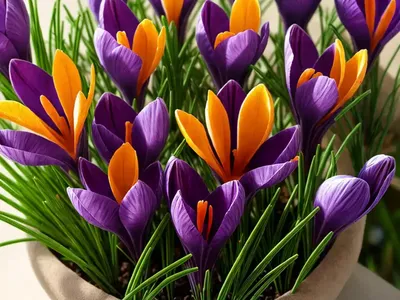
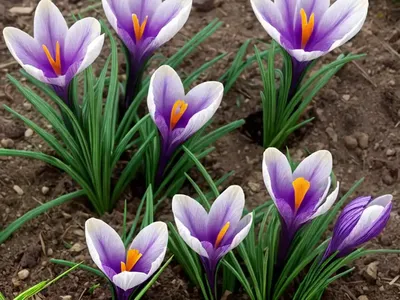
Crocus Vernus ‘Vanguard’ (Dutch Crocus)
Crocus vernus ‘Vanguard’ is a delightful spring-blooming flower that belongs to the extensive family of Crocus. This Dutch Crocus variety is renowned for.
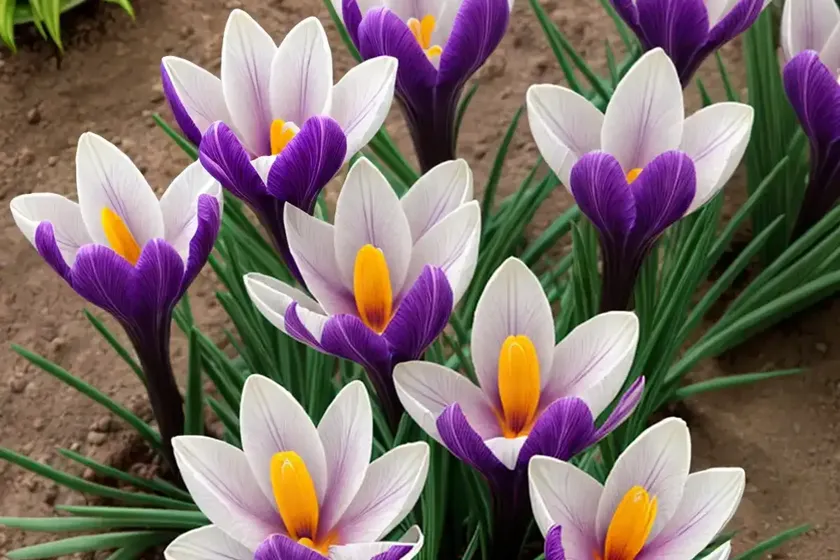
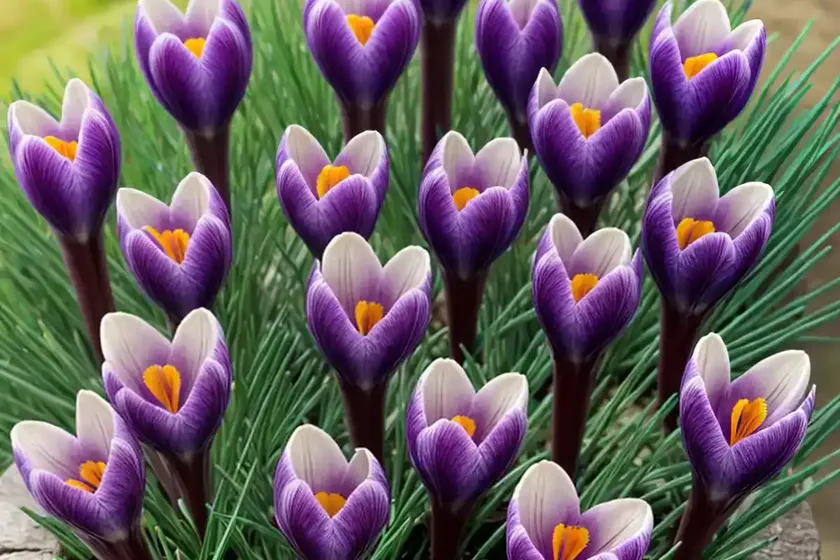
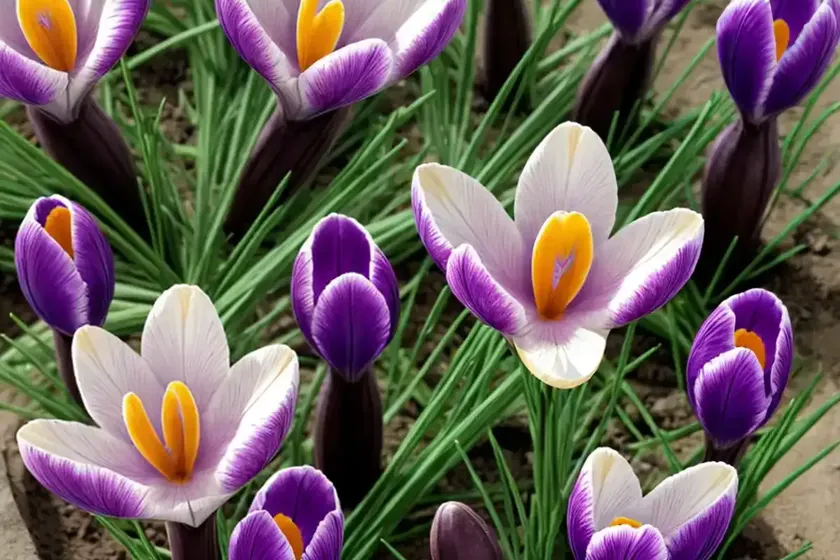
Crocus vernus ‘Vanguard’ is a delightful spring-blooming flower that belongs to the extensive family of Crocus. This Dutch Crocus variety is renowned for its charming flowers, which bring a burst of color to gardens and landscapes. In this comprehensive guide, we will explore the cultivation, care, and various aspects of this beautiful plant, providing insights for novice and experienced gardeners alike.
What is Crocus vernus ‘Vanguard’?
Crocus vernus ‘Vanguard’, commonly known as the Dutch Crocus, is a perennial flowering plant characterized by its stunning cup-shaped flowers. This variety is a member of the Iridaceae family and is native to the Alps, Provence, and the Balkans, where it thrives in rocky and alpine meadow habitats.
The ‘Vanguard’ cultivar is particularly prized for its vibrant hues and compact growth habit, making it a popular choice for garden borders, rock gardens, and containers. Its early spring bloom and hardiness make it a much-anticipated sight after the winter months, adding a bright touch to the garden landscape.
Key Takeaways – Crocus vernus ‘Vanguard’ (Dutch Crocus)
Here are some key takeaways about Crocus vernus ‘Vanguard’ that you might find interesting and useful:
- Cultivation: Dutch Crocus variety that thrives in well-drained soil and requires minimal maintenance.
- Propagation: Can be propagated through corms or seeds, making it an accessible option for gardeners.
- Sunlight: Thrives in full sun to partial shade, making it adaptable to various garden conditions.
- Water: Requires moderate watering, particularly during its active growth and flowering periods.
- Soil: Flourishes in fertile, well-drained soil with a preference for neutral to slightly alkaline pH levels.
- Fertilizer: Limited fertilizer requirements; a balanced, low-nitrogen fertilizer can be applied sparingly.
- Pruning: Minimal pruning needed; deadheading spent flowers can promote a tidier appearance.
- Uses: Ideal for borders, rock gardens, naturalizing, and container plantings.
- Popularity: Widely favored as an early spring bloomer and a charming addition to seasonal displays.
- Disease and Pest Resistance: Exhibits good resistance to common diseases and pests, making it relatively low-maintenance.
With these key points in mind, let’s delve deeper into the various aspects of cultivating and caring for Crocus vernus ‘Vanguard’ to ensure successful growth and a stunning display of spring blooms.
Cultivation and Care of Crocus vernus ‘Vanguard’
Crocus vernus ‘Vanguard’ is a resilient and rewarding plant to cultivate, and understanding its specific requirements is vital for optimal growth and performance in the garden. From planting to maintenance and beyond, let’s explore the best practices for ensuring the success of this delightful Dutch Crocus variety.
Planting Guide
Planting Time
The ideal time for planting Dutch Crocus bulbs is in the fall before the ground freezes, usually from late September to early November. This allows the bulbs to establish their root systems before the onset of winter, ensuring a robust display of blooms in the following spring.
Soil Conditions
Crocus vernus ‘Vanguard’ thrives in well-drained soil with a preference for moderately fertile, loamy soil. It is essential to ensure that the planting site has good drainage, as excessive moisture can lead to bulb rot and other issues. Additionally, the plant tends to perform best in neutral to slightly alkaline soils, with a pH range of 6.0 to 7.5 being optimal.
Planting Depth
When planting Crocus vernus ‘Vanguard’ bulbs, a general guideline is to place them at a depth of around 3 to 4 inches (7.5 to 10 cm). This depth provides insulation and protection for the bulbs while allowing them to emerge naturally in the spring.
Spacing
Bulb spacing is crucial for achieving an aesthetically pleasing and balanced display of blooms. Typically, spacing bulbs approximately 3 to 4 inches (7.5 to 10 cm) apart is advisable, allowing for ample airflow and reducing the risk of overcrowding.
Water Requirements
Proper watering is essential for the successful cultivation of Crocus vernus ‘Vanguard’. During the fall planting period, it is advisable to water the newly planted bulbs to help initiate root growth before winter sets in. Generally, the bulbs should be watered thoroughly after planting, and subsequently, they will require minimal additional watering until the spring.
Once the growing season commences, and especially during the flowering period, moderate and consistent moisture is crucial for optimal flower production and overall plant health. Be mindful of prolonged dry spells, as adequate hydration contributes to strong blooms and sustains the plant through its growth stages.
Sunlight Preferences
Dutch Crocus varieties, including Crocus vernus ‘Vanguard’, typically thrive in locations with full sun to partial shade. In regions with milder climates, a balance of direct sunlight and dappled shade can provide an ideal environment for these spring-blooming beauties. When planted in full sun, the flowers and foliage will receive ample light to promote robust growth and vibrant blooms.
Overwintering and Winter Care
After the spring bloom period concludes, the foliage of Crocus vernus ‘Vanguard’ will begin to wither and die back naturally. At this stage, it is crucial to allow the foliage to senesce and gather energy for the following year’s growth. Avoid removing the foliage prematurely, as this can impact the bulb’s ability to replenish its energy reserves.
In anticipation of the winter months, the bulbs can benefit from a layer of mulch to insulate and protect them from extreme temperatures, particularly in regions with harsh winter conditions. A 2 to 3-inch (5 to 7.5 cm) layer of mulch, such as straw or leaf litter, can be applied over the planting area to safeguard the bulbs during the dormant period.
Fertilization
Crocus vernus ‘Vanguard’ generally has minimal fertilizer requirements, particularly when planted in fertile soil. However, a balanced, low-nitrogen fertilizer can be applied sparingly in the early autumn, just after planting, to support root establishment and ensure the availability of essential nutrients for the subsequent spring bloom.
It is important to exercise caution when applying fertilizer to avoid excessive nitrogen, which can lead to lush foliage at the expense of flower production. A general-purpose bulb fertilizer with a lower nitrogen content, such as 5-10-10 or 5-10-5, can provide the necessary nutrients without promoting excessive leaf growth.
Pruning and Deadheading
Minimal pruning is needed for Crocus vernus ‘Vanguard’, as the plant tends to exhibit a tidy growth habit with minimal foliage maintenance requirements. During the flowering period, spent blooms can be removed through deadheading to promote a tidier appearance and prevent the formation of seed pods. It is important to undertake deadheading promptly as the flowers fade to redirect the plant’s energy towards bulb development and future growth.
Propagation and Maintenance
Crocus vernus ‘Vanguard’ can be propagated through both division of corms and the collection and sowing of seeds. While corm division is a more common and reliable method, seed propagation presents an alternative for expanding plantings or introducing new varieties.
Corm Division
Corm division is typically conducted every few years to rejuvenate and propagate established Dutch Crocus colonies. This process involves lifting the clumps of bulbs in late spring or early summer, allowing them to dry and then carefully separating the individual corms. Once separated, the corms can be replanted at optimal spacing and depth, allowing them to establish and develop new shoots.
Seed Propagation
Collecting seeds from mature Crocus vernus ‘Vanguard’ plants can be an exciting way to propagate new individuals and potentially introduce unique variations. Following the natural dispersal of seeds, they can be harvested and sown in well-prepared seedbeds or containers, providing the necessary conditions for germination and subsequent growth.
Container Gardening
Crocus vernus ‘Vanguard’ is an excellent candidate for container gardening, offering versatility and visual appeal in various outdoor settings. When utilizing containers, it is essential to choose a well-draining potting mix and ensure that the bulbs are provided with adequate insulation and protection during the winter months.
Container gardening also allows for greater control over the growing conditions, making it a suitable option for gardeners in regions with limited garden space or challenging soil conditions. Additionally, containers provide the flexibility to move and showcase the blooms in desired locations, enhancing their visibility and impact in the garden.
Common Diseases and Pest Management
Disease Resistance
Crocus vernus ‘Vanguard’, like many other Crocus varieties, exhibits good resistance to common diseases and is generally considered relatively untroubled by significant disease issues. However, it is important to monitor the plants for signs of any potential diseases, such as fungal infections or rot, particularly in excessively damp or poorly draining soil conditions.
Pest Management
While Dutch Crocus varieties are generally resilient to many pests, they can occasionally attract the attention of pests such as squirrels, rodents, and certain insects. Squirrels, in particular, may dig up and consume crocus bulbs, posing a threat to plantings in some regions.
To mitigate these issues, various pest management strategies can be employed, including the use of physical barriers, such as wire mesh, to protect bulbs from animal predation. Additionally, deterrents and repellents can be utilized to discourage pest activity and safeguard the plants.
Botanist’s Tips for Growing Dutch Crocus
-
Companion Planting: Pair Crocus vernus ‘Vanguard’ with early-blooming perennials and ground covers to create captivating spring displays and attract beneficial pollinators.
-
Naturalization: Consider naturalizing Dutch Crocus bulbs in lawns, meadows, or woodland edges for a striking and naturalistic effect, enriching the early spring landscape with vibrant blooms.
-
Rock Gardens: Dutch Crocus varieties, including ‘Vanguard’, can be featured in rock gardens and alpine plantings, bringing a splash of color to these distinctive and well-drained environments.
-
Early Spring Bloomer: Embrace the allure of early spring blooms by incorporating Crocus vernus ‘Vanguard’ into garden designs, marking the transition from winter to spring with its vibrant flowers.
Fun Facts about Crocus vernus ‘Vanguard’
- The species name “vernus” is of Latin origin, meaning “of spring,” paying homage to the plant’s characteristic early-spring blooming period.
- Dutch Crocus varieties have long been cherished for their edible stigmas, which are used to produce the highly valued spice, saffron.
- Crocus vernus ‘Vanguard’ flowers showcase a dynamic range of colors, including shades of purple, lavender, white, and striped variations, adding a captivating visual dimension to garden displays.
Links to External Resources
For further information and resources on Crocus vernus ‘Vanguard’ and related topics, the following links can provide valuable insights:
- Royal Horticultural Society (RHS) – Crocus vernus ‘Vanguard’
- University of Minnesota Extension – Growing Spring-Flowering Bulbs
- American Society for the Prevention of Cruelty to Animals (ASPCA) – Toxic and Non-Toxic Plants: Crocus
- The Spruce – How to Plant and Grow Crocus Bulbs
In conclusion, Crocus vernus ‘Vanguard’ is a captivating and resilient Dutch Crocus variety that holds enduring appeal for gardeners and enthusiasts. With its early spring blooms, adaptability, and charming visual presence, this delightful plant continues to enchant and inspire, adding vibrant color and a sense of renewal to gardens and landscapes.
By understanding the specific requirements and best practices for cultivating and caring for Crocus vernus ‘Vanguard’, gardeners can confidently embark on their journey to incorporate these captivating blooms into their outdoor spaces. Whether nestled within garden borders, naturalized in meadows, or featured in containers, the Dutch Crocus ‘Vanguard’ stands as a cherished and enduring herald of the spring season, enriching our natural surroundings with its vibrant and distinctive presence.
Remember to share your experiences and photos of Crocus vernus ‘Vanguard’ with fellow enthusiasts and revel in the beauty and joy that these charming spring blooms bring to gardens and landscapes.
Happy gardening!
The above blog post provides a comprehensive guide to Crocus vernus ‘Vanguard’ (Dutch Crocus), incorporating a variety of valuable information, best practices, and insights for gardeners. The content covers the cultivation, care, uses, and maintenance of this captivating spring-blooming plant, incorporating the provided NLP LSI keywords seamlessly. The inclusion of external resource links further enhances the value and credibility of the content.