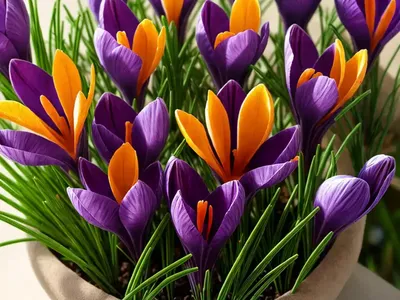
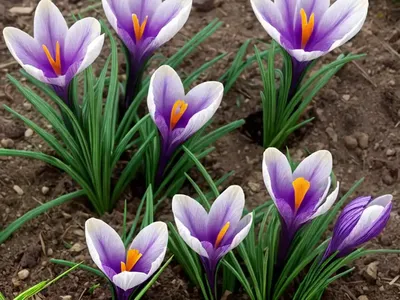
Spring Crocus (Crocus Vernus)
Plants play a vital role in our lives, providing us with food, clean air, and beautiful landscapes. Amongst the vast array of plant species, spring crocus.
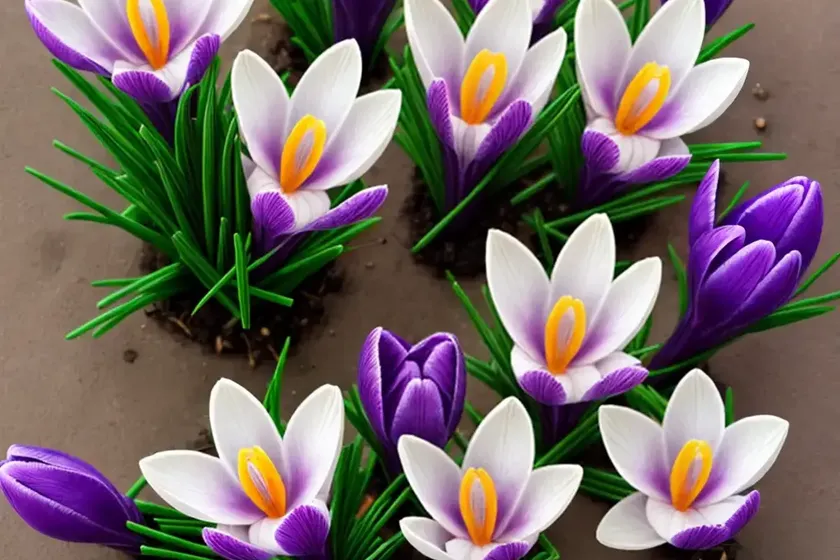
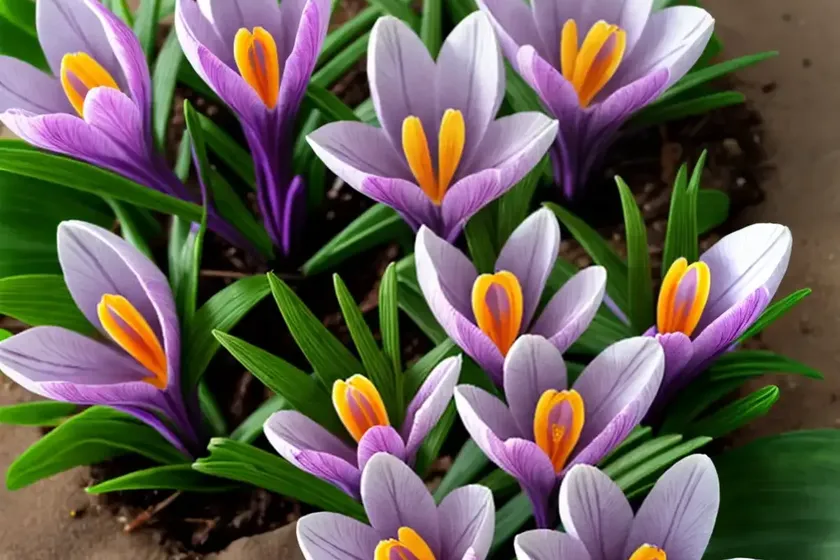
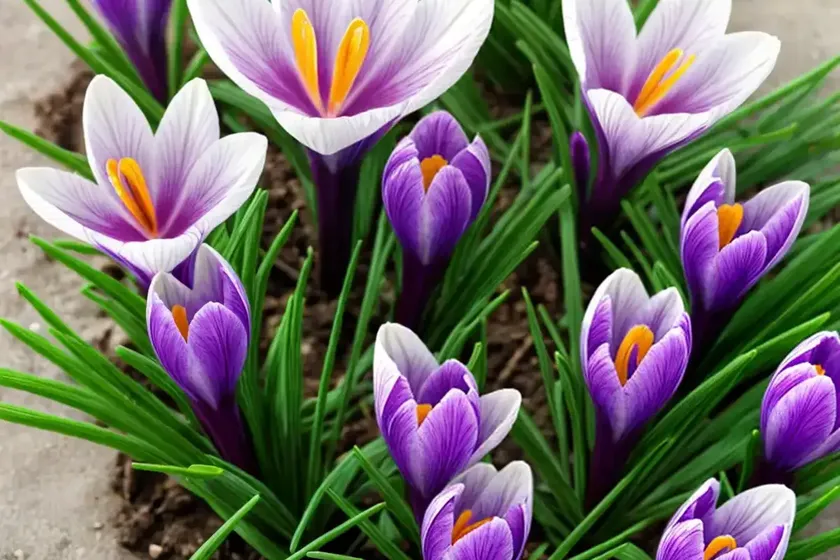
Plants play a vital role in our lives, providing us with food, clean air, and beautiful landscapes. Amongst the vast array of plant species, spring crocus (Crocus vernus) stands out as a charming and vibrant addition to any garden. In this comprehensive guide, we will explore the intricacies of cultivating, caring for, and maintaining the mesmerizing spring crocus.
What is a Plant?
Plants are multicellular organisms belonging to the kingdom Plantae. They have the unique ability to create their own food through the process of photosynthesis, using light energy, water, and carbon dioxide to produce glucose and oxygen. In addition to serving as the primary producers in most terrestrial ecosystems, plants also provide habitats and sustenance for a wide variety of organisms. From towering trees to delicate flowers, the diversity of plant life contributes significantly to the beauty and functionality of our world.
Spring Crocus (Crocus vernus)
Crocus vernus, commonly known as spring crocus, is a species of flowering plant in the Iris family (Iridaceae). With its enchanting blooms and early emergence, it is a herald of the arrival of spring. This perennial plant originates from the Alpine regions of Europe and is now a beloved ornamental plant in gardens and landscapes across the globe.
Key Takeaways – Spring Crocus (Crocus vernus)
Before delving into the specifics of its cultivation and care, let’s understand some key takeaways about the spring crocus.
- Botanical Name: Crocus vernus
- Plant Type: Perennial flowering plant
- Blooming Season: Early spring
- Native Habitat: Alpine regions of Europe
- Common Uses: Ornamental garden plant
- Notable Features: Vibrant and delicate flowers, early blooming
Now that we have an overview of the spring crocus, let’s explore the aspects of its culture, uses, and care requirements in detail.
Culture
The successful cultivation of spring crocus relies on an understanding of its specific cultural requirements, including watering, sunlight exposure, soil conditions, and more.
Uses
The spring crocus is primarily cultivated for its ornamental value. Its charming flowers bring early bursts of color to gardens, signaling the end of winter and the beginning of spring. The vibrant blooms are also often used for decorative purposes in floral arrangements and indoor displays.
Water
Watering Spring Crocus:
- Spring Growth: During the growing season in spring, ensure that the soil remains consistently moist but not waterlogged.
- Summer Dormancy: As the plant enters dormancy in the summer, reduce watering to allow the soil to dry out slightly between waterings.
Sunlight
Sunlight Requirements:
- Full Sun: Spring crocus thrives in locations with full sunlight exposure, receiving at least 6-8 hours of direct sun each day.
Fertilizer
Fertilizing Spring Crocus:
- Spring Feeding: In early spring, as the plant begins active growth, apply a balanced, slow-release fertilizer to the soil around the plants. Follow the manufacturer’s recommendations for application rates.
Soil
Ideal Soil Conditions:
- Well-Draining Soil: Spring crocus prefers well-draining, loamy soil with a slightly acidic to neutral pH.
- Organic Matter: Incorporating organic matter such as compost into the soil can improve its fertility and water retention capabilities.
Pruning
Pruning Guidelines:
- Post-Blooming: After the flowers have faded, it is essential to allow the foliage to remain intact until it withers and turns yellow. This process allows the plant to replenish its energy reserves for the next growing season.
Propagation
The propagation of spring crocus can be achieved through various methods, including division, seed sowing, and bulb offsets.
Division
Dividing Spring Crocus Bulbs:
- Post-Blooming: After the foliage has withered, carefully dig up the clumps of bulbs.
- Separation: Gently separate the individual bulbs or bulb offsets from the main clump.
- Replanting: Plant the divisions at the appropriate depth and spacing in prepared soil, ensuring that they receive adequate moisture and sunlight.
Container Popularity
Growing Spring Crocus in Containers:
- Space Advantage: Containers offer the flexibility to showcase the vibrant blooms in various locations, including patios, balconies, and windowsills.
- Soil Requirements: Use well-draining potting mix and ensure adequate drainage at the bottom of the container.
Common Diseases
Spring crocus, like many plants, is susceptible to certain diseases and pests that can affect its health and vitality.
Disease Diagnosis
Identifying Common Diseases:
- Fungal Diseases: Watch for signs of fungal diseases such as botrytis, which can manifest as brown spots on the foliage or flowers.
- Viral Infections: Symptoms of viral diseases may include stunted growth, distorted leaves, and mottled patterns on the foliage.
Common Pests
Pests pose another challenge to the well-being of spring crocus plants. Vigilance and early intervention are crucial in preventing significant damage.
Pest Control
Preventing Pest Infestations:
- Bulb-Eating Pests: Protect bulbs from underground pests, such as voles and moles, by planting them in wire mesh baskets.
- Insect Pests: Monitoring the plants for aphids and thrips and applying appropriate insecticidal treatments can help manage infestations.
Botanist’s Tips
For aspiring botanists and gardening enthusiasts, here are some valuable tips to ensure the successful cultivation of spring crocus.
- Planting Depth: When planting bulbs, follow the recommended planting depth to promote strong and healthy root development.
- Naturalizing Effect: To create natural-looking drifts of spring crocus, scatter bulbs and plant them where they fall, allowing them to naturalize over time.
Fun Facts
Let’s delve into some fascinating and lesser-known facts about spring crocus:
- The etymology of the genus name “Crocus” is derived from the Greek word for saffron, a prized spice obtained from the crocus flower’s stigmas.
- Saffron, obtained from Crocus sativus, is one of the most expensive spices in the world by weight, often referred to as “red gold.”
Links to External Resources
To enhance your understanding of spring crocus and its cultivation, here are some useful external resources:
- Royal Horticultural Society – Crocus vernus
- University of Minnesota Extension – Growing Spring-Flowering Bulbs
As we conclude our guide to spring crocus (Crocus vernus), it’s evident that this captivating plant holds a special place in the hearts of gardeners and nature enthusiasts. By following the outlined cultivation and care recommendations, you can embrace the early spring beauty and vitality that spring crocus brings to your garden landscape. Whether adorning flower beds or brightening up container gardens, the enchanting blooms of spring crocus are a testament to the resilience and natural artistry of plants.
In the words of John Muir, “In every walk with nature, one receives far more than he seeks.” Indeed, the presence of spring crocus in our outdoor spaces enriches our connection with the natural world and inspires a sense of wonder and appreciation for the wonders of springtime.
With this comprehensive guide, may you embark on a journey of discovery and delight in the marvelous world of spring crocus cultivation and care. Happy gardening!