Crocus Chrysanthus ‘Zwanenburg Bronze’ (Snow Crocus)
Crocus chrysanthus ‘Zwanenburg Bronze’, commonly known as Snow Crocus, is a delightful and early-blooming perennial that belongs to the Iridaceae family..
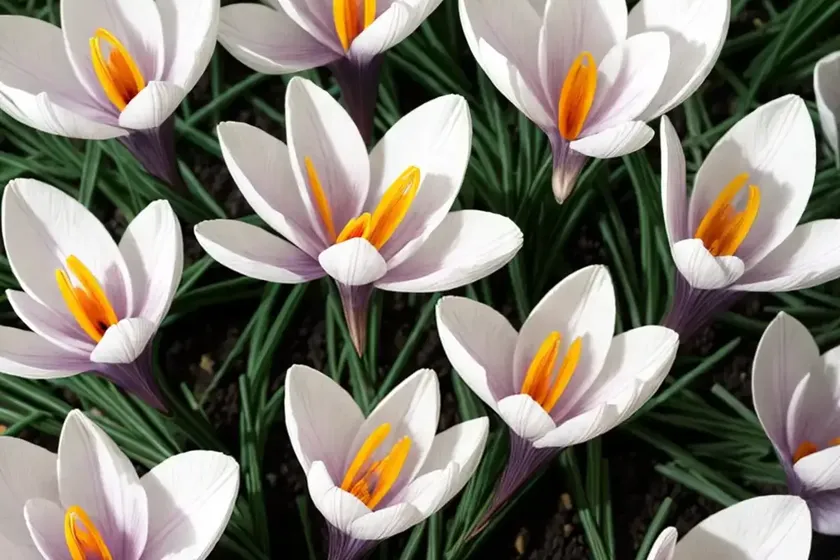
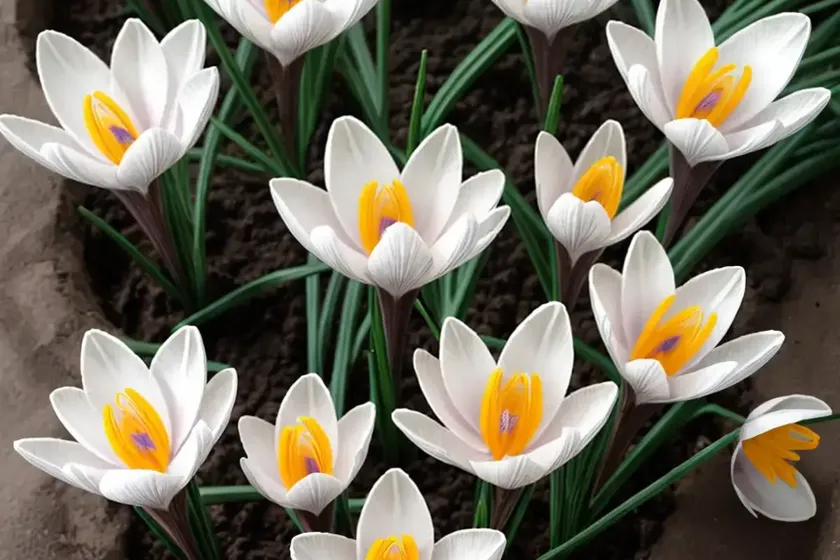
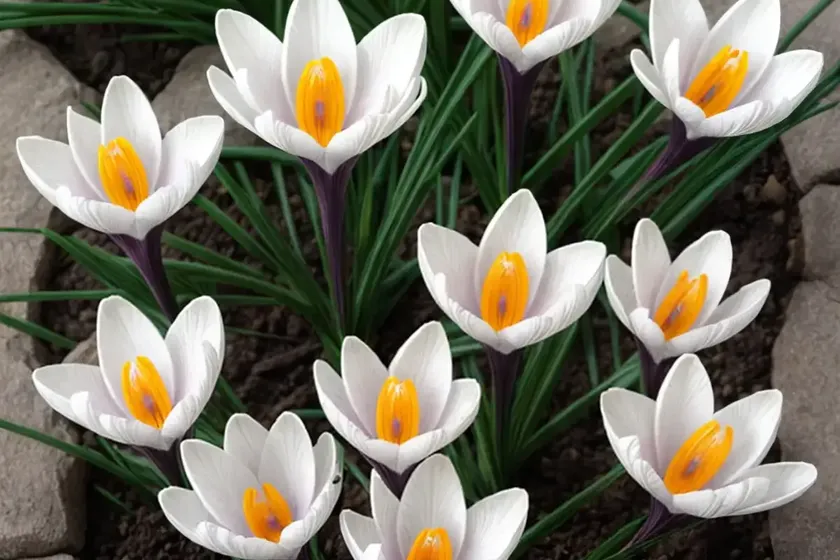
Crocus chrysanthus ‘Zwanenburg Bronze’, commonly known as Snow Crocus, is a delightful and early-blooming perennial that belongs to the Iridaceae family. This remarkable plant is highly appreciated for its vibrant, cup-shaped flowers that mark the arrival of spring with their bloom. In addition to its ornamental value, Snow Crocus has several other characteristics that make it a delightful addition to gardens, containers, and landscapes.
What is the Snow Crocus?
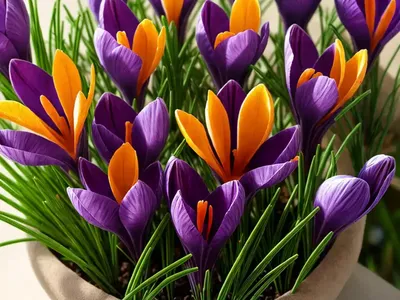
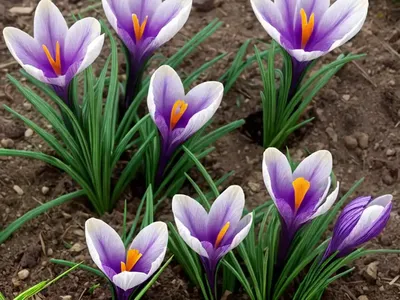
Crocus chrysanthus ‘Zwanenburg Bronze’ is a petite, charming plant that originated in the Balkans, Greece, and the Aegean islands. It typically features bronze-colored outer petals and rich, golden-yellow inner petals. This compact species usually reaches a height of 3-4 inches and quickly multiplies to form eye-catching clusters of flowers.
Key Takeaways – Crocus chrysanthus ‘Zwanenburg Bronze’
- Crocus chrysanthus ‘Zwanenburg Bronze’ is a delightful early-blooming perennial with vibrant flowers.
- This compact species features bronze-colored outer petals and rich, golden-yellow inner petals.
- It hails from the Balkans, Greece, and the Aegean islands and exhibits a rapid multiplying behavior.
Now, let’s look at the essential aspects of cultivating and caring for the Snow Crocus.
Culture
Uses
The Snow Crocus can be used in various settings, including:
– Landscapes: Particularly effective when planted in large groups, creating a stunning carpet of color.
– Containers: Ideal for small containers on patios, balconies, or windowsills.
– Rock Gardens: Adds a burst of color when planted amongst rocks and gravel.
Water
Snow Crocus prefers well-drained soil and moderate watering. It is important to ensure that the soil does not become waterlogged, as excessive moisture can lead to bulb rot. During the active growing season, it is advisable to water the plant when the soil begins to dry out.
Sunlight
This species thrives in full sun to partial shade. When choosing a location for planting, consider providing it with at least 4-6 hours of direct sunlight daily to ensure optimal flowering.
Fertilizer
For Snow Crocus, a balanced, all-purpose fertilizer applied in early spring when growth emerges can provide the necessary nutrients to support healthy flowering and bulb development.
Soil
Snow Crocus thrives in well-drained, moderately fertile soil. The soil should be rich in organic matter and have a neutral to slightly alkaline pH level. Good drainage is essential to prevent waterlogging.
Pruning
Minimal pruning is required for Snow Crocus. Once the flowers have faded, deadheading can be performed to prevent seed formation and encourage energy storage in the bulbs for the following season.
Propagation
Propagation of Snow Crocus is primarily done through division. As the plants multiply rapidly, they produce small corms around the base of the parent corm, which can be carefully separated and replanted after the foliage withers.
Container Popularity
Due to its compact size and early spring bloom, Snow Crocus is highly popular in container gardening. It adds a delightful touch of color to containers, creating a welcoming sight after the winter months.
Common Diseases
Disease Diagnosis
Snow Crocus is relatively resistant to diseases. However, it is important to watch out for signs of bulb rot, which can occur in waterlogged soil. Proper soil drainage and avoiding overwatering are crucial in preventing this issue.
Common Pests
Snow Crocus can sometimes fall victim to pests such as:
– Squirrels and Rodents: They may dig up the bulbs in search of food.
– Aphids: These tiny insects can infest the plant, causing damage to the foliage and flowers.
Botanist’s Tips
When planting Snow Crocus, consider mixing different varieties to create a diverse and colorful display. Additionally, planting them in areas where they can naturalize, such as under deciduous trees, along woodland edges, or in meadows, can produce stunning results as they multiply and form extensive carpets of color over time.
Fun Facts
- The name “Crocus” is derived from the Greek word “krokos,” which refers to the saffron flower and saffron dye.
- Crocus vernus, commonly known as the Spring Crocus, is another popular species known for its large, showy flowers that emerge in early spring.
For more detailed information and shop these nice plants, you can visit Snow Crocus Bulbs for Sale.
Links to External Resources
- For Snow Crocus planting instructions and care tips, visit Planting Instructions and Care Tips for Snow Crocus.
- To learn more about different Crocus bulb varieties and their characteristics, explore Crocus Bulb Varieties and Characteristics.
Conclusion
Crocus chrysanthus ‘Zwanenburg Bronze’, or Snow Crocus, is an enchanting and resilient plant that brings joyful bursts of color to gardens, containers, and landscapes early in the spring season. With its easy cultivation, minimal maintenance requirements, and ability to naturalize and multiply, it is a beloved addition to many horticultural settings. By providing the suitable growing conditions and care, you can enjoy the charming beauty of Snow Crocus year after year.
This article provides comprehensive insights into the cultivation, care, and unique characteristics of Snow Crocus, equipping plant enthusiasts with the knowledge required to create stunning displays of these delightful early bloomers in their outdoor spaces.
When planning your garden layout or selecting plants for your containers, remember the delightful presence of Snow Crocus and the joyful atmosphere it brings as a herald of spring. With its vibrant colors and cheerful demeanor, Snow Crocus is a perfect choice for adding early season charm to your outdoor settings.