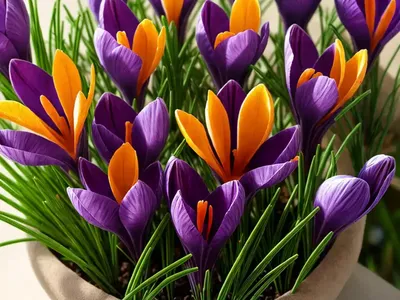
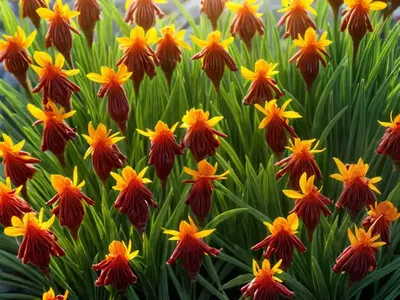
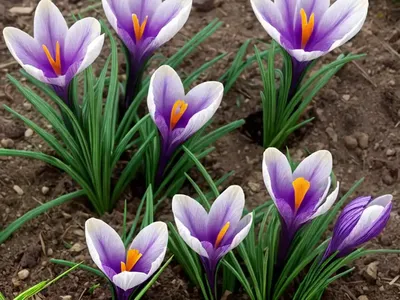
Crocus Chrysanthus ‘Gipsy Girl’ (Snow Crocus)
Crocus chrysanthus ‘Gipsy Girl’, also known as Snow Crocus, is a charming and delicate flowering bulb that signals the arrival of spring with its early.
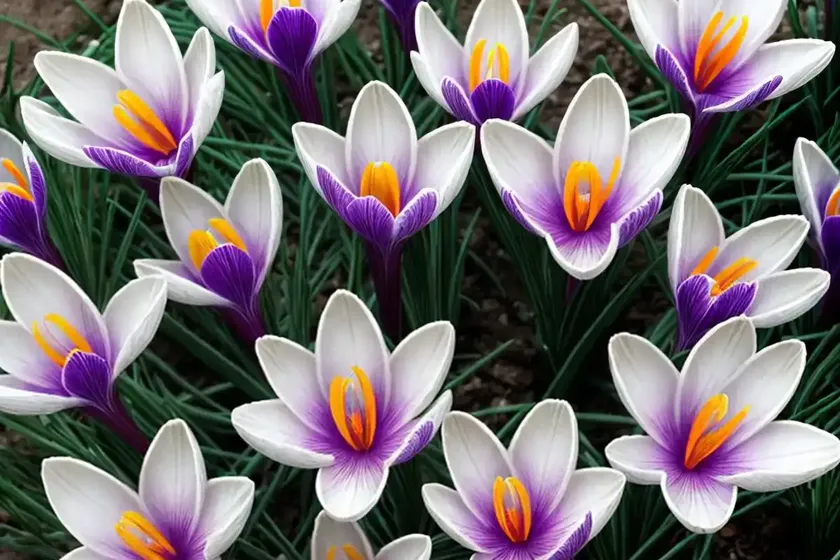
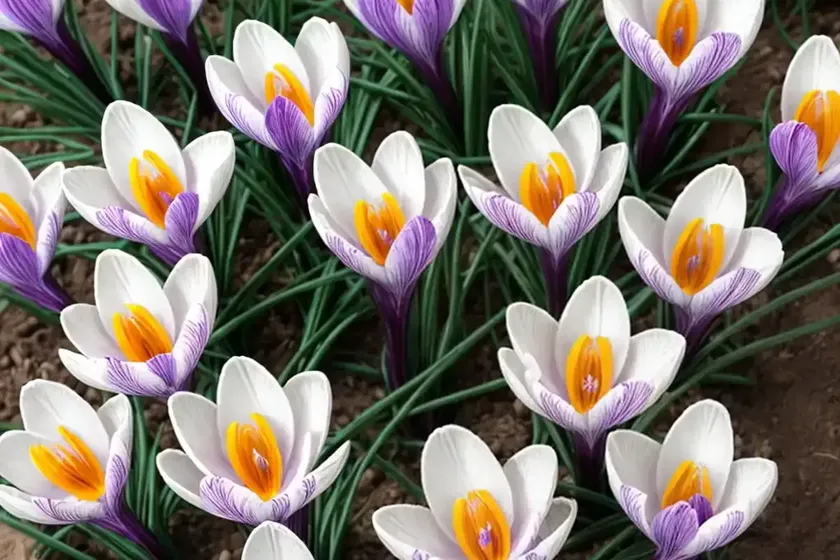
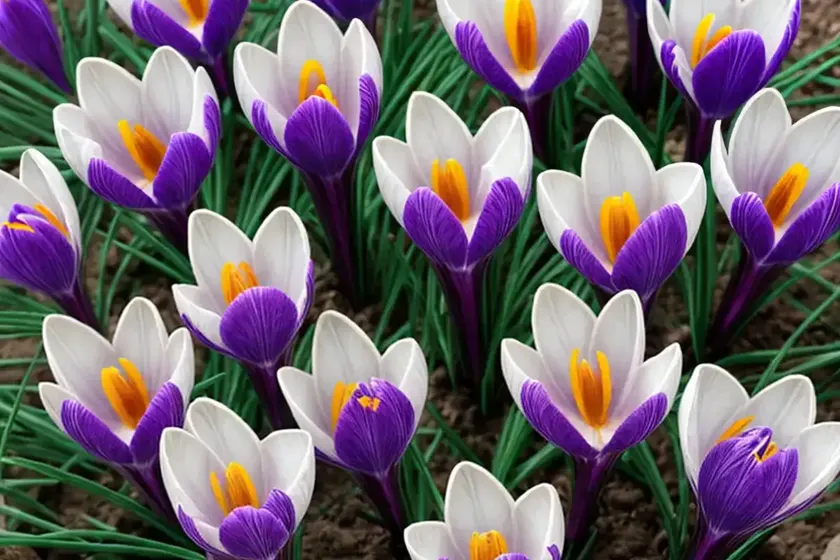
Crocus chrysanthus ‘Gipsy Girl’, also known as Snow Crocus, is a charming and delicate flowering bulb that signals the arrival of spring with its early blooms. This petite yet resilient plant is a favorite among gardeners for its vibrant colors, low maintenance requirements, and ability to naturalize effortlessly. In this comprehensive guide, we will explore the various aspects of caring for and cultivating this enchanting plant, from its cultural requirements to its landscape uses and potential diseases and pests. Whether you are a seasoned gardener or a novice enthusiast, this article will provide you with the essential knowledge to create a stunning display of Crocus chrysanthus ‘Gipsy Girl’ in your garden.
Key Takeaways
Before delving into the specifics of caring for Crocus chrysanthus ‘Gipsy Girl’, let’s highlight some key takeaways about this captivating plant:
- Cultural Requirements: Crocus chrysanthus ‘Gipsy Girl’ thrives in well-drained soil and requires minimal maintenance, making it an ideal choice for both beginner and experienced gardeners.
- Early Blooming: As an early spring bloomer, Snow Crocus provides a beautiful splash of color to the garden when most plants are still dormant.
- Naturalizing: This species has the remarkable ability to naturalize, forming impressive carpets of blooms over time.
- Attracts Pollinators: The fragrant flowers of Crocus chrysanthus ‘Gipsy Girl’ attract pollinators, contributing to the overall biodiversity of the garden.
Now, let’s delve into the specific details of caring for and appreciating the beauty of Crocus chrysanthus ‘Gipsy Girl’.
What is Crocus chrysanthus ‘Gipsy Girl’?
Crocus chrysanthus ‘Gipsy Girl’ belongs to the family Iridaceae and is a member of the Crocus genus, which encompasses a wide array of perennial plants known for their charming flowers and ability to herald the arrival of spring. This particular cultivar, ‘Gipsy Girl’, is cherished for its vibrant hues and early blooming nature, making it a cherished addition to gardens and landscapes. The delicate and striking flowers of ‘Gipsy Girl’ Crocus emerge when the remnants of winter still linger, adding a much-needed burst of color and joy to the outdoor environment.
Key Features of Crocus chrysanthus ‘Gipsy Girl’
- Scientific Name: Crocus chrysanthus ‘Gipsy Girl’
- Common Name: Snow Crocus
- Family: Iridaceae
- Genus: Crocus
- Cultivar: ‘Gipsy Girl’
- Blooming Time: Early spring
- Growth Habit: Perennial bulb
- Flower Color: Varied shades of purple, yellow, and white
- Fragrance: Sweet and delicate
- Height: Approximately 4-6 inches
- Sunlight Requirements: Full sun to partial shade
- USDA Hardiness Zones: 3-8
Culture
The cultural requirements of Crocus chrysanthus ‘Gipsy Girl’ are relatively straightforward, making it a suitable choice for various garden settings, from residential landscapes to public parks and botanical gardens. Understanding the optimal growing conditions for this plant is essential for ensuring its health and vitality.
Soil
Well-drained soil is crucial for the successful cultivation of Crocus chrysanthus ‘Gipsy Girl’. It thrives in moderately fertile, loamy soil with good drainage to prevent waterlogged conditions, which can lead to bulb rot. Additionally, the soil should be slightly acidic to neutral with a pH range of 6.0 to 7.0. Prior to planting, amending the soil with organic matter, such as compost or well-rotted manure, can enhance its texture and fertility, providing an optimal environment for the bulbs to establish themselves.
Water
While Snow Crocus is relatively drought-tolerant once established, adequate moisture is essential during its active growth and flowering periods. It is important to water the bulbs thoroughly after planting to promote root establishment. During the growing season, provide consistent moisture, especially during dry spells, without allowing the soil to become saturated. Once the foliage begins to yellow and wither after blooming, gradually reduce watering to allow the bulbs to enter dormancy.
Sunlight
Crocus chrysanthus ‘Gipsy Girl’ thrives in full sun to partial shade conditions. When selecting a planting site, choose an area that receives at least 6 hours of direct sunlight per day, especially during the spring season when the bulbs are actively growing and blooming. In warmer climates, partial shade during the hottest part of the day can help protect the delicate flowers from scorching and prolong their display.
Fertilizer
While Snow Crocus does not have intensive fertilizer needs, providing a modest amount of nutrients can support healthy growth and prolific blooming. In late fall, before the emergence of new growth, apply a balanced, slow-release fertilizer specifically formulated for bulbs or a general-purpose fertilizer with an NPK ratio of 10-10-10. Gently incorporate the fertilizer into the soil around the bulbs, ensuring that it does not come into direct contact with the bulb itself to prevent damage.
Uses
The versatile nature of Crocus chrysanthus ‘Gipsy Girl’ makes it suitable for a range of uses, both in traditional garden settings and more unconventional applications. Understanding the various practical and aesthetic uses of Snow Crocus can inspire gardeners to incorporate it into their landscapes in creative and visually appealing ways.
Landscape Planting
The enchanting blooms of ‘Gipsy Girl’ Crocus can be used to create breathtaking displays in various areas of the landscape, including:
-
Rock Gardens: The low-growing habit and vibrant flowers of Snow Crocus make it an ideal addition to rock gardens, where it can weave through crevices and spill over the edges of retaining walls, adding a touch of natural beauty to these unique garden features.
-
Borders and Edges: Planting Snow Crocus along borders and edges of garden beds, pathways, or driveways can create a charming and welcoming visual appeal, especially when combined with other early spring bloomers for a cohesive display.
-
Woodland Gardens: For a naturalistic and woodland-inspired garden design, underplanting trees and taller shrubs with drifts of ‘Gipsy Girl’ Crocus can infuse the space with a carpet of delicate blooms, adding dimension and interest to the understory.
-
Containers and Window Boxes: Snow Crocus is well-suited for container gardening, providing an opportunity to enjoy its beauty up close on patios, balconies, and other outdoor living spaces. Combine different colors and varieties of Crocus chrysanthus in large containers for a striking effect.
Naturalizing
Crocus chrysanthus ‘Gipsy Girl’ is adept at naturalizing, meaning it can spread and multiply over time, creating expansive swaths of colorful blooms. This characteristic makes it an excellent choice for naturalized plantings in open grassy areas, meadows, and orchards, where the flowers can form a visually stunning carpet during the early spring season. When naturalized, Snow Crocus provides a mesmerizing display year after year, requiring minimal maintenance once established.
Cut Flowers
Although petite in size, the blooms of ‘Gipsy Girl’ Crocus are suitable for cutting and bringing indoors to create cheerful arrangements. Placing a few stems in a small vase or combining them with other early spring flowers, such as daffodils and tulips, can brighten interior spaces and bring the beauty of the outdoors into the home.
Pollinator Gardens
The fragrant flowers of Crocus chrysanthus ‘Gipsy Girl’ serve as an important food source for early foraging pollinators, such as bees and butterflies, that emerge as the weather begins to warm. By planting Snow Crocus in pollinator gardens or mixed borders, gardeners can contribute to the conservation of pollinators and promote biodiversity in their local ecosystem.
Pruning
Pruning requirements for Crocus chrysanthus ‘Gipsy Girl’ are minimal, as the plant follows a natural growth cycle that does not necessitate extensive pruning or shaping. However, a few simple practices can help maintain the plant’s appearance and support its long-term health.
Deadheading
After the flowers of Snow Crocus have faded and wilted, it is recommended to deadhead the spent blooms to prevent the plant from expending energy on seed production. This can be done by gently pinching off the faded flowers at the base of the flower stem. Deadheading encourages the plant to channel its resources into bulb development and prepares it for the following year’s blooms.
Foliage Maintenance
Following the blooming period, it is essential to allow the foliage of ‘Gipsy Girl’ Crocus to remain intact until it naturally yellows and withers. The foliage plays a critical role in the bulb’s ability to store energy for the next growing season. However, if the presence of the fading foliage becomes unsightly or unwanted in certain garden areas, it can be gently tied together or tucked beneath surrounding plants to conceal it while it goes through its natural senescence.
Division
Over time, the bulbs of Crocus chrysanthus ‘Gipsy Girl’ may become overcrowded, leading to reduced blooming and vigor. Dividing the bulbs every few years in late summer, once the foliage has died back completely, can help rejuvenate the planting and prevent the bulbs from becoming overly congested. Carefully lift the bulbs, separate any offsets, and replant them at the appropriate spacing to allow for future growth and expansion.
Propagation
Propagating Crocus chrysanthus ‘Gipsy Girl’ is relatively straightforward and can be accomplished through several methods, including division of offsets, seed propagation, and bulb scaling. Understanding the propagation techniques for Snow Crocus enables individuals to expand their existing plantings or share the beauty of this species with others.
Division of Offsets
One of the simplest methods of propagation is through the division of offsets, which are small, immature bulbs that develop alongside the main bulb. This process is typically carried out during the dormant period in late summer or early fall, once the foliage has completely withered. Carefully dig up the clumps of bulbs, separate the offsets from the parent bulbs, and replant the offsets at the desired location, ensuring that they are planted at the appropriate depth and spacing.
Seed Propagation
While slower than other propagation methods, growing Snow Crocus from seed can be a rewarding and fulfilling process. After the flowers have been pollinated and the seed capsules have developed, collect the mature seeds and sow them in prepared garden beds or containers in the fall. The seeds will require a period of cold stratification to break dormancy, after which they will germinate and develop into new bulbs over time.
Bulb Scaling
Bulb scaling involves carefully removing the scales from mature bulbs and planting them to produce new, genetically identical bulbs. This technique is particularly useful for increasing the bulb stock of unique or rare cultivars. Select healthy bulbs, remove a few outer scales, and plant them in a suitable growing medium. With proper care and attention, the scales will develop into new bulbs that can be transplanted once they have matured.
Container Popularity
Crocus chrysanthus ‘Gipsy Girl’ is well-suited for container gardening, offering a myriad of opportunities for gardeners to enjoy its beauty in various outdoor settings. The compact size and naturalizing tendencies of Snow Crocus make it an excellent candidate for container plantings, adding a vibrant touch to patios, balconies, and other outdoor living spaces.
Ideal Containers
When selecting containers for planting Snow Crocus, opt for sturdy, well-draining options that are at least 6-8 inches deep to accommodate the bulbs’ root systems. Terra cotta, plastic, or wooden containers are all suitable choices, as long as they feature drainage holes at the bottom to prevent waterlogging. Additionally, the containers should be large enough to plant multiple bulbs, allowing for a more impactful and visually striking display.
Container Mix
Choosing the right growing medium is essential for the success of Snow Crocus in containers. A well-draining potting mix designed for bulbs or general container gardening is ideal, providing the necessary aeration and moisture retention for healthy growth. It is recommended to amend the potting mix with a small amount of balanced, slow-release fertilizer to support the initial growth and establishment of the bulbs.
Maintenance
Container-grown Snow Crocus requires regular watering to maintain consistent moisture levels, especially during the active growth and blooming period. Check the soil moisture frequently and water thoroughly when the top inch of the soil feels dry to the touch. Additionally, containers may require protection during extreme weather conditions, such as providing insulation against freezing temperatures or relocating them to a sheltered area during strong winds or heavy precipitation.
Seasonal Considerations
In regions with harsh winter climates, containers of Crocus chrysanthus ‘Gipsy Girl’ may benefit from additional protection during the dormant period. Mulching the soil surface or moving the containers to a sheltered location can help shield the bulbs from freezing temperatures and excessive moisture. Conversely, in warmer climates, ensure that the containers receive adequate sunlight and ventilation to promote healthy growth and blooming.
Common Diseases
Despite being relatively low-maintenance, Crocus chrysanthus ‘Gipsy Girl’ is susceptible to a few common diseases that can impact its overall health and vigor. Recognizing the symptoms of these diseases and taking preventative measures are essential for preserving the beauty of Snow Crocus in the garden.
Botrytis Blight
Botrytis blight, also known as gray mold, is a fungal disease that can affect various ornamental plants, including Crocus chrysanthus ‘Gipsy Girl’. It typically manifests as grayish-brown, water-soaked lesions on the foliage and flowers, often leading to a rapid decline in plant health. The fungus thrives in cool, humid conditions and can spread quickly if left unchecked.
Preventative Measures:
– Ensure proper spacing between plants to promote air circulation and reduce humidity around the foliage.
– Avoid overhead watering to minimize moisture on the leaves and flowers, opting for water delivery at the soil level.
– Remove and destroy any affected plant material to prevent the spread of the disease to healthy specimens.
Bulb Rot
Bulb rot, caused by various soil-borne pathogens, can pose a threat to the health and longevity of Crocus chrysanthus ‘Gipsy Girl’. The disease typically begins with soft, sunken areas on the bulbs, eventually leading to decay and the collapse of the entire bulb. It is often exacerbated by waterlogged soil and poor drainage.
Preventative Measures:
– Plant bulbs in well-drained soil and avoid areas prone to water accumulation, especially during the dormant period.
– Allow the soil surface to dry between waterings, particularly after the blooming period has concluded.
– Inspect bulbs before planting and discard any that show signs of damage or disease.
Viral Diseases
Several viral pathogens can infect Crocus chrysanthus ‘Gipsy Girl’, causing symptoms such as mottled foliage, stunted growth, and distorted flowers. Once a plant is infected with a virus, there are limited treatment options, and affected specimens may need to be removed to prevent the spread of the disease to nearby plants.
Preventative Measures:
– Minimize the risk of viral diseases by purchasing bulbs and plants from reputable sources with a history of disease-free stock.
– Practice strict sanitation, including disinfecting tools and equipment between uses, to reduce the potential transmission of viruses.
– Monitor plants regularly for any signs of abnormal growth or discoloration and promptly isolate and assess the affected specimens.
Disease Diagnosis
Accurately diagnosing diseases affecting Crocus chrysanthus ‘Gipsy Girl’ is crucial for implementing effective management strategies and preserving the overall health of the plant. Recognizing the key symptoms of common diseases allows gardeners to take proactive measures to mitigate the impact of infections.
Symptoms of Botrytis Blight
- Water-soaked Lesions: Look for grayish-brown lesions appearing on the foliage and flowers, resembling water-soaked areas.
- Fuzzy Gray Mold: Notice the presence of fuzzy, gray mold on affected plant parts, indicating the presence of the Botrytis fungus.
- Rapid Decline: Observe the rapid decline of affected specimens, often leading to wilting and dieback if the disease is left untreated.
Signs of Bulb Rot
- Soft, Sunken Areas: Check the bulbs for the presence of soft, sunken areas, which may indicate the onset of bulb rot.
- Foul Odor: Notice any foul or musty odor emanating from the bulbs, signaling advanced stages of decay.
- Mushy Texture: Gently press on the bulbs to assess their firmness, as bulbs affected by rot will have a mushy or deteriorated texture.
Indications of Viral Diseases
- Mottled Foliage: Watch for patterns of light and dark green mottling on the foliage, which is a common symptom of viral infections in Crocus chrysanthus ‘Gipsy Girl’.
- Deformed Flowers: Observe the formation of distorted or misshapen flowers, often accompanied by other abnormal growth patterns.
- Stunted Growth: Monitor the overall growth and vigor of the plants, as viral diseases can lead to reduced vitality and stunted development.
Seeking Professional Advice
When in doubt about the diagnosis and management of potential diseases affecting Snow Crocus, seeking the guidance of a professional plant pathologist or horticulturist can provide valuable insights and recommendations. A proper diagnosis is essential for implementing targeted control measures and preventing the spread of diseases to other plants in the garden.
Common Pests
In addition to diseases, Crocus chrysanthus ‘Gipsy Girl’ may also encounter various pests that can impact its growth and flowering. Understanding the potential pest threats and implementing appropriate pest management practices are crucial for maintaining the health and beauty of Snow Crocus in the garden.
Squirrels and Rodents
Squirrels and other rodent species are known for digging up and consuming Crocus bulbs, especially during the planting and dormant seasons. The presence of tunnels or disturbed soil around the bulb plantings is indicative of rodent activity.
Pest Management:
– Protect newly planted bulbs by covering the area with a layer of wire mesh or hardware cloth to deter burrowing.
– Apply natural repellents, such as crushed red pepper flakes or commercially available deterrents, near the bulb plantings to discourage rodent activity.
– Consider planting bulbs that are less attractive to rodents, such as daffodils or alliums, in close proximity to Snow Crocus to divert attention away from the vulnerable plants.
Aphids
Aphids are small, soft-bodied insects that can colonize the tender foliage and flowers of Snow Crocus, causing distorted growth and the formation of sticky honeydew. While aphid infestations rarely pose a significant threat to the overall health of the plant, they can be unsightly and may warrant intervention in severe cases.
Pest Management:
– Rinse the affected plants with a gentle stream of water to dislodge and remove aphids from the foliage.
– Introduce natural predators, such as ladybugs or lacewings, that can help keep aphid populations in check.
– Consider using insecticidal soap or ne