Crocus Chrysanthus ‘Snow Bunting’ (Snow Crocus)
As a plant scientist with a passion for exploring the diverse world of flora, the Crocus chrysanthus ‘Snow Bunting’ (Snow Crocus) holds a special place in.
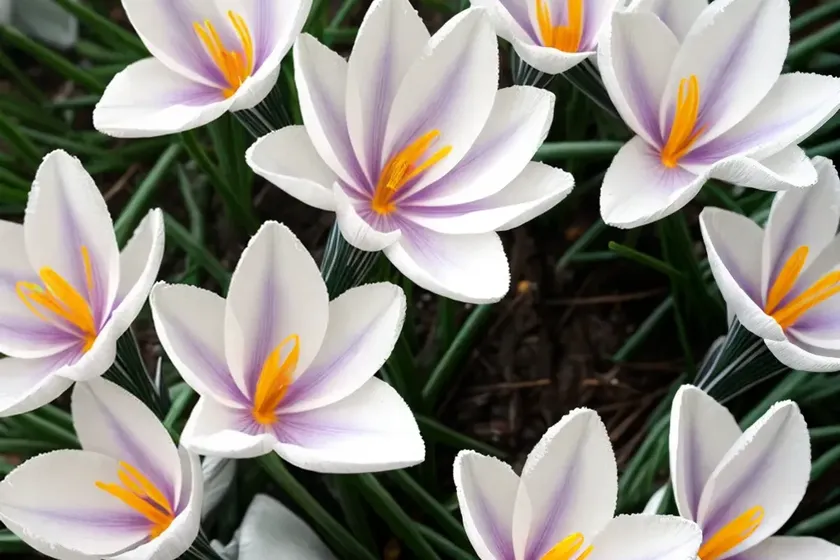
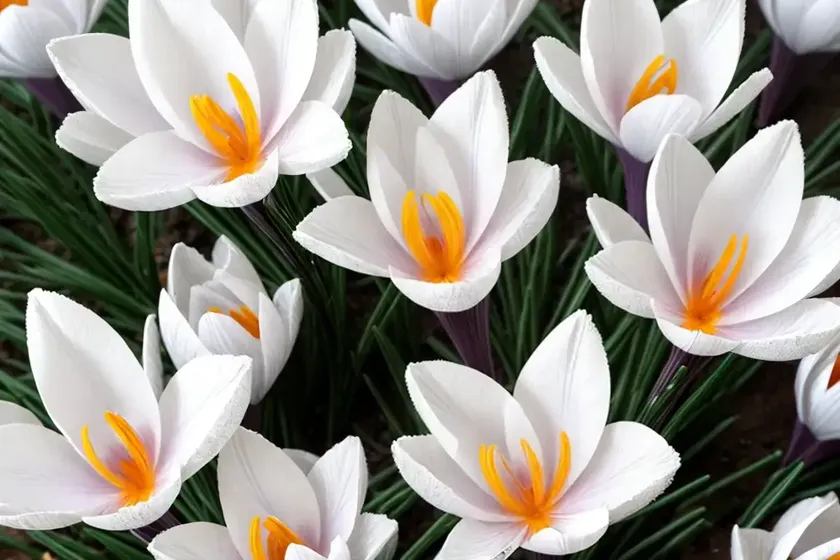
As a plant scientist with a passion for exploring the diverse world of flora, the Crocus chrysanthus ‘Snow Bunting’ (Snow Crocus) holds a special place in my heart. This delicate and beautiful flower, with its characteristic snow-white petals and vibrant yellow throat, has captivated gardeners and botanists alike. In this comprehensive guide, we will delve into the enchanting world of the Crocus chrysanthus ‘Snow Bunting’, exploring its description, cultivation, maintenance, uses, and much more.
What is Crocus chrysanthus ‘Snow Bunting’?
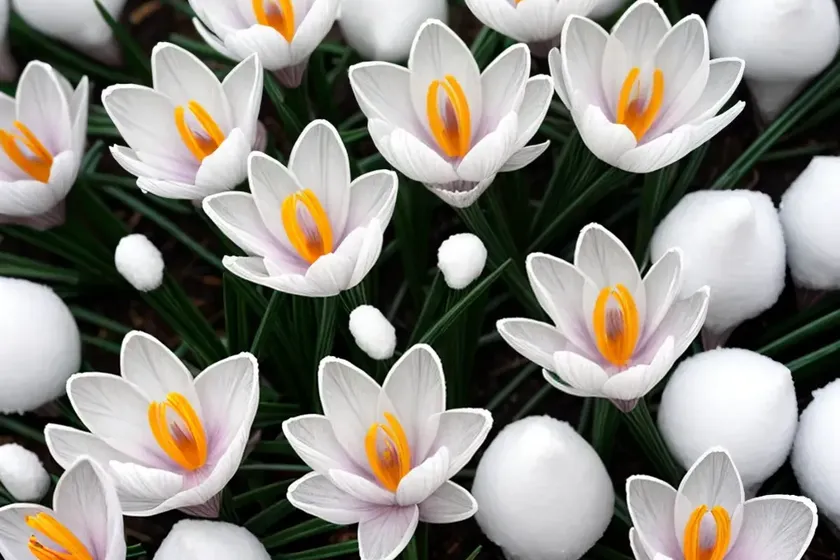
Crocus chrysanthus ‘Snow Bunting’, also known as Snow Crocus, is a charming species of early spring-flowering bulb. Belonging to the family Iridaceae, it is native to the Balkans and Turkey, where it thrives in the well-drained, rocky soils of its natural habitat. The distinct elegance of its snow-white petals with bright orange stamens and golden throat makes it a sought-after addition to gardens and landscapes.
Crocus chrysanthus Snow Bunting Description
The Snow Crocus is a diminutive plant that typically grows to a modest height of 3-4 inches (7-10 cm). Each corm gives rise to a solitary bloom, making it a delightful sight as it peeks through the melting snow, announcing the arrival of spring. The slender, grass-like leaves emerge alongside or slightly after the flowers, adding a touch of greenery to the early spring garden.
Snow Crocus Facts
- Scientific Name: Crocus chrysanthus ‘Snow Bunting’
- Common Name: Snow Crocus
- Family: Iridaceae
- Native Habitat: Balkans, Turkey
- Bloom Time: Early Spring
- Flower Color: White with a yellow throat
- Plant Height: 3-4 inches (7-10 cm)
Now that we have acquainted ourselves with the basic details of this enchanting species, let’s explore the key aspects of cultivating and caring for the Snow Crocus.
Key Takeaways – Crocus chrysanthus ‘Snow Bunting’
Cultivation
Planting Depth and Spacing
When planting Snow Crocus corms, it is advisable to place them at a depth of approximately 3-4 inches (7-10 cm) and space them 2-3 inches (5-7 cm) apart. This allows for adequate root development and ensures a visually appealing display of flowers.
Planting Time
Snow Crocus corms are best planted in the fall, preferably in September or October. This allows the roots to establish before the onset of winter, providing the necessary support for the early spring blooms.
Suitable Zones
Snow Crocus thrives in USDA hardiness zones 3-8, making it suitable for a wide range of temperate climates. It can withstand colder temperatures and is well-adapted to the chill of early spring.
Uses
Ornamental Value
The primary use of Crocus chrysanthus ‘Snow Bunting’ is as an ornamental plant, adorning gardens, woodland borders, and rockeries with its delicate blooms. Its ability to naturalize and multiply over time makes it a favorite for adding a touch of early spring beauty to the landscape.
Edible Uses
While Snow Crocus is primarily grown for its ornamental value, it is important to note that all parts of the plant are toxic if ingested. It is not intended for culinary purposes and should be kept away from areas where food is prepared or consumed.
Water
Snow Crocus has moderate water needs, requiring well-drained soil to prevent the corms from rotting. During the growing season, it benefits from consistent moisture but can tolerate dry spells once the foliage begins to yellow and die back.
Sunlight
As with many spring-flowering bulbs, Snow Crocus thrives in full sun to partial shade. It appreciates bright, indirect light during the early stages of growth and bloom but can also tolerate dappled shade from overhead trees or shrubs.
Fertilizer
When it comes to fertilizing Snow Crocus, a balanced, all-purpose fertilizer can be applied in early spring as new growth emerges. A light application of fertilizer, followed by a thorough watering, can provide the necessary nutrients for robust foliage and bloom development.
Soil
The ideal soil for Snow Crocus is well-drained and rich in organic matter. A loamy, sandy soil that prevents waterlogging is optimal for the development of healthy corms and vibrant blooms. Additionally, a slightly acidic to neutral pH range of 6.0-7.0 is suitable for this species.
Pruning
Snow Crocus does not require extensive pruning. Once the flowers have faded and the foliage begins to yellow and wither, it can be gently removed to maintain a tidy appearance. However, it is essential to allow the leaves to remain until they have naturally withered, as they continue to photosynthesize and provide nourishment to the corm for the following year’s blooms.
Propagation
Snow Crocus can be propagated through division of the corms in late spring or early summer, once the foliage has completely withered. The separated corms can be replanted immediately or dried and stored in a cool, dry location until the next planting season.
Container Popularity
The compact size and early bloom of Snow Crocus make it an excellent candidate for container gardening. When planted in containers, it can bring a touch of spring to patios, balconies, and windowsills, providing a cheerful display of white blooms.
Crocus chrysanthus ‘Snow Bunting’ in Detail
Now that we have covered the key takeaways, let’s delve deeper into the nuances of cultivating and appreciating the Snow Crocus.
Cultivation and Care Tips
Growing Snow Bunting Crocus
Planting Snow Crocus Bulbs
When planting Snow Crocus bulbs, ensure that the pointed ends are facing upward and the roots are directed downward. This simple practice sets the stage for successful establishment and early spring blooms.
Soil Preferences
As mentioned earlier, well-drained, fertile soil is crucial for the healthy growth of Snow Crocus. Amending the soil with a layer of organic compost before planting can enhance its texture and provide essential nutrients.
Watering Needs
During the active growth phase and flowering period, Snow Crocus benefits from regular, moderate watering. However, it is essential to avoid overwatering, as this can lead to the corms rotting in waterlogged soil.
Snow Crocus Varieties and Cultivars
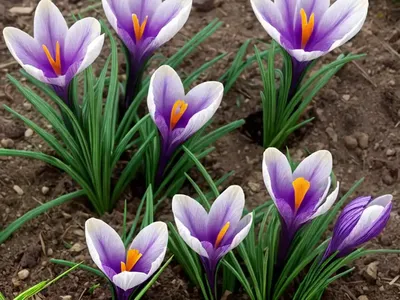
Snow Crocus is available in a variety of cultivars, each with unique flower colors and patterns. While the classic ‘Snow Bunting’ features pristine white petals with a golden throat, other cultivars may exhibit hues of purple, lilac, or striped patterns on the petals. Exploring the diverse range of Snow Crocus varieties can add a delightful dose of color to early spring gardens.
Snow Bunting Crocus Planting Guide
Naturalizing Snow Crocus
Due to its prolific self-seeding nature, Snow Crocus has the remarkable ability to naturalize in suitable conditions. When planted in a favorable environment, it can multiply and create breathtaking blankets of delicate blooms year after year.
Companions in the Garden
Snow Crocus pairs well with other early spring bloomers such as daffodils, tulips, and grape hyacinths. Interspersing different bulb varieties can create captivating displays of color and texture, heralding the arrival of spring in a vibrant tapestry of blooms.
Maintenance
After Bloom Care
Once the flowers have faded, it is important to allow the foliage to continue growing and photosynthesizing until it naturally yellows and withers. Refraining from removing the foliage prematurely allows the corms to store energy for the next season’s growth.
Deadheading
While deadheading is not essential for Snow Crocus, removing spent flowers can enhance the overall appearance of the plant and prevent self-seeding, especially in areas where a controlled spread is preferable.
Snow Crocus Bloom Time
One of the most enchanting aspects of Snow Crocus is its early bloom time, often heralding the arrival of spring while snow still blankets the ground. The delicate, cup-shaped flowers emerge as soon as the weather begins to warm, attracting pollinators and bringing a sense of renewal to the garden.
Snow Crocus Characteristics
Flower Anatomy
The classic Snow Crocus bloom consists of six petals arranged in a cup-like shape, revealing a vivid yellow or orange throat. The flowers emerge singly from each corm, creating a charming display that invites closer inspection.
Color Variations
While the ‘Snow Bunting’ cultivar showcases pure white petals with a striking yellow throat, other Snow Crocus cultivars exhibit an array of colors, including lavender, purple, and bicolor combinations. This diversity of hues adds intrigue and visual interest to early spring landscapes.
Snow Bunting Crocus in Gardens
The Snow Crocus is a beloved addition to gardens, offering a charming and ephemeral display that marks the transition from winter to spring. It thrives in mixed borders, naturalized woodland settings, and rock gardens, brightening the landscape with its fleeting yet unforgettable presence.
Common Diseases and Pests
Disease Diagnosis
While Snow Crocus is relatively resistant to diseases, it is susceptible to certain fungal infections such as botrytis and fusarium. These are often manifested as discolored or decaying foliage, wilting flowers, or a general decline in the health of the plant. Adequate air circulation and maintaining proper soil moisture levels can help prevent such issues.
Common Pests
The most common pests that may affect Snow Crocus include squirrels, mice, and voles, especially during the planting and dormancy periods. These creatures are known to unearth and consume the corms, posing a threat to the establishment and spread of Snow Crocus. Employing deterrents and protective measures can safeguard against these potential threats.
Botanist’s Tips for Growing Snow Crocus
As a botanist with a deep admiration for the Snow Crocus, I offer the following tips to ensure a successful and rewarding experience with this enchanting species:
- Choose a Well-Drained Location: Select a site with well-drained soil to prevent waterlogging, which can be detrimental to the health of the corms.
- Provide Early Protection: During the active growth phase, consider protecting emerging foliage and buds from late frosts or heavy snowfall to avoid damage to the delicate blooms.
- Naturalize with Caution: While naturalizing Snow Crocus can create stunning displays, exercise caution in areas where uncontrolled spread may become problematic, such as near natural habitats.
- Appreciate the Transience: Embrace the fleeting beauty of Snow Crocus, recognizing that its ephemeral nature adds to its allure and inspires a deeper appreciation for the changing seasons.
Fun Facts about Snow Crocus
- The name “Crocus” is derived from the Greek word “krokos,” which refers to the saffron crocus (Crocus sativus), a species renowned for its culinary and medicinal uses.
- Snow Crocus blooms are one of the earliest signs of spring, symbolizing renewal and the awakening of nature after the dormancy of winter.
- The vibrant orange stamens serve as a valuable food source for early foraging insects, providing sustenance in the early stages of the growing season.
Links to External Resources
To further enrich your understanding and appreciation of Snow Crocus, I recommend exploring the following external resources:
- Royal Horticultural Society: Crocus chrysanthus ‘Snow Bunting’
- Missouri Botanical Garden: Crocus chrysanthus ‘Snow Bunting’
- American Meadows: Snow Crocus
- The Spruce: All About Growing Crocus
In conclusion, the Crocus chrysanthus ‘Snow Bunting’ (Snow Crocus) evokes a sense of wonder and anticipation as it ushers in the new season with its dainty blooms. From its meticulous cultivation to the ethereal beauty it bestows upon gardens, this charming bulb holds a place of distinction in the horticultural world. Embracing its ephemeral grace and understanding its unique cultivation requirements allows us to unlock the full potential of this exquisite species, creating enchanting displays that herald the arrival of spring.
As we celebrate the cyclical rhythms of nature, the Snow Crocus stands as a reminder of the resilience and beauty that grace our world, inspiring moments of reflection and admiration in the early days of spring.
References
- “Crocus.” Royal Horticultural Society. https://www.rhs.org.uk/plants/131014/i-crocus-chrysanthus-i-snow-bunting/details
- “Crocus chrysanthus ‘Snow Bunting’.” Missouri Botanical Garden. https://www.missouribotanicalgarden.org/PlantFinder/PlantFinderDetails.aspx?taxonid=250784&isprofile=1&basic=crocus%20chrysanthus
- “Snow Crocus.” American Meadows. https://www.americanmeadows.com/flower-bulbs/crocus-flower-bulbs/crocus-snow-bunting
- “All About Growing Crocus.” The Spruce. https://www.thespruce.com/its-time-to-plant-crocus-bulbs-1402983