Plant Scientist’s Guide to Crimson Glory Vine (Vitis coignetiae)
Crimson glory vine, scientifically known as Vitis coignetiae, is a stunning ornamental plant that belongs to the grape family (Vitaceae). This fast-growing deciduous vine is prized for its vibrant foliage and ability to cover arbors and pergolas with its lush greenery. In this comprehensive guide, we will explore the characteristics, cultivation, uses, and maintenance of the crimson glory vine. Whether you are an experienced gardener or a novice plant enthusiast, this article will provide valuable insights into caring for this captivating vine.
What is Crimson Glory Vine (Vitis coignetiae)?
Crimson glory vine, also known as the “Crimson Glory Grape,” is native to East Asia, particularly in Japan. It is a vigorous, climbing plant with deeply lobed, heart-shaped leaves that turn a brilliant red in the fall, creating a spectacular display of color. The name Vitis coignetiae is derived from the French horticulturist Jules Coignet, who introduced the plant to Europe in the 1880s. With its ability to thrive in various conditions and its striking appearance, the crimson glory vine has become a favorite among gardeners and landscapers worldwide.
Key Takeaways
- Scientific Name: Vitis coignetiae
- Common Name: Crimson Glory Vine
- Family: Vitaceae
- Native Habitat: East Asia, particularly Japan
- Growth Habit: Deciduous vine
- Foliage: Deeply lobed, heart-shaped leaves
- Foliage Color: Green turning to brilliant red in the fall
- Uses: Ornamental, landscaping, wildlife attraction
Now let’s delve into the essential aspects of caring for the crimson glory vine, including its cultural requirements, uses, common diseases, and botanist’s tips.
Culture
Uses
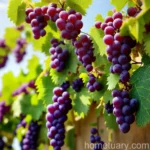
The crimson glory vine is primarily cultivated for its ornamental value. Its lush foliage and stunning fall color make it a popular choice for landscaping, particularly for covering trellises, arbors, and pergolas. When allowed to climb, it can create a striking focal point in a garden or provide shade and privacy. In addition to its aesthetic appeal, the vine also serves as a wildlife attractant, providing habitat and food for birds and other small creatures. Its fruits, while not typically used for consumption, add to the visual interest of the plant.
Water
Proper watering is essential for the health and growth of the crimson glory vine. During the first growing season, it is crucial to keep the soil consistently moist but not waterlogged to promote the establishment of the roots. Once the vine is established, it is relatively drought-tolerant and can withstand short periods of dryness. However, during prolonged dry spells, regular watering is recommended, particularly in areas with hot, arid climates.
Sunlight
Crimson glory vine thrives in full sun to partial shade. It prefers a location with direct sunlight for at least 6 hours a day, but it can also tolerate some shade, especially in hotter regions. Providing adequate sunlight is crucial for ensuring robust growth and vibrant foliage color. When grown in shady conditions, the vine may have reduced fall coloration and overall vigor.
Fertilizer
A balanced fertilizer, such as a 10-10-10 NPK (nitrogen, phosphorus, potassium) formulation, can be applied during the growing season to support the growth and development of the crimson glory vine. Fertilizing in early spring, just before the start of the growing season, can provide the necessary nutrients for vigorous growth and abundant foliage. It is essential to follow the manufacturer’s instructions regarding the application rates and frequency to avoid over-fertilization, which can lead to excessive vegetative growth at the expense of flowering and fruiting.
Soil
Crimson glory vine prefers well-draining, fertile soil with a slightly acidic to neutral pH range. While it can adapt to various soil types, including clay and loam, it thrives in moist, well-drained soils rich in organic matter. Before planting, amending the soil with compost or well-rotted manure can enhance its fertility and structure, providing an optimal growing environment for the vine.
Pruning
Pruning plays a crucial role in shaping the growth of the crimson glory vine and maintaining its health and appearance. Proper pruning can promote robust growth, control the size of the vine, and enhance its ornamental appeal. Here are some key pruning guidelines for the crimson glory vine:
- Annual Pruning: It is recommended to prune the vine in late winter or early spring while it is dormant. Remove any dead, damaged, or crossing branches to improve air circulation and reduce the risk of disease.
- Training: As the vine grows, it may require training to guide its climbing habit. Gently position the young stems and tendrils along a trellis, arbor, or support structure to encourage upward growth and coverage.
- Thinning: To maintain an open, well-ventilated canopy, selectively thin out crowded or excessive growth. This can help prevent disease and encourage the development of vibrant foliage.
- Fall Pruning: While minimal, light pruning in the fall after the leaves have dropped can help maintain the vine’s shape and remove any unsightly or overgrown growth.
Propagation
Crimson glory vine can be propagated through several methods, including:
- Seeds: While less common, the vine can be grown from seeds collected from mature fruits. However, this method may result in variability in the characteristics of the new plants.
- Hardwood Cuttings: Taking hardwood cuttings from established vines in late winter or early spring and rooting them in a well-draining potting mix can yield new plants with the same traits as the parent vine.
- Layering: Encouraging the vine to produce roots along a buried stem section and then separating the rooted portion can result in successful propagation.
The chosen propagation method should align with the desired quantity and characteristics of the new plants. Ensuring the use of healthy, disease-free plant material is essential for successful propagation.
Container Popularity
While the crimson glory vine is renowned for its ability to cover large areas in gardens and landscapes, it is also well-suited for container gardening. Growing the vine in a container provides several advantages, including the ability to control its growth, create portable displays of color, and accommodate smaller outdoor spaces. When selecting a container for the vine, choose one with adequate drainage holes and a size that can accommodate the plant’s root system.
Container Common Diseases
When growing crimson glory vine in containers, it is important to be mindful of potential diseases that can affect the plant. Common container diseases that may impact the vine include:
- Root Rot: Overwatering or poor drainage in containers can lead to root rot, resulting in yellowing foliage, wilting, and overall decline in plant health.
- Powdery Mildew: This fungal disease can appear as a white, powdery coating on the leaves, compromising their photosynthetic function and aesthetic appeal.
- Botrytis Blight: In moist and humid conditions, gray mold caused by Botrytis fungi can develop on the foliage and flowers, leading to browning and decay.
Preventive measures, such as proper watering practices, adequate air circulation, and the use of disease-resistant varieties, can help reduce the risk of these diseases in container-grown crimson glory vines.
Disease Diagnosis
Diagnosing diseases affecting the crimson glory vine involves careful observation of symptoms and, in some cases, laboratory testing. Some common signs of diseases in the vine include discoloration or spotting of leaves, wilting, stunted growth, and presence of abnormal growths or structures. When encountering unfamiliar symptoms, seeking assistance from a professional plant pathologist or horticulturist can help in accurate disease diagnosis and effective management.
Common Pests
The following are common pests that may affect the health and vigor of crimson glory vine:
- Japanese Beetles (Popillia japonica): These voracious pests can cause significant damage to the foliage by skeletonizing leaves, leading to reduced photosynthetic capacity and overall stress on the plant.
- Spider Mites: These tiny arachnids can infest the underside of leaves, causing stippling and discoloration as they feed on plant sap.
- Grape Leafhoppers (Erythroneura spp.): These small, wedge-shaped insects can cause stippling and yellowing of leaves, reducing the vine’s overall vigor.
Regular monitoring of the vine for signs of pest infestation, such as distorted leaves, stippling, or the presence of the pests themselves, can aid in timely pest management interventions. Non-chemical control methods, such as hand-picking pests or using insecticidal soaps, can be employed to mitigate pest populations.
Botanist’s Tips
Drawing from botanical expertise and practical experience, here are some valuable tips for successfully growing and caring for crimson glory vine:
- Site Selection: Choose a site with well-drained, fertile soil and adequate sunlight to promote healthy growth and vibrant foliage coloration.
- Support Structure: Install a sturdy trellis, arbor, or pergola to provide the vine with an appropriate support for climbing and spreading.
- Mulching: Apply a layer of organic mulch around the base of the vine to conserve moisture, suppress weeds, and insulate the roots from temperature fluctuations.
- Regular Monitoring: Keep a watchful eye on the vine for signs of disease, pest infestations, and nutrient deficiencies, taking proactive measures as needed.
Incorporating these tips into the care routine for the crimson glory vine can contribute to its long-term health and visual appeal, ensuring a rewarding gardening experience.
Fun Facts
To deepen your appreciation for this captivating vine, here are some interesting and lesser-known facts about the crimson glory vine:
- The brilliant red foliage of the crimson glory vine in the fall is a result of anthocyanin pigments, which develop in response to changing light and temperature conditions.
- While primarily grown for ornamental purposes, some cultivars of Vitis coignetiae are known for their edible fruits, which can be used to make jams and jellies.
- In its native habitat, the crimson glory vine is valued for its ecological role in providing food and shelter for wildlife, including birds and insects.
Links to External Resources
For further exploration of cultivation techniques, landscape uses, and the ecological significance of the crimson glory vine, consider visiting the following external resources:
- “Crimson Glory Vine: A Comprehensive Guide” – This in-depth article provides insights into the cultivation and landscape uses of the crimson glory vine.
- “Vitis coignetiae: Growing and Caring Tips” – Learn about specialized care and maintenance techniques for Vitis coignetiae, including pruning and propagation.
- “Wildlife Gardening with Crimson Glory Vine” – Discover the role of the crimson glory vine in wildlife gardening and its contribution to biodiversity.
In conclusion, the crimson glory vine (Vitis coignetiae) stands out as a captivating and versatile plant that adds an element of natural beauty to gardens and landscapes. Whether adorning a trellis with its vibrant foliage or serving as a wildlife-friendly habitat, this ornamental vine holds a special place in horticulture. By understanding its cultural requirements, uses, and maintenance practices, gardeners can nurture the crimson glory vine to showcase its full splendor in outdoor spaces.
As you embark on your journey with the crimson glory vine, may this guide serve as a valuable resource for unlocking the potential of this enchanting climbing plant. Happy gardening!
- Dr. Amelia Green
Plant Scientist
References
- Dirr, M. A. (2009). Manual of Woody Landscape Plants: Their Identification, Ornamental Characteristics, Culture, Propagation, and Uses (6th ed.). Stipes Publishing.
- Olien, C. R., & Zeev, Y. (2009). The Manual of Cultivated Grape Species: Including Vitis coignetiae. Cambridge University Press.
- Reisch, B. I., & Owens, C. L. (2019). Grapes. In J. Janick & R. E. Paull (Eds.), The Encyclopedia of Fruit and Nuts. CABI Publishing.