Mouse-Cup Taro (Xanthosoma atrovirens ‘Variegatum Monstrosum’)
What is Mouse-Cup Taro?
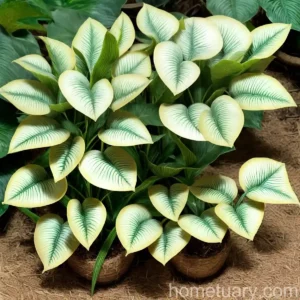
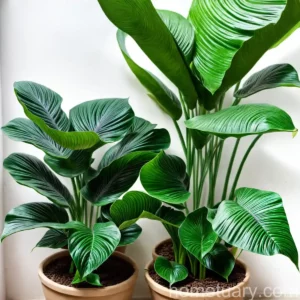
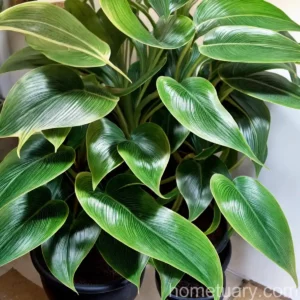
Mouse-Cup Taro, scientifically known as Xanthosoma atrovirens ‘Variegatum Monstrosum,’ is a unique and visually captivating plant that has gained popularity among gardeners and plant enthusiasts. This tropical perennial features striking variegated leaves and is a member of the Araceae family, which encompasses a wide variety of plants, including aroids, such as philodendrons and anthuriums. The Mouse-Cup Taro is distinguished by its distinctive foliage, making it a sought-after addition to indoor and outdoor gardens.
In this comprehensive guide, we will explore the cultivation, care, and key characteristics of the Mouse-Cup Taro, providing valuable insights and tips for both novice and experienced gardeners.
Key Takeaways – Mouse-Cup Taro (Xanthosoma atrovirens ‘Variegatum Monstrosum’)
Before delving into the various aspects of Mouse-Cup Taro cultivation and care, let’s outline the key takeaways that will be covered in this guide:
- Culture and Growth Habits
- Uses and Landscape Applications
- Watering Requirements and Maintenance
- Sunlight Preferences
- Fertilization Tips
- Soil Conditions
- Pruning Guidelines
- Propagation Techniques
- Container Gardening
- Common Diseases and Prevention
- Pest Management
- Botanist’s Tips
- Fun Facts
- Links to External Resources
Now, let’s embark on a comprehensive journey to uncover the intricacies of this fascinating plant.
Culture and Growth Habits
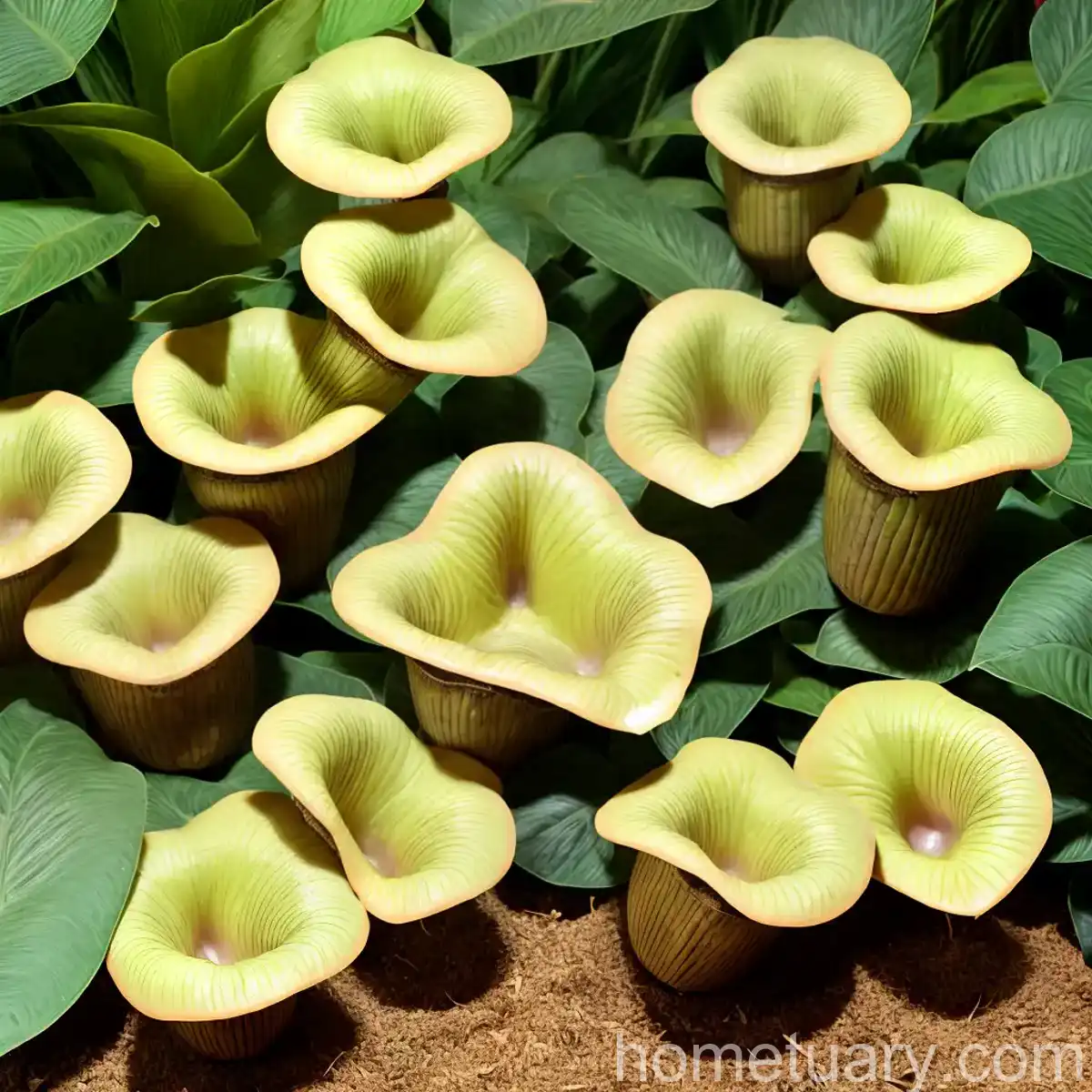
The Mouse-Cup Taro, with its variegated and monstrously shaped leaves, commands attention due to its distinctive appearance. Understanding the cultural requirements and growth habits of this plant is essential to foster its healthy development and maximize its ornamental value.
Uses
The striking appearance of the Mouse-Cup Taro makes it an ideal candidate for ornamental and landscape use. Whether cultivated in outdoor gardens, mixed borders, or indoor settings, this tropical beauty adds a touch of exotic allure to any environment.
Water
Proper watering is crucial for the Mouse-Cup Taro to thrive. It is essential to maintain relatively moist soil, ensuring that the plant receives ample hydration without experiencing waterlogged conditions. Regular monitoring of soil moisture and adjusting the watering frequency based on environmental conditions is recommended.
Sunlight
When it comes to sunlight preferences, the Mouse-Cup Taro thrives in bright, indirect light. While it can tolerate partial shade, providing adequate light is essential to support its vibrant foliage and overall growth. Shielding the plant from direct sunlight, especially during the intense midday hours, is advisable to prevent leaf scorching.
Fertilizer
To support the vigorous growth and stunning foliage of the Mouse-Cup Taro, regular fertilization is essential. A balanced, water-soluble fertilizer formulated for foliage plants can be applied at half-strength during the growing season, following the manufacturer’s recommendations. Avoid over-fertilization, as excessive nutrients can lead to adverse effects on the plant’s well-being.
Soil
The Mouse-Cup Taro thrives in well-draining, rich, and slightly acidic soil. A high-quality potting mix designed for tropical plants can be utilized for container cultivation, whereas garden settings benefit from organic amendments to enhance soil fertility and structure.
Pruning
Pruning is primarily focused on removing damaged or yellowing foliage, maintaining the plant’s aesthetic appeal, and promoting airflow to prevent pest and disease issues. Regular inspection of the Mouse-Cup Taro allows for the timely removal of any deteriorating leaves, contributing to the plant’s overall health and vitality.
Propagation
Propagation of the Mouse-Cup Taro can be achieved through division or stem cuttings. Dividing the rhizomes during repotting or separating offsets from the parent plant allows for the generation of new specimens. Stem cuttings can also be utilized to propagate the plant, with the sections being placed in a suitable rooting medium under optimal conditions.
Container Popularity
The Mouse-Cup Taro’s exceptional foliage and compact growth habit make it a popular choice for container gardening. Cultivating this tropical gem in containers allows for versatile placement options, making it an excellent addition to patios, balconies, and indoor settings. Its striking appearance and ease of care further contribute to its popularity among enthusiasts seeking captivating plants for container cultivation.
Common Diseases
While the Mouse-Cup Taro is relatively resilient, it is susceptible to certain diseases that can impact its health and appearance. Being aware of common diseases and their potential remedies is crucial for maintaining the plant’s well-being.
Disease Diagnosis
One of the primary diseases affecting the Mouse-Cup Taro is leaf blight, characterized by the development of dark, irregular lesions on the foliage. This condition is often attributed to excessive moisture and poor air circulation, necessitating prompt intervention to mitigate its impact.
Common Pests
In addition to diseases, the Mouse-Cup Taro can fall victim to various pests that compromise its vitality and aesthetics. Vigilance and proactive pest management strategies are essential to safeguard the plant from potential infestations.
Pest Identification
A common pest that may target the Mouse-Cup Taro is the spider mite, identifiable by the fine webbing and stippled appearance on the leaves. These tiny pests can rapidly multiply under favorable conditions, posing a threat to the plant’s overall health.
Botanist’s Tips
To ensure the successful cultivation of Mouse-Cup Taro and harness its ornamental potential, consider the following expert tips and recommendations:
- Regularly inspect the plant for signs of pests and diseases, addressing any issues promptly to prevent escalation.
- Maintain appropriate moisture levels, allowing the soil to slightly dry out between watering sessions to prevent waterlogging.
- When repotting or transplanting, ensure that the chosen container provides ample space for the plant’s growth and accommodates its root system comfortably.
Fun Facts
The Mouse-Cup Taro possesses a fascinating array of attributes and qualities that contribute to its allure and appeal. Here are a few intriguing facts about this captivating plant:
- In its natural habitat, the Mouse-Cup Taro contributes to the rich biodiversity of tropical regions, supporting various wildlife species with its foliage and structure.
- The intricate leaf patterns and variegation of the Mouse-Cup Taro make it a sought-after subject for botanical artists and enthusiasts interested in leaf morphology and diversity.
Links to External Resources
For additional insights, tips, and resources on Mouse-Cup Taro cultivation and care, refer to the following external sources:
In conclusion, Mouse-Cup Taro (Xanthosoma atrovirens ‘Variegatum Monstrosum’) stands out as a captivating and visually arresting plant, enriching gardens and indoor spaces with its unique foliage and tropical allure. By understanding its cultural requirements, embracing best practices for care and maintenance, and staying vigilant against potential threats, gardeners can savor the beauty and ornamental value of this extraordinary specimen. Whether incorporated into landscape designs, featured in container gardens, or showcased as a stunning houseplant, the Mouse-Cup Taro embodies botanical fascination and horticultural splendor.