The Creeping Oxeye (Sphagneticola trilobata): A Comprehensive Guide

The Creeping Oxeye (Sphagneticola trilobata) is a versatile and resilient plant that has been valued for its ornamental, medicinal, and ecological properties for centuries. Also known as Wedelia or Singapore Daisy, this plant belongs to the Asteraceae family and is native to the American tropics. In this comprehensive guide, we will explore the characteristics, uses, care requirements, and much more about the Creeping Oxeye.
Sphagneticola trilobata Characteristics
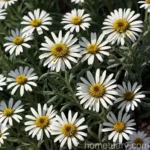
Sphagneticola trilobata, commonly known as Creeping Oxeye, is a low-growing perennial plant that typically reaches a height of 1 to 1.5 feet. Its foliage is lush green, with ovate to kidney-shaped leaves that are approximately 3-5 cm long and 2-4 cm wide. The plant produces bright yellow, daisy-like flowers with distinctively toothed petals, adding an attractive pop of color to its surroundings.
Key Takeaways – Creeping Oxeye (Sphagneticola trilobata)
Before delving into the details of the culture, uses, and care of the Creeping Oxeye, here are some key takeaways about this versatile plant:
- Common Names: Creeping Oxeye, Wedelia, Singapore Daisy
- Family: Asteraceae
- Native Habitat: American Tropics
- Growth Habit: Low-growing, spreading perennial
- Flower Characteristics: Bright yellow, daisy-like flowers with toothed petals
- Uses: Ornamental, medicinal, ground cover, erosion control, wildlife habitat creation
Now, let’s explore the different aspects of the Creeping Oxeye to understand how to cultivate and care for this plant effectively.
Culture
Uses
The Creeping Oxeye has a wide range of uses, making it a valuable addition to any garden or landscape. Some of the primary uses of this plant include:
-
Ornamental: Its bright yellow flowers and lush green foliage make it an excellent choice for ground cover and border plantings.
-
Medicinal: In traditional medicine, the Creeping Oxeye has been used to treat various ailments, including skin conditions and digestive issues.
-
Erosion Control: Due to its spreading habit and extensive root system, this plant is effective in stabilizing soil and preventing erosion.
-
Wildlife Habitat Creation: The Creeping Oxeye provides food and shelter for pollinators, butterflies, and other beneficial wildlife.
Water
The Creeping Oxeye is relatively drought-tolerant once established but benefits from regular watering, especially during dry spells or prolonged periods of heat. When cultivating this plant, it is essential to provide consistent moisture, particularly during the initial establishment phase. However, it is important to avoid overwatering, as this can lead to root rot and other issues.
Sunlight
This plant thrives in full sun to partial shade. It requires at least 6-8 hours of sunlight per day to encourage robust growth and prolific flowering. In regions with intense afternoon sun and high temperatures, providing some afternoon shade can help prevent stress and maintain the plant’s overall health and appearance.
Fertilizer
When it comes to fertilizer, the Creeping Oxeye is relatively low-maintenance. A balanced, slow-release fertilizer applied in spring can provide the necessary nutrients for healthy growth and abundant flowering. It is essential to follow the manufacturer’s instructions regarding application rates and frequency to avoid over-fertilization.
Soil
The Creeping Oxeye is adaptable to a wide range of soil types, provided they are well-draining. However, it thrives in moderately fertile, loamy soil with a slightly acidic to neutral pH. Amending heavy clay or sandy soil with organic matter can improve its structure and fertility, creating an ideal growing environment for the plant.
Pruning
The Creeping Oxeye responds well to regular pruning, which helps maintain its compact form, promotes bushier growth, and encourages continuous flowering. During the growing season, removing spent flowers and selectively trimming back leggy or overgrown stems can help rejuvenate the plant and improve its overall appearance. Additionally, a light pruning in late winter or early spring can stimulate new growth and enhance the plant’s vigor for the upcoming growing season.
Propagation
The Creeping Oxeye can be propagated through various methods, including division, stem cuttings, and seed. Each method has its advantages and considerations, allowing for flexibility in the propagation and expansion of this plant in different settings.
Division
Division is a straightforward method of propagation that involves separating established clumps of the Creeping Oxeye into smaller sections. This is typically done in early spring, just before new growth emerges. The divided sections can then be replanted in desired locations, where they can quickly establish and begin to grow.
Stem Cuttings
Stem cuttings are another effective means of propagating the Creeping Oxeye. Select healthy, non-flowering stems and take cuttings that are approximately 4-6 inches long. Remove the lower leaves and plant the cuttings in a well-draining potting mix. With consistent moisture and warmth, the cuttings will develop roots and can be transplanted into the garden once they have established a strong root system.
Seed
While the Creeping Oxeye can be grown from seed, this method may take longer to produce mature plants compared to division or stem cuttings. Sow the seeds in a well-prepared seedbed or containers, keeping the soil consistently moist until germination occurs. Once the seedlings have developed several sets of true leaves, they can be transplanted to their final growing positions.
Container Popularity
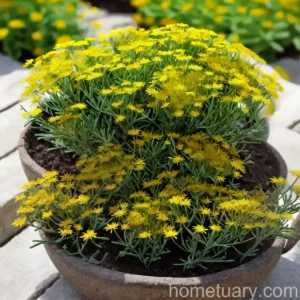
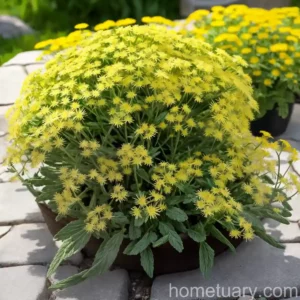
The Creeping Oxeye is well-suited for container gardening, particularly in situations where space is limited or where its spreading habit needs to be contained. When selecting a container for this plant, choose a size that accommodates its growth while providing adequate drainage. Additionally, using a high-quality, well-draining potting mix can help promote healthy root development and prevent waterlogged soil, which can be detrimental to the plant’s overall health.
Common Diseases
While the Creeping Oxeye is relatively resilient to many pests and diseases, it can occasionally experience issues that may impact its growth and appearance. Some common diseases that may affect this plant include:
-
Powdery Mildew: This fungal disease can develop in humid conditions and cause a white, powdery growth on the leaves, leading to reduced vigor and potential defoliation.
-
Root Rot: Overly wet or poorly draining soil can lead to root rot, affecting the plant’s ability to absorb nutrients and water.
Disease Diagnosis
To effectively diagnose and manage diseases in the Creeping Oxeye, it is important to monitor the plant regularly for any signs of distress, including wilting, yellowing foliage, or unusual growth patterns. In cases where disease is suspected, it is helpful to consult with a local extension service or a knowledgeable plant professional to identify the specific issue and determine the appropriate course of action.
Common Pests
The Creeping Oxeye is relatively resistant to many common pests, but it may occasionally attract the attention of certain insect nuisances. Some pests that may affect this plant include:
-
Aphids: These small, sap-sucking insects can congregate on new growth, causing distortion and stunted development of the affected plant parts.
-
Spider Mites: These tiny arachnids can infest the undersides of leaves, leading to stippling, discoloration, and reduced plant vigor.
Botanist’s Tips
For successful cultivation and care of the Creeping Oxeye, consider the following tips from botanists and experienced gardeners:
-
Selecting a Planting Site: Choose a location with well-draining soil and ample sunlight for optimal growth and flowering.
-
Mulching: Apply a layer of organic mulch around the base of the plant to conserve soil moisture, suppress weeds, and regulate soil temperature.
-
Regular Inspections: Monitor the plant regularly for signs of pests, diseases, and nutrient deficiencies, addressing any issues promptly to minimize their impact.
-
Promoting Wildlife: Encourage beneficial pollinators and wildlife by cultivating the Creeping Oxeye in wildlife-friendly garden settings.
Fun Facts
A few interesting and lesser-known facts about the Creeping Oxeye:
-
The earliest recorded uses of the Creeping Oxeye date back to traditional medicine practices in various tropical regions where the plant is native.
-
In some cultures, the Creeping Oxeye has been used in ceremonial rituals and as a decorative element in traditional crafts.
-
This plant has gained popularity as a ground cover and erosion control solution in landscaping and restoration projects worldwide.
Now that we have explored the characteristics, uses, and care of the Creeping Oxeye, let’s delve into some external resources that can provide further information and guidance for plant enthusiasts and gardeners.
Links to External Resources
For additional information on the Creeping Oxeye (Sphagneticola trilobata), consider exploring the following resources:
- Texas Invasives Database – Creeping Oxeye
- University of Florida IFAS Extension – Creeping Oxeye
- Missouri Botanical Garden – Sphagneticola trilobata
- Plantwise Knowledge Bank – Creeping Oxeye
In conclusion, the Creeping Oxeye (Sphagneticola trilobata) is a valuable and versatile plant with ornamental, medicinal, and ecological benefits. Its ease of cultivation, resilience, and attractive attributes make it a desirable addition to gardens, landscapes, and restoration projects. By understanding its culture, uses, and care requirements, gardeners and plant enthusiasts can effectively incorporate the Creeping Oxeye into diverse settings, where it can thrive and contribute to the beauty and biodiversity of the natural environment.
As a plant scientist, it is essential to provide accurate and comprehensive information about the plants we study and cultivate. This comprehensive guide to the Creeping Oxeye serves as a valuable resource for both novice and experienced gardeners wishing to learn more about this remarkable plant.
Note: The information provided in this guide is intended for general educational purposes and does not substitute for professional cultivation and care advice tailored to specific growing conditions.