Plant Spotlight: Tickseed (Coreopsis ‘Sweet Marmalade’)
Introduction
Plants are not only integral to the environment but also a source of joy and beauty for many. Tickseed, scientifically known as Coreopsis ‘Sweet Marmalade’, is a vibrant and charming addition to any garden. This blog post will delve into the various aspects of tickseed, from its cultural needs to its uses and maintenance. So, let’s discover the fascinating world of tickseed together!
What is Tickseed?
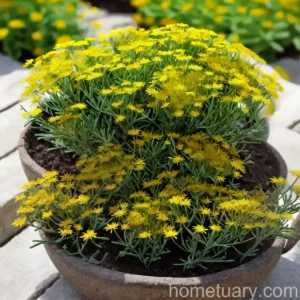
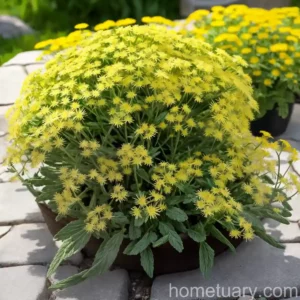
Tickseed (Coreopsis ‘Sweet Marmalade’) is a perennial plant that is cherished for its cheerful yellow blooms and delicate foliage. ‘Sweet Marmalade’ is a striking variety of coreopsis, a genus consisting of many species that are native to North and South America. With its abundant flowers and long blooming period, ‘Sweet Marmalade’ has become a beloved choice for gardeners aiming to add a pop of color to their landscapes.
Key Takeaways – Tickseed (Coreopsis ‘Sweet Marmalade’)
Below are the key aspects that will be explored in this blog post:
- Culture
- Uses
- Water
- Sunlight
- Fertilizer
- Soil
- Pruning
- Propagation
- Container Popularity
- Container Common Diseases
- Disease Diagnosis
- Common Pests
- Botanist’s Tips
- Fun Facts
- Links to External Resources
Culture
Tickseed (Coreopsis ‘Sweet Marmalade’) is known for its low-maintenance nature, making it an excellent choice for both beginner and experienced gardeners. Understanding its cultural requirements is essential for ensuring its optimal growth and blooming.
Uses
- Landscaping: Tickseed (Coreopsis ‘Sweet Marmalade’) is often used in landscaping to add vibrant color and texture to gardens, borders, and edging.
- Cut Flowers: The long, wiry stems and abundant blooms make ‘Sweet Marmalade’ an excellent choice for cut flower arrangements.
- Pollinator Gardens: The nectar-rich flowers attract beneficial pollinators, such as bees and butterflies, making tickseed a valuable addition to pollinator gardens.
Water
Proper watering is crucial for the health and vitality of tickseed plants. While they can tolerate dry conditions once established, regular watering is needed, especially during hot and dry periods.
Sunlight
Tickseed (Coreopsis ‘Sweet Marmalade) thrives in full sun, which typically means at least 6 to 8 hours of direct sunlight per day. Adequate sunlight is essential for promoting abundant flowering and compact growth.
Fertilizer
Tickseed plants are not heavy feeders, and excessive fertilization may lead to excessive foliage growth at the expense of flowers. A balanced fertilizer applied in early spring can support healthy growth and blooming.
Soil
Well-draining soil is essential for tickseed plants. They prefer soil that is slightly acidic to neutral, with a pH range of 6.0 to 7.0. Amending the soil with organic matter can improve its texture and drainage, promoting healthier growth.
Pruning
Regular deadheading, or the removal of spent flowers, can encourage continuous blooming and prevent self-seeding. Additionally, a light shearing in mid-summer can promote a tidy appearance and spur a new flush of blooms.
Propagation
Tickseed (Coreopsis ‘Sweet Marmalade’) can be propagated through division or stem cuttings. Division is best done in early spring or late summer, while stem cuttings can be taken in late spring to summer.
Container Popularity
Due to its compact size and vibrant blooms, tickseed is often grown in containers, adding a splash of color to patios, balconies, and other outdoor spaces.
Container Common Diseases
While tickseed plants are generally resilient, they may be susceptible to certain diseases when grown in containers, including root rot and powdery mildew.
Disease Diagnosis
Being vigilant about any signs of disease, such as wilting, leaf spots, or unusual discoloration, can help in early diagnosis and treatment of plant ailments.
Common Pests
Tickseed (Coreopsis ‘Sweet Marmalade’) is relatively resistant to pests, but it may occasionally encounter issues with aphids, spider mites, or caterpillars. Regular monitoring and prompt intervention can help mitigate pest problems.
Botanist’s Tips
To ensure the best performance of tickseed plants, consider planting them in well-draining soil, providing ample sunlight, and avoiding overwatering, especially in humid conditions.
Fun Facts
- The genus name “Coreopsis” is derived from the Greek words “koris,” meaning bedbug, and “opsis,” meaning resembling, alluding to the appearance of the seed.
- ‘Sweet Marmalade’ is a selection of Coreopsis that is particularly valued for its vivid orange-yellow flowers and compact growth habit.
Links to External Resources
For further information about tickseed (Coreopsis ‘Sweet Marmalade’) and related topics, consider exploring the following resources:
– The American Horticultural Society’s Book of Coreopsis
– The Royal Horticultural Society’s Plant Guide on Coreopsis
In the upcoming sections, we will explore each of these aspects in detail, providing a comprehensive guide to cultivating and caring for tickseed plants. Stay with us to discover more about the beautiful and versatile tickseed (Coreopsis ‘Sweet Marmalade’).
Tickseed (Coreopsis ‘Sweet Marmalade’) Cultural Requirements
Tickseed Cultivation
Tickseed (Coreopsis ‘Sweet Marmalade’) is relatively easy to cultivate, making it a popular choice for gardeners seeking low-maintenance, yet visually appealing, plants. Understanding its cultivation requirements is vital for ensuring its successful growth and development.
Planting Tips
When planting tickseed, choose a location with well-draining soil and full sun exposure. Before planting, amend the soil with organic matter to improve its texture and fertility. Space the plants according to their mature spread to allow for adequate air circulation.
Tickseed Care
- Watering: Provide regular, consistent moisture, especially during the establishment period. Once established, tickseed plants are moderately drought-tolerant but will benefit from supplemental watering during prolonged dry spells.
- Fertilization: Apply a balanced, slow-release fertilizer in early spring to support healthy growth and flowering. Avoid over-fertilizing, as excessive nutrients can lead to leggy growth and reduced blooming.
- Pruning: Regular deadheading and light shearing can prolong the blooming period and promote a tidy, compact growth habit.
Coreopsis ‘Sweet Marmalade’ Characteristics
- Height: Typically reaches a height of 12 to 18 inches, making it suitable for both borders and containers.
- Flowers: ‘Sweet Marmalade’ is adorned with semi-double to double, orange-yellow flowers that bloom profusely from late spring to early fall.
- Foliage: Delicate, fern-like foliage adds texture and interest even when the plant is not in bloom.
Tickseed Garden
Tickseed (Coreopsis ‘Sweet Marmalade’) is an excellent addition to various garden settings, ranging from traditional flower beds to more contemporary landscapes. Its vibrant blooms and versatile nature make it a valuable asset in any garden.
Tickseed Planting
When planning the layout of a tickseed garden, consider its mature size and spread. Select a sunny location with well-draining soil. Pair ‘Sweet Marmalade’ with other sun-loving perennials, such as coneflowers, black-eyed Susans, and ornamental grasses, for a dynamic and colorful display.
Tickseed Maintenance
- Weeding: Regularly remove weeds to prevent competition for resources and maintain a tidy appearance.
- Mulching: Apply a layer of organic mulch around the base of the plant to conserve moisture, regulate soil temperature, and suppress weed growth.
- Division: Over time, tickseed plants may benefit from division to rejuvenate their growth and flowering. Dividing plants every 2 to 3 years can help maintain their vigor.
Tickseed ‘Sweet Marmalade’ Blooms
The profusion of blooms is one of the most captivating features of ‘Sweet Marmalade.’ The vibrant orange-yellow flowers are not only visually stunning but also attract beneficial pollinators, such as bees and butterflies, to the garden.
Tickseed ‘Sweet Marmalade’ Varieties
There are several other tickseed varieties and cultivars available, each with its unique characteristics and flower colors. Some popular varieties include ‘Moonbeam,’ ‘Red Satin,’ and ‘Jethro Tull,’ offering a diverse range of choices for gardeners.
Tickseed Sunlight Requirements
For optimal blooming and overall health, tickseed (Coreopsis ‘Sweet Marmalade’) requires full sun exposure, which is defined as at least 6 to 8 hours of direct sunlight per day. Insufficient sunlight may lead to reduced flowering and leggy growth.
Tickseed Soil Conditions
The soil conditions directly impact the growth and vitality of tickseed plants. Understanding the ideal soil requirements and making necessary adjustments can contribute to the plant’s overall health and performance.
Tickseed Planting Tips
- Choose well-draining soil with a slightly acidic to neutral pH (6.0 to 7.0) for best results.
- If the native soil is heavy or compacted, incorporate organic matter, such as compost or peat moss, to improve its structure and drainage.
- Consider conducting a soil test to assess the pH and nutrient levels, and make amendments based on the test results.
Tickseed Watering
While tickseed plants are relatively drought-tolerant once established, consistent moisture is crucial during the initial growth phase and blooming period. Proper watering practices can help ensure the plant’s vitality and flowering success.
Tickseed (Coreopsis ‘Sweet Marmalade’) Uses
Landscaping with Tickseed
Tickseed (Coreopsis ‘Sweet Marmalade’) is a versatile and visually appealing addition to landscaping settings, offering a myriad of uses and benefits. Its vibrant blooms and low-maintenance nature make it an asset in various landscape designs.
Tickseed Landscape Ideas
- Mixed Borders: Incorporate ‘Sweet Marmalade’ into mixed borders alongside other perennials, such as salvias, sedums, and rudbeckias, to create a dynamic and colorful display throughout the growing season.
- Rock Gardens: The compact size and floriferous nature of tickseed make it well-suited for rock gardens, adding pops of color and texture to rocky terrain.
- Pollinator Gardens: Utilize tickseed to attract beneficial pollinators, contributing to the ecological health of the garden and supporting local wildlife.
Tickseed Container Gardening
The compact size and vibrant blooms of tickseed (Coreopsis ‘Sweet Marmalade’) make it an excellent candidate for container gardening, providing an opportunity to elevate outdoor spaces with its visual appeal and charm.
Tickseed Planting Ideas
- Patio Containers: Enhance the visual appeal of patios and outdoor living areas by planting ‘Sweet Marmalade’ in containers or decorative pots, creating a focal point and adding seasonal interest.
- Balcony Gardens: Utilize tickseed to bring color and vibrancy to balcony gardens, where space may be limited, but the potential for plant enjoyment is boundless.
- Mixed Container Combinations: Pair ‘Sweet Marmalade’ with complementary plants, such as trailing vines, ornamental grasses, or compact annuals, to create visually stunning container arrangements.
Tickseed Flower Arrangements
The abundant and long-lasting blooms of ‘Sweet Marmalade’ make it an excellent choice for floral arrangements and indoor décor. The vivid orange-yellow flowers add brightness and cheer to any floral display.
Tickseed Color Combinations
When creating flower arrangements featuring tickseed, consider incorporating complementary colors, such as purples, blues, and whites, to create visually appealing and harmonious compositions.
Tickseed in Native Plant Gardens
Incorporating tickseed (Coreopsis ‘Sweet Marmalade’) into native plant gardens can contribute to the preservation of local ecosystems and provide valuable resources for indigenous wildlife, such as pollinators and beneficial insects.
Tickseed Wildlife Attraction
The nectar-rich flowers of tickseed plants attract a variety of wildlife, including bees, butterflies, and other beneficial pollinators, enhancing the ecological vibrancy of gardens and natural spaces.
Tickseed Pollinators
By providing a rich source of nectar and pollen, tickseed (Coreopsis ‘Sweet Marmalade’) plays a vital role in supporting pollinators and promoting biodiversity in the garden and beyond.
Tickseed Drought Tolerance
While tickseed plants prefer consistent moisture, they exhibit a degree of drought tolerance once established, making them suitable for gardens and landscapes in regions with periodic dry spells.
Tickseed Season
Tickseed (Coreopsis ‘Sweet Marmalade) typically blooms from late spring to early fall, providing an extended period of vibrant color and visual interest in the garden. Its long blooming season contributes to its value as a landscape plant.
Tickseed Hardiness
Many varieties of tickseed, including ‘Sweet Marmalade,’ exhibit good cold hardiness, allowing them to thrive in a range of climates and extend their growing range to cooler regions.
Tickseed Border Plant
Whether used as edging along pathways, borders, or garden beds, tickseed (Coreopsis ‘Sweet Marmalade’) serves as an attractive and low-maintenance border plant, enhancing the overall visual appeal of the landscape.
Tickseed Groundcover
The compact growth habit and abundant blooms of tickseed make it suitable for use as a groundcover in sunny areas, where it can spread and form a colorful carpet of flowers and foliage.
Tickseed Naturalizing
In favorable growing conditions, tickseed (Coreopsis ‘Sweet Marmalade’) can naturalize and form self-sustaining colonies, creating a picturesque and carefree presence in the landscape.
Tickseed Frost Tolerance
Many tickseed varieties, ‘Sweet Marmalade’ included, exhibit good frost tolerance, withstanding mild frosts and retaining their ornamental value late into the growing season.
Tickseed (Coreopsis ‘Sweet Marmalade’) Common Diseases and Pests
Common Diseases
While tickseed (Coreopsis ‘Sweet Marmalade’) is generally resilient, it may be susceptible to certain diseases and disorders. Recognizing and understanding these issues is crucial for effective management and prevention.
Disease Diagnosis
- Powdery Mildew: A fungal disease characterized by the powdery white growth on leaves and stems, often favored by humid conditions. Improve air circulation and consider fungicidal treatments if necessary.
- Root Rot: Overly wet or poorly drained soil can lead to root rot, resulting in wilting, yellowing of foliage, and overall decline. Avoid overwatering and amend the soil for better drainage.
Common Pests
While relatively pest-resistant, tickseed (Coreopsis ‘Sweet Marmalade’) may occasionally encounter pest issues that can impact its growth and flowering. Vigilance and proactive measures can help manage pest populations.
Tickseed Pests
- Aphids: Soft-bodied insects that cluster on new growth, sucking plant juices and potentially causing distortion and stunting. Consider using insecticidal soap or horticultural oils to control aphid populations.
- Spider Mites: These tiny arachnids can cause stippling and webbing on leaves, particularly in hot and dry conditions. Regularly spraying the foliage with water and using miticides can help manage spider mite infestations.
Botanist’s Tips for Tickseed (Coreopsis ‘Sweet Marmalade’)
Tickseed Plant Division
Dividing tickseed plants every 2 to 3 years can rejuvenate their growth, promote flowering, and prevent overcrowding, ultimately enhancing their overall vigor and performance.
Tickseed Pruning Techniques
- Deadheading: Remove spent flowers to encourage continuous blooming and maintain a tidy appearance.
- Mid-Summer Shearing: Lightly shear the plants in mid-summer to promote a bushier growth habit and stimulate a new flush of blooms.
Tickseed Care Guide
- Soil Preparation: Ensure that the planting site has well-draining soil and incorporate organic matter, such as compost or peat moss, to improve soil texture and fertility.
- Watering Practices: Water consistently, especially during the establishment phase, but avoid overwatering, as saturated soil can lead to root rot and other issues.
- Sunlight Requirements: Provide full sun exposure to promote vigorous growth and abundant flowering.
Tickseed Companion Plants
Pair tickseed (Coreopsis ‘Sweet Marmalade’) with complementary plants, such as salvia, rudbeckia, and veronica, to create visually dynamic and harmonious plant combinations in the garden.
Fun Facts about Tickseed (Coreopsis ‘Sweet Marmalade’)
- The genus name “Coreopsis” is derived from the Greek words “koris,” meaning bedbug, and “opsis,” meaning resembling, alluding to the appearance of the seed.
- ‘Sweet Marmalade’ is a selection of Coreopsis that is particularly valued for its vivid orange-yellow flowers and compact growth habit.
As we conclude our exploration of tickseed (Coreopsis ‘Sweet Marmalade’), we have gained valuable insights into its cultivation, uses, and maintenance. This charming and resilient plant has certainly earned its place in the hearts and gardens of many, and its beauty continues to captivate gardeners and nature enthusiasts alike.
Links to External Resources
For further information about tickseed (Coreopsis ‘Sweet Marmalade’) and related topics, consider exploring the following resources:
– The American Horticultural Society’s Book of Coreopsis
– The Royal Horticultural Society’s Plant Guide on Coreopsis
We hope that this comprehensive guide has provided a deeper understanding and appreciation for tickseed and has inspired you to incorporate this delightful plant into your own garden landscape. Happy gardening!
In summary, tickseed (Coreopsis ‘Sweet Marmalade’) is a remarkable perennial plant that offers an abundance of cheerful blooms, compact growth, and low-maintenance care. Its cultural versatility, use in various garden settings, and attractiveness to pollinators make it a valuable addition to any landscape. By understanding its specific requirements, such as sunlight, soil, and watering, and by implementing the recommended maintenance practices, gardeners can enjoy the enduring beauty of tickseed throughout the growing season. With its charming flowers and remarkable resilience, tickseed continues to be a beloved favorite among gardeners and nature enthusiasts.