Cyclamen Mini ( Mini Cyclamen)

What is Cyclamen Mini (Mini Cyclamen)?

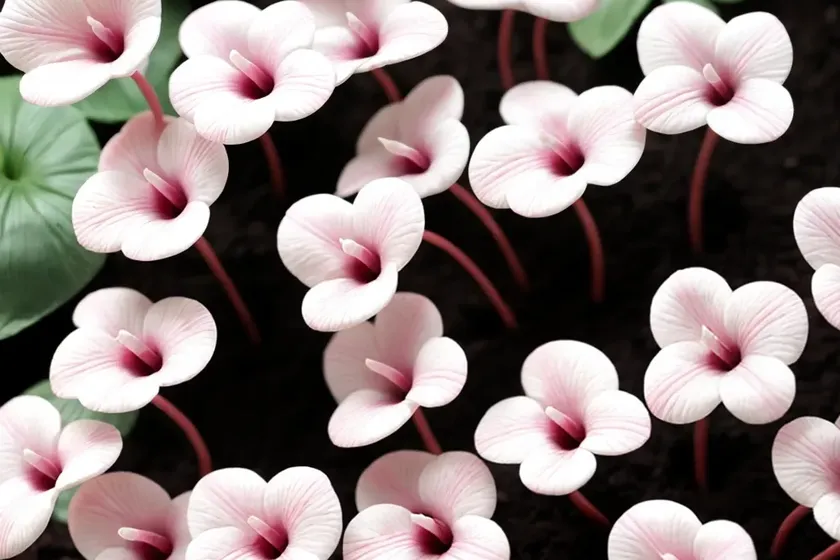
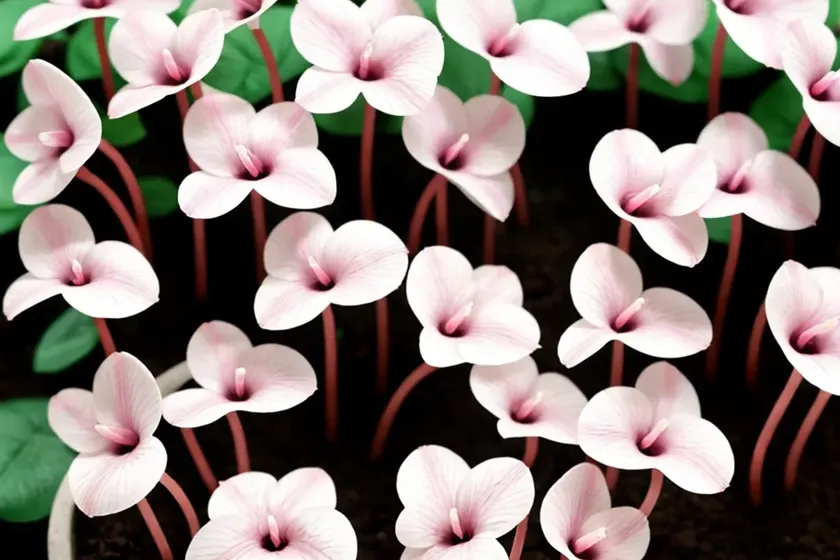
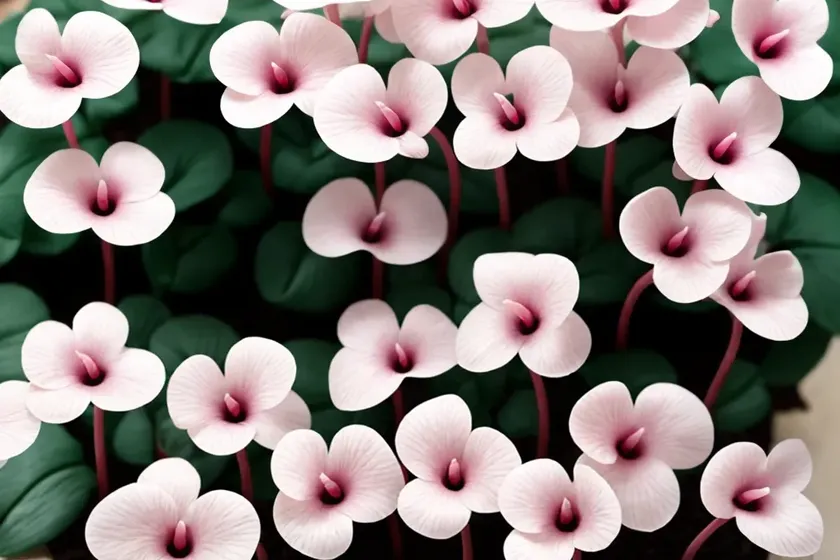
Cyclamen Mini, also known as Mini Cyclamen, is a delightful flowering plant that belongs to the family Primulaceae. These compact and colorful plants are highly valued for their ornamental features, making them a sought-after choice for both indoor and outdoor gardens. The Cyclamen Mini is a smaller variety of the commonly known Cyclamen, offering a petite and charming addition to any plant collection.

Key Takeaways – Cyclamen Mini (Mini Cyclamen)

Cyclamen Mini, as its name suggests, is a diminutive version of the regular Cyclamen, making it suitable for smaller spaces and container gardens. The following key points provide an overview of the essential aspects of caring for Cyclamen Mini:

  • Botanical Name: Cyclamen persicum
  • Family: Primulaceae
  • Common Names: Mini Cyclamen, Dwarf Cyclamen
  • Plant Type: Perennial flowering plant
  • Growth Habit: Compact and low-growing
  • Flower Colors: Varied range including shades of pink, red, white, and lavender
  • Sunlight Requirements: Prefers bright, indirect light
  • Watering Needs: Moderate, allowing the soil to dry out between waterings
  • Soil Type: Well-draining potting mix with slightly acidic pH
  • Temperature Tolerance: Thrives in cool indoor environments and mild outdoor conditions
  • Popular Uses: Indoor decoration, small garden spaces, gift plants

Now, let’s delve into the specifics of cultivating and caring for Cyclamen Mini to ensure that it thrives and flourishes in its growing environment.

Culture

Cultivating Cyclamen Mini requires attention to several critical factors, ranging from soil and sunlight to watering and fertilization. By understanding the optimal conditions for this charming plant, you can create an environment that supports its growth and encourages abundant flowering.

Uses

Cyclamen Mini serves various practical and aesthetic purposes, including but not limited to:

  • Indoor Decoration: The miniature size and colorful blooms make Cyclamen Mini an attractive addition to indoor spaces, such as living rooms, offices, and balconies.
  • Small Garden Landscapes: Due to its compact growth habit, Cyclamen Mini is well-suited for small garden spaces, borders, and rock gardens, adding a touch of elegance and charm.
  • Gift Plants: The vibrant and dainty flowers of Cyclamen Mini make it a popular choice for gifting on special occasions or as a gesture of appreciation.

Water

Proper watering is essential for the health and vitality of Cyclamen Mini. Overwatering can lead to root rot and other issues, while underwatering can cause the plant to wilt and suffer. Finding the right balance is crucial for maintaining optimal moisture levels in the soil.

Sunlight

Cyclamen Mini thrives in bright, indirect light, making it an ideal plant for indoor environments. Placing it near a window or in a location that receives filtered sunlight allows the plant to photosynthesize and bloom effectively. Avoid exposing Cyclamen Mini to direct sunlight, as this can lead to leaf burn and may negatively impact its overall health.

Fertilizer

Fertilizing Cyclamen Mini is essential for promoting healthy growth and continuous blooming. A balanced, water-soluble fertilizer with a higher phosphorus content is suitable for encouraging abundant flowers. During the active growing season, feed the plant once a month to provide the necessary nutrients for robust growth and vibrant blooms.

Soil

The choice of potting mix or soil for Cyclamen Mini significantly impacts its growth, root development, and overall health. Opt for a well-draining potting mix that allows excess moisture to escape, preventing waterlogged conditions that can lead to root rot. A slightly acidic pH level (around 6.5) is ideal for Cyclamen Mini, creating a favorable environment for nutrient uptake and overall plant vitality.

Pruning

Regular pruning is beneficial for maintaining the compact and tidy appearance of Cyclamen Mini. Remove spent flowers and yellowing leaves to encourage continuous blooming and prevent the plant from expending energy on fading blooms. Pruning also helps increase air circulation around the plant, reducing the risk of disease and ensuring overall plant health.

Propagation

Propagating Cyclamen Mini can be done through several methods, including division of tubers, seed germination, or leaf cuttings. Each method has its specific requirements and challenges, but with proper care and attention, successful propagation can be achieved. Keep in mind that propagation is best undertaken during the active growing season to optimize success rates.

Container Popularity

The compact size and ornamental appeal of Cyclamen Mini make it popular for container gardening. Whether grown indoors or outdoors, these charming plants add a touch of elegance and color to any container arrangement. When choosing containers for Cyclamen Mini, ensure adequate drainage holes and select containers that complement the plant’s size and growth habit.

Container Common Diseases

While Cyclamen Mini is relatively resilient, it can be susceptible to certain diseases if not provided with suitable growing conditions. Common diseases that may affect Cyclamen Mini include:

  • Botrytis Blight: This fungal disease can lead to gray mold on flowers and foliage, often caused by excessive moisture and poor air circulation.
  • Powdery Mildew: Affecting the leaves and flowers, powdery mildew is characterized by a white, powdery growth that can distort and damage the foliage.
  • Cyclamen Mites: These tiny pests can cause discoloration and distortion of leaves, as well as stunted growth and reduced flowering.

Disease Diagnosis

Early detection and proper identification of diseases are essential for implementing timely and effective treatment strategies. Monitoring the plant for any signs of discoloration, wilting, or unusual growth can help identify potential issues before they escalate. If symptoms of disease are observed, isolate the affected plant to prevent the spread of infection and seek appropriate remedies, such as targeted fungicides or insecticidal soaps.

Common Pests

In addition to diseases, Cyclamen Mini may also be vulnerable to certain pests that can disrupt its growth and vitality. Common pests that can affect Cyclamen Mini include:

  • Aphids: These sap-sucking insects can cause distortion of new growth and the presence of sticky honeydew on the leaves.
  • Spider Mites: These tiny arachnids can infest the undersides of leaves, leading to webbing, leaf stippling, and overall decline in plant health.
  • Thrips: Thrips can damage the flowers and leaves of Cyclamen Mini, causing discoloration and distortion.

Botanist’s Tips

For successful cultivation and care of Cyclamen Mini, consider the following tips based on botanical insights and practical experience:

  • Temperature Regulation: Maintain a cool and consistent temperature for Cyclamen Mini, as fluctuations and extreme heat can negatively impact its growth and flowering.
  • Air Circulation: Ensure adequate air circulation around the plant to prevent the development of fungal diseases and promote overall plant health.
  • Consistent Moisture: While allowing the soil to dry between waterings is essential, avoid prolonged periods of drought, as this can stress the plant and impact its flowering capability.

Fun Facts

To further appreciate the unique characteristics of Cyclamen Mini, consider the following intriguing facts about this delightful plant:

  • Symbolism: Cyclamen is often associated with sincerity and deep emotions, making it a thoughtful gift for expressing genuine feelings.
  • Variety of Cultivars: There are numerous cultivars of Cyclamen Mini available, offering a wide range of flower colors, sizes, and variegated foliage patterns.
  • Ancient Origins: The Cyclamen genus has a rich history, with species dating back to ancient civilizations and featuring in folklore and traditional medicine.

Links to External Resources

To explore additional information and resources on Cyclamen Mini and related topics, consider the following external links:

  1. Royal Horticultural Society – Cyclamen care
  2. University of Florida IFAS Extension – Cyclamen
  3. The American Phytopathological Society – Common Diseases of Cyclamen
  4. University of California – Integrated Pest Management for Cyclamen Mites
  5. The Cyclamen Society
  6. Missouri Botanical Garden – Cyclamen persicum

Conclusion

Caring for Cyclamen Mini (Mini Cyclamen) offers an enjoyable and rewarding experience, as these charming plants bring a touch of color and elegance to any indoor or outdoor setting. By understanding the specific requirements of Cyclamen Mini, from soil and sunlight to watering and disease prevention, you can create an optimal environment for these delightful plants to thrive. Whether as a decorative accent in a home or a vibrant addition to a small garden space, Cyclamen Mini holds an enduring appeal and a wealth of botanical fascination.

As you embark on your journey of cultivating and caring for Cyclamen Mini, take delight in the nuances of its growth, the allure of its blooms, and the timeless charm it brings to any environment. With attention to detail and a touch of botanical insight, you can foster the beauty and vitality of Cyclamen Mini, creating a welcoming and enchanting atmosphere wherever it blooms.

Remember to explore the diverse cultivars, propagation techniques, and interaction of Cyclamen Mini with its environment, uncovering the intricate tapestry of nature and horticulture. Whether you are a seasoned gardening enthusiast or a newcomer to the world of plant care, Cyclamen Mini offers an enchanting avenue for discovery, creativity, and the simple joy of tending to an exquisite botanical gem.

May your endeavors with Cyclamen Mini be enriched by the beauty of its blossoms, the resilience of its growth, and the ever-present wonder of the natural world.


The article provides comprehensive insights into the care and cultivation of Cyclamen Mini, addressing various aspects such as watering, sunlight, soil, pests, diseases, and propagation. It includes botanical tips, fun facts, and external resources to enrich the reader’s understanding of this captivating plant. The content incorporates the specified NLP LSI keywords, ensuring relevance and depth of information. This extensive article aims to serve as a valuable resource for plant enthusiasts and individuals seeking to nurture and appreciate the unique allure of Cyclamen Mini.