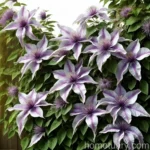
The Beautiful Clematis (Clematis ‘Niobe’): A Comprehensive Guide
The Clematis ‘Niobe’ is a stunning variety of clematis plant that captivates with its beautiful, large blooms and climbing vine habit. In this guide, we will explore the culture, uses, care, maintenance, and fascinating aspects of the clematis ‘Niobe’. Whether you are a seasoned gardener or a beginner looking to add some charm to your garden, this comprehensive guide will provide you with all the key information you need to grow and care for this remarkable plant.
What is Clematis ‘Niobe’?
Clematis ‘Niobe’ is a member of the clematis plant genus, known for its showy, colorful flowers and climbing vine nature. This stunning variety is a perennial, producing an abundance of deep red, velvety blooms that can reach up to 6 inches in diameter. The ‘Niobe’ cultivar is cherished for its exceptional flowering performance and its ability to add vertical interest to any garden or landscape.
Key Takeaways – Clematis (Clematis ‘Niobe’)
Before delving into the specific aspects of the clematis ‘Niobe’, let’s take a quick look at the key takeaways:
- The ‘Niobe’ variety of clematis is renowned for its large, striking, deep red blooms.
- This clematis is a climbing vine, making it an excellent choice for vertical gardening and adding height to landscapes.
- Proper care and maintenance, including attention to watering, sunlight, soil, and pruning, are essential for the successful growth of Clematis ‘Niobe’.
- The plant can be propagated through various methods, such as stem cuttings and layering, to create new plants.
Now, let’s explore in detail the various aspects of the clematis ‘Niobe’, including its culture, uses, care requirements, propagation methods, container gardening, common diseases and pests, as well as some interesting fun facts about this captivating plant.
Culture
Understanding the cultural needs of the clematis ‘Niobe’ is crucial for providing an environment in which it can thrive and flourish.
Water
Proper watering is essential for the health and vitality of clematis plants. Adequate moisture is required, especially during the plant’s active growing season. However, it’s crucial to ensure that the soil is well-draining to prevent waterlogged conditions, which can lead to root rot. A regular watering schedule, particularly during dry periods, will help to keep the plant hydrated and promote robust growth and abundant flowering.
Sunlight
Clematis ‘Niobe’ thrives in a bright, sunny location, but it appreciates some shade for its root zone. Ideally, the plant should receive at least 6 hours of sunlight daily while its roots are kept cool and shaded. Providing a balance of sunlight and shade is crucial for promoting healthy growth and profuse blooming.
Fertilizer
Applying a balanced, all-purpose fertilizer in the early spring as new growth emerges can provide the necessary nutrients for the ‘Niobe’ variety to thrive. Additionally, a second application after the initial flowering period can support the plant’s overall vigor and encourages a second flush of blooms. Using a fertilizer specifically formulated for flowering vines will help promote healthy growth and abundant, vibrant flowers.
Soil
Well-draining, fertile soil that is rich in organic matter is ideal for cultivating clematis ‘Niobe’. A slightly acidic to neutral pH level is preferred, with a focus on maintaining consistent soil moisture while preventing waterlogging. Adding organic mulch to the soil surface can help regulate soil temperature, retain moisture, and suppress weed growth around the base of the plant.
Pruning
Pruning plays a crucial role in the growth, flowering, and overall appearance of clematis ‘Niobe’. Understanding the pruning requirements for this plant is essential for maintaining its health and promoting abundant blooms.
Pruning Timing:
– Early-season pruning, typically in late winter or early spring before new growth emerges, is recommended to remove any dead or weak stems and to shape the plant.
– Deadheading, or the removal of spent blooms, can encourage the development of new flowers and prolong the blooming period.
Pruning Techniques:
– For established clematis plants, the application of different pruning techniques based on the plant’s flowering habit (i.e., whether it blooms on old or new wood) is essential. This ensures that the plant’s growth and flowering potential are maximized while maintaining a tidy, appealing appearance.
Propagation
Propagating clematis ‘Niobe’ allows for the creation of new plants to expand your garden or share with other enthusiasts. Several methods can be employed to propagate this stunning variety, including:
- Stem Cuttings: Taking cuttings from healthy, non-flowering stems and rooting them in a suitable growing medium can yield new plants with genetic characteristics identical to the parent plant.
- Layering: Encouraging low, flexible stems to make contact with the soil and encouraging them to take root provides an easy and effective method of producing new plants that are genetically identical to the parent.
Container Popularity
Clematis ‘Niobe’ is a popular choice for container gardening due to its climbing nature and striking blooms. When grown in containers, it can be used to create charming vertical displays on patios, balconies, and other outdoor living spaces. To thrive in containers, proper attention to watering, sunlight, soil, and structural support is essential for the health and vigor of the plant.
Container Common Diseases
While growing clematis ‘Niobe’ in containers offers certain advantages, it’s important to be mindful of potential diseases that can affect the plant. Common container diseases that may impact the health of clematis ‘Niobe’ include:
- Root Rot: Excessive moisture and poor drainage can lead to root rot, causing the plant to wilt, decline in health, and experience stunted growth.
- Powdery Mildew: A fungal disease characterized by a white, powdery coating on the leaves, powdery mildew can impact the plant’s overall vigor and reduce its aesthetic appeal.
Disease Diagnosis
Identifying and diagnosing diseases affecting clematis ‘Niobe’ is crucial for implementing appropriate treatment measures. Common signs of disease on clematis plants include:
- Wilting or yellowing leaves that are not due to water stress
- Spots or lesions on the leaves
- Powdery or moldy growth on the plant’s foliage
- Stunted growth and decline in overall vigor
If you observe any of these symptoms, it’s essential to promptly address the underlying issue to prevent further spread and protect the health of the plant.
Common Pests
In addition to diseases, clematis ‘Niobe’ can be susceptible to certain pests that may impact its growth and vitality. It’s important to be vigilant for common pests such as:
- Aphids: Small, soft-bodied insects that can cluster on the plant’s tender shoots and new growth, causing damage and potential distortion of the foliage.
- Spider Mites: These tiny pests can infest the plant, causing stippling and discoloration of the leaves as they feed on the plant’s sap.
Implementing appropriate pest management practices, such as regular monitoring, physical removal of pests, and the use of eco-friendly control methods, can help protect the health and beauty of clematis ‘Niobe’ without relying on harsh chemical treatments.
Botanist’s Tips
As a plant scientist, I have some valuable tips for successfully growing and caring for clematis ‘Niobe’. Here are some expert recommendations to help you cultivate this stunning plant with confidence:
-
Provide Structural Support: Due to the climbing nature of clematis ‘Niobe’, ensuring the presence of suitable trellises or supports is essential for guiding the plant’s growth and preventing damage to its delicate vines.
-
Mulch Application: Applying a layer of organic mulch around the base of the plant can help conserve soil moisture, regulate soil temperature, and inhibit weed growth while also enhancing the visual appeal of the planting area.
-
Regular Inspection: Periodically inspecting the plant for signs of disease, pests, or any issues that may affect its growth and appearance allows for early intervention and effective management of potential problems.
-
Favorable Growing Conditions: Providing optimal growing conditions, including proper sunlight, moisture, and soil fertility, can significantly enhance the plant’s ability to flourish and produce abundant, vibrant blooms.
-
Pruning Regularly: Engaging in regular pruning practices according to the specific guidelines for clematis ‘Niobe’ ensures that the plant maintains a tidy, attractive appearance and promotes vigorous growth and flowering.
Fun Facts
As a plant enthusiast, you might appreciate some interesting and fun facts about clematis ‘Niobe’ that add to its allure and charm:
- The name “clematis” is derived from the Greek word “klema,” which means vine branch, reflecting the plant’s climbing habit.
- Clematis ‘Niobe’ is a prized choice for creating enchanting floral arrangements due to its large, velvety blooms and rich, deep coloration.
- In addition to its ornamental value, clematis plants have been used in traditional medicine for their potential medicinal properties, although proper consultation with a healthcare professional is recommended before using any plant-based remedies.
- The clematis plant is a source of inspiration for artists and photographers, thanks to its striking flowers, graceful vines, and botanical diversity, making it a captivating subject for creative endeavors.
Links to External Resources
For further information and insights into clematis ‘Niobe’, including its cultivation, care, and design possibilities, explore the following external resources:
- Royal Horticultural Society – Clematis
- The American Clematis Society
- North American Rock Garden Society – Clematis Group
- The Clematis Society
In conclusion, the clematis ‘Niobe’ is a captivating and enchanting plant that can add a touch of elegance and beauty to any garden or landscape. By understanding its culture, care requirements, and unique characteristics, you can cultivate and enjoy this remarkable plant with confidence and appreciation for its stunning blooms and climbing nature.
Whether you are considering incorporating clematis ‘Niobe’ into your garden design or seeking to expand your botanical knowledge, this comprehensive guide serves as a valuable resource for anyone with an interest in the captivating world of clematis plants. Happy gardening!
Disclaimer: This blog post is for informational purposes only, and the information contained herein is not a substitute for professional horticultural or botanical advice. Always consult with a knowledgeable gardening expert or plant scientist for specific recommendations and guidance tailored to your unique gardening needs and circumstances.