Crataegus Punctata (Dotted Hawthorn)
Crataegus punctata, commonly known as Dotted Hawthorn, is a species of hawthorn that belongs to the Rosaceae family. This deciduous shrub is renowned for.

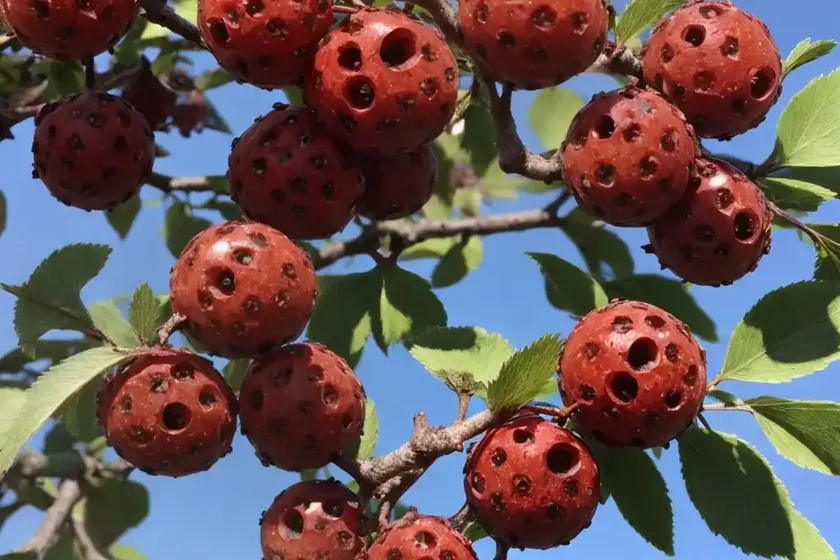
Crataegus punctata, commonly known as Dotted Hawthorn, is a species of hawthorn that belongs to the Rosaceae family. This deciduous shrub is renowned for its ornamental value, wildlife-friendly attributes, and various cultural and medicinal uses. In this comprehensive guide, we will delve into the botanical specifics, cultivation techniques, folklore, and much more related to Crataegus punctata.
What is Crataegus punctata (Dotted Hawthorn)?
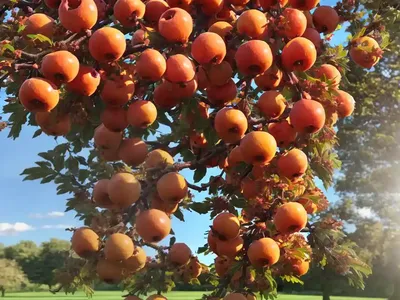
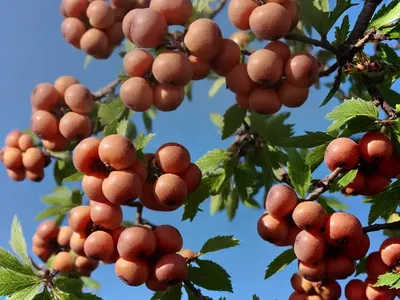
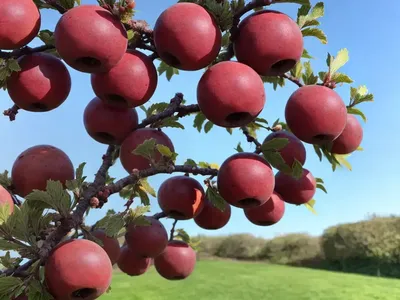
Crataegus punctata is a native of North America, primarily found in the eastern and central parts of the continent, including states like New York, Florida, and Kansas. This hawthorn species is distinguished by its unique characteristics, including small and spiny branches, deeply lobed and toothed leaves, and clustered white flowers that give way to red fruits in the fall. The dotted hawthorn adds aesthetic appeal to landscapes and serves as a vital food and shelter source for wildlife.
Key Takeaways – Crataegus punctata (Dotted Hawthorn)
- Plant Name: Crataegus punctata
- Common Name: Dotted Hawthorn
- Family: Rosaceae
- Native Range: Eastern and central North America
- Ornamental Value: White flowers, red fruits, and lobed leaves
- Wildlife-Friendly: Attracts birds and small mammals
- Cultural Uses: Medicinal and ornamental
Culture
Proper cultural practices are essential for the optimal growth and development of Crataegus punctata. Understanding its preferred conditions for water, sunlight, fertilizer, soil, and pruning is crucial for cultivating a healthy and thriving plant.
Water
- Young Plants: Require regular watering until established
- Mature Plants: Tolerant of moderate drought conditions
- Optimal Moisture: Well-draining soil with even moisture levels
Sunlight
- Preferred Light: Full sun to partial shade
- Optimal Exposure: 6 to 8 hours of direct sunlight
Fertilizer
- Fertilization Schedule: Apply a balanced fertilizer in early spring
- Organic Matter: Incorporate compost or organic mulch around the base
Soil
- Soil Type: Well-draining loamy soil
- pH Range: Slightly acidic to neutral (pH 6.5-7.5)
Pruning
- Timing: Best done in late winter or early spring
- Objective: Remove dead or diseased wood and enhance shape
Uses
Ornamental
Crataegus punctata is highly valued for its ornamental attributes, making it a popular choice in landscaping and gardens. Its profusion of white flowers, striking red fruits, and vivid fall foliage make it a visually appealing addition to any outdoor space.
Medicinal
Crataegus punctata has a rich history of medicinal use, particularly in traditional herbal remedies. It is believed to have beneficial effects on cardiovascular health, and various parts of the plant, including the fruits, leaves, and flowers, have been used in herbal preparations.
Propagation
Propagation of Crataegus punctata can be achieved through various methods, including seed sowing, cuttings, and layering. Each method has its unique requirements and advantages.
Seed Propagation
- Harvesting: Collect ripe fruits in the fall
- Preparation: Remove pulp and soak seeds in water for 24 hours
- Sowing: Plant seeds in a nursery bed or individual containers
- Germination: Typically occurs in spring after a period of cold stratification
Cuttings
- Selection: Choose semi-hardwood or hardwood cuttings in late summer
- Preparation: Dip cut ends in rooting hormone and plant in sterile medium
- Rooting: May take several months to establish roots
Layering
- Method: Bend a low branch to the ground and cover a section with soil
- Timing: Best done in early spring
- Separation: Once roots are established, the new plant can be separated from the parent
Container Popularity
Crataegus punctata is well-suited for container cultivation, making it an excellent choice for urban and small-space gardens. Its compact growth habit, ornamental value, and low maintenance requirements contribute to its popularity as a container plant.
- Container Size: Select a large container to accommodate root growth
- Drainage: Ensure adequate drainage holes to prevent waterlogging
- Soil Mix: Use a well-draining and nutrient-rich potting mix
- Maintenance: Regular watering and occasional fertilization may be necessary
Common Diseases
As with any plant, Crataegus punctata is susceptible to certain diseases that can impact its growth and overall health. Recognizing common diseases and implementing appropriate measures is crucial for disease management.
Disease Diagnosis
- Leaf Spot: Manifests as small, dark spots on leaves
- Fire Blight: Characterized by wilting and blackening of shoots and blossoms
- Rust: Displays as orange spore masses on leaves and stems
Disease Management
- Cultural Practices: Ensure proper spacing and ventilation to reduce humidity
- Sanitation: Remove and destroy infected plant debris
- Fungicidal Treatments: Use appropriate fungicides for severe infections
Common Pests
Pests can pose a threat to the health and vigor of Crataegus punctata. By being attentive to common pests and their symptoms, early intervention can prevent significant damage.
- Aphids: Small, soft-bodied insects that cluster on new growth
- Caterpillars: Feeding damage on leaves and fruits
- Scale Insects: Often found on stems and branches, causing wilting and yellowing
Pest Control
- Natural Predators: Encourage beneficial insects and birds that feed on pests
- Horticultural Oils: Application of oils can suffocate certain pests
- Biological Controls: Introduce natural enemies, such as predatory insects
Botanist’s Tips
For those passionate about cultivating and appreciating Crataegus punctata, these tips from experienced botanists can offer valuable insights and recommendations.
- Species Diversity: Explore different varieties and cultivars for unique features
- Pruning Techniques: Master the art of pruning for optimal health and appearance
- Wildlife Benefits: Understand the role of hawthorns in supporting local wildlife
Fun Facts
Discover some fascinating and lesser-known facts about Crataegus punctata that showcase its ecological significance and cultural relevance.
- Crataegus punctata is a valuable source of food for numerous bird species, contributing to the biodiversity of ecosystems.
- The wood of hawthorn species has been historically used to create small, finely crafted items, such as tool handles and walking sticks.
- In folklore, hawthorn has been associated with various superstitions and beliefs, often bearing both positive and negative connotations in different cultures.
Links to External Resources
Expand your knowledge and delve deeper into the world of Crataegus punctata with these valuable external resources.
- Crataegus punctata Medicinal Uses
- Dotted Hawthorn Health Benefits
- Crataegus punctata Plant Care
- Dotted Hawthorn Native Habitat
- Crataegus punctata Pruning Techniques
- Dotted Hawthorn Herbal Remedies
- Crataegus punctata Planting Season
- Dotted Hawthorn Soil Requirements
- Crataegus punctata Seed Propagation
- Dotted Hawthorn Ornamental Value
- Crataegus punctata Flower Morphology
- Dotted Hawthorn Garden Design Ideas
- Crataegus punctata Landscape Uses
- Dotted Hawthorn Foliage Color
- Crataegus punctata Edible Uses
- Dotted Hawthorn Wildlife Habitat
- Crataegus punctata Shade Tolerance
- Dotted Hawthorn Outdoor Cultivation
- Crataegus punctata Fall Color
- Dotted Hawthorn Insect Pests
- Crataegus punctata Landscape Specimen
- Dotted Hawthorn Container Gardening
- Crataegus punctata Tree Diseases
- Dotted Hawthorn Seasonal Interest
- Crataegus punctata Garden Focal Point
In conclusion, Crataegus punctata, or Dotted Hawthorn, is an exceptional plant with a wide range of uses, from the ornamental to the medicinal. Its ecological significance, coupled with its cultural and historical importance, makes it a captivating subject for plant enthusiasts and conservationists alike. We hope this comprehensive guide has provided valuable insights into the world of Crataegus punctata, inspiring a deeper appreciation for this remarkable species.
Remember to visit the provided links for additional information and resources to enhance your understanding of this fascinating plant.
Happy Gardening!