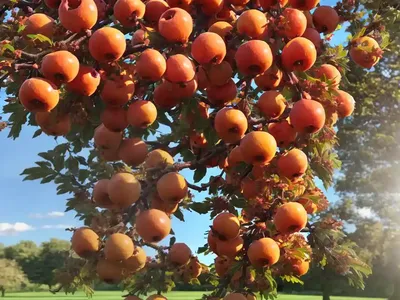
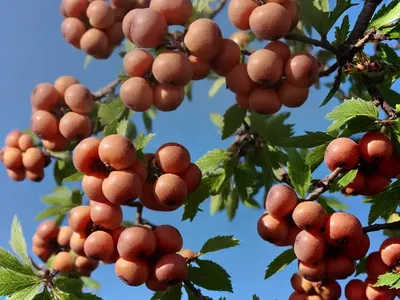
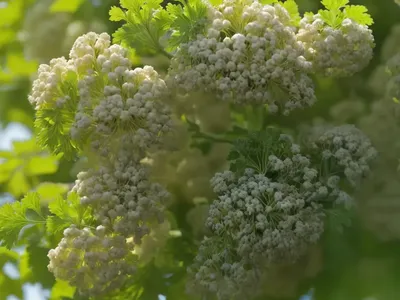
Crataegus Mollis (Downy Hawthorn)
Crataegus mollis, commonly known as Downy Hawthorn, is a species of hawthorn tree that belongs to the Crataegus genus. This deciduous plant is renowned for.
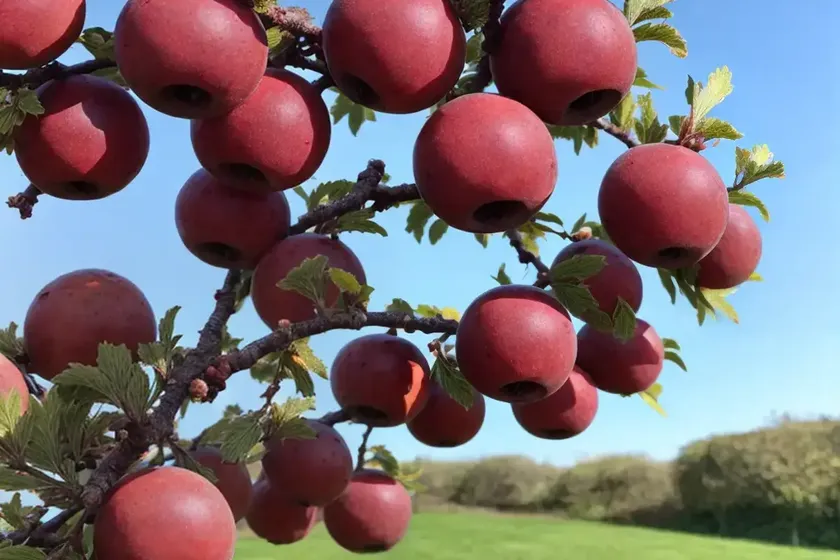
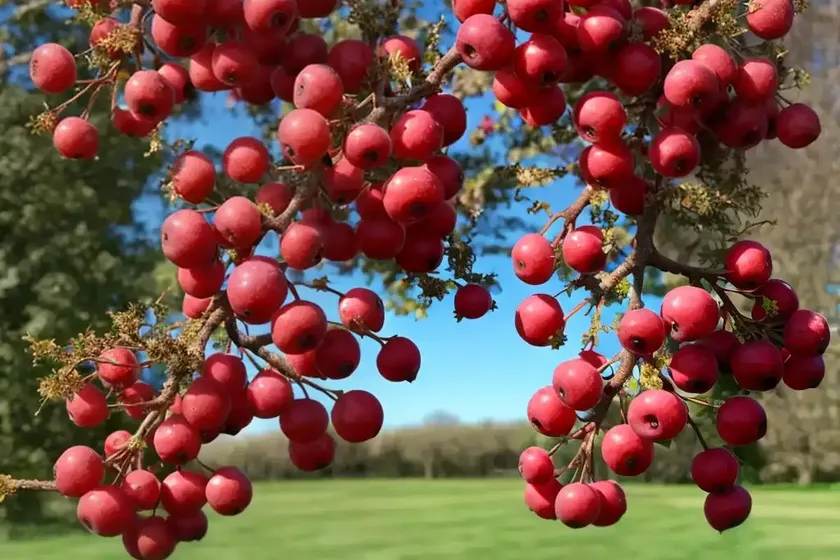
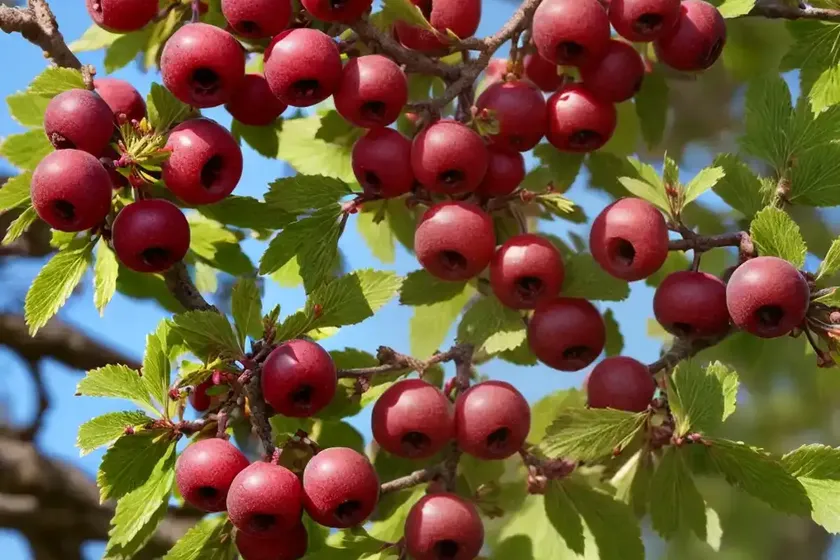
What is Crataegus mollis (Downy Hawthorn)?
Crataegus mollis, commonly known as Downy Hawthorn, is a species of hawthorn tree that belongs to the Crataegus genus. This deciduous plant is renowned for its beautiful foliage, showy flowers, and striking fruits. Downy Hawthorn is native to North America, where it thrives in a variety of habitats, from woodlands to urban landscapes.
Key Takeaways
Before delving into the captivating world of Crataegus mollis, let’s explore some key takeaways about this remarkable plant. Understanding its cultural significance, uses, maintenance requirements, and ecological role will provide a comprehensive perspective on the importance of cultivating and conserving this species.
Culture
- Crataegus mollis is deeply intertwined with various cultural traditions and beliefs, from herbal remedies to folklore and mythology.
- In traditional Chinese medicine, hawthorn has long been revered for its medicinal properties, promoting heart health, digestion, and stress relief.
Uses
- The ornamental value of Crataegus mollis makes it a popular choice in landscaping, providing aesthetic appeal and attracting wildlife to urban and natural environments.
- Aside from its visual allure, the hawthorn tree also boasts culinary uses, with its berries being utilized in recipes and wine-making.
Water
- Downy Hawthorn thrives in well-drained soil and typically requires moderate watering, especially during its early stages of growth.
Sunlight
- This species is adaptable to various light conditions, thriving in full sun to partial shade, making it suitable for different landscape settings.
Fertilizer
- When planted in nutrient-deficient soil, Crataegus mollis may benefit from occasional fertilizer applications to support its optimal growth and development.
Soil
- It responds well to a range of soil types, including loamy and sandy soils, as long as the drainage is adequate.
Pruning
- Pruning techniques play a crucial role in shaping and maintaining the form of Downy Hawthorn, ensuring its health and aesthetics.
Propagation
- The propagation of Crataegus mollis can be achieved through various methods such as seeds, cuttings, or grafting.
Container Popularity
- Its adaptability and compact size make it suitable for cultivation in containers, particularly in urban gardens and smaller outdoor spaces.
Common Diseases
- Understanding and addressing common diseases of Crataegus mollis is essential for successful cultivation, as it ensures the plant’s health and longevity.
Common Pests
- Management of pests that affect hawthorn trees is crucial in preserving their vitality and beauty.
Botanist’s Tips
- By incorporating expert tips and insights, enthusiasts can enhance their knowledge and appreciation of Crataegus mollis, ensuring successful cultivation and maintenance.
Fun Facts
- Explore the intriguing and captivating aspects of Downy Hawthorn, from its folklore and symbolism to its ecological significance.
Links to External Resources
- Access additional resources to expand your understanding of Crataegus mollis and its various dimensions, from medicinal properties to landscaping potential.
Crataegus mollis (Downy Hawthorn) in Detail
Now that we’ve established an overview of Crataegus mollis, let’s delve deeper into its cultivation, ecological impact, and cultural significance.
Plant Name: Crataegus mollis (Downy Hawthorn)
Crataegus mollis, commonly known as Downy Hawthorn, is a deciduous tree that belongs to the Crataegus genus within the Rosaceae family. This striking species is native to North America, where it thrives in diverse habitats, showcasing its adaptability and resilience. From its delicate flowers to its vibrant fruits, Downy Hawthorn is celebrated for its ornamental value, ecological role, and traditional uses.
Crataegus mollis: A Fruit-Bearing Wonder
Benefits of Crataegus mollis
Crataegus mollis, or Downy Hawthorn, offers a multitude of benefits, encompassing its ornamental allure, ecological contributions, and medicinal properties. Here are some key advantages associated with this captivating species:
- Ornamental Appeal: The elegant foliage, abundant flowers, and vibrant fruits of Crataegus mollis make it a coveted addition to landscapes, parks, and gardens, enhancing visual interest and attracting wildlife.
- Ecological Significance: As a native tree species, Downy Hawthorn plays a vital role in supporting biodiversity, providing food and habitat for various wildlife, including birds and pollinators.
- Medicinal Properties: Traditional uses and modern research highlight the potential health benefits of hawthorn, particularly in promoting cardiovascular health, digestion, and stress relief.
Medicinal Properties of Hawthorn
Hawthorn has a rich history as a natural remedy, celebrated for its potential therapeutic effects on the cardiovascular system, digestion, and overall well-being. The medicinal properties of hawthorn, including its berries, leaves, and flowers, have been the subject of scientific inquiry and traditional use for centuries. From herbal preparations to contemporary supplements, the potential health benefits of hawthorn continue to garner attention in the realm of natural medicine.
Hawthorn as a Natural Remedy
The traditional and contemporary uses of hawthorn as a natural remedy underscore its enduring relevance in promoting health and wellness. From cardiovascular support to stress relief, hawthorn’s diverse applications in herbal medicine reflect its versatility and potential in holistic care.
Growing Crataegus mollis: Care and Cultivation
Hawthorn Tree Care
For enthusiasts keen on cultivating Crataegus mollis, understanding its specific care requirements and optimal growing conditions is essential for fostering healthy and thriving specimens. From watering practices to soil preferences, here are key considerations for successful hawthorn tree care:
Water
Like many plants, ensuring proper hydration for Crataegus mollis is crucial for its growth and vitality. While established trees are generally resilient to drought, newly planted specimens benefit from regular watering, particularly during dry spells or hot weather.
Sunlight
Crataegus mollis displays versatility in its light requirements, adapting to full sun to partial shade. This adaptable nature makes it well-suited for a variety of landscapes and environments, accommodating different levels of light exposure.
Fertilizer
Appropriate fertilization can enhance the growth and resilience of Crataegus mollis, especially in nutrient-deficient soil. While hawthorn trees are relatively low-maintenance, occasional fertilization can support their overall health and vigor.
Soil
The adaptability of Crataegus mollis extends to soil preferences, as it fares well in various soil types, provided that the drainage is adequate. Loamy and well-drained soils are particularly favorable for this species, contributing to its successful cultivation.
Pruning Techniques for Downy Hawthorn
Pruning and Maintenance
Pruning plays a pivotal role in shaping the form and structure of Crataegus mollis, ensuring its health and aesthetic appeal. Understanding the appropriate timing and techniques for pruning is essential for maintaining the desired appearance and vitality of hawthorn trees.
Hawthorn Tree Pruning Season
Timing is critical when it comes to pruning hawthorn trees, with the dormant season often regarded as the optimal period for conducting this essential maintenance practice. Pruning during this period minimizes stress on the tree and promotes vigorous regrowth when the growing season commences.
Hawthorn Tree Landscape Uses
Crataegus mollis in Urban Gardens
The ornamental value and adaptability of Crataegus mollis make it a favored choice for urban gardens, where space may be limited, and aesthetic appeal is paramount. Its vibrant foliage, showy flowers, and decorative fruits contribute to the visual splendor of urban landscapes, enriching the environment and attracting wildlife.
Companion Plants for Downy Hawthorn
Incorporating companion plants that complement the attributes and ecological role of Crataegus mollis can enhance the overall appeal and functionality of garden spaces. Selecting compatible species that thrive alongside hawthorn trees contributes to a balanced and diverse ecosystem within the garden.
Hawthorn Tree Diseases and Pest Control
Common Diseases
Familiarizing oneself with the common diseases that affect Crataegus mollis is crucial for early detection and effective management. By recognizing the symptoms and implementing appropriate measures, enthusiasts can safeguard hawthorn trees from potential threats to their health and vigor.
Disease Diagnosis
Timely and accurate diagnosis of hawthorn tree diseases is essential for implementing targeted treatment and prevention strategies. Understanding the symptoms and potential causes of common ailments equips enthusiasts with the knowledge necessary to address disease challenges effectively.
Common Pests
Vigilant pest control practices are essential in preserving the health and vitality of Crataegus mollis, safeguarding it against potential threats from insect pests or other organisms. By identifying and addressing pest issues promptly, enthusiasts can protect hawthorn trees and mitigate potential damage.
Hawthorn Tree in Ecological and Cultural Context
Crataegus mollis Wildlife Habitat
The ecological significance of Crataegus mollis extends to its role as a wildlife habitat, providing food, shelter, and nesting sites for various species. Its fruits are particularly coveted by birds, contributing to the biodiversity and ecological balance of natural environments.
Downy Hawthorn Folklore and Legends
Explore the rich tapestry of folklore and legends surrounding Crataegus mollis, encompassing cultural beliefs, symbolism, and traditional uses. From Native American folklore to broader cultural significances, hawthorn trees hold a special place in the collective imagination.
Traditional Uses of Hawthorn
The traditional uses of hawthorn in various cultural contexts, from herbal remedies to symbolic meanings, highlight the enduring significance of this species in human history. Uncover the diverse ways in which hawthorn has been integrated into cultural practices, demonstrating its multifaceted importance.
Crataegus mollis in Modern Contexts
Hawthorn in Herbal Medicine
The utilization of hawthorn in herbal medicine spans centuries, reflecting its enduring reputation as a natural remedy with potential health benefits. From cardiovascular support to stress relief, the versatility of hawthorn in holistic care contributes to its continued relevance in modern health practices.
Natural Heart Health Remedies
Hawthorn’s potential in supporting heart health has been the subject of research and traditional use, underscoring its significance in natural remedies. Its cardiovascular benefits and potential therapeutic effects have garnered attention in the realm of holistic health and wellness.
Benefits of Hawthorn Berries
The vibrant red berries of Crataegus mollis offer not only aesthetic appeal but also potential health benefits, contributing to their recognition as a valuable natural resource. The nutritional and medicinal properties of hawthorn berries have been celebrated for their diverse applications, from culinary uses to herbal preparations.
Hawthorn Extract Supplements
The availability of hawthorn extract supplements enables individuals to harness the potential health benefits of this botanical marvel in a convenient and concentrated form. These supplements offer a standardized and reliable way to incorporate hawthorn’s properties into holistic wellness routines.
Hawthorn Tea Recipes
Hawthorn tea, derived from the berries and other parts of Crataegus mollis, presents a delightful and potentially beneficial beverage option. From its aromatic qualities to its potential health-promoting effects, hawthorn tea provides a soothing and enjoyable way to experience the qualities of this remarkable plant.
Crataegus mollis in Traditional Chinese Medicine
The integration of Crataegus mollis into traditional Chinese medicine underscores its esteemed status as a botanical remedy with potential health benefits. From its applications in promoting digestion to its role in cardiovascular support, hawthorn holds a place of significance in the context of traditional healing practices.
Hawthorn for Promoting Digestion
The potential digestive benefits of hawthorn highlight its multifaceted applications in promoting overall well-being and vitality. From its traditional uses to contemporary inquiries, the digestive properties of hawthorn contribute to its appeal in holistic health practices.
Hawthorn as a Stress-Relief Herb
The potential stress-relief properties of hawthorn underscore its holistic significance in promoting emotional well-being and relaxation. From its traditional uses in herbal remedies to its contemporary applications, hawthorn resonates as a versatile and valuable botanical resource.
Crataegus mollis and Cardiovascular Health
The potential cardiovascular benefits of Crataegus mollis underscore its esteemed status as a natural remedy with implications for heart health and overall well-being. Its therapeutic properties and traditional uses reflect its enduring relevance in the realm of holistic care.
Hawthorn Supplements for Blood Pressure
The potential to support healthy blood pressure is among the notable properties associated with hawthorn, offering a natural and potentially beneficial option for individuals seeking holistic approaches to cardiovascular wellness.
Antioxidant Properties of Hawthorn
Hawthorn’s antioxidant properties contribute to its potential health benefits and appeal as a natural remedy with implications for overall well-being. From its potential cardiovascular support to its broader antioxidant qualities, hawthorn’s properties hold promise in the realm of natural wellness.
Crataegus mollis Edible Uses
Hawthorn as a Culinary Ingredient
The culinary uses of Crataegus mollis extend to its berries, which are utilized in various recipes and preparations, adding both flavor and potential nutritional benefits to dishes and beverages.
Recipes with Hawthorn Berries
Explore the diverse and creative ways in which hawthorn berries can be incorporated into culinary creations, from jams and jellies to baked goods and beverages. These recipes showcase the versatility and appeal of hawthorn as a culinary ingredient.
Downy Hawthorn Wine Making
The vibrant and flavorful berries of Crataegus mollis lend themselves to the art of winemaking, offering the potential to craft unique and delightful libations. Discover the art and science of making hawthorn wine, celebrating the natural bounty of this remarkable plant.
Crataegus mollis in Ecological Contexts
Crataegus mollis for Attracting Pollinators
The blossoms of Crataegus mollis serve as a valuable nectar and pollen source for pollinators, contributing to the vibrancy and biodiversity of natural environments. By attracting and supporting pollinators, hawthorn trees play a vital role in maintaining healthy ecosystems.
Bird-Friendly Plants – Hawthorn Species
The fruits of Crataegus mollis are highly appealing to birds, providing a crucial food source and contributing to the ecological dynamics of natural habitats. Embracing bird-friendly plants such as hawthorn trees supports avian populations and fosters balanced ecosystems.
Crataegus mollis Autumn Colors
The autumnal transformation of Crataegus mollis showcases its vibrant and captivating foliage, adding a spectacular display of colors to landscapes and natural settings. This seasonal ornamental attribute enriches the visual appeal of hawthorn trees, captivating the senses and enhancing the environment.
Features of the Downy Hawthorn Bark
Crataegus mollis exhibits distinctive bark characteristics, adding textural and visual interest to its overall appearance. Exploring the unique features of hawthorn bark contributes to a comprehensive understanding and appreciation of this remarkable species.
Hawthorn Tree Identification
Developing the ability to identify Crataegus mollis and related species is essential for enthusiasts, researchers, and conservationists, enabling accurate recognition and preservation of these unique trees within natural environments.
Crataegus mollis Cultivation Tips
Cultivation Guidance
Expert insights and cultivation tips offer valuable guidance for individuals seeking to cultivate and maintain thriving Crataegus mollis specimens, ensuring their health, beauty, and ecological contributions.
Fun Facts about Crataegus mollis
Hawthorn Tree Symbolism
The symbolism of hawthorn spans cultural and historical contexts, encompassing diverse meanings and interpretations that have contributed to its enduring allure.
Downy Hawthorn Folklore and Legends
The folklore and legends surrounding Crataegus mollis provide a rich tapestry of cultural beliefs, stories, and traditions that underscore its significance in human imagination and folklore.
Crataegus mollis Folklore in Native American Culture
The traditional significance of Crataegus mollis in Native American culture reflects its esteemed status as a species with deep-rooted cultural and ecological connections.
Benefits of Planting Hawthorn in Your Garden
Embracing the addition of Crataegus mollis to your garden offers a multitude of benefits, from its ornamental appeal and ecological contributions to its potential culinary and medicinal uses.
Links to External Resources
To expand your knowledge and appreciation of Crataegus mollis and its diverse dimensions, consider exploring the following external resources:
- USDA Plants Database
- Royal Horticultural Society – Hawthorn
- Missouri Botanical Garden – Crataegus mollis
- American Heart Association – Hawthorn
- Wildflower Center – Native Plants Database
- University of Maryland Medical Center – Hawthorn
By exploring these reputable sources, you can deepen your understanding of Crataegus mollis and its captivating attributes, from its cultural significance to its ecological value and potential applications in holistic health and wellness.
In Conclusion
Crataegus mollis, or Downy Hawthorn, stands as a botanical marvel that encompasses ornamental allure, ecological significance, and traditional uses. From its vibrant foliage to its potential health benefits, this species enriches landscapes, supports biodiversity, and resonates in cultural and historical contexts. By cultivating an appreciation for Crataegus mollis and understanding its diverse dimensions, we can celebrate its enduring value and contribute to its conservation and sustainable utilization.
Note: This comprehensive guide aims to provide a multifaceted exploration of Crataegus mollis, incorporating its cultural, ecological, and medicinal dimensions. By integrating expert insights and diverse perspectives, this resource seeks to offer comprehensive and informative content for enthusiasts, researchers, and individuals intrigued by the captivating world of Downy Hawthorn.