Hawthorn (Crataegus Monogyna)
Hawthorn, scientifically known as Crataegus monogyna, is a remarkable plant that has been cherished for centuries for its cultural, medicinal, and.
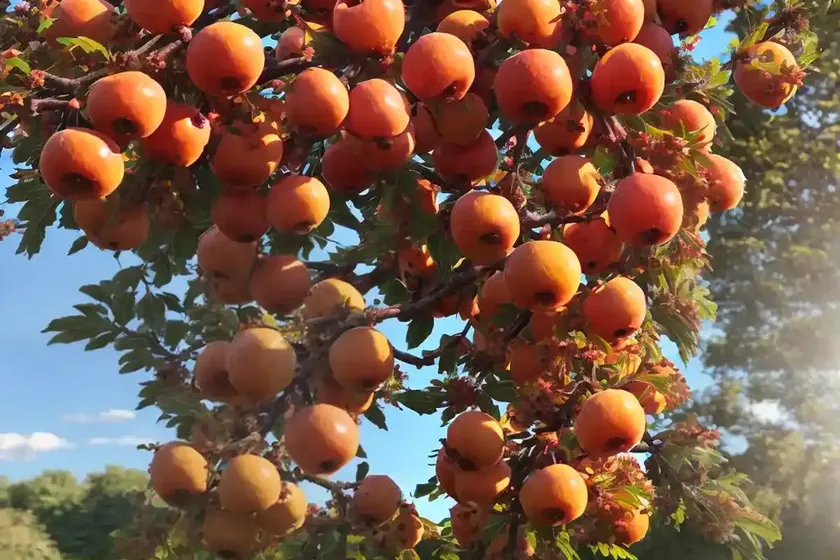
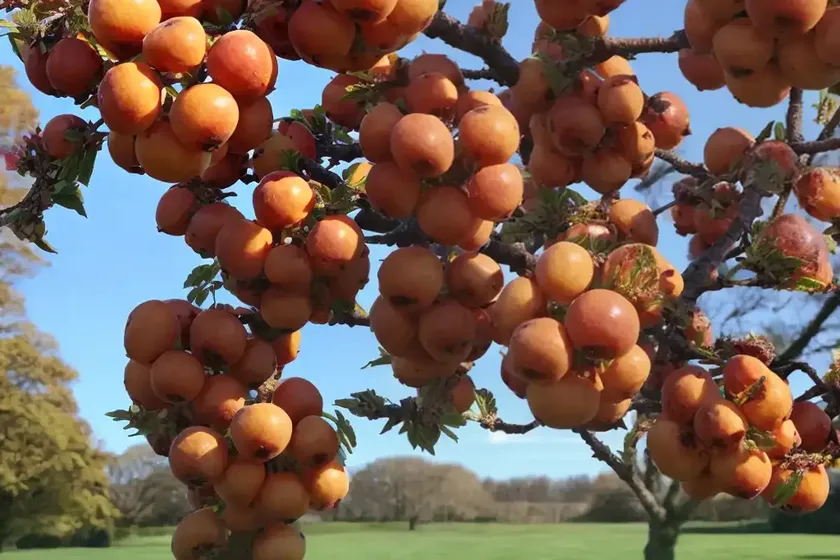
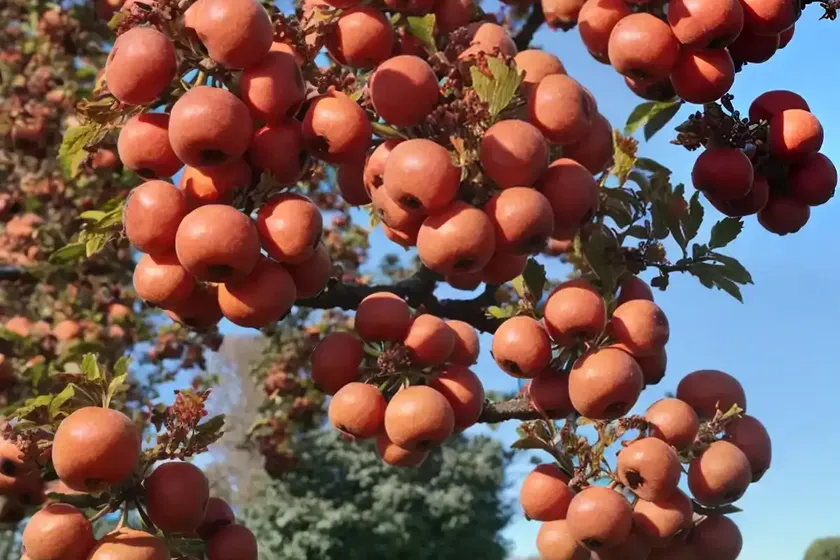
Hawthorn, scientifically known as Crataegus monogyna, is a remarkable plant that has been cherished for centuries for its cultural, medicinal, and ornamental value. From its vibrant red berries to its historical significance in folklore and mythology, the hawthorn tree is a captivating subject for plant enthusiasts, herbalists, and gardeners alike.
In this comprehensive guide, we will delve into the various aspects of hawthorn, exploring its cultural significance, uses, ideal growing conditions, propagation methods, common diseases and pests, and much more. So, let’s embark on a journey through the world of hawthorn and discover its beauty and benefits.
What is Hawthorn?
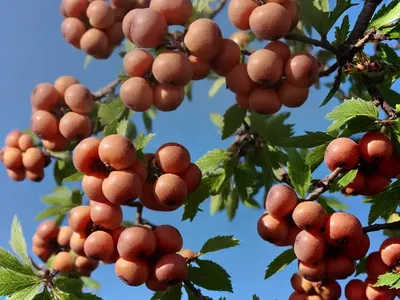
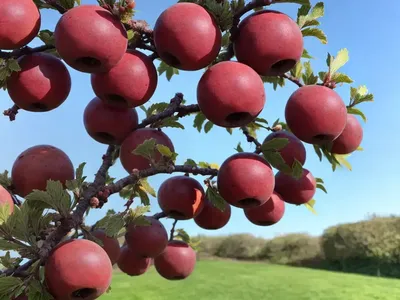
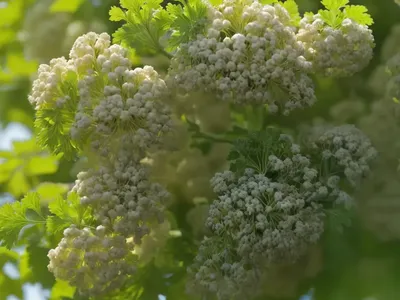
Hawthorn, or Crataegus monogyna, is a deciduous shrub or small tree that belongs to the Rosaceae family. It is native to Europe, northwest Africa, and western Asia, and is characterized by its dense foliage, adorned with clusters of white or pink flowers and bright red berries. The plant is known for its spiny branches and its ability to grow in a variety of environmental conditions, making it a versatile and resilient species.
Key Takeaways – Hawthorn (Crataegus monogyna)
Hawthorn, renowned for its cultural, medicinal, and ornamental significance, offers a multitude of benefits and applications, including:
– Heart health: Hawthorn is widely recognized for its potential in promoting cardiovascular well-being and supporting healthy heart function.
– Traditional medicine: The plant has been utilized in traditional herbal medicine for various purposes, ranging from digestive support to stress relief.
– Ornamental appeal: With its profusion of blossoms and vibrant berries, hawthorn is a popular choice for landscaping and adding color to gardens and natural landscapes.
– Culinary uses: The berries of hawthorn are used in the preparation of jams, jellies, and other culinary creations, adding a unique flavor and nutritional value to dishes.
Culture
Water
Hawthorn is a relatively hardy plant and can tolerate periods of drought once established. However, during its initial growth phase, it benefits from regular watering to encourage healthy root development and overall vigor. Watering frequency may vary depending on the soil type and local climate conditions, but generally, providing moderate moisture during dry spells is advisable.
Sunlight
Hawthorn thrives in full sun to partial shade, preferring at least six hours of direct sunlight each day. Adequate sun exposure is essential for promoting abundant flower production and ensuring the overall vitality of the plant.
Fertilizer
When it comes to fertilization, hawthorn generally requires little supplemental feeding if grown in a healthy, nutrient-rich soil. However, if the plant shows signs of slow growth or nutrient deficiency, a balanced, slow-release fertilizer formulated for shrubs and trees can be applied in early spring.
Soil
Hawthorn adapts well to a variety of soil types, including loamy, sandy, or clay soils, as long as they are well-draining. A neutral to slightly acidic soil pH range of 6.0 to 7.5 is considered ideal for hawthorn cultivation. Amending the soil with organic matter such as compost can help improve its texture and fertility.
Pruning
Pruning plays a crucial role in shaping hawthorn and maintaining its health and aesthetic appeal. Prune hawthorn in late winter or early spring to remove any damaged, dead, or crossing branches, and to promote better air circulation within the plant’s canopy. Regular pruning also encourages the development of a strong framework and enhances flowering and fruiting.
Propagation
Hawthorn can be propagated through various methods, including:
– Seeds: Collect ripe hawthorn berries and extract the seeds. Sow the seeds in a well-draining medium in the fall and leave them in a cold, moist environment for stratification.
– Cuttings: Take semi-hardwood cuttings in late summer and propagate them in a suitable rooting medium to encourage the development of new hawthorn plants.
Container Popularity
Due to its compact size and ornamental beauty, hawthorn is well-suited for container cultivation, making it an excellent choice for urban gardens, balconies, and patios. When growing hawthorn in containers, ensure adequate drainage and provide a nutrient-rich potting mix to support the plant’s growth and blooming.
Uses
Medicinal Uses
Hawthorn has been traditionally used in herbal medicine for a range of health benefits, including:
– Cardiovascular health: Hawthorn is believed to support heart function and promote healthy circulation, making it a popular natural remedy for cardiovascular wellness.
– Anxiety and stress relief: The plant is known for its calming properties and has been utilized to alleviate stress and anxiety.
– Digestive support: Hawthorn has been employed to aid digestion, relieve indigestion, and support overall gastrointestinal health.
Culinary Uses
The bright red berries of hawthorn are utilized in culinary applications, with the potential to be incorporated into various dishes and preparations such as jams, jellies, and herbal teas. The berries are often valued for their unique flavor and nutritional content, adding a delightful twist to culinary creations.
Common Diseases
While hawthorn is generally a robust species, it can be susceptible to certain diseases, including:
– Fire Blight (Erwinia amylovora): This bacterial disease can cause wilting and blackening of blossoms and shoots, often spreading rapidly under warm, moist conditions.
– Rust: Certain hawthorn species are prone to rust infections, characterized by the appearance of yellow-orange spots on the leaves.
Disease Diagnosis
Diagnosing hawthorn diseases involves careful observation of the plant’s symptoms and, when necessary, seeking guidance from local agricultural extension services or horticultural experts. Timely and accurate diagnosis is crucial for implementing effective disease management strategies and preventing the spread of infections.
Common Pests
Hawthorn may be affected by various pests, including:
– Aphids: These small, sap-sucking insects can cause leaf distortion and stunted growth if not managed promptly.
– Spider mites: Spider mite infestations can result in fine webbing on the leaves and the weakening of the plant.
Botanist’s Tips
To ensure the optimal health and vigor of hawthorn, consider the following tips:
– Regular monitoring: Practice regular inspection of the plant for signs of pests, diseases, or nutrient deficiencies to address any issues early on.
– Proper pruning: Adhere to proper pruning techniques to maintain the plant’s structure, remove diseased or damaged branches, and encourage healthy growth.
Fun Facts
- In folklore and mythology, hawthorn has been associated with various cultural beliefs and traditions, often symbolizing love, protection, and enchantment in different societies.
- Hawthorn has a long history of use in traditional medicine, dating back centuries across different cultures and civilizations.
- The vibrant red berries of hawthorn provide essential nourishment for birds and wildlife, contributing to the ecological balance of natural habitats.
Links to External Resources
For further exploration of hawthorn, its uses, and cultivation, consider the following external resources:
- The Herb Society – Growing and Using Hawthorn
- Royal Horticultural Society – Hawthorn (Crataegus monogyna)
- National Center for Complementary and Integrative Health – Hawthorn
Conclusion
In conclusion, hawthorn (Crataegus monogyna) stands as a symbol of resilience, vitality, and cultural significance, embodying a rich tapestry of uses and meanings. Whether adorning gardens, providing medicinal support, or captivating with its ornamental beauty, hawthorn continues to weave its presence into the fabric of human history. Through careful cultivation, appreciation of its uses, and preservation of its natural habitats, we can ensure that hawthorn retains its rightful place as a cherished and valuable botanical treasure.