Crataegus Monogyna (Common Hawthorn)
Crataegus monogyna, commonly known as Common Hawthorn, is a versatile and multi-purpose plant that has been an integral part of human cultures for.
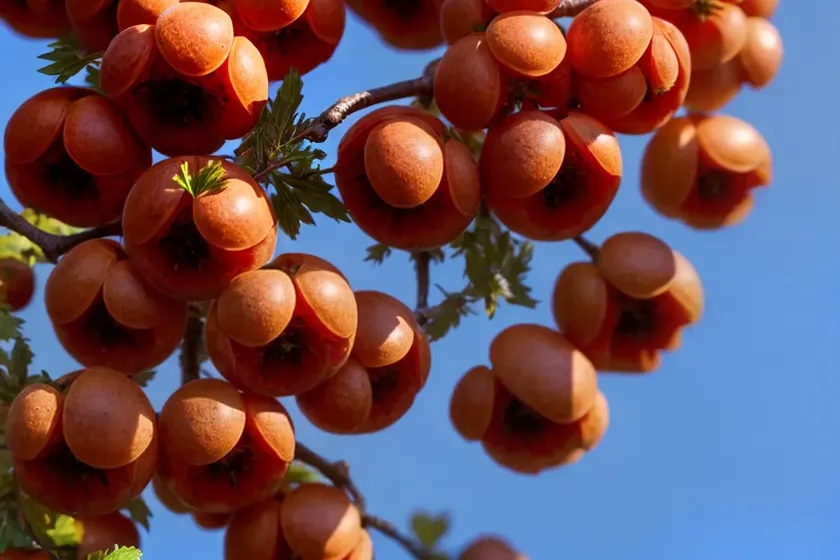
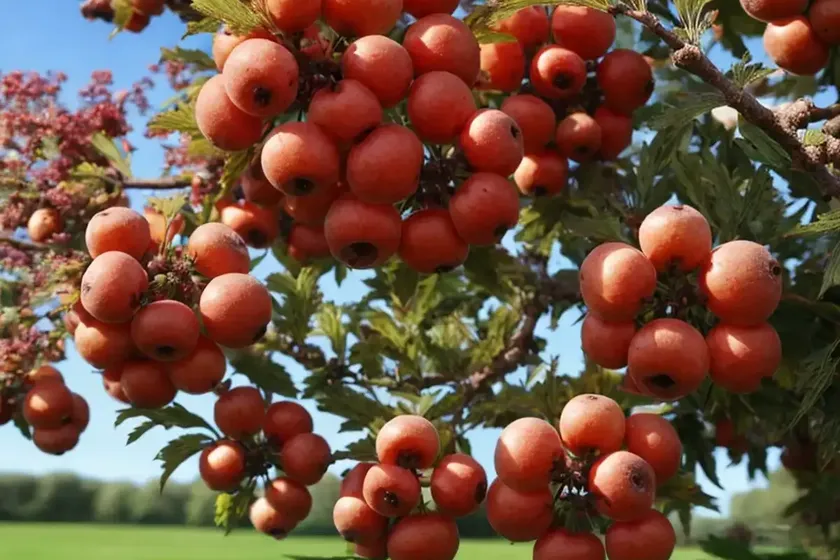
Crataegus monogyna, commonly known as Common Hawthorn, is a versatile and multi-purpose plant that has been an integral part of human cultures for centuries. This resilient and adaptable plant offers numerous benefits, from medicinal uses to its significance in wildlife conservation. In this comprehensive guide, we will explore the various aspects of the Common Hawthorn, from its cultural significance to its ecological importance, and provide valuable insights into its care and maintenance.
What is Crataegus monogyna (Common Hawthorn)?
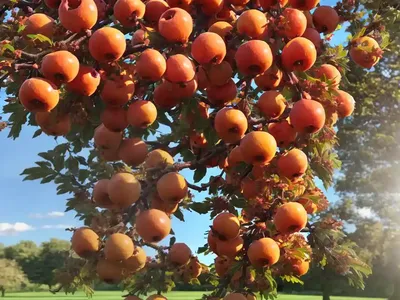
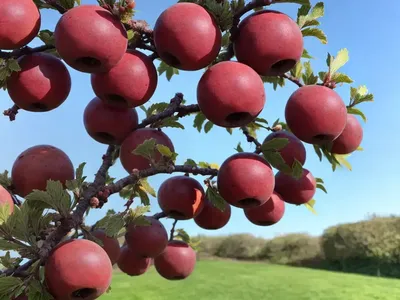
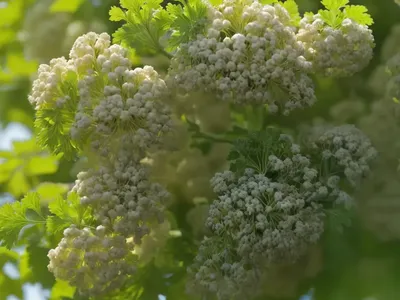
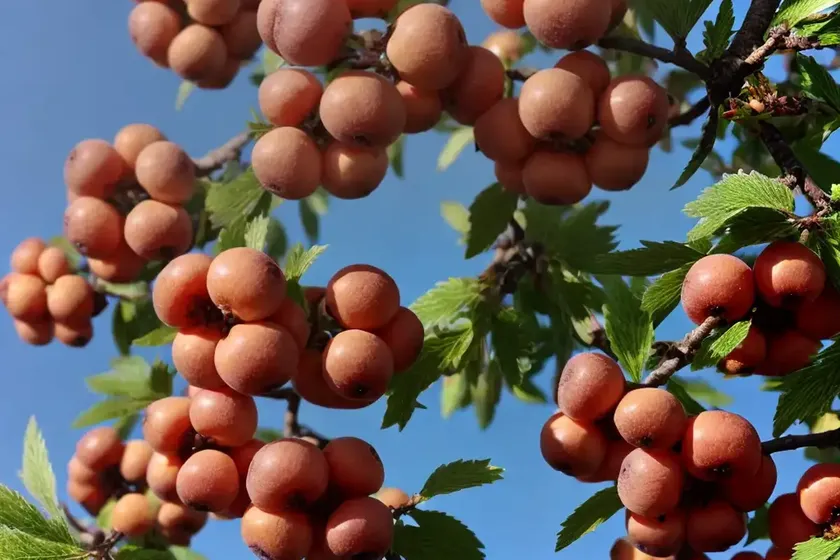
Crataegus monogyna, belonging to the family Rosaceae, is a small deciduous tree or shrub native to Europe, Northwest Africa, and Western Asia. It is characterized by its dense, thorny branches and clusters of white flowers that bloom in late spring, giving way to vibrant red berries in the fall. The species is known for its resilience and adaptability, thriving in a variety of habitats, from woodlands to urban landscapes.
Key Takeaways – Crataegus monogyna (Common Hawthorn)
- Scientific Name: Crataegus monogyna
- Common Name: Common Hawthorn
- Family: Rosaceae
- Native Range: Europe, Northwest Africa, Western Asia
- Habitat: Woodlands, Hedgerows, Urban Landscapes
- Distinct Features: Dense, thorny branches; white flowers; red berries
- Significance: Medicinal uses, Wildlife habitat, Ornamental value
Let’s delve deeper into the various facets of Common Hawthorn, including its cultural, ecological, and horticultural aspects.
Culture
Crataegus monogyna holds significant cultural and historical importance in various traditions and folklore. Its symbolic meanings, traditional uses, and role in different cultural practices make it a fascinating subject of study.
Common Hawthorn Folklore and Myths
The Common Hawthorn has been steeped in folklore and myth for centuries, with diverse cultural interpretations and symbolic meanings associated with it. In European folklore, the Hawthorn tree is often linked to ancient beliefs and customs, representing fertility, love, and protection. It is said that Hawthorn branches were used for decorating homes during May Day celebrations, signifying good luck and warding off evil spirits. The tree’s blossoms also hold symbolic significance in Celtic traditions, often associated with love and marriage.
Crataegus monogyna Significance in Folklore
Crataegus monogyna’s significance in folklore transcends geographical boundaries, with various cultures attributing symbolic meanings and supernatural properties to the plant. In some traditions, the Hawthorn tree is believed to be a gateway to the fairy realm, and harming the tree is considered unlucky or even dangerous. These rich cultural associations have contributed to the enduring allure of the Common Hawthorn and its continued presence in rituals and folklore across different societies.
Common Hawthorn Folklore in Different Cultures
The folklore surrounding Common Hawthorn varies across cultures, providing a fascinating tapestry of beliefs and customs associated with the plant. In Irish folklore, the Hawthorn is revered as a sacred tree, often associated with the “fairy thorn” and believed to be the dwelling place of fairies and spirits. Its blossoms are traditionally avoided for fear of disturbing these unseen inhabitants. In Eastern European traditions, the Hawthorn tree is associated with protection and is often planted near homes to ward off evil spirits. These diverse cultural perspectives deepen our understanding of the intricate relationship between humans and the natural world, highlighting the enduring relevance of the Common Hawthorn in global folklore and mythology.
Uses
Crataegus monogyna serves a multitude of purposes, ranging from medicinal uses to providing a valuable habitat for wildlife. The plant’s diverse uses underscore its ecological and cultural significance, making it an invaluable component of human and natural systems.
Common Hawthorn Medicinal Uses
The Common Hawthorn has a long history of medicinal use, with its berries, leaves, and flowers prized for their therapeutic properties. The berries, in particular, have been traditionally used to support cardiovascular health and are known for their high content of antioxidants and flavonoids. From tinctures to herbal teas, Common Hawthorn-based remedies have been utilized to promote heart health, aid digestion, and support overall well-being. The plant’s medicinal benefits have been recognized in traditional herbal medicine systems and continue to be studied for their potential applications in modern healthcare.
Crataegus monogyna Traditional Medicine
In traditional medicine systems, Crataegus monogyna has been valued for its cardiovascular and circulatory benefits. The plant’s berries and leaves are used to prepare medicinal formulations that are believed to support heart function and improve blood circulation. These traditional remedies have been passed down through generations, reflecting the enduring trust in the plant’s therapeutic properties. The widespread use of Common Hawthorn in traditional medicine underscores the plant’s legacy as a natural source of health and wellness.
Common Hawthorn Culinary Uses
Beyond its medicinal properties, the Common Hawthorn has been utilized in culinary practices, particularly in the preparation of traditional preserves, sauces, and beverages. The bright red berries of the plant can be transformed into flavorful jams, jellies, and syrups, offering a delightful combination of tartness and sweetness. Additionally, Hawthorn berries are used to infuse alcoholic beverages, adding a unique depth of flavor to liqueurs and wines. The plant’s culinary versatility adds an enriching dimension to its cultural significance, as it continues to be cherished for its culinary contributions in various regions.
Water
Proper watering is essential for the health and vitality of Crataegus monogyna. Understanding the plant’s water requirements and implementing appropriate watering practices is key to maintaining its overall well-being.
Watering Guidelines
- Established Plants: Once established, Common Hawthorn plants are generally drought-tolerant and require minimal irrigation. However, during periods of prolonged dryness, supplemental watering may be necessary to support healthy growth and fruit development.
- Newly Planted Specimens: Newly planted Crataegus monogyna specimens benefit from regular watering during the establishment phase. Providing adequate moisture promotes root development and helps the plant acclimate to its new environment.
Watering Frequency
- Dry Conditions: During dry periods, it is crucial to monitor soil moisture and water Common Hawthorn plants as needed. In regions with limited rainfall, periodic deep watering is recommended to ensure that the root system receives adequate moisture.
- Avoid Overwatering: While consistent moisture is important, overwatering should be avoided, as it can lead to waterlogged soil and root rot. Allowing the soil to dry out slightly between waterings helps prevent waterlogged conditions and promotes healthy root growth.
Mulching Benefits
- Mulch Application: Applying a layer of organic mulch around the base of Common Hawthorn plants offers numerous benefits, including moisture retention, weed suppression, and soil insulation. Mulching helps conserve soil moisture, reducing the frequency of watering while providing a favorable microclimate for the plant’s root system.
Sunlight
Proper sunlight exposure is crucial for the growth and flowering of Crataegus monogyna. Understanding the plant’s sunlight requirements and optimizing its exposure to sunlight are essential for promoting robust growth and prolific blooming.
Sunlight Needs
- Full Sun to Partial Shade: Common Hawthorn thrives in a sunny to partially shaded location, with at least 6 hours of direct sunlight per day being ideal for optimal growth and flowering. Adequate sunlight exposure supports the development of sturdy branches, abundant foliage, and vibrant blooms.
Sunlight Optimization
- Site Selection: When planting Common Hawthorn, choose a site that receives ample sunlight and has well-drained soil. Selecting a sunny location with proper air circulation helps minimize the risk of fungal diseases and promotes the plant’s overall vigor and resilience.
- Eastern or Southern Exposure: In regions with hot summers, providing Crataegus monogyna with morning sun and afternoon shade can help protect the plant from excessive heat and sunburn while ensuring sufficient sunlight exposure for healthy growth.
Fertilizer
Applying the right type and amount of fertilizer can enhance the growth and vitality of Crataegus monogyna. Understanding the plant’s nutritional needs and implementing a balanced fertilization regimen can contribute to improved flowering, fruiting, and overall plant health.
Fertilizer Application
- Balanced Fertilizer: Common Hawthorn benefits from a balanced fertilizer formulation, with a preference for organic, slow-release fertilizers that provide a gradual and steady supply of nutrients. A balanced N-P-K (nitrogen, phosphorus, potassium) fertilizer can support the plant’s essential functions without promoting excessive vegetative growth.
Timing and Frequency
- Spring Application: Apply a light dressing of balanced fertilizer in early spring to provide a nutrient boost as the plant enters the active growing season. Avoid excessive fertilization, as Crataegus monogyna generally thrives in moderately fertile soil and can tolerate nutrient-poor conditions.
- Limited Fertilization: Common Hawthorn is adapted to a wide range of soil types and is often resilient in nutrient-deficient environments. Excessive fertilization should be avoided, as it can lead to imbalanced growth and may not necessarily benefit the plant.
Soil
Understanding the soil preferences of Crataegus monogyna is essential for creating a suitable growing environment and promoting the plant’s health and vigor. Optimizing soil conditions can contribute to improved flowering, fruiting, and overall plant resilience.
Soil Type
- Well-Drained Soil: Common Hawthorn thrives in well-drained soil with good moisture retention, allowing excess water to drain away efficiently. Avoid waterlogged or excessively compacted soil, as it can hinder root development and lead to potential issues such as root rot.
Soil pH Preference
- Neutral to Slightly Acidic: Crataegus monogyna prefers soil with a slightly acidic to neutral pH range (pH 6.0-7.5). Conduct a soil test to assess the existing pH levels and make adjustments as needed to create an optimal growing environment for the plant.
Soil Amendment
- Organic Matter Addition: Incorporating organic matter, such as well-rotted compost or aged manure, into the soil can enhance its fertility and structure. Organic amendments improve soil texture, promote beneficial microbial activity, and contribute to the long-term health of Common Hawthorn plants.
Pruning
Pruning plays a critical role in shaping the growth habit, promoting flowering, and maintaining the overall health of Crataegus monogyna. Implementing proper pruning techniques can help rejuvenate the plant, remove diseased or damaged branches, and encourage robust growth.
Pruning Objectives
- Structural Development: Pruning can guide the structural development of Common Hawthorn, shaping its form and promoting a balanced canopy. Regular pruning helps manage the plant’s growth and prevents overcrowding of branches, enhancing air circulation and light penetration.
Pruning Schedule
- Late Winter to Early Spring: Conduct pruning during late winter to early spring, before the onset of new growth. This timing allows for the removal of dead or diseased wood, shaping of the plant, and thinning of crowded branches while minimizing stress on the plant.
Pruning Techniques
- Remove Suckers and Water Sprouts: Eliminate suckers and water sprouts that emerge from the base or along the trunk of the plant, redirecting the plant’s energy toward productive growth and flower production.
- Deadwood Removal: Prune out dead, damaged, or crossing branches to maintain a healthy and aesthetically pleasing structure. Clean cuts help prevent the entry of pathogens and promote rapid healing.
Propagation
Propagation of Crataegus monogyna can be achieved through various methods, allowing for the expansion of plant populations and the preservation of specific cultivars or wild forms. Understanding the propagation techniques is essential for successfully propagating Common Hawthorn.
Propagation Methods
- Seed Propagation: Collecting and sowing Hawthorn seeds can be a rewarding method of propagation. Stratify the seeds in a cold, moist environment to break dormancy and encourage germination. Seed propagation allows for the genetic diversity of the species to be maintained and expanded.
Vegetative Propagation
- Hardwood Cuttings: Propagate Common Hawthorn through hardwood cuttings taken during the dormant season. Prepare cuttings from healthy, mature wood and treat with rooting hormone to expedite root formation. This method enables the replication of specific traits and characteristics of selected parent plants.
Container Popularity
The potted cultivation of Crataegus monogyna offers an opportunity to appreciate the plant’s ornamental and ecological qualities in a confined space. Container gardening allows for the inclusion of Common Hawthorn in various settings, from urban balconies to patio gardens.
Container Selection
- Large, Well-Draining Containers: Choose spacious containers with adequate drainage holes to provide ample room for the plant’s root system and prevent waterlogging. Select containers made of durable materials that can withstand outdoor conditions.
Soil and Watering Considerations
- Quality Potting Mix: Use a high-quality potting mix formulated for woody plants, providing sufficient nutrients and good drainage. Monitor the moisture levels in the container, ensuring that the soil remains consistently moist but not waterlogged.
Sunlight and Pruning
- Sun Exposure: Position the container in a location that receives ample sunlight, ideally offering at least 6 hours of direct sun exposure per day to support healthy growth and flowering.
- Pruning Maintenance: Regularly inspect the plant in the container and conduct pruning as needed to manage its size, shape, and overall health. Pruning helps control the plant’s growth and encourages a compact, well-branched form.
Common Diseases
Despite its resilience, Crataegus monogyna is susceptible to certain diseases that can impact its health and vigor. Understanding the signs and symptoms of common diseases is crucial for implementing effective management strategies.
Disease Diagnosis
- Leaf Spot: Common Hawthorn may develop leaf spot, characterized by the presence of dark, circular lesions on the foliage. Leaf spot can be caused by fungal pathogens and is often associated with prolonged periods of moisture on the leaves. Implementing good cultural practices, such as avoiding overhead watering and improving air circulation, can help reduce the incidence of leaf spot.
Powdery Mildew
- Powdery Mildew: The presence of powdery, white fungal growth on the leaves and shoots of Common Hawthorn indicates an infestation of powdery mildew. This fungal disease thrives in humid conditions and can impact the plant’s overall vigor. Ensuring proper air circulation, avoiding excessive moisture, and considering fungicidal treatments can aid in managing powdery mildew.
Fire Blight
- Fire Blight: Fire blight, caused by the bacterium Erwinia amylovora, can affect the blossoms, shoots, and branches of Common Hawthorn. Infected plant parts exhibit a characteristic wilted or blackened appearance, signaling the presence of the disease. Pruning out affected branches and implementing sanitation practices are critical for minimizing the spread of fire blight within the plant and the surrounding environment.
Common Pests
Several pests can pose a threat to the health and vitality of Crataegus monogyna. Recognizing the signs of pest infestations and implementing appropriate pest control measures is essential for safeguarding the plant from potential damage.
Aphid Infestation
- Aphids: Aphids are common sap-feeding insects that can infest the foliage and tender shoots of Common Hawthorn. Their presence often results in the distortion of leaves and the accumulation of sticky honeydew. Natural predators and occasional insecticidal treatments can help manage aphid populations and reduce their impact on the plant.
Caterpillar Damage
- Caterpillars: Certain caterpillar species may feed on the leaves of Common Hawthorn, leading to defoliation and compromised plant health. Handpicking caterpillars, introducing natural predators, and using targeted biological controls can aid in managing caterpillar damage while minimizing the use of chemical interventions.
Spider Mite Infestation
- Spider Mites: Spider mites are tiny arachnids that can infest the foliage of Common Hawthorn, causing stippling, discoloration, and webbing on the leaves. Regularly inspect the plant for signs of spider mite activity and consider horticultural oil or insecticidal soap applications to mitigate infestations.
Botanist’s Tips
As botanists and plant enthusiasts, we understand the value of nurturing and appreciating Crataegus monogyna for its ecological, cultural, and horticultural contributions. Here are some practical tips for cultivating and caring for Common Hawthorn:
Wildlife Habitat Enhancement
- Encourage Biodiversity: Crataegus monogyna provides valuable habitat and food sources for a diverse range of wildlife, including birds, insects, and small mammals. Integrate Common Hawthorn into wildlife-friendly landscapes to support local biodiversity and ecological balance.
Conservation Considerations
- Ecological Significance: Recognize the role of Crataegus monogyna in supporting wildlife conservation and habitat restoration efforts. By preserving and planting Common Hawthorn, individuals and communities can contribute to the conservation of native flora and fauna.
Ethnobotanical Exploration
- Cultural Dimensions: Explore the ethnobotanical dimensions of Common Hawthorn by researching its traditional uses, folklore, and historical significance in different regions. Engage in the preservation of cultural knowledge and practices associated with the plant, contributing to a deeper understanding of human-plant relationships.
Fun Facts
- Ancient Symbolism: Common Hawthorn has been associated with various ancient beliefs and customs, embodying diverse symbolic meanings across different cultures.
- Vibrant Flowers: The plant’s white flowers, known for their pleasant fragrance, serve as a source of nectar for pollinators, contributing to the local ecosystem’s vitality.
- Wildlife Support: Crataegus monogyna’s berries are an important food source for birds during the winter months, offering sustenance when other resources are scarce.
- Ecosystem Role: The ecological contributions of Common Hawthorn extend beyond its ornamental and medicinal qualities, benefiting diverse species and ecological processes.
Links to External Resources
To further explore the multifaceted aspects of Crataegus monogyna and delve deeper into its uses, folklore, and ecological significance, consider these valuable external resources:
- Royal Horticultural Society – Common Hawthorn
- USDA Plants Database – Crataegus monogyna
- Missouri Botanical Garden – Crataegus monogyna
- The Woodland Trust – Hawthorn trees and wildlife
- Ethnobotany of Crataegus monogyna in the Balkans
By delving into the multifaceted realm of Crataegus monogyna, we unravel the plant’s rich tapestry of uses, ecological interactions, and cultural significance. As stewards of the natural world, we can celebrate and conserve the invaluable contributions of Common Hawthorn, ensuring its enduring presence and relevance in human societies and natural ecosystems.