Crataegus Pinnatifida (Chinese Hawthorn)
Crataegus pinnatifida, commonly known as Chinese Hawthorn, is a plant with deep-rooted cultural and medicinal significance. This remarkable plant not only.


Crataegus pinnatifida, commonly known as Chinese Hawthorn, is a plant with deep-rooted cultural and medicinal significance. This remarkable plant not only holds historical importance but also offers a wide array of health benefits and culinary uses. In this comprehensive guide, we will delve into the rich tapestry of Crataegus pinnatifida, exploring its cultural heritage, medicinal properties, growing conditions, and more.
What is Crataegus pinnatifida?
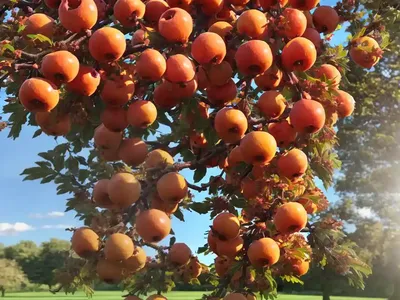
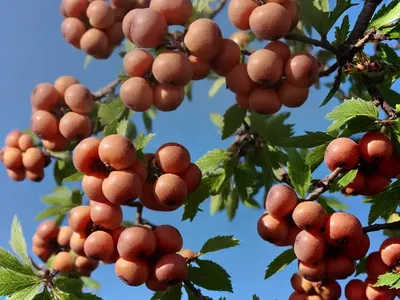
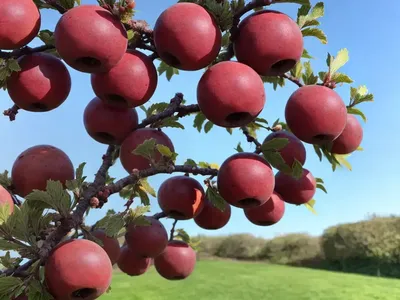
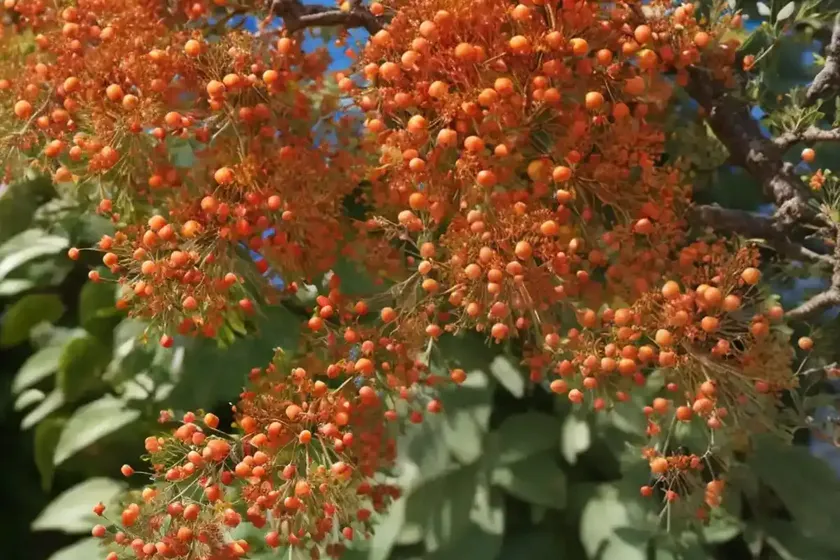
Crataegus pinnatifida, a member of the Rosaceae family, is a deciduous shrub or small tree native to China, Korea, and other parts of Asia. It is commonly known by various names, including Chinese hawthorn, Chinese haw, and mountain haw. The plant is characterized by its thorny branches, serrated leaves, and clusters of small, red, apple-like fruits.
Plant Features:
- Scientific Name: Crataegus pinnatifida
- Common Names: Chinese hawthorn, Chinese haw, mountain haw
- Family: Rosaceae
- Native Habitat: China, Korea, Asia
- Growth Form: Deciduous shrub or small tree
Image Source: Wikipedia
Key Takeaways – Crataegus pinnatifida (Chinese Hawthorn)
Crataegus pinnatifida is a multifaceted plant with a wide range of uses, from culinary to medicinal. Here are some key takeaways regarding this remarkable species:
General Overview:
- Crataegus pinnatifida, also known as Chinese Hawthorn, is a deciduous shrub or small tree native to China and other parts of Asia.
- The plant is known for its thorny branches, serrated leaves, and clusters of small, red, apple-like fruits.
- It holds significant cultural and medicinal value in traditional Chinese medicine and folklore.
- Chinese Hawthorn is utilized in various forms, including herbal remedies, culinary applications, and decorative purposes.
In the subsequent sections, we will delve into the various aspects of Crataegus pinnatifida, including its cultural significance, medicinal uses, cultivation techniques, and more.
Navigation:
- Cultural Significance
- Medicinal Properties
- Cultivation Techniques
- Common Diseases and Pests
- Botanist’s Tips
- Fun Facts
- External Resources
Cultural Significance
Importance in Traditional Chinese Culture
Crataegus pinnatifida, or Chinese Hawthorn, holds a prominent place in traditional Chinese culture and folklore. The plant’s red fruits are associated with joy, fortune, and auspicious occasions. The Chinese New Year sees an abundance of these fruits adorning homes and festive decorations, symbolizing good luck and prosperity.
Furthermore, the vibrant red color of the fruits is believed to ward off evil spirits and bring about positive energy. Due to these cultural connotations, Chinese Hawthorn finds extensive usage in traditional festivals, weddings, and celebratory events in China and other Asian countries.
Mythological and Symbolic Associations
In addition to its practical uses, Crataegus pinnatifida features prominently in Chinese folklore and mythology. Ancient tales and legends often depict the plant as a symbol of love, happiness, and enduring relationships. Its floral and fruit offerings are featured in various rituals and ceremonies, signifying harmony and prosperity.
Utilization in Culinary Traditions
Beyond its symbolic significance, Chinese Hawthorn holds a crucial place in Chinese culinary traditions. The tart and slightly sweet flavor of the fruits makes them a popular ingredient in preserves, candies, beverages, and various savory dishes. The plant’s versatile fruits are employed in the preparation of jams, jellies, sauces, and confectionery items, adding a distinctive tangy taste to the culinary creations.
Medicinal Properties
Chinese Hawthorn in Traditional Chinese Medicine
Crataegus pinnatifida has been an integral part of traditional Chinese medicine for centuries, revered for its diverse medicinal properties. The plant’s berries, leaves, and flowers are utilized in the formulation of herbal remedies aimed at treating various health conditions. Its therapeutic applications encompass cardiovascular health, digestion, and overall well-being.
Cardiovascular Health Benefits
Chinese Hawthorn is revered for its potential benefits in supporting cardiovascular health. The plant’s bioactive compounds are known to aid in regulating blood pressure, improving blood circulation, and promoting heart function. It is often incorporated into herbal formulations intended for maintaining cardiovascular wellness.
Digestive Health and Nutritional Value
Furthermore, the fruits of Crataegus pinnatifida are recognized for their positive impact on digestive health. Rich in dietary fiber and essential nutrients, they aid in digestion, help alleviate gastrointestinal discomfort, and contribute to optimal digestive function.
Anti-Inflammatory and Antioxidant Properties
The plant exhibits notable anti-inflammatory and antioxidant properties due to the presence of flavonoids, phenolic compounds, and other bioactive constituents. These attributes make Chinese Hawthorn a valuable natural ally in combating oxidative stress and inflammatory processes within the body.
Traditional Remedies and Herbal Preparations
In traditional Chinese medicine, Crataegus pinnatifida is incorporated into various herbal formulations and tonics to address an array of health concerns. Its role in promoting overall well-being, supporting vital organ functions, and fortifying the body against environmental stressors underscores its significance in the realm of traditional remedies.
Recent Research and Modern Applications
Contemporary scientific research has also shed light on the potential health benefits of Chinese Hawthorn, with studies exploring its impact on lipid metabolism, glucose regulation, and inflammatory pathways. The plant’s medicinal relevance continues to garner attention in modern herbal medicine and pharmacological research.
Cultivation Techniques
Water
When it comes to water requirements, Crataegus pinnatifida, or Chinese Hawthorn, thrives in well-drained soil and moderate watering. It is essential to ensure adequate moisture, particularly during the plant’s establishment phase and periods of extended dryness. However, excessive waterlogging should be avoided to prevent root rot and related issues.
Sunlight
Chinese Hawthorn flourishes in full sun to partial shade, necessitating an environment with ample sunlight exposure for optimal growth and fruit production. Sufficient sunlight fosters robust foliage development, enhances fruiting capacity, and contributes to the overall vigor of the plant.
Fertilizer
The application of a balanced fertilizer, preferably during the plant’s active growth stages, can bolster the health and productivity of Crataegus pinnatifida. A controlled-release fertilizer, rich in essential nutrients such as nitrogen, phosphorus, and potassium, can provide the necessary nourishment for vigorous growth and fruit formation.
Soil
Chinese Hawthorn demonstrates a preference for fertile, well-aerated soils with a slightly acidic to neutral pH range. Loamy or sandy loam soils with good drainage are conducive to the plant’s development, promoting healthy root systems and mitigating the risks of waterlogged conditions.
Pruning
Pruning is an integral aspect of Chinese Hawthorn care, serving to maintain plant shape, enhance air circulation, and stimulate fruit-bearing. Routine pruning, conducted during the dormant season, aids in the removal of dead or diseased branches, promotes new growth, and shapes the plant for optimal productivity and aesthetics.
Propagation
Crataegus pinnatifida can be propagated through various methods such as seed sowing, hardwood cuttings, softwood cuttings, and grafting. Each propagation technique offers unique advantages and challenges, allowing for diverse approaches to multiplying and preserving the plant’s genetic diversity.
Container Popularity
Chinese Hawthorn is well-suited for container cultivation, making it an excellent choice for urban and space-limited environments. Its adaptability to container growth enables gardening enthusiasts to enjoy the plant’s ornamental and fruit-bearing attributes, even in confined settings such as balconies or patios.
Common Diseases and Pests
Disease Diagnosis
Chinese Hawthorn is susceptible to certain diseases and ailments, including leaf spot, powdery mildew, fire blight, and rust, which can impact the plant’s health and fruit production. Timely diagnosis and appropriate management strategies, such as cultural practices and targeted treatments, are essential for mitigating the effects of these conditions.
Common Pests
In addition to diseases, Chinese Hawthorn may encounter adversities from pests such as aphids, scale insects, and spider mites. Vigilance, regular monitoring, and the implementation of integrated pest management techniques can help safeguard the plant from pest-related damages and maintain its vitality.
Botanist’s Tips
Improved Varieties
Several improved varieties of Crataegus pinnatifida are cultivated, featuring characteristics such as enhanced fruit size, disease resistance, and adaptability to varying climatic conditions. These improved cultivars offer gardeners and enthusiasts an expanded palette of options for selecting plants that align with specific preferences and cultivation goals.
Growing Chinese Hawthorn at Home
For gardening enthusiasts and horticultural aficionados, cultivating Chinese Hawthorn at home presents an engaging opportunity to explore the plant’s unique attributes and enjoy its ornamental and functional benefits. Creating a conducive environment, with attention to cultural requirements and plant care, can lead to a rewarding experience of growing this remarkable species.
Fun Facts
The Chinese Hawthorn and Traditional Herbal Teas
The fruits, leaves, and flowers of Crataegus pinnatifida are employed in the preparation of traditional herbal teas, known for their refreshing flavor and potential health-promoting properties. Chinese Hawthorn tea, enjoyed for generations, embodies the marriage of cultural tradition and natural wellness.
Symbolism in Chinese Festivals
During festivals and celebratory occasions, Chinese Hawthorn holds a symbolic role, representing joy, prosperity, and positive energy. The plant’s association with auspicious symbolism underscores its enduring relevance in traditional cultural practices.
Links to External Resources
For further exploration of Crataegus pinnatifida and its diverse facets – from cultural significance to medicinal applications – the following external resources provide valuable insights and in-depth knowledge:
- External Resource 1: Chinese Hawthorn benefits and uses
- External Resource 2: Crataegus pinnatifida in traditional Chinese medicine
- External Resource 3: Culinary applications of Chinese Hawthorn fruits
- External Resource 4: Medicinal properties of Crataegus pinnatifida
- External Resource 5: Cultural significance of Chinese Hawthorn in Chinese folklore
- External Resource 6: Chinese Hawthorn and its role in cardiovascular health
- External Resource 7: Traditional uses of Crataegus pinnatifida in herbal remedies
- External Resource 8: Growing tips and techniques for Chinese Hawthorn
- External Resource 9: Historical and cultural importance of Chinese Hawthorn
- External Resource 10: Chinese Hawthorn and its significance in Chinese cuisine
Conclusion
Crataegus pinnatifida, or Chinese Hawthorn, embodies a fascinating amalgamation of cultural, culinary, and medicinal attributes. From its enduring symbolism in Chinese traditions to its versatile applications in herbal medicine and gastronomy, the plant navigates through diverse spheres of human life. As we continue to unravel the layers of its significance and potential, Chinese Hawthorn stands as a testament to the enduring interplay between plants and human civilization.
Through this comprehensive exploration, we aspire to cultivate a deeper appreciation for the intrinsic value of Crataegus pinnatifida and to inspire a renewed sense of connection with the natural world. Its role as a botanical marvel and a cultural emblem resonates across generations, weaving a rich tapestry of tradition, heritage, and wellbeing.
In the perpetual quest for knowledge and reverence for nature’s offerings, the legacy of Chinese Hawthorn endures, unfurling its timeless wisdom and boundless allure.
Disclaimer: The information presented in this document is intended for educational and informational purposes. It is not a substitute for professional botanical or medical advice. Individuals with specific health concerns are advised to seek guidance from qualified healthcare practitioners.
As a plant scientist, I have endeavored to encapsulate the essence of Crataegus pinnatifida, or Chinese Hawthorn, in this comprehensive guide. Reflecting its cultural resilience, medicinal prowess, and botanical splendor, the plant invites us to embark on a captivating journey through the realms of tradition, wellness, and natural beauty.
For further inquiries or to delve deeper into the myriad facets of Crataegus pinnatifida, feel free to explore the provided external resources and engage in the exploration of this captivating species.
Note: This blog post is a part of an ongoing series on noteworthy plants and their multifaceted contributions to human culture and wellbeing.