Crataegus Laevigata (English Hawthorn)
Crataegus laevigata, commonly known as English Hawthorn, is a striking and versatile plant that has been valued for its ornamental, medicinal, and.
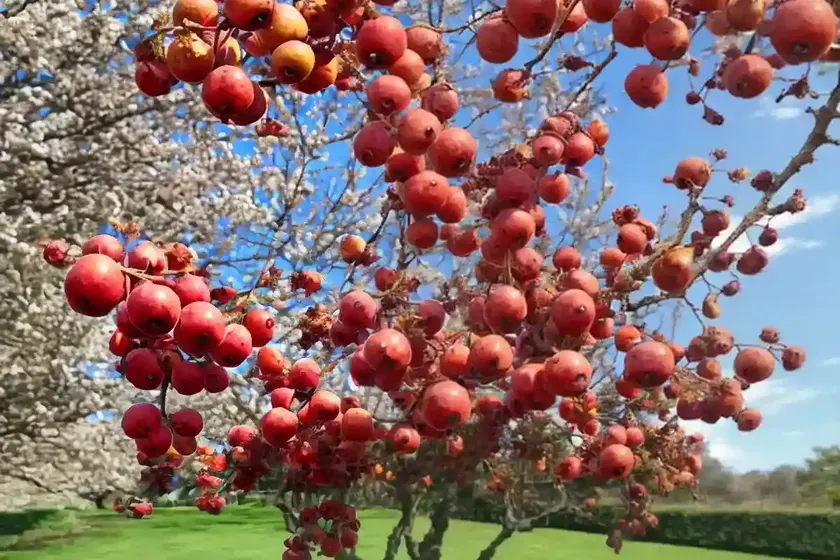
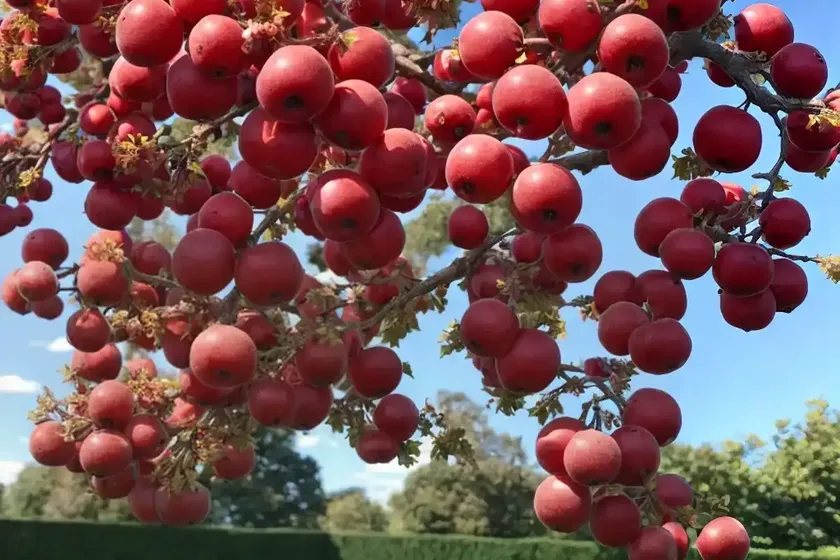
Crataegus laevigata, commonly known as English Hawthorn, is a striking and versatile plant that has been valued for its ornamental, medicinal, and ecological benefits for centuries. Belonging to the Crataegus genus, this species is native to Europe and has found its way into gardens, landscapes, and herbal traditions across the world. In this comprehensive guide, we will explore the various aspects of cultivating, caring for, and utilizing Crataegus laevigata, from its cultural significance to its practical applications and everything in between.
What is Crataegus laevigata (English Hawthorn)?
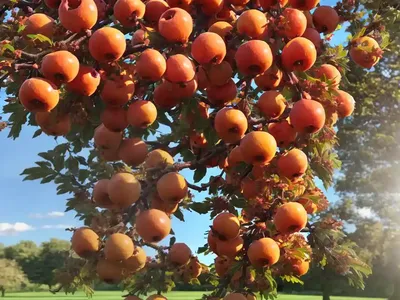
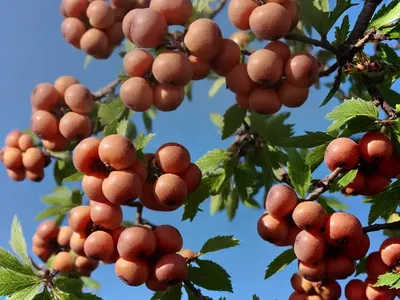
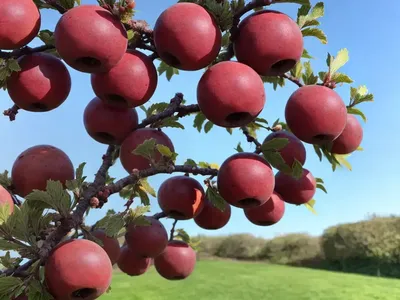
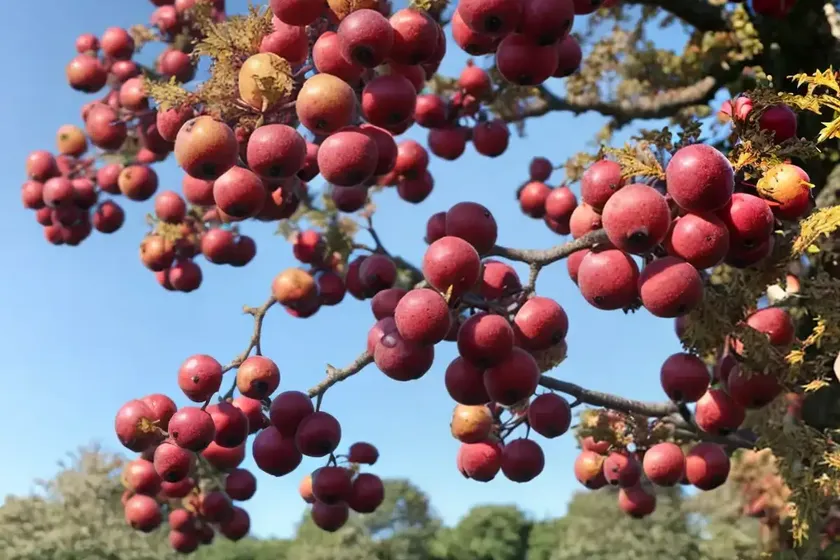
Crataegus laevigata is a deciduous shrub or a small tree, known for its dense, thorny branches and an array of white or pink-tinged flowers in spring, followed by small red fruits in the fall. It belongs to the Rosaceae family and is characterized by its glossy, dark green, deeply lobed leaves. This plant is not only aesthetically pleasing but also possesses a range of valuable traits that make it a valuable addition to various settings, including gardens, natural habitats, and traditional medicine practices.
Key Takeaways – Crataegus laevigata (English Hawthorn)
Before delving into the specifics of cultivating and caring for English Hawthorn, let’s take a quick overview of the key takeaways associated with this plant. These points will provide a snapshot of the various aspects we will explore in detail throughout this guide.
- Botanical Name: Crataegus laevigata
- Common Names: English Hawthorn, Mayflower
- Classification: Deciduous shrub or small tree in the Crataegus genus
- Cultural Significance: Ornamental, medicinal, and ecological
- Flowering: White or pink-tinged flowers in spring
- Fruits: Small red berries in the fall
- Uses: Landscaping, herbal medicine, wildlife habitat
- Characteristics: Thorny branches, glossy dark green leaves
- Native Habitat: Europe
- Cultivation: Hardy and adaptable to various conditions
- Care Requirements: Moderate water, full sun to partial shade, well-draining soil
- Disease Resistance: Generally resistant to diseases and pests
- Pruning: Regular pruning to maintain shape and health
- Propagation: Seeds, cuttings, or grafting techniques
- Common Diseases: Leaf spot, fire blight, powdery mildew
- Common Pests: Aphids, caterpillars, scale insects
The botanical name “Crataegus laevigata” encompasses a wealth of features and uses, and we will explore each of these in detail throughout the various sections of this guide.
Culture
Understanding the cultural requirements of Crataegus laevigata is crucial to ensuring its successful growth and development. From the soil it thrives in to its water and sunlight needs, let’s delve into the cultural aspects that contribute to the well-being of the English Hawthorn.
Water
- Moderate Moisture: English Hawthorn generally thrives in moderately moist soil. While it is important to water newly planted trees regularly, mature specimens are quite drought-tolerant once established.
- Well-Draining Soil: Ensuring that the planting site has well-draining soil is essential to prevent waterlogging, which can be detrimental to the plant’s health.
- Seasonal Considerations: During dry periods, especially in the summer, providing supplemental watering can be beneficial, particularly for young trees.
Sunlight
- Full Sun to Partial Shade: Crataegus laevigata thrives in a variety of light conditions, from full sun to partial shade. However, it generally performs best when it receives at least six hours of direct sunlight per day.
Fertilizer
- Minimal Fertilization: English Hawthorn typically does not require heavy fertilization. A balanced, slow-release fertilizer applied in spring can provide the necessary nutrients for healthy growth.
- Organic Matter: Incorporating organic matter, such as compost, into the soil during planting can contribute to the plant’s overall health and vigor.
Soil
- Well-Draining Soil: The English Hawthorn prefers well-draining, loamy soil. While it can adapt to various soil types, it is important to avoid waterlogged or extremely dry soils.
- Soil pH: It tolerates a wide range of soil pH levels, but slightly acidic to neutral soil is generally ideal for optimal growth and nutrient uptake.
Pruning
Pruning is an important aspect of English Hawthorn care, contributing to its overall health, shape, and flowering performance.
- Maintenance Pruning: Regular pruning can help maintain the desired shape and size of the plant, as well as remove any damaged or diseased branches.
- Timing: Prune English Hawthorn in late winter or early spring before new growth begins. This timing allows the plant to recover and put forth new growth during the spring season.
- Tools: Ensure that you use sharp, clean pruning tools to make precise cuts and minimize the risk of introducing pathogens to the plant.
Propagation
Several methods can be employed to propagate Crataegus laevigata, offering flexibility for growers and enthusiasts.
- Seed Propagation: Collecting and propagating seeds from mature fruits can be an effective way to propagate new plants. However, it is important to stratify the seeds before sowing to mimic the natural winter conditions necessary for germination.
- Cuttings: Semi-hardwood cuttings taken in late summer or early fall can also be successfully rooted to produce new plants.
- Grafting: Grafting onto suitable rootstock can be employed to propagate specific cultivars or varieties with desirable traits.
Container Popularity
While English Hawthorn is commonly grown in gardens and natural settings, it can also thrive in containers, offering versatility for those with limited space or specific design preferences.
- Size Considerations: Select large containers to accommodate the plant’s root system and provide stability.
- Well-Draining Potting Mix: Use a high-quality, well-draining potting mix to ensure optimal root health and avoid waterlogging.
- Fertilization: Container-grown plants may require more frequent fertilization, as the nutrients in the potting mix can deplete over time.
Container Common Diseases
When growing Crataegus laevigata in containers, it’s important to be mindful of potential diseases that can impact container-grown plants.
- Root Rot: Container plants are vulnerable to root rot if the potting mix becomes waterlogged. Ensure proper drainage and watering practices to mitigate this risk.
Disease Diagnosis
While English Hawthorn is generally resistant to many diseases, it can occasionally be affected by certain fungal and bacterial issues.
Common Diseases
- Leaf Spot: Characterized by dark spots on the foliage, leaf spot can be managed by ensuring good air circulation and promptly removing and disposing of infected leaves.
- Fire Blight: This bacterial disease can cause wilting and darkening of the plant’s blossoms and shoots. Pruning out affected areas and practicing good sanitation can help prevent the spread of fire blight.
- Powdery Mildew: Powdery mildew, indicated by a white, powdery residue on the leaves, can be addressed through proper spacing and adequate air circulation.
Common Pests
English Hawthorn can be susceptible to certain pests, which, if left unchecked, can affect the plant’s health and appearance.
- Aphids: These small, sap-sucking insects can affect the new growth of the plant. Regular monitoring and the use of natural predators or insecticidal soap can help control aphid populations.
- Caterpillars: Certain caterpillar species may feed on the foliage of the plant. Handpicking caterpillars and employing biological control methods can help manage their presence.
- Scale Insects: These pests can cause discoloration and weakening of the plant. Pruning out heavily infested areas and applying horticultural oil can help control scale insects.
Botanist’s Tips
To ensure the successful cultivation and care of Crataegus laevigata, here are a few botanist’s tips to keep in mind:
- Regular Monitoring: Engage in regular monitoring of the plant to promptly address any signs of disease or pest infestations.
- Adequate Air Circulation: Ensure that the plant has adequate air circulation to minimize the risk of fungal diseases.
- Watering Practices: Maintain consistent watering practices, keeping in mind the plant’s moisture requirements while avoiding waterlogging.
Fun Facts
Delving into the world of English Hawthorn wouldn’t be complete without uncovering some intriguing and delightful fun facts about this fascinating plant:
- Folklore and Myths: English Hawthorn is steeped in folklore and myths, with various cultures associating it with different symbolic meanings and beliefs.
- Heart-Healthy Plant: The medicinal uses of Crataegus laevigata are centered around its heart-healthy properties, with the plant being used traditionally as a natural remedy for cardiovascular health.
- Wildlife Habitat: English Hawthorn provides valuable habitat and food for wildlife, including birds and small mammals, further contributing to its ecological significance.
- Ornamental Appeal: Beyond its practical and medicinal uses, the English Hawthorn is valued for its ornamental beauty, particularly during its spring flowering period.
Links to External Resources
For further in-depth exploration of Crataegus laevigata (English Hawthorn), you may find the following external resources valuable:
- Royal Horticultural Society – Crataegus laevigata
- Missouri Botanical Garden – Hawthorn, Crataegus laevigata
- USDA Forest Service – Crataegus laevigata
- American Botanical Council – Hawthorn Berry and Cardiac Health
- The Herb Society – Hawthorn Benefits
In summary, Crataegus laevigata (English Hawthorn) embodies a rich tapestry of cultural, ecological, and practical significance. From its striking aesthetic appeal to its medicinal properties and wildlife benefits, this plant continues to captivate and contribute to various aspects of human and environmental well-being. Whether adorning a garden, providing herbal remedies, or fostering wildlife, the English Hawthorn stands as a testament to the enduring value of nature’s offerings.