Cotton Candy Fern (Nephrolepis Exaltata Smithii)
As a plant scientist with a passion for exploring the diverse world of flora, I am excited to delve into the captivating realm of the Cotton Candy Fern.
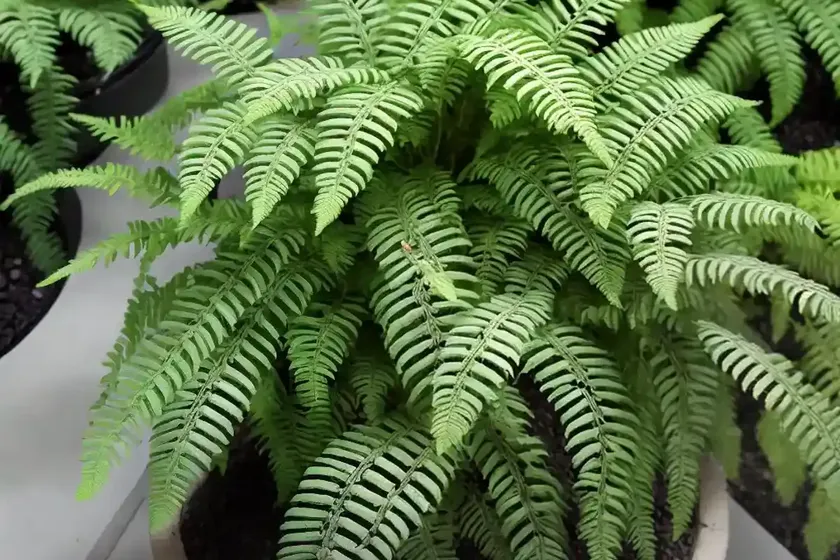
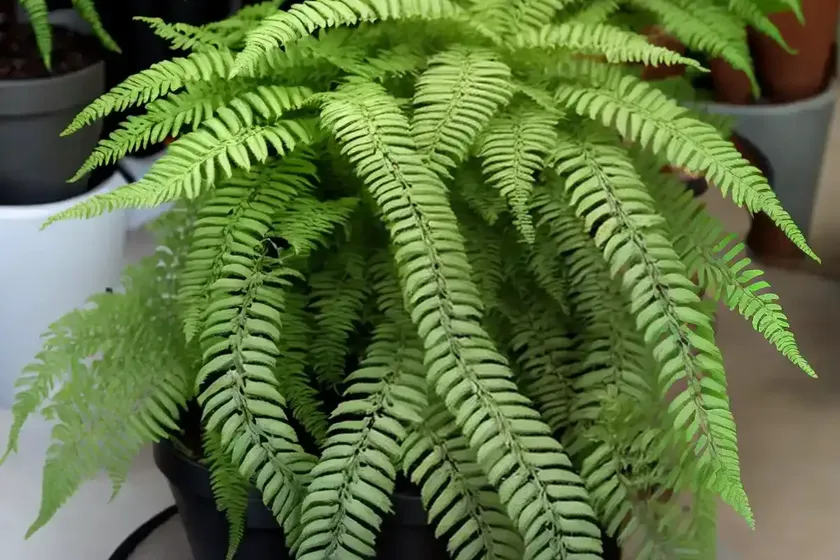
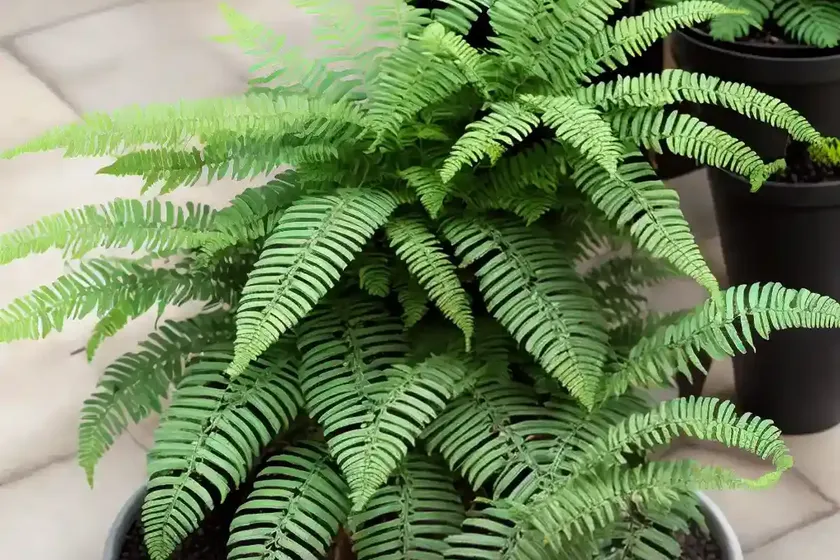
As a plant scientist with a passion for exploring the diverse world of flora, I am excited to delve into the captivating realm of the Cotton Candy Fern, scientifically known as Nephrolepis exaltata Smithii. This enchanting fern, with its delicate fronds and elegant demeanor, has been treasured for generations, captivating indoor plant enthusiasts and interior designers alike. In this comprehensive guide, we will navigate through the various facets of the Cotton Candy Fern, from its cultural requirements to its propagation and common pests and diseases, arming you with the knowledge to nurture and appreciate this esteemed foliage.
What is a Plant: Cotton Candy Fern (Nephrolepis Exaltata Smithii)?
The Cotton Candy Fern, or Nephrolepis exaltata Smithii, is a tropical fern that belongs to the Nephrolepis exaltata species. It is renowned for its lush, pale green fronds that gracefully arch from the central crown, lending it an ethereal and almost whimsical appearance. The common name “Cotton Candy Fern” aptly describes the soft and feathery texture of its foliage, evoking a sense of lightness and elegance.
Key Takeaways: Cotton Candy Fern (Nephrolepis Exaltata Smithii)
Before diving into the intricacies of caring for the Cotton Candy Fern, let’s explore the key takeaways about this exotic plant.
- Scientific Name: Nephrolepis exaltata Smithii
- Common Names: Cotton candy fern, Smith’s sword fern
- Plant Type: Tropical fern
- Suitable for: Indoor cultivation
- Foliage: Lush, pale green fronds with a soft and feathery texture
- Distinct Feature: Resilient nature and air-purifying properties
- Popularity: Highly favored for indoor decor
With these fundamentals in mind, let’s unravel the cultural practices, propagation techniques, and care tips for the alluring Cotton Candy Fern.
Culture
The cultural requirements of the Cotton Candy Fern play a pivotal role in ensuring its health and vitality. Understanding its preferences for water, sunlight, fertilizer, and soil composition is essential for fostering an environment where it can thrive.
Uses
The Cotton Candy Fern, with its graceful fronds and air-purifying traits, serves as an enchanting addition to indoor spaces, imparting a refreshing and serene ambiance. As a versatile plant, it is well-suited for various applications, such as:
- Indoor Decor: Adorning living rooms, bedrooms, and offices with its elegant foliage.
- Terrariums: Adding a touch of greenery to miniature landscapes.
- Hanging Baskets: Cascading gracefully from elevated containers, adding vertical interest to spaces.
- Air-Purification: Enhancing indoor air quality by removing pollutants and toxins.
- Interior Landscaping: Enriching the aesthetic appeal of commercial and residential interiors.
The diverse uses of the Cotton Candy Fern underscore its adaptability and decorative value in both living and working environments.
Water
Proper hydration is paramount for the Cotton Candy Fern, as it thrives in moderately moist conditions. However, it is crucial to strike a balance, as overwatering can lead to root rot and other ailments. Here are some guidelines for watering the Cotton Candy Fern:
- Frequency: Water the fern when the top inch of the soil feels slightly dry, typically every 1-2 weeks, depending on environmental factors such as temperature and humidity.
- Watering Technique: Pour water evenly over the soil until it begins to drain from the bottom of the pot, ensuring thorough but not excessive moisture. Avoid water accumulation in the saucer to prevent waterlogging.
- Soil Moisture: Aim to maintain uniform soil moisture, neither allowing it to dry out completely nor becoming waterlogged.
Achieving the right balance in watering will promote the robust growth and vibrant appearance of the Cotton Candy Fern.
Sunlight
The Cotton Candy Fern flourishes in filtered or indirect light, making it an exemplary choice for spaces with limited natural light. Positioning it in an area with gentle, dappled sunlight or partial shade is ideal, protecting it from direct exposure to intense sunlight. Here are some key considerations for providing suitable sunlight:
- Indoor Placement: Select a location with ample natural light, such as near a north- or east-facing window, where the fern can bask in gentle, filtered sunlight.
- Outdoor Conditions: When grown outdoors, prioritize shaded or semi-shaded areas, safeguarding the fern from harsh, direct sunlight, especially during the peak hours of the day.
By ensuring optimal light conditions, you can cultivate a flourishing Cotton Candy Fern that radiates natural beauty indoors.
Fertilizer
Supplemental feeding with a balanced fertilizer can bolster the growth and overall health of the Cotton Candy Fern. Opt for a diluted, well-balanced liquid fertilizer formulated for indoor plants, applying it at strategic intervals during the growing season. Here are some fertilizer guidelines for nourishing the fern:
- Frequency: Apply fertilizer every 4-6 weeks during the growing season from spring to early fall, reducing or ceasing applications during the winter months when growth slows.
- Dilution: Dilute the fertilizer to half or quarter strength to prevent overfeeding, ensuring that the fern receives essential nutrients without the risk of fertilizer burn.
- Application Method: Evenly distribute the diluted fertilizer over the soil, avoiding direct contact with the foliage to prevent potential damage or burning.
By providing judicious fertilization, you can support the vitality and vigor of the Cotton Candy Fern, promoting lush and luxuriant growth.
Soil
The choice of soil directly impacts the health and well-being of the Cotton Candy Fern, influencing its moisture retention, aeration, and nutrient availability. A well-draining, moisture-retentive potting mix with a slightly acidic to neutral pH is ideal for meeting the fern’s soil requirements. Consider the following aspects when selecting or preparing soil for the Cotton Candy Fern:
- Potting Mix: Opt for a high-quality, peat-based potting mix amended with perlite or vermiculite to enhance drainage and aeration, ensuring consistent soil moisture.
- pH Level: Aim for a slightly acidic to neutral pH range between 5.5 to 7.0, promoting optimal nutrient uptake and root health.
- Moisture Retention: Prioritize a potting mix with the capacity to retain moisture while averting waterlogging, striking a harmonious balance for the fern’s root system.
By addressing the soil requirements of the Cotton Candy Fern, you can create a conducive growing medium that supports its vitality and flourishing foliage.
Pruning
Regular maintenance through pruning and grooming plays a pivotal role in retaining the aesthetic appeal and vigor of the Cotton Candy Fern. Pruning facilitates the removal of damaged fronds and enforces a compact growth habit, contributing to the overall well-being of the plant. Here are some pruning guidelines to uphold the allure of the Cotton Candy Fern:
- Dead or Yellowed Fronds: Trim away any discolored or withered fronds close to the base of the plant using clean and sharp scissors or pruning shears to maintain a tidy appearance.
- Compact Growth: To encourage bushier growth, trim the occasional runner or offshoot, redirecting the plant’s energy toward the existing fronds.
Pruning not only enhances the visual charm of the Cotton Candy Fern but also promotes its overall health and vitality, ensuring a flourishing display of lush foliage.
Propagation
The propagation of the Cotton Candy Fern offers an enchanting opportunity to expand your plant collection or share its beauty with fellow enthusiasts. While it can be propagated through spores, division remains the most accessible and effective method for home gardeners. Here’s a step-by-step guide to propagating the Cotton Candy Fern through division:
- Selecting a Mature Plant: Choose a well-established and healthy parent plant with multiple crowns and vigorous fronds for the propagation process.
- Preparation: Gently remove the fern from its pot, ensuring minimal disturbance to the root system, and carefully shake off excess soil to expose the rhizomes and root structure.
- Division: Using a clean, sharp knife or garden shears, carefully divide the fern into sections, ensuring that each division comprises a cluster of roots and several healthy fronds.
- Potting: Transplant the divisions into individual pots filled with well-draining, high-quality potting mix, providing a suitable environment for their establishment and growth.
- Maintenance: Place the newly potted divisions in a warm, humid location exposed to indirect light, ensuring consistent moisture to facilitate their adaptation and new growth.
By embracing the art of propagation, you can multiply the allure of the Cotton Candy Fern and enrich your plant collection while sharing the joy of gardening with others.
Container Popularity
The Cotton Candy Fern’s adaptability to containers amplifies its appeal as a versatile indoor plant, fitting seamlessly into various settings and design styles. Its popularity as a container plant stems from its compelling characteristics, such as:
- Space Efficiency: Owing to its compact growth habit, the Cotton Candy Fern thrives in containers of diverse sizes, making it suitable for small spaces or clustered displays.
- Aesthetic Versatility: The fern’s graceful fronds and cascading growth make it a captivating choice for hanging baskets, window boxes, and tabletop arrangements.
- Interior Enhancement: Elevating interior spaces with its verdant and soothing presence, the Cotton Candy Fern harmonizes with a multitude of decor themes, from modern to traditional.
The popularity of the Cotton Candy Fern as a container plant underscores its enchanting allure and adaptability, enriching indoor environments with its natural charm and elegance.
Common Diseases
While the Cotton Candy Fern is renowned for its resilience, it is susceptible to certain diseases and ailments that can compromise its health and appearance. Understanding the common diseases and their diagnostic signs is essential for timely intervention and effective management.
Disease Diagnosis
Leaf Spot
Symptoms:
– Circular or irregular brown spots on the fronds
– Darkening or browning of the spots with a yellow halo around the affected areas
Management:
Address leaf spot by improving air circulation and avoiding overhead watering, as moisture on the foliage can contribute to its development. Prune and discard severely affected fronds and consider applying a fungicidal treatment if the condition persists or intensifies.
Root Rot
Symptoms:
– Yellowing or wilting of fronds despite adequate watering
– Soft and mushy roots with a foul odor
– Browning or blackening of the lower fronds
Management:
Combat root rot by adjusting the watering practices to maintain appropriate soil moisture, ensuring proper drainage to prevent waterlogging. Consider repotting the fern with fresh, well-draining soil and trimming the affected roots, promoting the regeneration of a healthy root system.
Mealy Bugs
Symptoms:
– White, cottony masses on the fronds and stems
– Stunted growth and yellowing of foliage
– Sticky honeydew residue on the plant
Management:
Treat mealy bugs by physically removing them with a cotton swab dipped in alcohol, targeting the affected areas. Consider applying a natural or horticultural oil spray to suffocate and eradicate the pest population, ensuring thorough coverage.
Common Pests
In addition to diseases, the Cotton Candy Fern may encounter pests that can impede its growth and vitality. Vigilance and prompt intervention are instrumental in safeguarding the fern from pest infestations.
Scale Insects
Signs of Infestation:
– Small, raised, and waxy bumps on the fronds and stems
– Sticky honeydew residue on the plant
– Stunted growth and yellowing of foliage
Control Measures:
Combat scale insects by gently scrubbing the affected areas with a soft brush dipped in soapy water, effectively removing the pests and their protective coatings. Consider applying a natural insecticidal soap or horticultural oil spray to manage and eliminate the infestation.
By discerning the signs of diseases and pests and implementing targeted management strategies, you can fortify the resilience and well-being of the Cotton Candy Fern, ensuring its enduring allure and vibrancy.
Botanist’s Tips
Drawing from my experience and expertise in plant science, I offer the following botanist’s tips to enhance the care and appreciation of the Cotton Candy Fern:
- Humidity Enhancement: Supplement the fern’s humidity requirements by misting the fronds with water or placing a humidifier near its location, creating a conducive environment reminiscent of its tropical origins.
- Seasonal Adjustment: Adjust the plant care practices in response to seasonal changes, such as reducing watering and fertilization during the winter months when growth slows and light levels diminish.
- Rotational Positioning: Rotate the plant periodically to ensure uniform exposure to light, preventing the development of asymmetrical growth and promoting balanced and lush foliage.
By embracing these insights and integrating them into your plant care routine, you can foster a thriving and enchanting display of the Cotton Candy Fern in your indoor oasis.
Fun Facts
Let’s conclude our exploration of the Cotton Candy Fern with some intriguing and delightful fun facts that illuminate its captivating nature:
- Generational Legacy: The Cotton Candy Fern has been cherished for generations, captivating plant enthusiasts with its timeless elegance and enduring allure.
- Air-Purifying Prowess: Renowned for its air-purifying properties, the fern actively removes toxins and impurities from indoor spaces, contributing to enhanced air quality.
- Versatile Applications: From traditional interiors to modern spaces, the Cotton Candy Fern harmonizes with diverse design themes, enriching and adorning indoor environments.
- Resilient Resurgence: Even when faced with temporary distress, the fern can rebound with vigor, showcasing its resilience and ability to overcome adversity.
With these captivating fun facts, the Cotton Candy Fern emerges as an enchanting and steadfast companion, enriching indoor spaces with its enduring charm and botanical grace.
Links to External Resources
For further exploration and in-depth information on the Cotton Candy Fern, I recommend delving into the following resources:
- The Spruce: Nephrolepis exaltata – Boston Fern
- Gardening Know How: Nephrolepis exaltata Information
- Royal Horticultural Society: Nephrolepis exaltata
- University of Florida IFAS Extension: Boston Fern – Nephrolepis exaltata
Embark on a captivating journey of discovery with these reputable resources, further enriching your understanding and appreciation of the Cotton Candy Fern, Nephrolepis exaltata Smithii.
In the enchanting world of foliage, the Cotton Candy Fern reigns as a luminary, captivating hearts and adorning interiors with its ethereal allure. With its resilient nature, air-purifying capabilities, and timeless charm, this tropical fern transcends the boundaries of mere greenery, becoming a cherished companion and an emblem of botanical grace. Elevate your indoor oasis with the verdant splendor of the Cotton Candy Fern, and delight in the enduring beauty of this captivating foliage.
In this comprehensive guide to the Cotton Candy Fern, we explored its cultural preferences, propagation techniques, common pests and diseases, and botanist’s tips, unveiling the captivating allure of Nephrolepis exaltata Smithii. Embrace the timeless elegance and air-purifying prowess of this tropical fern, and cultivate a flourishing display of verdant grace within your indoor sanctuary.


