Crinkle Leaf Sword Fern (Nephrolepis Exaltata)
As a plant scientist with a passion for ferns, I am excited to delve into the enchanting world of the Crinkle Leaf Sword Fern, also known by its scientific.
As a plant scientist with a passion for ferns, I am excited to delve into the enchanting world of the Crinkle Leaf Sword Fern, also known by its scientific name Nephrolepis exaltata. This guide will provide an in-depth exploration of this beautiful fern, ranging from its cultural needs to propagation techniques, common diseases, and interesting fun facts. Whether you are a novice plant enthusiast or a seasoned gardener, this comprehensive guide aims to equip you with all the essential knowledge to grow and care for the Crinkle Leaf Sword Fern.
What is a Plant: Crinkle Leaf Sword Fern (Nephrolepis exaltata)
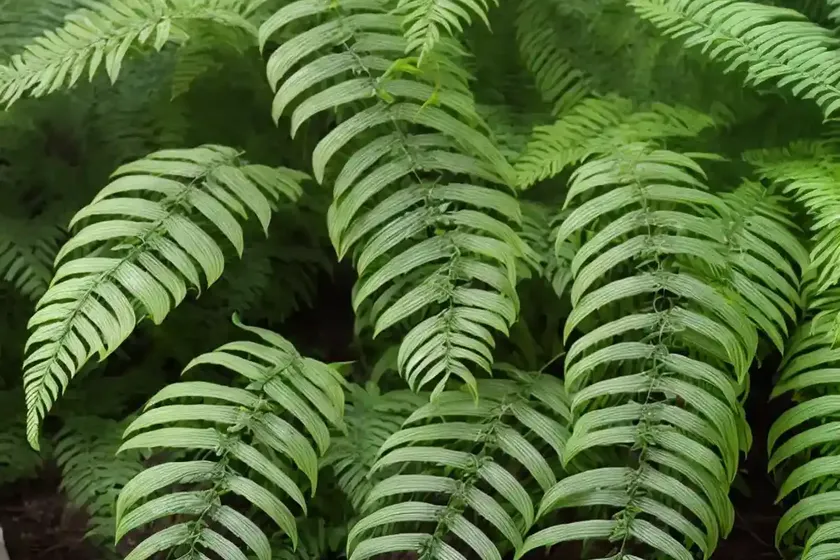
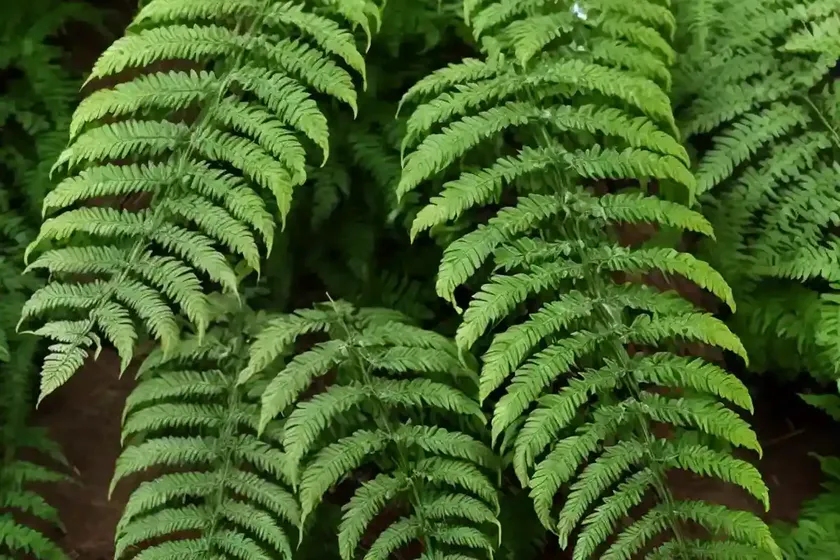
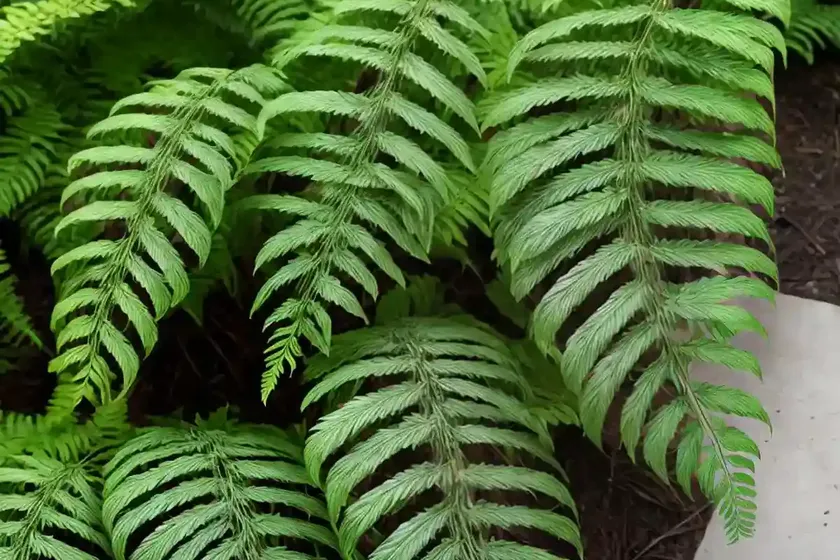
The Crinkle Leaf Sword Fern, Nephrolepis exaltata, is a perennial evergreen fern belonging to the Nephrolepidaceae family. This species is native to tropical regions, including Florida, Central and South America, Africa, and Asia. With its gracefully arching fronds and delicate, crinkled leaves, it is a popular choice for indoor and outdoor ornamental plantings. This fern is celebrated for its air-purifying properties, making it an excellent addition to indoor spaces.
Key Takeaways – Crinkle Leaf Sword Fern (Nephrolepis exaltata)
Before we delve into the specific aspects of caring for the Crinkle Leaf Sword Fern, let’s set the stage by highlighting the key takeaways of this fascinating plant:
- Common Names: Sword fern, Nephrolepis exaltata, Crinkle-leaf fern
- Cultural Uses: Indoor and outdoor ornamental plantings, air purification
- Water: Moderate watering, high humidity
- Sunlight: Indirect sunlight, shade-tolerant
- Fertilizer: Balanced liquid fertilizer every 4-6 weeks during the growing season
- Soil: Well-draining, rich in organic matter
- Pruning: Regular removal of old or damaged fronds
- Propagation: Division of the plant or spore propagation
- Container Popularity: Well-suited for hanging baskets and decorative pots
- Common Diseases: Rhizoctonia root rot, leaf spot diseases
- Common Pests: Mealybugs, scale insects
In the subsequent sections, we will explore each of these aspects in detail to provide comprehensive insights into the care and cultivation of the Crinkle Leaf Sword Fern.
Culture
The culture of the Crinkle Leaf Sword Fern encompasses its environmental preferences, including water, sunlight, fertilizer, soil, and pruning practices. By understanding the plant’s cultural needs, we can create an optimal growing environment and ensure the fern’s health and vitality.
Water
Watering is a critical aspect of caring for the Crinkle Leaf Sword Fern. Maintaining moderate soil moisture and high humidity levels are essential for the plant’s well-being. Here are some key considerations for watering the Crinkle Leaf Sword Fern:
- Even Moisture: The fern thrives in consistently moist but not waterlogged soil. Ensure that the soil remains evenly moist by watering whenever the top inch of the soil dries out.
- High Humidity: Crinkle Leaf Sword Ferns benefit from high humidity levels. Regular misting or placing a humidity tray filled with water and pebbles beneath the pot can help create a conducive environment.
Sunlight
When it comes to sunlight requirements, the Crinkle Leaf Sword Fern exhibits a preference for indirect light and shade. Understanding its sunlight needs is crucial for ensuring the fern’s healthy growth:
- Indirect Light: Position the fern in a location that receives filtered or indirect sunlight. Avoid exposing it to direct sun, as this can lead to leaf scorching and discoloration.
- Shade-tolerant: The Crinkle Leaf Sword Fern is well-suited for shady or partially shaded areas, making it an excellent choice for indoor settings and shaded outdoor gardens.
Fertilizer
Fertilization plays a vital role in promoting the growth and overall health of the Crinkle Leaf Sword Fern. Providing appropriate nutrients can enhance its vibrancy and foliage quality. Here are key points to consider when fertilizing this fern:
- Balanced Fertilizer: Use a balanced, water-soluble fertilizer with an N-P-K ratio of 20-20-20 or 10-10-10. Apply the fertilizer at half strength every 4-6 weeks during the growing season, typically from spring to early fall.
- Consideration for Potting Mix: If the fern is grown in a potting mix with slow-release fertilizer, adjust the fertilization schedule accordingly to prevent over-fertilization.
Soil
The choice of soil is crucial for the optimal growth and vitality of the Crinkle Leaf Sword Fern. Providing a well-draining and nutrient-rich soil medium is essential for the plant’s root health. Here are important soil considerations for this fern:
- Well-draining Mix: Use a well-draining potting mix that retains moisture without becoming waterlogged. A mixture of peat moss, perlite, and pine bark is suitable for Crinkle Leaf Sword Ferns.
- Rich in Organic Matter: Incorporate organic matter such as compost or leaf mold to enhance the soil’s fertility and structure. This provides essential nutrients and promotes root development.
Pruning
Regular pruning is beneficial for maintaining the Crinkle Leaf Sword Fern’s appearance and health. Removing old or damaged fronds allows the plant to allocate resources towards new growth. Here are the key aspects to consider when pruning this fern:
- Pruning Frequency: Check the fern regularly for old, yellowing, or damaged fronds and trim them close to the base using sanitized pruning shears.
- Aesthetic Enhancement: Pruning helps to maintain the fern’s attractive appearance, particularly in indoor settings and landscaped areas.
Propagation
The propagation of the Crinkle Leaf Sword Fern enables gardeners to expand their fern collection or share these beautiful plants with others. Understanding the propagation methods provides opportunities to propagate new plants from existing ones. Here are the primary propagation techniques for this fern:
Division
Division is a common and effective method for propagating the Crinkle Leaf Sword Fern. This technique involves separating the plant into smaller sections, each with its own roots and foliage. Here’s how to propagate the fern through division:
- Select Healthy Specimen: Choose a mature, healthy fern with multiple crowns and vigorous growth for division.
- Gentle Separation: Carefully lift the plant from its pot or the ground and gently separate the individual crowns, ensuring that each has a sufficient root system.
- Planting Separated Crowns: Plant the separated sections in individual pots or suitable locations in the garden, ensuring adequate watering and care for establishment.
Spore Propagation
Spore propagation is another fascinating method of propagating the Crinkle Leaf Sword Fern. This technique involves collecting and sowing spores to grow new ferns. Here’s an overview of the spore propagation process:
- Spore Collection: Look for mature, ripe sori (clusters of spore cases) on the underside of the fern fronds. Use a paper bag to collect the spores as they ripen and release.
- Sowing Spores: Sow the collected spores on a suitable germination medium, such as a mixture of sphagnum moss and perlite, in a shallow tray or pot.
- Humidity and Care: Place the tray in a warm and humid environment, maintaining consistent moisture levels. As the spores germinate and develop into young ferns, transplant them to individual pots or garden locations.
Container Popularity
The Crinkle Leaf Sword Fern’s graceful growth habit and ornamental foliage make it well-suited for container cultivation. Whether placed in decorative pots indoors or hanging baskets on outdoor verandas, the fern adds a touch of green elegance to various settings. Here are some popular container options for growing this fern:
Decorative Pots
Placing the Crinkle Leaf Sword Fern in decorative pots enhances the visual appeal of indoor spaces such as living rooms, offices, or lobbies. When selecting decorative pots, consider the following factors:
- Size: Choose a pot that accommodates the fern’s current size while allowing room for growth.
- Drainage: Ensure that the pot has drainage holes to prevent waterlogging and promote root health.
- Aesthetics: Select pots that complement the fern’s foliage and overall aesthetic, adding a decorative element to the environment.
Hanging Baskets
Hanging baskets offer an excellent way to display the Crinkle Leaf Sword Fern in outdoor settings, such as verandas, balconies, or garden trellises. When using hanging baskets, consider the following aspects:
- Suspension Mechanism: Ensure that the hanging basket is securely suspended from strong hooks or hangers, providing stability and support.
- Watering Considerations: Adjust the watering frequency to account for the increased evaporation in hanging baskets, maintaining optimal soil moisture for the fern.
Popularity
The Crinkle Leaf Sword Fern has garnered popularity among plant enthusiasts and landscapers due to its charming appearance and relatively low-maintenance requirements. Whether grown as an indoor houseplant or incorporated into outdoor landscaping, this fern offers numerous benefits and aesthetic appeal. Here are some reasons behind the fern’s popularity:
- Aesthetic Appeal: The gracefully arching fronds and crinkled foliage add a touch of elegance and greenery to various settings.
- Air-Purifying Properties: Crinkle Leaf Sword Ferns contribute to indoor air purification by filtering out pollutants and enhancing air quality.
- Versatile Use: The fern’s adaptability to indoor and outdoor environments makes it a versatile choice for different gardening preferences.
Common Diseases and Disease Diagnosis
The Crinkle Leaf Sword Fern, like other plants, is susceptible to certain diseases that can impact its growth and vigor. Being able to recognize common diseases and promptly diagnose them is crucial for implementing effective control measures and maintaining the fern’s health. Here are some common diseases of the Crinkle Leaf Sword Fern and their diagnostic symptoms:
Rhizoctonia Root Rot
Rhizoctonia root rot is a fungal disease that affects the roots of the fern, leading to root decay and impaired water and nutrient uptake. The following symptoms indicate the presence of rhizoctonia root rot:
- Yellowing Fronds: The fern’s fronds may exhibit yellowing, wilting, or drooping, signaling root damage and reduced nutrient absorption.
- Stunted Growth: Infected ferns may display stunted growth due to compromised root systems, leading to overall weakness and diminished vitality.
Leaf Spot Diseases
Various fungal pathogens can cause leaf spot diseases on the Crinkle Leaf Sword Fern, resulting in unsightly blemishes on the foliage. Recognizing the symptoms of leaf spot diseases is essential for accurate diagnosis and treatment. Here are key indicators of leaf spot diseases:
- Circular Spots: Circular or irregular dark spots may appear on the fern’s fronds, often accompanied by a yellow or brown halo around the lesions.
- Fungal Growth: In advanced stages, fungal growth may be visible within the spots, further confirming the presence of a leaf spot disease.
Common Pests
In addition to diseases, the Crinkle Leaf Sword Fern is vulnerable to certain pests that can compromise its health and aesthetics. Identifying common pests and understanding their impact on the fern’s well-being is crucial for implementing appropriate pest management strategies. Here are some common pests that affect the Crinkle Leaf Sword Fern:
Mealybugs
Mealybugs are small, soft-bodied insects that infest the foliage of the fern, feeding on the plant sap and secreting honeydew. Identifying the presence of mealybugs is important for taking timely control measures. Here are signs of mealybug infestation:
- White Cottony Residue: Mealybugs often leave a white, cottony residue on the fern’s fronds, particularly in areas where they feed.
- Stunted Growth: Severe mealybug infestations can lead to stunted growth, wilting, and yellowing of the fern’s foliage due to nutrient loss.
Scale Insects
Scale insects are another common pest that can affect the Crinkle Leaf Sword Fern. These pests attach to the fronds and feed on the plant’s sap, potentially causing damage and weakening the fern. Recognizing scale insect presence is essential for managing infestations. Here are indications of scale insect infestation:
- Shell-like Covers: Scale insects often form shell-like covers on the fronds, appearing as raised, waxy bumps that adhere to the plant surface.
- Sooty Mold: The presence of black sooty mold on the fern’s foliage, resulting from honeydew secretion by scale insects, indicates their infestation.
Botanist’s Tips
As a plant scientist with a deep appreciation for the Crinkle Leaf Sword Fern, I am pleased to share some valuable tips for cultivating and caring for this exquisite plant. These botanist’s tips provide insights and recommendations to enhance the success of growing the Crinkle Leaf Sword Fern.
- Humidity Enhancement: To maintain high humidity levels, consider placing a small humidifier near indoor ferns or grouping them together to create a microclimate with increased moisture.
- Regular Inspection: Routinely inspect the fern for signs of pest infestations, diseases, and any cultural issues, taking proactive measures to address any concerns promptly.
- Adjusting Light Levels: If grown indoors, adjust the fern’s positioning to provide the optimal balance of indirect sunlight and shade, ensuring that the plant receives adequate light without being exposed to direct sun.
Fun Facts
Exploring the world of the Crinkle Leaf Sword Fern unveils an array of fascinating and delightful facts that showcase the unique qualities and attributes of this captivating plant. Here are some fun facts about the Crinkle Leaf Sword Fern to enrich your understanding and appreciation:
- Prehistoric Roots: Nephrolepis exaltata has ancient origins, with fossil records indicating its presence dating back to prehistoric times, showcasing the fern’s enduring resilience.
- Medicinal Uses: In traditional medicine, the Crinkle Leaf Sword Fern has been used for various medicinal purposes, including as a treatment for respiratory ailments and skin conditions in certain cultures.
- Versatile Landscape Use: Beyond its role as a houseplant, the Crinkle Leaf Sword Fern is an excellent choice for outdoor landscaping, adding lush greenery and textural interest to shaded gardens.
Links to External Resources
To further enrich your knowledge and exploration of the Crinkle Leaf Sword Fern, I recommend exploring the following external resources that provide valuable insights and information about this fascinating plant:
- Royal Horticultural Society – Ferns: Planting and Care
- University of Florida IFAS Extension – Sword Fern, Nephrolepis exaltata
- American Fern Society – Fern FAQs
- The Spruce – Nephrolepis exaltata Maintenance and Care
In conclusion, the Crinkle Leaf Sword Fern, Nephrolepis exaltata, is a captivating and rewarding plant to grow, whether as an indoor ornament or a shaded garden addition. By understanding its cultural requirements, propagation techniques, common diseases, and unique attributes, you can embark on an enriching journey of nurturing and appreciating this remarkable fern.
Remember to embrace the elegance of its crinkle-fronds and the air-purifying benefits that it offers, enhancing your living spaces with a touch of nature’s beauty.
With a deep love for ferns and a keen interest in their cultivation, I have poured my expertise and passion into crafting this comprehensive guide on the Crinkle Leaf Sword Fern. From its cultural preferences to propagation methods and fascinating fun facts, this guide aims to inspire and equip plant enthusiasts with the knowledge and enthusiasm for embracing the beauty of Nephrolepis exaltata.


