Cosmos Bipinnatus Sonata Series)
Cosmos bipinnatus, commonly known as Cosmos, is a beautiful flowering plant that belongs to the Asteraceae family. The Sonata Series of Cosmos bipinnatus.
Introduction
Cosmos bipinnatus, commonly known as Cosmos, is a beautiful flowering plant that belongs to the Asteraceae family. The Sonata Series of Cosmos bipinnatus is particularly popular among gardeners and horticulturists due to its stunning variety of colors and its ability to attract an array of pollinators to the garden. In this comprehensive guide, we will delve into the specific details of growing and caring for the Cosmos bipinnatus Sonata Series, including its cultural requirements, uses, maintenance, and more.
What is Cosmos bipinnatus Sonata Series?
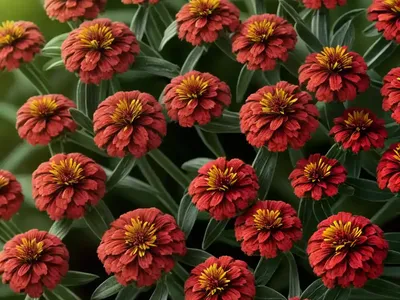
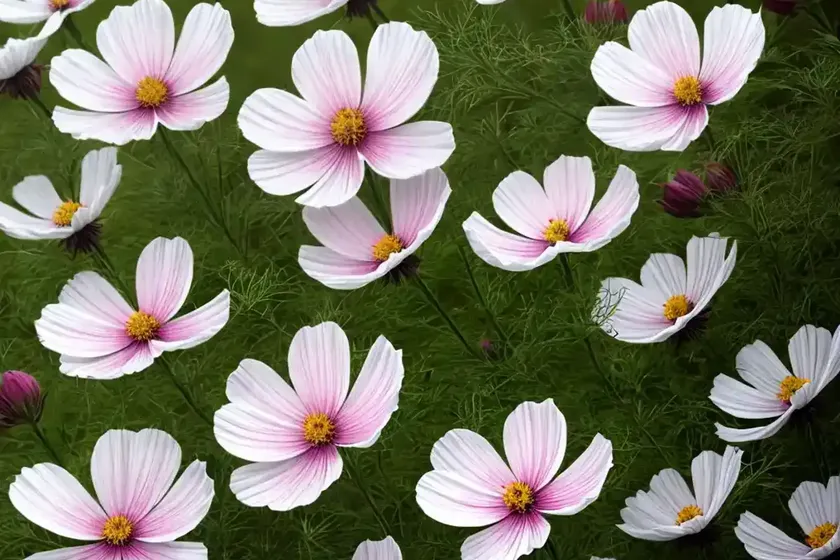
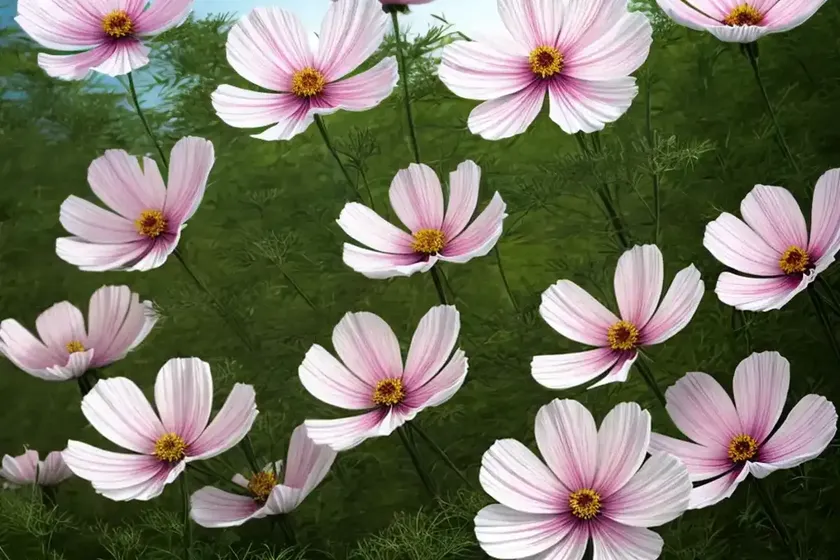
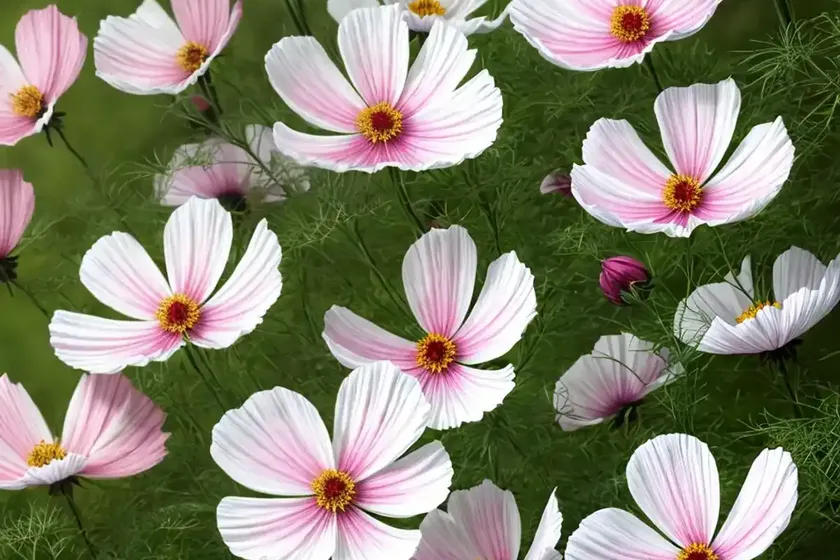
The Cosmos bipinnatus Sonata Series is a specific variety of the Cosmos bipinnatus species, known for its compact habit and exceptional flowering performance. This series is characterized by its vibrant and abundant flowers, making it a favored choice for garden borders, container gardening, and cut flower arrangements. The Sonata Series boasts a variety of colors, ranging from the classic white and pink to the rich and bold shades of carmine and velvety crimson. These characteristics make it a versatile and attractive addition to any garden or outdoor space.
Key Takeaways
Here are the key takeaways about the Cosmos bipinnatus Sonata Series:
- Varieties: The Sonata Series comprises a range of colorful varieties, offering a choice of white, pink, carmine, and crimson flowers.
- Growing Conditions: These plants thrive in well-drained soil, full sunlight, and moderate watering.
- Uses: Perfect for garden borders, cut flower arrangements, and container gardening.
- Maintenance: Requires minimal pruning and deadheading for continuous flowering.
- Attractiveness: Known for its ability to attract butterflies, hummingbirds, and other pollinators.
Now, let’s dive deeper into the specific cultural requirements, uses, maintenance, and care tips for the Cosmos bipinnatus Sonata Series.
Cultural Requirements
Water
Proper watering is essential for the healthy growth and prolific flowering of the Cosmos bipinnatus Sonata Series. These plants prefer moderately moist soil, and it is important to ensure that they do not experience prolonged periods of drought. However, overwatering should be avoided as well, as it may lead to root rot and other issues.
It is advisable to water the plants deeply but infrequently, allowing the soil to dry out slightly between watering sessions. This encourages the development of a robust root system while preventing waterlogged conditions. During particularly hot and dry periods, the plants may require more frequent watering to maintain optimal moisture levels.
Sunlight
The Sonata Series Cosmos thrives in full sunlight, requiring at least 6-8 hours of direct sun exposure each day for robust growth and profuse flowering. Inadequate sunlight may lead to leggy growth and reduced flowering, so it is important to position the plants in a location where they can receive ample sunlight throughout the day.
Fertilizer
These plants are not heavy feeders, and excessive fertilization can lead to excessive foliage growth at the expense of flowering. A balanced, all-purpose fertilizer or a fertilizer with a higher phosphorus content can be applied at the beginning of the growing season to promote blooming. It is important to follow the recommended application rates and not to over-fertilize, especially if the soil is already nutrient-rich.
Soil
The Cosmos bipinnatus Sonata Series prefers well-drained soil with a slightly acidic to neutral pH range (6.0-7.0). Sandy or loamy soil types are ideal, as they allow for proper drainage and prevent waterlogging, which can be detrimental to the plants. Amending the soil with organic matter, such as compost, can improve its overall texture and fertility, providing a favorable growing medium for the Sonata Series Cosmos.
Maintenance
Pruning
The Sonata Series Cosmos typically requires minimal pruning, as deadheading spent flowers is often sufficient to encourage continuous blooming. This involves removing faded flowers to prevent the plants from setting seeds, thereby redirecting their energy into producing more blooms. Deadheading also contributes to a neat and tidy appearance, prolonging the overall flowering period of the plants.
Propagation
These plants can be easily propagated from seeds, which can be collected from mature flower heads at the end of the growing season. Additionally, they can be propagated through division, particularly for established clumps that may benefit from rejuvenation. This involves carefully dividing the root ball and replanting the divided sections to create new plants.
Container Gardening
The compact habit and vibrant blooms of the Sonata Series make it an excellent choice for container gardening. When growing Cosmos bipinnatus Sonata Series in containers, it is crucial to use well-draining potting mix and to provide adequate water and sunlight. The containers should also have sufficient drainage holes to prevent waterlogging, and the plants may require more frequent watering compared to those grown in the ground.
Popularity
The Sonata Series Cosmos is highly popular among gardeners and landscapers due to its striking colors, ease of cultivation, and low maintenance requirements. Its versatility in various settings, including garden borders, containers, and floral arrangements, has contributed to its widespread appeal.
Common Diseases
Disease Diagnosis
While the Sonata Series Cosmos is generally resistant to most diseases, certain environmental conditions or cultural practices may predispose them to issues such as powdery mildew or leaf spot. It is important to monitor the plants regularly for any signs of disease, including unusual spotting, discoloration, or wilting. Proper diagnosis is crucial for implementing timely and effective control measures, should any disease symptoms arise.
Common Pests
Pest Problems
The Cosmos bipinnatus Sonata Series may encounter occasional pest issues, including aphids, spider mites, and caterpillars. These pests can cause damage to the foliage and flowers, compromising the overall health and appearance of the plants. Regular inspection and early pest detection are essential for preventing infestations and minimizing the impact of pest damage on the Sonata Series Cosmos.
Botanist’s Tips
Tips for Success
- Mulching: Applying a layer of organic mulch around the base of the plants helps to conserve soil moisture, regulate temperature, and suppress weed growth.
- Companion Planting: Pairing Sonata Series Cosmos with companion plants that share similar cultural requirements can enhance the overall aesthetic and ecological value of the garden.
- Supporting Pollinators: By planting Sonata Series Cosmos, gardeners can actively support pollinators, such as butterflies and hummingbirds, and contribute to the biodiversity of their local ecosystem.
Fun Facts
- The genus name “Cosmos” is derived from the Greek word for “harmony” or “ordered universe,” reflecting the balanced and symmetrical nature of the plant’s flowers.
- Sonata Series Cosmos are known for their prolific and long-lasting blooms, making them an excellent choice for creating stunning cut flower arrangements.
- These plants have a delightful fragrance and are often sought after for their aromatic qualities in garden spaces.
Links to External Resources
For further information about the Cosmos bipinnatus Sonata Series and related topics, you may find the following resources helpful:
- Growing Cosmos: A How-To Guide
- Container Gardening Tips
- Companion Planting Chart
- Attracting Beneficial Insects
- Common Plant Diseases and How to Treat Them
- Pest Control Strategies for Gardens
I hope this guide provides valuable insights into the world of Cosmos bipinnatus Sonata Series and inspires you to explore the possibilities of integrating these vibrant and charming plants into your gardening endeavors. Whether you are a seasoned gardener or a newcomer to horticulture, the Sonata Series Cosmos has much to offer in terms of beauty, biodiversity, and enjoyment. Happy gardening!