Cosmos Bipinnatus ‘Xsenia’)
As a plant scientist and enthusiast, I find great joy in exploring the diversity of flora that graces our planet. Among the myriad of plant species, Cosmos.


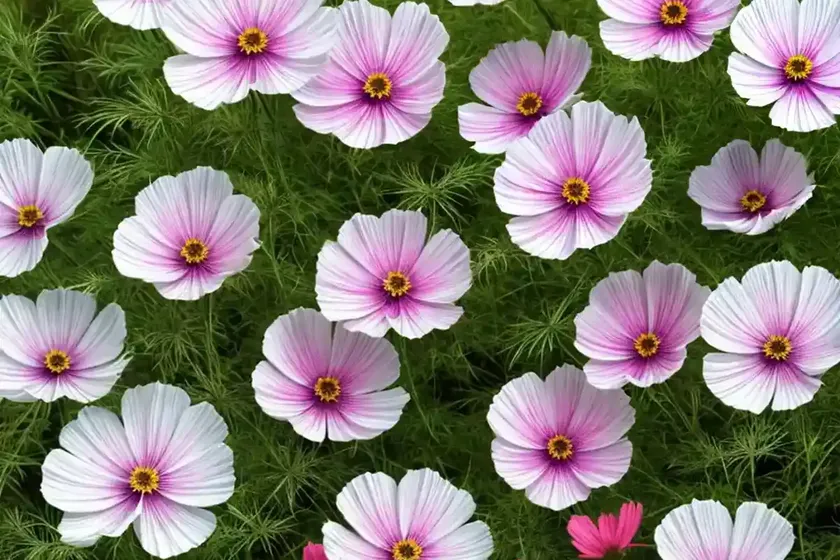
As a plant scientist and enthusiast, I find great joy in exploring the diversity of flora that graces our planet. Among the myriad of plant species, Cosmos bipinnatus ‘Xsenia’ stands out as a captivating and versatile addition to any garden or landscape. In this comprehensive guide, we will delve into the beauty of Cosmos bipinnatus ‘Xsenia’ and explore its cultivation, care, and the myriad of benefits it offers.
Introduction to Cosmos bipinnatus ‘Xsenia’
Cosmos bipinnatus, commonly known as the Cosmos flower, is a species of flowering plant in the sunflower family (Asteraceae). Originating from Mexico, this annual plant has found its way into gardens and landscapes around the world due to its stunning blooms and easy-to-grow nature. Among its many varieties, Xsenia stands out for its vibrant colors, making it a popular choice among gardeners and landscaping enthusiasts.
Key Takeaways
With its vibrant blooms and easy cultivation, Cosmos bipinnatus ‘Xsenia’ offers a range of benefits and is a versatile addition to any garden or landscape. Some key takeaways include:
– Vibrant and colorful blooms
– Easy-to-grow and low-maintenance
– Attracts pollinators such as bees and butterflies
– Well-suited for container gardening
– Drought-tolerant and suitable for xeriscaping
– Possesses ornamental and potential medicinal value
Now, let’s dive deeper into the various aspects of cultivating, caring for, and enjoying the beauty of Cosmos bipinnatus ‘Xsenia’.
Cultivation of Cosmos bipinnatus ‘Xsenia’
Water
Cosmos bipinnatus ‘Xsenia’ is a relatively drought-tolerant plant, making it well-suited for dry and arid conditions. However, for optimal growth and blooming, it is essential to provide consistent moisture, especially during the initial stages of growth and establishment. The plant generally thrives in well-draining soil, and excessive water accumulation should be avoided to prevent root rot and other water-related issues.
Sunlight
One of the defining characteristics of Cosmos bipinnatus ‘Xsenia’ is its preference for full sunlight. This plant thrives in bright, sunny conditions, making it an ideal choice for gardens and landscapes with ample sunlight exposure. Adequate sunlight not only promotes vigorous growth but also contributes to prolific blooming, showcasing the plant’s vibrant colors and delicate beauty.
Fertilizer
Cosmos bipinnatus ‘Xsenia’ generally does well in average to poor soil conditions, and excessive fertilization is not necessary for its cultivation. However, a balanced, all-purpose fertilizer can be applied during the growing season to provide essential nutrients and support healthy growth. It is important to follow recommended application rates and avoid over-fertilization, which can lead to excessive foliage growth at the expense of flower production.
Soil
When it comes to soil preferences, Cosmos bipinnatus ‘Xsenia’ thrives in well-draining, moderately fertile soil. It can tolerate a range of soil types, including sandy, loamy, or clay soils, as long as they provide good drainage. Amending the soil with organic matter such as compost can enhance its texture and fertility, providing an optimal growing medium for the plant.
Pruning
Pruning Cosmos bipinnatus ‘Xsenia’ is generally minimal, thanks to its naturally bushy and compact growth habit. However, deadheading spent blooms can promote continuous flowering and improve the overall appearance of the plant. Removing faded flowers also prevents the development of seeds, directing the plant’s energy towards producing more blooms.
Propagation of Cosmos bipinnatus ‘Xsenia’
Cosmos bipinnatus ‘Xsenia’ can be propagated through several methods, including seeds, division, and cuttings. The most common and straightforward approach is through seeds, which can be sown directly into the garden soil or started indoors before the last spring frost. These seeds typically germinate within 7-10 days under optimal conditions, and the resulting seedlings can be transplanted into their final growing positions.
Container Popularity
Due to its compact growth habit and vibrant blooms, Cosmos bipinnatus ‘Xsenia’ is highly suitable for container gardening. Whether grown in individual pots or combined with other complementary plants, this species adds a pop of color and visual interest to outdoor spaces, balconies, and patios. Container-grown Cosmos bipinnatus ‘Xsenia’ offers the added benefit of mobility, enabling gardeners to position the plants to maximize sunlight exposure and aesthetic appeal.
Common Diseases and Pests
Disease Diagnosis
Cosmos bipinnatus ‘Xsenia’ is generally resilient to most diseases, particularly when grown in favorable conditions with proper air circulation and soil drainage. However, it can be susceptible to issues such as powdery mildew, which manifests as a white powdery coating on the foliage. Adequate spacing between plants, avoiding overhead watering, and maintaining good air circulation can help prevent the onset of such fungal diseases.
Common Pests
In terms of pests, Cosmos bipinnatus ‘Xsenia’ may attract aphids, thrips, and caterpillars, particularly during periods of active growth and flowering. Regular monitoring of the plant’s foliage and the use of targeted treatments such as insecticidal soaps or neem oil can help control pest infestations without harming beneficial insects such as bees and butterflies.
Botanist’s Tips for Growing Cosmos bipinnatus ‘Xsenia’
-
Enhance Pollinator Garden: Cosmos bipinnatus ‘Xsenia’ is a valuable addition to pollinator gardens, attracting bees, butterflies, and other beneficial insects with its nectar-rich blooms. Interplanting with other pollinator-friendly species can create a vibrant and biodiverse garden that supports local wildlife and contributes to ecosystem health.
-
Succession Planting: To extend the blooming period and ensure continuous color in the garden, consider planting Cosmos bipinnatus ‘Xsenia’ in successive waves, staggering the seeding or planting dates to achieve a prolonged and abundant display of flowers throughout the growing season.
-
Companion Planting: Pairing Cosmos bipinnatus ‘Xsenia’ with companion plants such as coreopsis, zinnias, and ageratum can create visually striking combinations and enhance the overall visual appeal of the garden. Consider complementary color schemes and varying plant heights to create a captivating and harmonious landscape design.
Fun Facts about Cosmos bipinnatus ‘Xsenia’
- The genus name “Cosmos” is derived from the Greek word for “harmony” or “ordered universe,” reflecting the plant’s balanced and harmonious appearance in the garden.
- Cosmos bipinnatus ‘Xsenia’ flowers are versatile and long-lasting, making them a popular choice for cut flower arrangements and floral displays.
- In addition to its ornamental value, some cultures have traditionally used Cosmos flowers for their potential medicinal properties, including remedies for digestive issues and skin ailments.
Links to External Resources
To further expand your knowledge and appreciation for Cosmos bipinnatus ‘Xsenia’ and its horticultural significance, consider exploring the following resources and references:
- Royal Horticultural Society – Cosmos Growing Guide
- University of Florida IFAS Extension – Cosmos bipinnatus Factsheet
- Missouri Botanical Garden – Plant Finder: Cosmos bipinnatus
- North Carolina State University Extension – Growing Annual Flowers
In conclusion, Cosmos bipinnatus ‘Xsenia’ represents a delightful and versatile plant species that embodies the beauty of nature and contributes to the ecological tapestry of gardens and landscapes. By understanding its cultivation, care, and ecological value, we can fully appreciate the allure and benefits of this stunning flower. Whether grown for its vibrant blooms, role in pollinator conservation, or ornamental appeal, Cosmos bipinnatus ‘Xsenia’ continues to captivate and inspire both seasoned gardeners and newcomers to the world of horticulture.