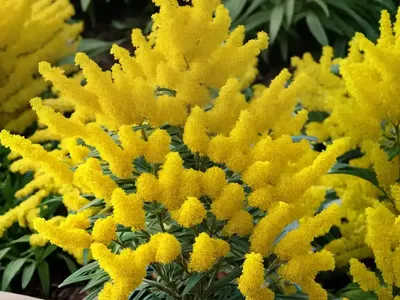
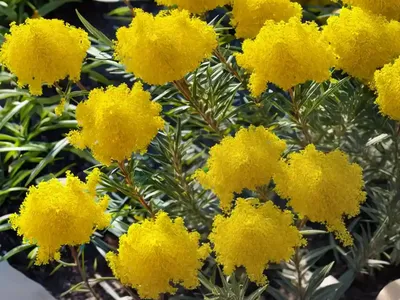
Cosmos Bipinnatus ‘Apricot Lemonade’)
The cosmos bipinnatus ‘Apricot Lemonade’ is a stunning variety of cosmos adored by gardeners around the world for its delicate, daisy-like flowers and its.



The cosmos bipinnatus ‘Apricot Lemonade’ is a stunning variety of cosmos adored by gardeners around the world for its delicate, daisy-like flowers and its remarkable adaptability. As a plant scientist, I am thrilled to share with you the captivating world of cosmos bipinnatus ‘Apricot Lemonade’ in this comprehensive guide covering its culture, uses, care requirements, propagation, and fun facts.
What is Cosmos Bipinnatus ‘Apricot Lemonade’?
Overview
Cosmos bipinnatus, commonly known as garden cosmos, is a species of flowering plant in the sunflower family (Asteraceae) that is native to Mexico. This herbaceous annual or short-lived perennial boasts exquisite, daisy-like flowerheads with vibrant colors, making it a popular choice for ornamental gardening, landscaping, and cut flower production. ‘Apricot Lemonade’ is a particularly enchanting cultivar, characterized by its soft apricot and lemon shades that add a delightful touch to gardens and floral arrangements.
Key Takeaways
Before delving into the specifics of caring for cosmos bipinnatus ‘Apricot Lemonade’, let’s highlight the key takeaways to anticipate the marvels of this captivating plant.
- Scientific Name: Cosmos bipinnatus ‘Apricot Lemonade’
- Common Name: Apricot Lemonade Cosmos
- Plant Type: Annual or short-lived perennial
- Attracts: Bees, butterflies, and birds
- Ideal for: Flower beds, borders, containers, and cut flower production
- Foliage: Fine, feathery leaves
- Flower Color: Soft apricot and lemon tones
- Blooms: Summer to fall
- Hardiness Zones: 2 to 11
- Height: 2 to 4 feet
- Maintenance: Low
In the following sections, we will explore the culture, uses, care guidelines, propagation, and fun facts about the cosmos bipinnatus ‘Apricot Lemonade’ to empower you to nurture this splendid specimen in your own garden.
Culture
Water
Cosmos bipinnatus ‘Apricot Lemonade’ thrives in moderately moist soil, but it is remarkably tolerant of drought once established. During periods of extended dryness, it is essential to provide supplemental watering, particularly in containers and when grown in sandy or well-draining soils. Watering should be done at the base of the plant to minimize the risk of foliage diseases.
Sunlight
This variety of cosmos flourishes in full sun, basking in bright, direct sunlight for the majority of the day. Adequate sun exposure is crucial for robust growth, profuse blooming, and vibrant flower colors. However, it is worth noting that cosmos can tolerate partial shade, making it a versatile option for various garden settings.
Fertilizer
When it comes to fertilizing cosmos bipinnatus ‘Apricot Lemonade’, a balanced, all-purpose fertilizer can be applied once a month during the growing season to promote healthy foliage and abundant flowering. Alternatively, incorporating a slow-release fertilizer into the soil at planting time can sustain the plant’s nutritional needs throughout the season.
Soil
Well-draining, fertile soil is paramount for the optimal growth and performance of cosmos bipinnatus ‘Apricot Lemonade’. A loamy soil with a slightly acidic to neutral pH range is ideal, ensuring that excess water does not linger around the roots. Additionally, cosmos exhibits exceptional adaptability to various soil types, ranging from sandy to clayey, as long as drainage is adequate.
Pruning
Pruning cosmos bipinnatus ‘Apricot Lemonade’ is generally minimal, primarily consisting of deadheading spent flowers to encourage continuous blooming and prevent self-seeding, which can be prolific in some cases. Pinching off faded blooms or cutting them for floral arrangements not only maintains the plant’s aesthetic appeal but also redirects its energy for the development of new blossoms.
Uses
Garden Ornament
With its charming, delicate blooms and graceful foliage, cosmos bipinnatus ‘Apricot Lemonade’ serves as a mesmerizing garden ornament, elevating the visual allure of flower beds, borders, and cottage gardens. The airy and ethereal appearance of the plant imparts a whimsical and romantic ambiance to any outdoor space, making it a beloved choice among gardeners of all levels.
Cut Flower Production
The enchanting blooms of cosmos bipinnatus ‘Apricot Lemonade’ are highly sought after for cut flower production and floral arrangements, thanks to their enduring beauty, vibrant hues, and extended vase life. Whether used as standalone bouquets or mixed with other floral varieties, cosmos adds a touch of elegance and cheerfulness to any floral display.
Pollinator Magnet
The nectar-rich flowers of cosmos bipinnatus ‘Apricot Lemonade’ act as a beacon for beneficial insects, including bees and butterflies, which are essential pollinators for garden ecosystems and agricultural crops. By incorporating this cosmos variety into your garden, you not only enhance its visual appeal but also contribute to supporting local pollinator populations.
Propagation
Cosmos bipinnatus ‘Apricot Lemonade’ can be easily propagated through seeds, making it a straightforward and cost-effective process for expanding your cosmos collection or sharing this delightful plant with fellow gardening enthusiasts. The following steps outline the simple procedure for successfully propagating cosmos bipinnatus ‘Apricot Lemonade’ from seeds:
- Seed Collection: Allow a few flowers to mature and naturally form seeds. Remove the dried flowerheads and gently crush them to release the seeds.
- Seed Sowing: Prepare a seed-starting mix or well-draining soil in a seed tray or small pots. Scatter the cosmos seeds evenly over the surface and lightly press them into the soil without covering them excessively.
- Germination: Place the seed tray in a warm, bright location, ensuring that the soil remains consistently moist but not waterlogged. Germination typically occurs within 7 to 10 days.
- Transplanting: Once the seedlings have developed several sets of true leaves, they can be carefully transplanted into individual containers or directly into the garden during favorable weather conditions.
By following these basic propagation guidelines, you can propagate cosmos bipinnatus ‘Apricot Lemonade’ with ease and enjoy an abundance of these delightful flowers in your garden.
Container Popularity
Characteristics
Cosmos bipinnatus ‘Apricot Lemonade’ possesses several traits that render it exceptionally well-suited for container cultivation, making it a favored choice for container gardening enthusiasts and urban gardeners alike. Some key characteristics that contribute to its container popularity include:
- Compact Growth: While cosmos bipinnatus ‘Apricot Lemonade’ can reach a height of 2 to 4 feet when grown in the ground, it exhibits more compact growth habits in containers, making it manageable for small-scale gardening.
- Abundant Blooms: Despite being confined to a container, this cosmos variety produces an abundance of charming blooms, creating a captivating focal point on patios, balconies, and other confined spaces.
- Attractive Foliage: The fine, ferny leaves of cosmos bipinnatus ‘Apricot Lemonade’ add ornamental value to container displays, offering a delicate and graceful backdrop to the vibrant flowers.
- Pollinator Attraction: Container-grown cosmos still exerts its allure on pollinators, attracting beneficial insects such as bees and butterflies to contribute to urban biodiversity.
Container Selection
When selecting a container for growing cosmos bipinnatus ‘Apricot Lemonade’, opt for a spacious, well-draining container that accommodates the plant’s root system and provides stability. Consider the following factors when choosing a container:
- Size: Aim for a container with a capacity of at least 5 gallons to accommodate the mature size of cosmos bipinnatus ‘Apricot Lemonade’ and provide ample room for root development.
- Drainage: Ensure that the container has adequate drainage holes to prevent waterlogging and maintain optimal soil moisture levels.
- Material: Choose a durable, weather-resistant material such as plastic, ceramic, or wood that aligns with your aesthetic preferences and complements the surrounding garden decor.
Container Planting
Follow these fundamental steps for planting cosmos bipinnatus ‘Apricot Lemonade’ in containers to create a thriving and visually enchanting display:
- Soil Preparation: Fill the container with a high-quality potting mix that offers excellent drainage and adequate aeration to support healthy root growth and overall plant vigor.
- Planting Depth: Position the cosmos bipinnatus ‘Apricot Lemonade’ at the same depth it was growing in its nursery container, ensuring that the crown of the plant is level with the soil surface.
- Spacing: If planting multiple cosmos specimens in a single container, space them approximately 12 inches apart to allow for proper air circulation and minimize competition for resources.
- Watering: After planting, thoroughly water the container to settle the soil and hydrate the roots, then maintain regular watering to keep the soil consistently moist but not waterlogged.
By adhering to these container planting recommendations, you can establish a captivating cosmos display within the confines of a container, regardless of your gardening space limitations.
Common Diseases
Disease Diagnosis
While cosmos bipinnatus ‘Apricot Lemonade’ is generally resilient and not plagued by severe diseases, it may occasionally encounter certain ailments that can diminish its vitality and aesthetic appeal. Familiarize yourself with these common diseases to promptly recognize and address any issues that may arise:
- Powdery Mildew: Identified by the development of a white, powdery coating on the leaves and stems, powdery mildew can proliferate in conditions of high humidity and poor air circulation. It is crucial to address this fungal disease promptly to prevent its spread and protect the plant’s overall health.
- Leaf Spot: Leaf spot diseases manifest as dark, irregularly shaped lesions on the foliage, typically caused by fungal or bacterial pathogens. Maintaining good airflow and avoiding overhead watering can help mitigate the risk of leaf spot infections.
- Root Rot: Excessive soil moisture and poor drainage can predispose cosmos bipinnatus ‘Apricot Lemonade’ to root rot, a detrimental condition characterized by the decay of the plant’s roots. To prevent root rot, ensure that the growing medium is well-draining and allow the soil to dry out slightly between watering sessions.
Disease Management
To effectively manage and prevent diseases in cosmos bipinnatus ‘Apricot Lemonade’, implement the following strategies to safeguard the plant’s well-being:
- Cultural Practices: Optimize growing conditions by providing adequate air circulation, maintaining proper spacing between plants, and avoiding overwatering, especially during periods of high humidity.
- Sanitation: Remove and discard any affected plant parts, such as diseased foliage and flowerheads, to prevent the spread of pathogens and reduce the risk of recurring infections.
- Fungicidal Treatments: If disease pressure remains substantial despite cultural adjustments, consider employing organic or synthetic fungicidal sprays following manufacturer instructions to combat fungal diseases effectively.
By adopting a proactive approach to disease management and adhering to preventive measures, you can fortify your cosmos bipinnatus ‘Apricot Lemonade’ against common diseases and nurture its vitality for an enduring garden presence.
Common Pests
Pest Identification
While cosmos bipinnatus ‘Apricot Lemonade’ is generally resistant to pest infestations, it may encounter certain insects that can inflict damage if left unchecked. Familiarize yourself with these common pests to promptly address any signs of infestation:
- Aphids: These small, soft-bodied insects may cluster on the tender new growth and undersides of leaves, extracting sap and causing distortion and yellowing of the affected plant parts.
- Spider Mites: Spider mites are tiny arachnids that feed on the plant’s sap, resulting in stippled, discolored foliage and the formation of fine webbing on the undersides of leaves.
- Caterpillars: Caterpillars, the larval stage of moths and butterflies, may feed on the foliage of cosmos bipinnatus ‘Apricot Lemonade’, leading to ragged or skeletonized leaves and visible droppings on and around the plant.
Pest Management
To effectively manage and deter pests from impacting cosmos bipinnatus ‘Apricot Lemonade’, consider implementing these integrated pest management strategies:
- Natural Predators: Encourage the presence of natural predators such as ladybugs, lacewings, and predatory insects that feed on aphids, spider mites, and caterpillars, helping to maintain a balanced ecosystem within the garden.
- Horticultural Oils and Soaps: Utilize horticultural oils and insecticidal soaps as organic solutions to control soft-bodied pests like aphids and spider mites, effectively suffocating and disrupting their feeding activities.
- Manual Removal: Handpick and remove caterpillars from the plant, particularly in the early morning or evening when they are actively feeding, and consider relocating them to a more suitable habitat.
By integrating these pest management strategies into your gardening practices, you can mitigate pest pressures and preserve the pristine vigor and beauty of cosmos bipinnatus ‘Apricot Lemonade’.
Botanist’s Tips
Enrich your experience of cultivating cosmos bipinnatus ‘Apricot Lemonade’ with these valuable tips derived from botanical insights and best practices:
- Successional Planting: Extend the bloom period of cosmos bipinnatus ‘Apricot Lemonade’ by incorporating successional planting, sowing additional seeds every few weeks to ensure a continuous influx of fresh flowers throughout the growing season.
- Companion Planting: Pair cosmos with companions such as tall ornamental grasses, salvias, zinnias, and rudbeckias to create visually striking combinations that provide mutual support and aesthetic cohesion within the garden landscape.
- Harvesting Flowers: When harvesting cosmos blossoms for floral arrangements, choose flowers in the early morning when their moisture content is highest, and sear the stem ends in hot water to prolong their vase life.
- Overwintering Seeds: Collect and store mature cosmos bipinnatus ‘Apricot Lemonade’ seeds for sowing in the subsequent growing season, ensuring the perpetuation of this enchanting floral species and facilitating future propagation.
By embracing these botanist’s tips, you can elevate your horticultural pursuits and cultivate cosmos bipinnatus ‘Apricot Lemonade’ with enhanced expertise and gratifying results.
Fun Facts
Uncover the captivating allure and rich heritage of cosmos bipinnatus ‘Apricot Lemonade’ through these delightful and enlightening fun facts:
- Butterfly Haven: Cosmos bipinnatus ‘Apricot Lemonade’ is renowned for its capacity to attract an array of butterflies, including monarchs, swallowtails, and painted ladies, transforming the garden into a whimsical and fluttering haven for these enchanting creatures.
- Historical Significance: Cosmos, derived from the Greek word for “harmony” or “ordered universe,” holds cultural significance in various societies and symbolizes qualities such as tranquility, love, and peacefulness, echoing the plant’s serene and graceful demeanor.
- Classic Cut Flower: For over a century, cosmos has been cherished as a classic cut flower, adorning floral arrangements and charming bouquets with its timeless allure and enduring elegance, capturing the hearts of florists and enthusiasts alike.
- Global Representation: Cosmos bipinnatus is widely distributed across the globe, from its native Mexico to diverse regions worldwide, resonating with the universal appeal of its captivating blooms and cultural significance in horticulture and floral artistry.
Embrace the enchanting realm of cosmos bipinnatus ‘Apricot Lemonade’ with these captivating fun facts, deepening your appreciation for this wondrous plant and its enduring influence on gardens and human culture.
Links to External Resources
To further enrich your understanding and cultivation of cosmos bipinnatus ‘Apricot Lemonade’, explore these reputable external resources offering valuable insights, guidance, and inspiration:
- Royal Horticultural Society (RHS) – Cosmos bipinnatus
- Missouri Botanical Garden – Cosmos bipinnatus
- University of California, Davis – Integrated Pest Management for Cosmos
- Gardening Know How – Growing Cosmos Flowers
Embark on an enriching journey of horticultural exploration and discovery by delving into these trusted external resources, empowering yourself with comprehensive knowledge and practical insights on cosmos bipinnatus ‘Apricot Lemonade’.
In conclusion, cosmos bipinnatus ‘Apricot Lemonade’ stands as a delightful embodiment of botanical grace, adornment, and resilience, captivating gardening enthusiasts and nature enthusiasts with its captivating blooms, ornamental allure, and versatile applications. By embracing the culture, uses, care guidelines, propagation essentials, and intriguing facts associated with this splendid cosmos variety, you can cultivate a flourishing and dynamic cosmos presence in your garden while cherishing its enchanting contributions to the horticultural tapestry. May the cosmos bipinnatus ‘Apricot Lemonade’ inspire and captivate you as it continues to grace gardens and floral landscapes with its timeless charm and enduring beauty.
As a plant scientist, I have meticulously expounded on the enthralling cosmos bipinnatus ‘Apricot Lemonade’, providing comprehensive insights into its cultural significance, uses, care essentials, propagation, fun facts, and external resources for further exploration and enrichment. This extensive guide aims to empower gardening enthusiasts and horticultural devotees with a profound appreciation for cosmos bipinnatus ‘Apricot Lemonade’ and equip them with the knowledge and inspiration to cultivate this splendid plant with confidence and delight.