Cosmos Bipinnatus ‘Antiquity’)
The world of horticulture is a rich tapestry of diversity and beauty, with a plethora of flora adding color, fragrance, and charm to our surroundings..
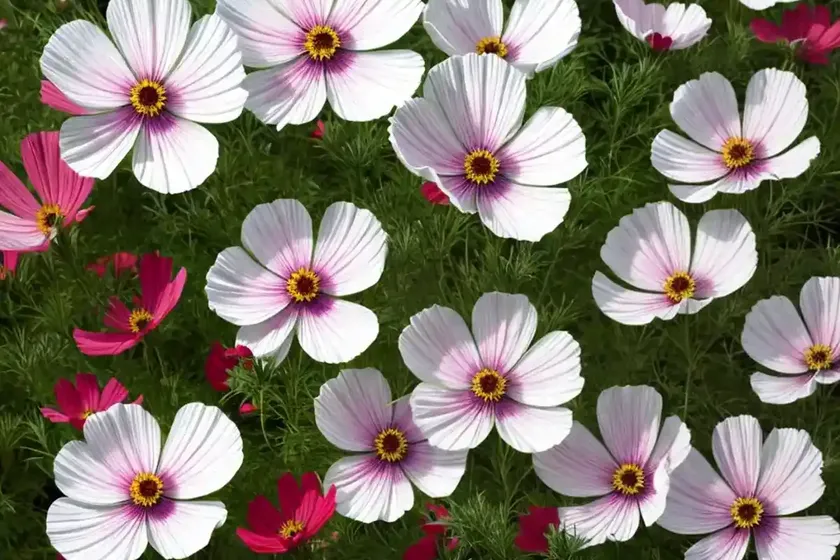
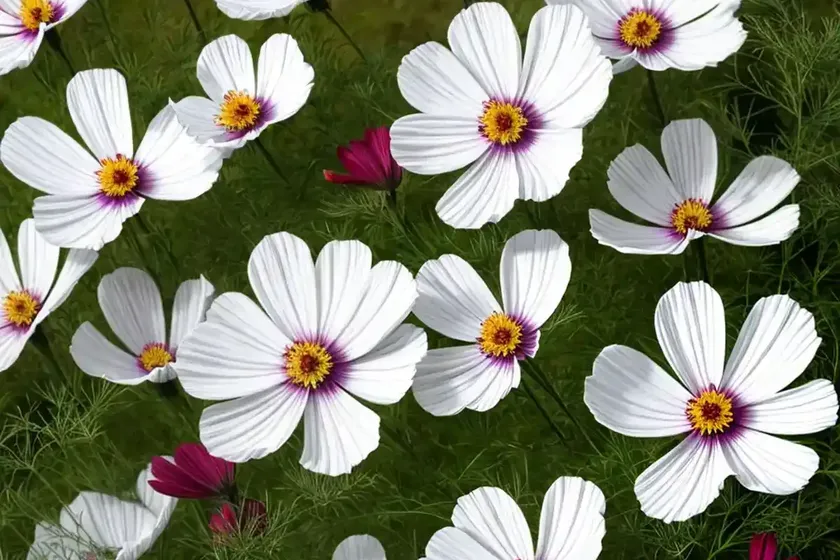
The world of horticulture is a rich tapestry of diversity and beauty, with a plethora of flora adding color, fragrance, and charm to our surroundings. Among the many varieties of plants that grace our gardens, one that stands out for its elegance and versatility is the Cosmos bipinnatus ‘Antiquity’. In this comprehensive guide, we will delve into the enchanting realm of these antique cosmos plants, exploring their cultural significance, uses, care tips, and much more.
What is Cosmos bipinnatus ‘Antiquity’?
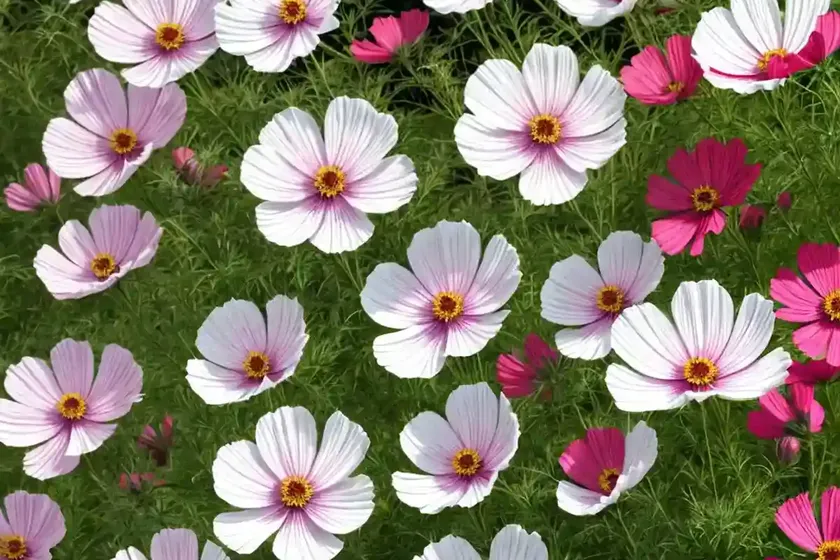
Cosmos bipinnatus ‘Antiquity’ is a captivating annual garden plant known for its exquisite, daisy-like flowers that bloom in a variety of stunning colors, including shades of pink, burgundy, and white. Belonging to the Asteraceae family, this cosmos variety is prized for its delicate foliage and abundant, whimsical blooms. Its botanical name, Cosmos bipinnatus, reflects its bipinnately divided leaves, adding to its ornamental allure. The ‘Antiquity’ cultivar, in particular, is celebrated for its vintage charm, evoking nostalgia and timelessness in garden landscapes.
Key Takeaways
Let’s take a closer look at the key attributes and features of Cosmos bipinnatus ‘Antiquity’:
1. Charming annual garden plant with daisy-like flowers.
2. Available in various hues of pink, burgundy, and white.
3. Belongs to the Asteraceae family.
4. Renowned for its bipinnately divided leaves.
5. ‘Antiquity’ cultivar exudes vintage appeal in garden settings.
Culture
Uses
The versatile nature of Cosmos bipinnatus ‘Antiquity’ lends itself to an array of uses in garden landscapes and beyond. Here are some common applications of this enchanting cosmos plant:
– Ornamental Purposes: The enchanting blooms of ‘Antiquity’ make it a delightful addition to borders, containers, and cutting gardens, providing a touch of old-world charm.
– Pollinator Attraction: The nectar-rich flowers of Cosmos bipinnatus ‘Antiquity’ serve as a magnet for pollinators, including bees, butterflies, and hummingbirds, thereby contributing to the biodiversity of the garden.
– Floral Arrangements: The long, slender stems and beautiful blossoms of ‘Antiquity’ make it a popular choice for creating stunning floral arrangements, adding a rustic elegance to bouquets and centerpieces.
Water
When it comes to watering Cosmos bipinnatus ‘Antiquity’, it is essential to maintain a balanced approach, ensuring adequate moisture without waterlogging the soil. Here are some key points to consider regarding its water requirements:
– Watering Needs: ‘Antiquity’ cosmos plants thrive in moist, well-drained soil. Regular, deep watering is recommended, especially during dry spells, to promote healthy growth and vibrant blooms.
– Avoid Overwatering: While ‘Antiquity’ appreciates consistent moisture, it is crucial to prevent waterlogging, which can lead to root rot and other detrimental conditions.
Sunlight
Cosmos bipinnatus ‘Antiquity’ exhibits a preference for ample sunlight, thriving in bright, sunny conditions that allow its blooms to flourish. Consider the following tips for providing the optimal sunlight exposure for these antique cosmos plants:
– Full Sun: ‘Antiquity’ cosmos plants thrive in full sun, requiring at least 6-8 hours of direct sunlight daily for robust growth and profuse flowering.
– Consider Microclimates: In extremely hot regions, providing some protection from intense midday sun can prevent sunscald and help the plants retain moisture more effectively.
Fertilizer
Fertilization plays a crucial role in nourishing Cosmos bipinnatus ‘Antiquity’, supporting its vigor and floral abundance. Here’s how to navigate the fertilization needs of these vintage cosmos plants:
– Balanced Fertilizer: Use a balanced, water-soluble fertilizer with a formulation such as 10-10-10, applying it every 4-6 weeks during the growing season to supply essential nutrients for healthy development and flowering.
– Avoid Overfertilization: While fertilization is beneficial, excessive use of fertilizer can lead to lush foliage at the expense of flower production. Always follow the manufacturer’s recommendations for application rates and frequency.
Soil
The right soil conditions are paramount for the well-being of Cosmos bipinnatus ‘Antiquity’, providing a supportive growing medium for its roots and overall vitality. Consider the following guidelines for soil management:
– Well-Drained Soil: ‘Antiquity’ cosmos plants thrive in well-drained, loamy soil that offers good aeration and optimal moisture retention without becoming waterlogged.
– Soil Amendments: Incorporating organic matter, such as compost or well-rotted manure, into the soil can enhance its fertility, structure, and water-holding capacity, creating an ideal environment for ‘Antiquity’ to flourish.
Pruning
Pruning is an essential aspect of caring for Cosmos bipinnatus ‘Antiquity’, shaping its growth and optimizing its floral display. Here’s how to approach pruning these antique cosmos plants:
– Deadheading: Regular deadheading of spent flowers promotes continuous blooming and prevents the formation of seeds, redirecting the plant’s energy into producing additional blooms.
– Stem Pruning: To maintain a neat and compact form, consider light pruning of the stems as needed, especially if the plant becomes leggy or unruly.
Propagation
Propagating Cosmos bipinnatus ‘Antiquity’ allows for the expansion of its enchanting presence in the garden, creating new plants from existing ones. Here are methods for propagating these vintage cosmos plants:
– Seed Propagation: ‘Antiquity’ can be propagated from seeds, which are readily collected from mature flowerheads. Sow the seeds directly in the garden soil or start them indoors before the last frost date for earlier blooms.
– Division: Dividing established clumps of ‘Antiquity’ can also be used to propagate the plant, with each division possessing roots and shoots for successful establishment.
Container Popularity
The allure of Cosmos bipinnatus ‘Antiquity’ extends to container gardening, offering a charming and versatile option for adorning patios, balconies, and other outdoor spaces. Consider these insights into the popularity of ‘Antiquity’ in containers:
– Aesthetic Appeal: The elegant blooms and wispy foliage of ‘Antiquity’ make it a delightful addition to container gardens, enhancing the visual appeal with its vintage charm.
– Space-Saving Solution: For gardeners with limited space, growing ‘Antiquity’ in containers provides an opportunity to enjoy its beauty while maximizing the use of available areas.
Common Diseases
While Cosmos bipinnatus ‘Antiquity’ is generally resilient, it can be susceptible to certain diseases that may impact its health and vigor. Understanding and identifying common diseases is crucial for implementing appropriate preventive and management measures. Here are some prevalent diseases that can affect ‘Antiquity’ cosmos plants:
Disease Diagnosis
Powdery Mildew (Erysiphe cichoracearum)
Powdery mildew, characterized by a white, powdery fungal growth on the leaves, stems, and buds, can affect Cosmos bipinnatus ‘Antiquity’ under certain conditions. It thrives in warm, dry environments and can hinder the plant’s overall health and appearance if left unaddressed.
Botrytis Blight (Botrytis cinerea)
Botrytis blight, also known as gray mold, manifests as fuzzy gray spores on flowers, leaves, and stems, often as a result of prolonged periods of high humidity or excess moisture. This fungal disease can cause flower and bud rot, potentially diminishing the ornamental value of ‘Antiquity’ cosmos plants.
Aster Yellows Phytoplasma
Aster yellows is a phytoplasma disease that affects various members of the Asteraceae family, including Cosmos bipinnatus ‘Antiquity’. It induces abnormal growth, yellowing of foliage, and the development of greenish, leaf-like structures in place of normal flowers. The disease is spread by leafhoppers and other sap-feeding insects.
Disease Management
Implementing proactive measures and proper cultural practices can help mitigate the impact of diseases on Cosmos bipinnatus ‘Antiquity’. Consider the following strategies for managing common diseases:
- Promote Air Circulation: Ensuring adequate spacing between plants and selecting well-ventilated planting sites can reduce humidity and minimize the risk of fungal diseases such as powdery mildew and botrytis blight.
- Avoid Overhead Watering: Water at the base of the plants to minimize moisture on the foliage, which can create favorable conditions for disease development.
- Monitor and Remove Infected Plant Parts: Regularly inspect ‘Antiquity’ cosmos plants for symptoms of disease, promptly removing and disposing of affected foliage and flowers to prevent the spread of pathogens.
Common Pests
In addition to diseases, Cosmos bipinnatus ‘Antiquity’ may encounter various pests that can compromise its growth and visual appeal. Understanding the pests that are commonly associated with ‘Antiquity’ is integral to implementing pest management strategies effectively. Here are some prevalent pests to watch out for:
Botanist’s Tips
To maximize the beauty and well-being of Cosmos bipinnatus ‘Antiquity’, consider the following botanist’s tips and recommendations:
- Companion Planting: Pair ‘Antiquity’ cosmos plants with insect-repelling herbs and flowers, such as marigolds and lavender, to naturally deter pests and attract beneficial insects.
- Seasonal Care: Adjust care practices based on the season, providing ample water and nutrients during the growing season while moderating inputs in preparation for winter dormancy.
- Mulching: Apply a layer of organic mulch around ‘Antiquity’ to conserve moisture, suppress weed growth, and insulate the soil, contributing to overall plant health.
Fun Facts
- The original species, Cosmos bipinnatus, is native to Mexico and is a significant part of the country’s floral heritage, often featured in traditional artworks and celebrations.
- ‘Antiquity’ cosmos plants have been cultivated for centuries, and their timeless beauty continues to captivate gardeners and floral enthusiasts around the world.
Links to External Resources
For further insights and information on Cosmos bipinnatus ‘Antiquity’ and related topics, explore the following external resources:
- The Royal Horticultural Society – A comprehensive source of horticultural knowledge, offering guidance on plant care, cultivation, and garden design.
- University Extension Services – Reliable resources from university extension services provide research-based guidance on growing and caring for various plant species.
- American Phytopathological Society – In-depth information on plant diseases and their management, including resources related to powdery mildew and other fungal pathogens.
- Entomological Society of America – Access entomological research and insights on pest management strategies to protect garden plants from insect damage.
In conclusion, Cosmos bipinnatus ‘Antiquity’ holds a special place in the realm of garden plants, weaving together elements of history, beauty, and ecological significance. By embracing its cultural significance, attending to its care needs, and heeding expert advice, gardeners can revel in the timeless allure of these exquisite antique cosmos plants, enriching their outdoor spaces with a touch of natural elegance and charm. Whether adorning flower beds, containers, or floral arrangements, the vintage beauty of ‘Antiquity’ cosmos plants serves as a captivating testament to the enduring enchantment of botanical treasures.
Keywords: cosmos flower, annual garden plants, antique cosmos plant, cosmos bipinnatus variety, cosmos bipinnatus cultivar, cosmos flower colors, cosmos plant care, cosmos flower garden, cosmos bipinnatus species, antique cosmos bloom, cosmos flower seeds, popular garden annuals, cosmos flower varieties, growing cosmos bipinnatus, cosmos bipinnatus ‘Antiquity’ info, cosmos flower garden ideas, benefits of planting cosmos, cosmos flower symbolism, cosmos bipinnatus propagation, cosmos flower arrangement, cosmos bipinnatus characteristics, cosmos flower history, cosmos bipinnatus ‘Antiquity’ care tips, cosmos flower landscape, cosmos plant diseases, starting cosmos from seeds, cosmos bipinnatus hybrid, cosmos flower planting guide, best time to plant cosmos, cosmos bipinnatus ‘Antiquity’ reviews, cosmos flower pollinators, cosmos plant growth stages, cosmos flower medicinal uses, cosmos bipinnatus pests, cosmos flower container gardening, cosmos plant companion plants, cosmos flower in folklore, cosmos bipinnatus botanical features, cosmos flower therapeutic benefits, cosmos bipinnatus climate requirements, cosmos flower garden maintenance, cosmos flower cutting garden, cosmos bipinnatus wildlife attraction, cosmos flower garden design, cosmos bipinnatus aromatic properties, cosmos flower summer blooming, cosmos plant insect repellent, cosmos bipinnatus ‘Antiquity’ in landscaping, cosmos flower seasonal display, cosmos bipinnatus ‘Antiquity’ growth rate