What is Cornus kousa var. chinensis ‘China Girl’ (Chinese Dogwood)?
Cornus kousa var. chinensis ‘China Girl’, commonly known as Chinese Dogwood, is a deciduous flowering tree that belongs to the Cornaceae family. This beautiful tree is native to East Asia, particularly China and Japan, and is adored for its captivating blossoms and striking ornamental fruits. The term China Girl denotes a specific cultivar of the Chinese Dogwood, renowned for its exceptional attributes and its ability to thrive in various environmental conditions.
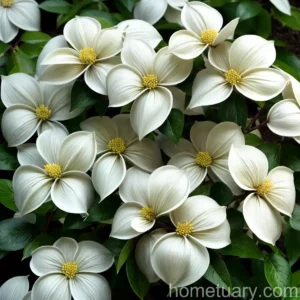
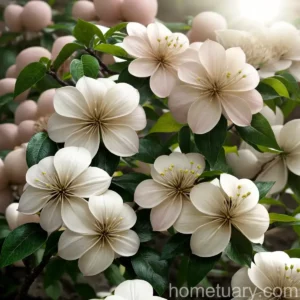
The Cornus kousa var. chinensis ‘China Girl’ is recognized for its exquisite white or pink bracts that emerge in late spring and complement its lustrous green foliage. The dazzling display of these bracts is a sight to behold, making the Chinese Dogwood a sought-after addition to gardens and landscapes. Besides its aesthetic allure, this variety is also cherished for its adaptability and relative ease of care, making it a favorable choice for both novice and seasoned gardeners.
In this comprehensive guide, we will delve into the various facets of the Chinese Dogwood – from its cultural requirements to its uses, diseases, and propagation methods. By the end of this article, you will acquire an in-depth understanding of how to cultivate and nurture the Cornus kousa var. chinensis ‘China Girl’ to harness its full potential and appreciate its captivating beauty.
Key Takeaways – Cornus kousa var. chinensis ‘China Girl’ (Chinese Dogwood)
Before delving into the intricate details, here are the key takeaways that encapsulate the essence of the Cornus kousa var. chinensis ‘China Girl’:
- Scientific Name: Cornus kousa var. chinensis ‘China Girl’
- Common Name: Chinese Dogwood
- Family: Cornaceae
- Native to: East Asia, particularly China and Japan
- Characteristics: Deciduous tree with captivating white or pink bracts and ornamental fruits
- Distinctive Features: Striking ornamental value, adaptability, and ease of care
With these fundamental insights, let’s embark on a journey to unravel the enchanting world of the Cornus kousa var. chinensis ‘China Girl’.
Culture
Cultivating the Cornus kousa var. chinensis ‘China Girl’ entails understanding its cultural requirements and ensuring that its growing conditions align with its inherent needs. The following aspects will shed light on the crucial cultural elements that drive the successful cultivation of this mesmerizing tree.
Uses
The Cornus kousa var. chinensis ‘China Girl’ is revered for a multitude of purposes, spanning from ornamental landscape enhancements to culinary and medicinal applications.
Ornamental Purposes
As an ornamental tree, the Chinese Dogwood takes center stage in garden landscapes, parks, and public spaces. Its striking display of white or pink bracts and subsequent ornamental fruits amplifies the visual appeal of any environment, making it an ideal choice for enhancing the aesthetics of gardens and outdoor settings.
Moreover, the tree’s deciduous nature, where it sheds its leaves in the fall, adds an additional dimension to its ornamental value. The vibrant display of autumn foliage before leaf fall presents a breathtaking spectacle, further elevating its desirability as an ornamental tree.
Culinary and Medicinal Uses
In addition to its ornamental prowess, the fruits of the Chinese Dogwood are edible and can be utilized for culinary purposes. These fruits, albeit not as commonly consumed as those of other fruit-bearing trees, are infused into various recipes or processed into preserves and jellies, adding a unique dimension to the culinary realm.
Furthermore, within traditional medicine practices, certain components of the Cornus kousa var. chinensis are harnessed for their purported medicinal benefits. The tree’s bark, fruits, and other parts are believed to possess therapeutic properties, though it is essential to consult with healthcare professionals before exploring their potential medicinal applications.
Water
Adequate water is paramount for the optimal growth and vitality of the Cornus kousa var. chinensis ‘China Girl’. The following guidelines will assist in understanding its water requirements and ensuring that it receives the necessary moisture levels for sustained health and vigor.
- Watering Frequency: As a general rule, the Chinese Dogwood should be watered consistently, especially during its initial establishment phase and periods of drought. Newly planted trees require careful monitoring to prevent drying out, whereas mature trees benefit from regular watering, particularly during dry spells.
- Soil Moisture Levels: It is crucial to maintain moderately moist soil conditions for the Chinese Dogwood. The soil should neither be waterlogged nor excessively dry, striking an optimal balance to promote healthy root development and overall growth.
- Mulching: Application of organic mulch around the base of the tree aids in moisture retention, regulates soil temperature, and mitigates weed growth. Mulching acts as a buffer, preventing rapid evaporation of moisture from the soil and fostering a conducive environment for the tree’s roots.
Sunlight
Sunlight plays a pivotal role in shaping the growth and blooming patterns of the Cornus kousa var. chinensis ‘China Girl’. Understanding its sunlight requirements is fundamental for ensuring its flourishing in diverse environments.
- Full Sun: Chinese Dogwood thrives in partial to full sun exposure. However, in regions with intense heat, providing partial shade during the hottest hours of the day can protect the tree from potential sun damage and ensure its sustained well-being.
- Pruning for Sunlight: Pruning practices can be employed to regulate sunlight penetration and airflow within the tree’s canopy, promoting balanced development and optimal blooming. Thinning out excessive foliage and addressing crossed or crowded branches can facilitate improved sunlight exposure for the tree’s interior.
Fertilizer
Fertilization is essential for supplying the Cornus kousa var. chinensis ‘China Girl’ with essential nutrients conducive to robust growth, vibrant blooms, and overall vitality. The following fertilizer-related insights will guide the effective nourishment of the Chinese Dogwood.
- Balanced Fertilizer: Utilizing a balanced, slow-release fertilizer formulated for woody ornamentals can provide the necessary nutrients for the Chinese Dogwood. The application of such fertilizers in spring, prior to the onset of new growth, is beneficial for bolstering the tree’s health and augmenting its flowering potential.
- Avoiding Excessive Fertilization: Over-fertilization should be avoided, as it can lead to adverse effects on the tree’s growth and may even result in burnt roots. Following the specified guidelines for fertilizer application and opting for controlled-release formulations can avert potential fertilization-related complications.
Soil
The soil composition and quality profoundly influence the well-being and performance of the Cornus kousa var. chinensis ‘China Girl’. Understanding its soil requirements and implementing appropriate soil management practices are instrumental in fostering a conducive growing environment for the Chinese Dogwood.
- Well-Drained Soil: Chinese Dogwood thrives in well-drained, fertile soil, characterized by adequate aeration and moisture permeability. Soil with good drainage capabilities prevents waterlogged conditions, averting the potential for root rot and other moisture-related ailments.
- Soil pH: The ideal soil pH for the Cornus kousa var. chinensis ‘China Girl’ ranges from slightly acidic to neutral. Soil testing can ascertain the existing pH levels, enabling the application of any necessary amendments to achieve the optimal pH range for the tree’s growth and vitality.
Pruning
Pruning is an integral aspect of Chinese Dogwood care, contributing to its visual appeal, structural integrity, and blooming potential. Proper pruning techniques empower gardeners to shape the tree, enhance its aesthetics, and ensure its sustained health.
- Pruning Timing: The best time to prune the Chinese Dogwood is during its dormant stage, which typically occurs in late winter to early spring. Conducting pruning activities during this period minimizes the risk of affecting the tree’s blooming and growth cycles.
- Dead Wood Removal: Eliminating dead, damaged, or diseased wood from the tree is essential to maintain its vigor and prevent the spread of ailments. Pruning these compromised sections ensures the allocation of nutrients and resources to healthy tissue, bolstering the overall health of the tree.
- Structural Pruning: Shaping the tree to achieve desirable form, address overcrowding, and enhance sunlight penetration within the canopy is facilitated through strategic pruning. Thinning out excessive growth and shaping the tree’s structure promotes balanced development and a visually appealing silhouette.
- Pruning Considerations: Care should be exercised to avoid extensive or excessively aggressive pruning, as it can disrupt the tree’s natural growth patterns and potentially diminish its ornamental value. Adhering to prudent pruning practices mitigates the risk of inadvertently compromising the tree’s health and aesthetics.
Propagation
The propagation of the Cornus kousa var. chinensis ‘China Girl’ involves cultivating new trees through established propagation methods. Understanding these propagation techniques equips plant enthusiasts with the knowledge to expand their Chinese Dogwood collection or engage in horticultural endeavors.
- Seed Propagation: Propagating the Chinese Dogwood from seeds is a viable method, though it requires time, patience, and suitable conditions for successful germination and establishment of new seedlings. Collecting mature seeds, stratifying them to simulate natural winter conditions, and subsequently germinating the seeds can initiate the process of seed propagation.
- Cutting Propagation: Utilizing semi-hardwood cuttings from a healthy, established Chinese Dogwood tree can be an effective means of propagation. By employing appropriate rooting hormone, providing conducive environmental conditions, and nurturing the cuttings, viable new plants can be cultivated, mirroring the characteristics of the parent tree.
Container Popularity
Leveraging containers for cultivating the Cornus kousa var. chinensis ‘China Girl’ provides a versatile approach for incorporating this captivating tree into diverse settings, including urban environments, patios, and small-scale landscapes.
Container Considerations
- Container Selection: Choosing a spacious, well-draining container is imperative for container cultivation of the Chinese Dogwood. The container should accommodate the tree’s root system and allow for adequate aeration and moisture management.
- Potting Mix: Employing high-quality, well-balanced potting mix formulated for woody ornamentals ensures that the Chinese Dogwood receives the requisite nutrients and growing medium conducive to its well-being.
- Placement: Positioning the container in a location that aligns with the tree’s sunlight requirements and ensures optimal growing conditions is essential for the sustained health and vigor of the Chinese Dogwood.
Common Diseases
The Cornus kousa var. chinensis ‘China Girl’ is susceptible to certain diseases, and vigilance in recognizing and addressing these ailments is crucial for safeguarding the tree’s health and vitality.
Anthracnose
Anthracnose, caused by fungi within the genus Discula, presents as dark, irregular lesions on the leaves and can lead to premature defoliation and diminished tree vigor. Implementing preventive measures and timely interventions are essential for managing this disease effectively.
Powdery Mildew
Powdery mildew, characterized by the presence of powdery white patches on the foliage, is a common affliction in Chinese Dogwoods. Implementing cultural practices and, when necessary, employing fungicidal treatments can aid in curbing the impact of powdery mildew on the tree.
Botryosphaeria Canker
Botryosphaeria canker, caused by fungi belonging to the Botryosphaeria genus, manifests as sunken lesions on the bark and can contribute to dieback and decline of affected branches. Prompt detection and targeted management practices are pivotal for mitigating the impact of Botryosphaeria canker on the Chinese Dogwood.
Disease Diagnosis
Accurate diagnosis of diseases afflicting the Cornus kousa var. chinensis ‘China Girl’ is fundamental for enacting appropriate mitigation measures and preserving the health of the tree.
Visual Symptoms
Scrutinizing the tree for distinctive visual symptoms such as leaf lesions, powdery growth on foliage, and bark abnormalities can provide insights into the potential diseases affecting the Chinese Dogwood. Careful observation of the tree’s overall condition, coupled with keen attention to notable symptoms, forms the foundation for disease diagnosis.
Professional Consultation
Seeking expert guidance and consulting with certified arborists or plant pathologists can facilitate accurate disease diagnosis and informed recommendations for disease management. Professional input augments the diagnosis process, ensuring precise identification of diseases and tailored management strategies.
Common Pests
Certain pests pose potential threats to the Cornus kousa var. chinensis ‘China Girl’, necessitating vigilance and proactive measures to protect the tree from infestations and related repercussions.
Dogwood Borer
The larvae of the dogwood borer (Synanthedon scitula) tunnel into the tree’s trunk and branches, instigating wood damage and compromising the structural integrity of the affected areas. Monitoring for signs of infestation and implementing appropriate control measures are critical for averting the detrimental impact of the dogwood borer on the Chinese Dogwood.
Dogwood Sawfly
The larvae of the dogwood sawfly (Macremphytus tarsatus) feed on the foliage of the Chinese Dogwood, potentially inducing defoliation and impeding the tree’s growth and vitality. Undertaking timely interventions and implementing suitable pest management protocols are essential for curbing the impact of dogwood sawflies on the tree.
Botanist’s Tips
Embracing the following botanist’s insights and recommendations can enrich the journey of cultivating and caring for the Cornus kousa var. chinensis ‘China Girl’:
- Prudent Pruning Practices: Adhering to prudent pruning practices, including the strategic removal of dead or diseased wood, promoting balanced growth through structural pruning, and fostering an open canopy, fortifies the health and ornamental value of the Chinese Dogwood.
- Vigilance for Diseases and Pests: Regular monitoring for signs of diseases and pests, coupled with timely interventions, forms the cornerstone for preserving the health and vigor of the Chinese Dogwood. Proactive management fosters a resilient and thriving tree.
- Cultural Adaptability: Embracing the adaptability of the Chinese Dogwood and acknowledging its resilience under diverse growing conditions empowers gardeners to integrate this captivating tree into a spectrum of environments, from urban landscapes to expansive gardens.
Fun Facts
Unveiling some captivating fun facts about the Cornus kousa var. chinensis ‘China Girl’ provides a delightful glimpse into the endearing characteristics and nuances of this enchanting tree:
- Edible Fruits: The fruits of the Chinese Dogwood, though not as widely consumed as conventional fruits, can be utilized in culinary applications, infusing unique flavors and textures into various recipes.
- Cultural Significance: In certain cultures, the Chinese Dogwood holds symbolic significance, often associated with themes of resilience, beauty, and enduring vitality, elevating its status beyond its ornamental and utilitarian value.
- Lustrous Autumn Foliage: The Chinese Dogwood transforms into a resplendent spectacle during the autumn season, where its foliage takes on vibrant hues, ranging from fiery reds to rich oranges, enhancing the visual allure of gardens and landscapes.
Links to External Resources
For further exploration and in-depth insights into the Cornus kousa var. chinensis ‘China Girl’, leveraging the following links to external resources can enrich your understanding and appreciation of this captivating tree:
- Royal Horticultural Society – Cornus kousa
- Missouri Botanical Garden – Cornus kousa
- University of Florida IFAS Extension – Dogwood Trees
As we conclude this comprehensive guide, enriched with essential insights and practical recommendations, you are well-equipped to embark on your journey of nurturing and admiring the captivating beauty of the Cornus kousa var. chinensis ‘China Girl’. Embrace the allure of this enchanting tree and savor its ornamental splendor as it embellishes and enriches diverse landscapes and outdoor environments.
Remember, delving into the world of the Chinese Dogwood unveils a tapestry of beauty, resilience, and cultural significance, inviting you to partake in its timeless allure and cherish its enduring presence within the realm of horticulture and ornamental arboriculture.