Bunchberry (Cornus canadensis): A Fascinating Groundcover Plant
Bunchberry (Cornus canadensis) is a diminutive yet captivating perennial plant that belongs to the Cornaceae family. Also known as Canadian bunchberry or dogwood bunchberry, this native plant is prized for its beautiful white flowers, vibrant red berries, and its ability to thrive as a groundcover. In this comprehensive guide, we will delve deep into the world of bunchberry plants, exploring everything from their cultural requirements and uses to common diseases and pests, as well as fun facts and botanist’s tips.
What is Bunchberry (Cornus canadensis)?
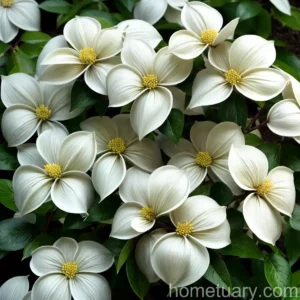
Bunchberry, scientifically known as Cornus canadensis, is a low-growing perennial plant that is native to North America and can be commonly found in cool, moist, and shaded environments such as forests, woodland gardens, and mountain slopes. This plant is characterized by its distinctive whorled leaves, delicate white flowers, and clusters of bright red berries, which add a pop of color to the forest floor.
Key Takeaways – Bunchberry (Cornus canadensis)
Before we delve deeper into the various aspects of bunchberry plants, let’s take a moment to highlight some key takeaways:
- Bunchberry Flower: Known for its elegant white flowers, bunchberry adds a touch of beauty to its surroundings.
- Groundcover Plants: Bunchberry is revered for its role as a valuable groundcover plant, providing erosion control and ornamental value.
- Native Plants: Bunchberry is a native plant to North America, thriving in its natural habitat.
- Bunchberry Plant Care: Understanding the specific care requirements is crucial for successfully cultivating bunchberry in various settings.
With these key points in mind, let’s explore the cultural requirements, uses, and characteristics of bunchberry in greater detail.
Culture
Understanding the cultural requirements of bunchberry plants is essential for ensuring their successful growth and development. From water and sunlight needs to soil preferences and pruning techniques, each aspect plays a crucial role in the overall well-being of this fascinating plant.
Uses
Bunchberry (Cornus canadensis) presents a versatile array of uses, ranging from its ornamental value to potential medicinal properties and ecological significance. Exploring the diverse uses of bunchberry sheds light on the multifaceted nature of this plant and its contributions to various aspects of human life and the environment.
Water
Adequate water supply is vital for the healthy growth of bunchberry plants. Understanding their water needs and implementing appropriate watering practices is crucial for maintaining optimal soil moisture and preventing water-related stress.
Sunlight
Sunlight requirements for bunchberry plants vary depending on the environmental conditions and geographic location. Understanding the specific needs of these plants in relation to sunlight is essential for their successful cultivation.
Fertilizer
Fertilization plays a key role in supporting the growth and development of bunchberry plants. By providing essential nutrients, fertilizers contribute to the overall health and vigor of these plants, enhancing their ornamental and ecological value.
Soil
The soil preferences of bunchberry plants play a significant role in their overall well-being. Understanding the ideal soil conditions and implementing appropriate soil management practices are essential for cultivating healthy and thriving bunchberry plants.
Pruning
Pruning techniques are an essential aspect of bunchberry plant care. By understanding the principles of pruning and implementing appropriate practices, it is possible to enhance the aesthetic appeal and maintain the overall health of these plants.
Propagation
Propagation methods enable the expansion of bunchberry populations and provide opportunities for cultivation and conservation. Understanding the various propagation techniques and their application is crucial for the successful reproduction and dissemination of bunchberry plants.
Container Popularity
Bunchberry’s adaptability to container cultivation makes it a popular choice for ornamental and landscaping purposes. Exploring the specific considerations and benefits of growing bunchberry in containers provides valuable insights into maximizing its decorative potential.
Container Common Diseases
While growing bunchberry plants in containers offers numerous advantages, it is essential to be aware of the potential diseases that may affect these plants. Understanding common diseases and their management is crucial for maintaining the health and vigor of bunchberry plants in containers.
Disease Diagnosis
The ability to accurately diagnose and address diseases is essential for effective plant care. Understanding common diseases and their symptoms equips growers with the knowledge to identify and manage potential issues that may arise in bunchberry plants.
Common Pests
Pest management plays a crucial role in maintaining the health and vitality of bunchberry plants. By understanding common pests and their characteristic behaviors, it is possible to implement effective control measures and minimize the impact of pest infestations.
Botanist’s Tips
Insights and tips from botanists provide valuable guidance for cultivating and caring for bunchberry plants. Leveraging the expertise of botanists enables growers to gain a deeper understanding of the unique characteristics and requirements of these captivating plants.
Fun Facts
Uncovering the intriguing and lesser-known facts about bunchberry plants adds an element of fascination to their already captivating presence. Delving into fun facts about these plants sheds light on their ecological importance and cultural significance.
Links to External Resources
In the exploration of bunchberry plants, valuable information and resources from reputable sources offer enhanced understanding and guidance for enthusiasts and cultivators. Accessing external resources provides a wealth of knowledge to support the successful cultivation and appreciation of bunchberry plants.
Conclusion
Bunchberry (Cornus canadensis) stands as a remarkable plant with a rich tapestry of characteristics, uses, and cultural significance. Whether appreciated for its ornamental beauty, ecological contributions, or potential medicinal properties, this native groundcover plant continues to captivate the hearts and minds of plant enthusiasts and conservationists alike. By understanding the intricate details of the cultural requirements, uses, and botanist’s tips, as well as the fun facts and propagation techniques associated with bunchberry plants, individuals can gain a comprehensive appreciation for this fascinating species.
Through careful observation, dedicated cultivation, and the application of best practices, the legacy of bunchberry can endure, ensuring its presence in landscapes, woodlands, and hearts for generations to come.