Giant Dogwood (Cornus controversa ‘Variegata’)
Introduction
Welcome to our comprehensive guide on the giant dogwood, also known as Cornus controversa ‘Variegata’. This beautiful ornamental tree is highly prized for its striking variegated foliage, elegant growth habit, and ecological benefits. In this guide, we will delve into the various aspects of growing and caring for this remarkable tree, including its cultural requirements, uses, maintenance, and landscaping potential.
What is Plant: Giant Dogwood (Cornus controversa ‘Variegata’)
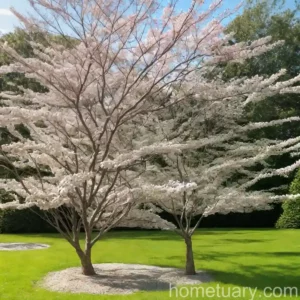
The giant dogwood, scientifically known as Cornus controversa ‘Variegata’, is a deciduous tree that belongs to the Cornaceae family. This tree is native to East Asia and is admired for its distinctive horizontally-tiered branches and bold variegated leaves. The foliage of Cornus controversa ‘Variegata’ exhibits shades of green, cream, and occasionally pink, creating a visually captivating display throughout the growing season.
Key Takeaways – Giant Dogwood (Cornus controversa ‘Variegata’)
Before we embark on a detailed exploration of the cultural requirements and care tips for the giant dogwood, it is essential to grasp the key takeaways associated with this remarkable tree. Here are some essential points to keep in mind:
- Scientific Name: Cornus controversa ‘Variegata’
- Common Name: Giant Dogwood, Variegated Giant Dogwood
- Foliage: Variegated leaves with green and cream hues
- Growth Habit: Distinctive horizontally-tiered branching pattern
- Uses: Ornamental tree for landscaping, shade tree, wildlife habitat
- Hardiness: Zones 5-8
- Maintenance: Moderate
- Pruning: Necessary to maintain shape and control size
- Disease Resistance: Generally resistant to major diseases
- Pests: Susceptible to aphids, borers, and scale insects
- Soil: Well-draining, fertile soil
Now, let’s delve deeper into each aspect of the giant dogwood to understand how to best care for and appreciate this elegant tree.
Culture
Understanding the cultural requirements of the giant dogwood is essential for successfully growing and maintaining this ornamental tree. From its water needs to sunlight preferences, here’s a comprehensive look at the cultural considerations for Cornus controversa ‘Variegata’.
Uses
Ornamental Tree
One of the primary uses of Cornus controversa ‘Variegata’ is as an ornamental tree in residential, public, and commercial landscapes. The striking variegated foliage and distinctive growth habit make it a sought-after choice for adding visual interest and character to garden settings. Whether as a standalone specimen or in mixed plantings, the giant dogwood provides a captivating focal point.
Shade Tree
With its spreading canopy and dense foliage, the giant dogwood serves as an excellent shade tree, creating cool and comfortable spaces in gardens and outdoor areas. Its ornamental value, coupled with its shade-providing attributes, makes it a multi-functional addition to various landscape designs.
Wildlife Habitat
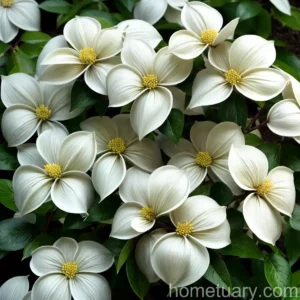
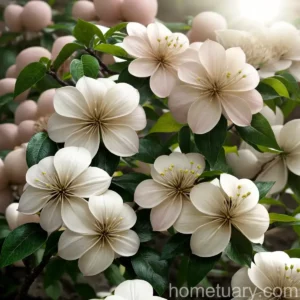
The giant dogwood’s flowers and berries attract and support a diverse range of wildlife, including birds and pollinators. As a result, it contributes to biodiversity and ecological balance within its growing environment, making it a valuable asset in naturalized and wildlife-friendly landscapes.
Water
Proper watering is crucial for the establishment and sustained vitality of Cornus controversa ‘Variegata’. During the tree’s initial establishment phase, regular watering is essential to facilitate root development and ensure adequate moisture uptake. Once established, the giant dogwood demonstrates good drought tolerance, but consistent watering during prolonged dry spells is beneficial, especially in sandy or quick-draining soils. Aim for approximately 1 to 1.5 inches of water per week during the active growing season, adjusting based on local climate and soil conditions.
Sunlight
The giant dogwood thrives in partially shaded to fully sunny locations. While it can endure full sun, providing some shade during the hottest part of the day is advantageous, particularly in regions with intense summer heat. Partial shade, especially in the afternoon, can help prevent leaf scorch and maintain the vibrant coloration of the variegated foliage.
Fertilizer
Fertilization plays a role in supporting the health and vigor of Cornus controversa ‘Variegata’. A balanced, slow-release fertilizer formulated for ornamental trees can be applied in spring, just as new growth begins. Avoid excessive applications of high-nitrogen fertilizers, as they may stimulate excessive foliage growth at the expense of overall tree health and structure. Always follow the manufacturer’s instructions and recommendations for proper application rates and methods.
Soil
Well-draining, fertile soil is ideal for the optimal growth and development of the giant dogwood. Loamy or slightly acidic soils are well-suited for this tree, providing a healthy foundation for root expansion and nutrient uptake. Prior to planting, it is beneficial to amend the soil with organic matter to enhance its structure and fertility. Conducting a soil test can offer valuable insights into the existing soil composition and any necessary adjustments to optimize growing conditions for Cornus controversa ‘Variegata’.
Pruning
Proper pruning is an essential aspect of giant dogwood maintenance, contributing to its overall health, aesthetics, and structural integrity. When done judiciously and at the right time, pruning can help maintain a shapely form, promote air circulation, and manage the tree’s size.
It is advisable to conduct pruning during the dormant season, ideally in late winter or early spring before new growth emerges. This timing minimizes stress on the tree and reduces the risk of pest and disease infestations through fresh wounds. Here are some key considerations for pruning Cornus controversa ‘Variegata’:
- Remove dead, damaged, or diseased branches as needed, making clean and precise cuts to prevent tearing and promote rapid healing.
- Thin out crowded or crossing branches to improve light penetration and airflow within the canopy.
- Maintain the tree’s graceful tiered habit by selectively trimming branches to enhance its natural form.
Pruning practices should align with the overarching goal of preserving the tree’s inherent beauty and structure while addressing any specific maintenance requirements.
Propagation
The propagation of Cornus controversa ‘Variegata’ can be achieved through various methods, including hardwood cuttings, softwood cuttings, and seeds. Each approach offers unique advantages and considerations, allowing for flexibility in propagating new trees or cultivating existing ones.
Hardwood Cuttings
Hardwood cuttings, taken during the tree’s dormant season, represent a reliable method for propagating giant dogwoods. Select healthy, mature branches and collect cuttings of approximately 6 to 8 inches in length. Dip the cut end in rooting hormone and plant the cuttings in a well-prepared propagation medium. Keep the medium consistently moist and provide bottom heat if possible to enhance rooting success.
Softwood Cuttings
Softwood cuttings, typically obtained during the tree’s active growth phase in spring or early summer, offer an alternative means of propagation. Choose young, vigorous shoots and take cuttings of approximately 4 to 6 inches. Remove the lower leaves, dip the cut end in rooting hormone, and insert the cuttings into a well-drained propagation medium. Maintain moisture and humidity to facilitate root development.
Seed Propagation
While viable seeds can be collected from mature giant dogwood fruits, seed propagation is less commonly practiced due to the variable nature of seedling traits. However, it can be an engaging and experimental way to propagate Cornus controversa ‘Variegata’, especially if seeking to explore potential diversity in seedling characteristics.
Container Popularity
The giant dogwood exhibits impressive adaptability to container cultivation, making it a popular choice for patios, courtyards, and urban gardens. When grown in containers, it offers an elegant and space-efficient ornamental accent, showcasing its variegated foliage and graceful branching structure.
Container Common Diseases
While the giant dogwood grown in containers is generally less susceptible to soil-borne diseases and root-related issues, certain common conditions may still arise. These can include:
- Overwatering: Excessive moisture retention in container-grown giant dogwoods can lead to root rot and other water-related stress conditions.
- Nutrient Deficiencies: In a contained environment, the availability of essential nutrients may become limited over time, necessitating periodic fertilization and soil replenishment.
- Pests: Container-grown trees may be more vulnerable to certain pests, such as spider mites and whiteflies, particularly in indoor or sheltered settings.
Vigilant monitoring and responsive care are vital for preventing and addressing potential issues in container-grown giant dogwoods.
Disease Diagnosis
When managing potential diseases or health issues in container-grown giant dogwoods, accurate diagnosis is fundamental for implementing effective treatments. Common symptoms and signs to watch for include:
- Yellowing or browning of leaves
- Leaf drop
- Stunted growth
- Wilted or discolored foliage
- Presence of pests or unusual markings on leaves
Consulting with a local extension service or certified arborist can aid in identifying and addressing specific disease concerns, ensuring the continued well-being of the container-grown giant dogwood.
Common Pests
The giant dogwood, like many ornamental trees, may encounter certain pests that can impact its overall health and appearance. Being mindful of common pests and their potential effects enables proactive monitoring and targeted management when necessary.
Aphids
Aphids are small, sap-feeding insects that can congregate on the undersides of leaves, causing distortion and yellowing of foliage. They excrete honeydew, leading to the development of sooty mold and attracting ants.
Borers
Borers are a group of insects whose larvae bore into tree trunks and branches, potentially causing structural damage and weakening the overall vigor of the tree.
Scale Insects
Scale insects, identifiable by their protective shells, can infest branches and twigs, sapping the tree’s vital fluids and leading to weakened growth and eventual decline if left unaddressed.
Botanist’s Tips
Caring for giant dogwoods, particularly Cornus controversa ‘Variegata’, involves understanding and implementing key practices to ensure its long-term health and beauty. To help guide successful cultivation and appreciation of this remarkable tree, here are some valuable botanist’s tips:
- Regular Inspection: Perform routine visual inspections of the tree to identify any signs of pests, diseases, or environmental stress. Early detection can aid in swift intervention and management.
- Balanced Pruning: Adhere to balanced and thoughtful pruning practices, focusing on enhancing the tree’s natural form while maintaining an open and well-ventilated canopy.
- Moisture Management: Monitor soil moisture levels to avoid extremes of drought stress or waterlogging, adjusting watering frequency based on seasonal weather patterns and soil conditions.
- Feeding Schedule: Follow a regular feeding schedule with an emphasis on balanced nutrition, utilizing fertilizers designed for ornamental trees and organic amendments to support long-term soil health.
- Eco-Conscious Approach: Embrace eco-friendly cultivation practices by integrating natural mulches, beneficial insect-attracting plants, and sustainable maintenance routines to foster a harmonious ecosystem around the giant dogwood.
Fun Facts
Uncover the fascinating world of the giant dogwood with these engaging and lesser-known fun facts:
- The variegated leaves of Cornus controversa ‘Variegata’, with their cream and green hues, undergo subtle shifts in coloration throughout the seasons, adding dynamic interest to the tree’s visual appeal.
- In optimal growing conditions, the giant dogwood can achieve an impressive size, showcasing its distinctive horizontally-tiered branches and broad canopy.
- The striking foliage of this tree not only captivates human admirers but also provides valuable forage and shelter for numerous bird species and beneficial insects.
Links to External Resources
Explore further insights and practical guidance on giant dogwoods through the following external resources:
- The American Conifer Society – Access a diverse range of horticultural information, including resources on tree cultivation and care.
- Missouri Botanical Garden – Delve into extensive botanical knowledge and conservation efforts, with specific sections on ornamental trees and landscape design.
- Royal Horticultural Society – Gain access to expert gardening advice, plant databases, and educational materials on ornamental and woody plants.
Harnessing the expert guidance and wealth of knowledge available through these reputable resources can enrich the understanding and appreciation of Cornus controversa ‘Variegata’ and associated ornamental trees.
In conclusion, the giant dogwood, represented by the captivating Cornus controversa ‘Variegata’, stands as an exemplar of ornamental beauty, ecological value, and versatile landscape appeal. By recognizing its cultural requirements, unique attributes, and practical considerations, enthusiasts and gardeners can cultivate and cherish this extraordinary tree with confidence and expertise.
Whether as a stately focal point in garden settings, a source of ecological enrichment, or a shade-providing presence, the giant dogwood exemplifies the enduring allure of ornamental trees and the indispensable role they play in enriching our natural environments. With proper care, appreciation, and stewardship, Cornus controversa ‘Variegata’ can continue to grace landscapes and hearts with its timeless elegance and enduring charm.