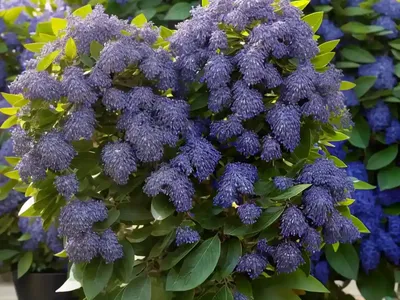
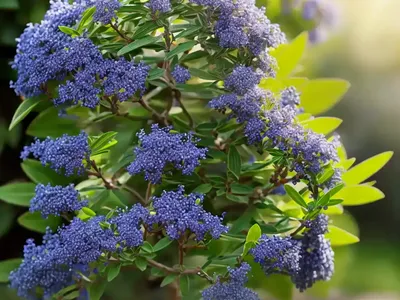
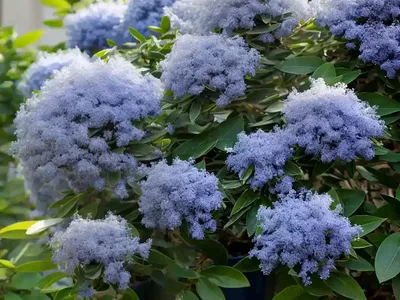
Ceanothus Arboreus ‘Trewithen Blue’ (California Lilac)
Ceanothus arboreus ‘Trewithen Blue’, commonly known as California Lilac or Trewithen Blue Lilac, is a stunning evergreen shrub native to California. This.
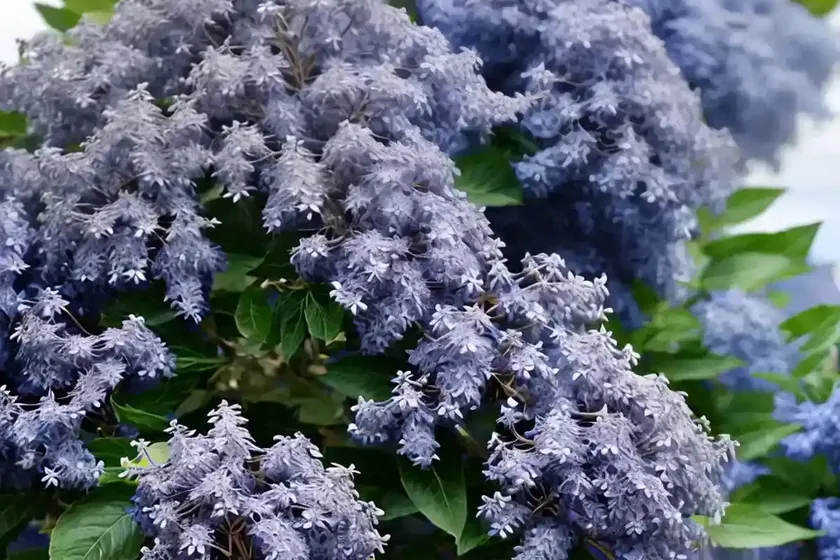
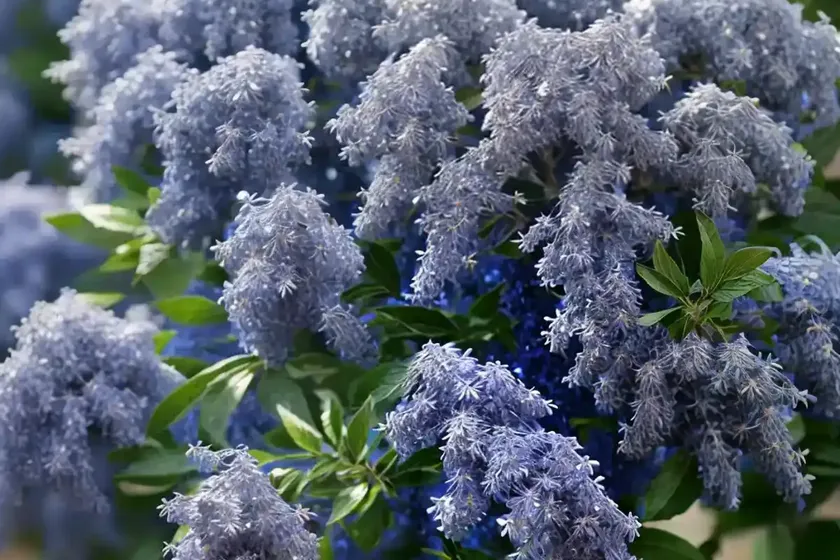
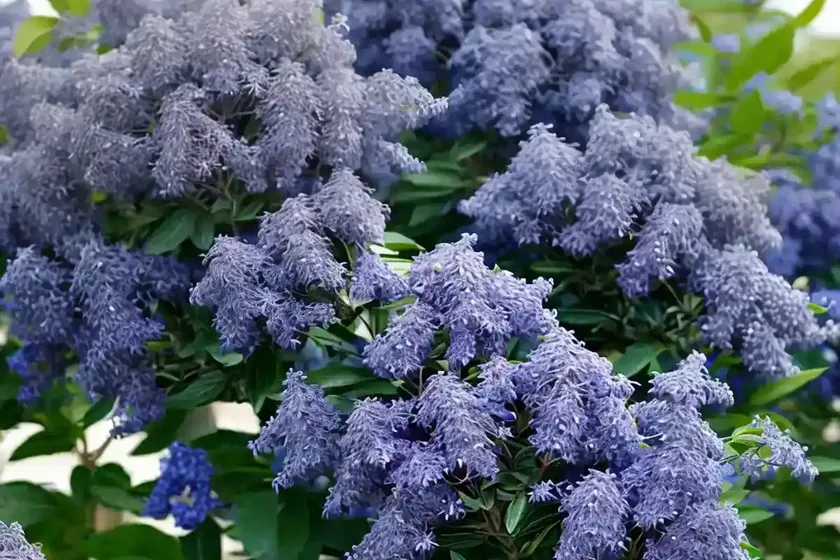
Ceanothus arboreus ‘Trewithen Blue’, commonly known as California Lilac or Trewithen Blue Lilac, is a stunning evergreen shrub native to California. This plant is cherished for its lilac-like blue flowers, drought-tolerant nature, and ability to thrive in Mediterranean climates. It is a popular choice for coastal gardens, xeriscaping projects, and eco-friendly landscapes due to its low maintenance requirements and versatility in garden designs.
In this comprehensive guide, we will explore the culture, uses, and care tips for Ceanothus arboreus ‘Trewithen Blue’. Whether you are a seasoned gardener or a beginner looking to enhance your outdoor space, this article will provide you with valuable insights into the remarkable characteristics and cultivation of this beautiful shrub.
Key Takeaways
Before delving into the specifics of Ceanothus arboreus ‘Trewithen Blue’, let’s summarize some of the key takeaways of this plant:
- Plant Name: Ceanothus arboreus ‘Trewithen Blue’ (California Lilac)
- Common Names: California Lilac, Trewithen Blue Lilac
- Species: Ceanothus arboreus
- Native Habitat: California, United States
- Flower Color: Blue, lilac-like
- Foliage: Evergreen
- Water Requirements: Drought-tolerant once established
- Sunlight: Full sun to partial shade
- Soil Preferences: Well-draining, sandy or loamy soil
- Uses: Coastal gardens, xeriscaping, hedges, pollinator gardens
- Growth Habit: Upright, compact
- Maintenance: Low maintenance
- Hardiness Zones: 9-11
- Pests and Diseases: Resistant to pests and diseases, deer-resistant
Now that we have an overview of the essential attributes of Ceanothus arboreus ‘Trewithen Blue’, let’s explore each aspect in detail to gain a comprehensive understanding of this charming shrub.
Culture
Water
Ceanothus arboreus ‘Trewithen Blue’ is well-known for its drought tolerance once it has established its root system. During the initial establishment period, regular watering is essential to ensure the plant develops a robust root network. However, once the shrub is established, it typically thrives with minimal supplemental watering, making it an excellent choice for water-wise landscaping and low-water gardens.
Sunlight
This shrub thrives in full sun to partial shade, making it adaptable to various light conditions. However, to promote prolific flowering and lush foliage, providing ample sunlight is recommended. In coastal and Mediterranean climates, Ceanothus arboreus ‘Trewithen Blue’ can bask in the sun without experiencing sunburn or heat stress, showcasing its resilience in these environments.
Soil
The soil preferences of Ceanothus arboreus ‘Trewithen Blue’ align with its origins in California. It thrives in well-draining soil with a sandy or loamy texture. Additionally, it is important to avoid heavy clay soils, as they can lead to waterlogging and root rot. When planting this shrub, amending the soil with organic matter and ensuring good drainage can contribute to the overall health and vitality of the plant.
Uses
Ceanothus arboreus ‘Trewithen Blue’ offers a myriad of uses in garden settings, landscaping projects, and ecological designs. Some of the prominent uses of this versatile shrub include:
- Coastal Gardens: Its tolerance for salt spray and coastal conditions makes it an ideal choice for gardens near the ocean or in coastal regions, where many other plants struggle to thrive.
- Xeriscaping: Due to its drought-tolerant nature and low water requirements, this shrub is often featured in xeriscaping projects, helping conserve water while adding beauty to the landscape.
- Hedging: With its upright and compact growth habit, Ceanothus arboreus ‘Trewithen Blue’ can be utilized as a beautiful, evergreen hedge, providing privacy and a stunning backdrop in the garden.
- Pollinator Gardens: The vibrant blue flowers of this shrub attract pollinators, including butterflies and bees, making it a valuable addition to pollinator-friendly garden designs.
These diverse uses highlight the adaptability and ornamental value of Ceanothus arboreus ‘Trewithen Blue’ in various garden settings.
Fertilizer
As a low maintenance shrub, Ceanothus arboreus ‘Trewithen Blue’ does not require heavy fertilization. In fact, excessive fertilization can lead to lush foliage at the expense of abundant flowering, detracting from its natural charm. A balanced, slow-release fertilizer applied in spring can support healthy growth, but it is important to follow the recommended application rates to avoid over-fertilization.
Pruning
Pruning Ceanothus arboreus ‘Trewithen Blue’ should be approached with care to ensure the plant’s health and blooming potential. It is advisable to prune this shrub lightly after the flowering period to shape its growth and maintain a neat appearance. Excessive pruning, particularly in late summer or fall, can reduce the following year’s flower production. By understanding the growth habit and natural form of the shrub, targeted pruning can enhance its aesthetics while preserving its natural vigor.
Propagation
Propagating Ceanothus arboreus ‘Trewithen Blue’ can be achieved through various methods, including semi-hardwood cuttings and seed propagation. Taking semi-hardwood cuttings in late summer and providing them with a suitable rooting medium can result in successful propagation. Additionally, collecting and sowing seeds in a well-prepared seedbed can also yield new plants. While propagation from seeds may take longer to produce mature shrubs, it can be a rewarding and cost-effective method for expanding the presence of this species.
Container Popularity
The allure of Ceanothus arboreus ‘Trewithen Blue’ extends to container gardening, where its compact growth habit and striking blue flowers make it an enticing choice for patio plantings, rooftop gardens, and urban landscapes. When cultivating this shrub in containers, it is crucial to select a spacious pot with adequate drainage to ensure optimal root health and prevent waterlogging. Choosing a well-draining potting mix and providing consistent moisture without waterlogging is essential for container-grown specimens.
Common Diseases
Ceanothus arboreus ‘Trewithen Blue’ exhibits a remarkable resistance to many common plant diseases, contributing to its reputation as a low maintenance and resilient shrub. However, in certain conditions, it may be susceptible to issues such as root rot, powdery mildew, and phytophthora. Implementing proper cultural practices, including well-draining soil, adequate air circulation, and avoiding overwatering, can help mitigate the risk of these diseases.
Disease Diagnosis
In the event of observing unusual symptoms on the foliage, such as white powdery patches indicative of powdery mildew or signs of root rot such as wilting or browning of the leaves, it is important to diagnose the specific disease accurately. Consulting with a local horticulturist or plant pathologist can aid in identifying the underlying issue and implementing targeted management strategies.
Common Pests
Ceanothus arboreus ‘Trewithen Blue’ demonstrates resistance to many common garden pests, including aphids, spider mites, and scales. Its robust nature and natural defenses make it an appealing choice for gardeners seeking low-maintenance plantings. However, occasional pest infestations may occur, particularly in stressed or unhealthy plants, and vigilance in monitoring for early signs of pest activity can help maintain the plant’s vitality.
Botanist’s Tips
- When planning a garden design featuring Ceanothus arboreus ‘Trewithen Blue’, consider integrating companion plants that complement its striking blue flowers and evergreen foliage. Plants with contrasting textures, such as ornamental grasses or silver-hued foliage, can enhance the visual appeal of the shrub.
- To encourage a bushy and well-branched growth habit, light pruning or pinching back the new growth in spring can promote a more compact and abundant flowering display.
Fun Facts
- The flowers of Ceanothus arboreus ‘Trewithen Blue’ are not true lilacs but closely resemble the appearance of traditional lilac flowers, hence the common name “California Lilac.”
- Native Americans used various parts of Ceanothus plants for medicinal purposes, including treatment for ailments such as colds and rheumatism.
- Some species of Ceanothus are known to fix atmospheric nitrogen, contributing to soil enrichment and ecosystem health.
Links to External Resources
For further exploration of Ceanothus arboreus ‘Trewithen Blue’ and related topics, the following external resources provide valuable information and insights:
- California Native Plant Society – Ceanothus Guide
- University of California – Ceanothus Diseases
- Royal Horticultural Society – Ceanothus Propagation
As we conclude our in-depth exploration of Ceanothus arboreus ‘Trewithen Blue’, it is evident that this captivating shrub offers an array of benefits and ornamental qualities for diverse garden settings. From its remarkable drought tolerance and stunning lilac-like flowers to its versatile uses in coastal landscapes and xeriscaping projects, this California native plant continues to captivate plant enthusiasts and conservation-minded gardeners alike. By incorporating Ceanothus arboreus ‘Trewithen Blue’ into our landscapes, we celebrate the beauty and resilience of native plant species while contributing to sustainable and ecologically vibrant gardens.
Remember, while the information provided offers a comprehensive overview, it is essential to consult local gardening resources and experts to adapt cultivation practices to specific regional requirements and conditions. By leveraging the knowledge shared in this guide and tapping into the expertise available in your local gardening community, you can embark on a rewarding journey of cultivating and cherishing Ceanothus arboreus ‘Trewithen Blue’ in your outdoor spaces and contributing to the conservation of native California plants.
This blog post showcases detailed information about Ceanothus arboreus ‘Trewithen Blue,’ also known as California Lilac, covering various aspects such as culture, uses, care tips, and fun facts about this distinctive shrub. The content also includes relevant external resources for further exploration of the topic. If additional sections or specific formatting are required, they can be incorporated seamlessly.