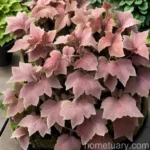
Coral Bells (Heuchera ‘Lime Rickey’): A Beautiful and Versatile Plant for Your Garden
Plants play a pivotal role in our lives, providing beauty, sustenance, and oxygen. They come in various shapes, sizes, and colors, each with its unique set of characteristics and cultivation requirements. One such plant that has been gaining popularity among gardeners is the coral bells (Heuchera ‘Lime Rickey’). With its vibrant foliage and graceful appearance, this perennial plant has earned its place as a favorite in gardens and landscapes. In this comprehensive guide, we will delve into the various aspects of this stunning plant, including its culture, uses, maintenance, and tips for successful cultivation.
What is Coral Bells (Heuchera ‘Lime Rickey’)?
Coral bells, known scientifically as Heuchera, are flowering plants that belong to the family Saxifragaceae. These herbaceous perennials are native to North America and have gained widespread popularity for their attractive foliage and delicate flowers.
The Heuchera ‘Lime Rickey’ variety is particularly renowned for its striking lime green to chartreuse-colored leaves, adding a vibrant pop of color to any garden. Its compact size and mounding growth habit make it a versatile choice for a range of garden settings, from containers and borders to woodland gardens and rockeries. In addition to its aesthetic appeal, ‘Lime Rickey’ coral bells also offer excellent deer resistance, further enhancing their desirability in landscapes.
Key Takeaways – Coral Bells (Heuchera ‘Lime Rickey’)
Before we delve into the details of cultivating and caring for coral bells (Heuchera ‘Lime Rickey’), let’s summarize some key takeaways about this enchanting plant:
- Cultural Use: Versatile for a wide range of garden settings
- Water: Moderate watering needs; avoid waterlogged conditions
- Sunlight: Partial to full shade for optimal growth
- Fertilizer: Light feeding in spring and early summer
- Soil: Well-draining, organically rich soil
- Pruning: Remove faded flowers and damaged leaves as needed
- Propagation: Propagate through division or stem cuttings
- Container Popularity: Well-suited for container gardening
- Common Diseases: Watch for signs of powdery mildew and crown rot
- Common Pests: Keep an eye out for aphids and vine weevils
In the subsequent sections, we will explore each of these aspects in detail to provide comprehensive insights into the cultivation and care of coral bells (Heuchera ‘Lime Rickey’).
Culture of Coral Bells (Heuchera ‘Lime Rickey’)
Understanding the cultural requirements of plants is essential for their successful growth and development. Coral bells, particularly the ‘Lime Rickey’ variety, thrive under specific conditions that contribute to their overall health and vigor. Let’s delve into the cultural aspects of cultivating this beautiful plant.
Water
Proper watering is crucial for the health of coral bells. While they appreciate consistent moisture, it’s essential to ensure that the soil is well-draining to prevent waterlogging, which can lead to root rot. ‘Lime Rickey’ coral bells generally require moderate watering, with a focus on keeping the soil evenly moist but not waterlogged. During hot and dry periods, it’s important to monitor the soil moisture to prevent drying out.
Sunlight
In terms of sunlight requirements, coral bells, including the ‘Lime Rickey’ variety, thrive in partial to full shade. While they can tolerate some morning sun, providing them with dappled or filtered light is ideal for promoting lush foliage and vibrant coloration. In warmer climates, providing them with afternoon shade can help prevent leaf scorch and maintain their resplendent appearance.
Fertilizer
Feeding coral bells with a light application of fertilizer can enhance their growth and overall performance. In early spring and again in early summer, a balanced, slow-release fertilizer can be applied around the base of the plants. It’s essential to follow the manufacturer’s recommendations regarding the application rates to prevent over-fertilization, which can lead to excessive leaf growth at the expense of flowering.
Soil
The soil composition plays a pivotal role in the successful cultivation of ‘Lime Rickey’ coral bells. These plants thrive in well-draining, organically rich soil. Amending the soil with organic matter, such as compost or well-rotted manure, can improve its structure and fertility, providing an optimal growing medium for the plants. Additionally, maintaining slightly acidic to neutral soil pH can further support their health and vigor.
Uses of Coral Bells (Heuchera ‘Lime Rickey’)
Coral bells, including the ‘Lime Rickey’ variety, offer a myriad of uses in garden and landscape settings, contributing to their widespread popularity among gardeners and landscape enthusiasts. Let’s explore the various ways in which these plants can be incorporated into diverse settings.
-
Garden Borders: The mounding growth habit and vibrant foliage of ‘Lime Rickey’ coral bells make them an excellent choice for creating borders and edging in garden beds. Their attractive leaves serve as a stunning backdrop for other flowering plants, adding visual interest and depth to the landscape.
-
Container Gardening: The compact size and striking foliage of ‘Lime Rickey’ coral bells make them well-suited for container gardening. Whether planted alone in a decorative pot or combined with other shade-loving companions, these plants can add a touch of elegance to patios, balconies, and outdoor living spaces.
-
Woodland Gardens: With their preference for partial to full shade, coral bells thrive in woodland garden settings. Their delicate flowers and vibrant foliage can brighten up shaded areas, adding a burst of color to the serene ambiance of woodland landscapes.
-
Rockeries and Slopes: The low-growing and compact nature of ‘Lime Rickey’ coral bells makes them an ideal choice for rockeries and sloping garden beds. Their foliage cascades gracefully over the edges, softening the hardscape and infusing the area with color and texture.
-
Ground Cover: For areas that require ground cover with visual appeal, the ‘Lime Rickey’ variety of coral bells can serve as an excellent option. Their spreading habit and striking foliage can create a cohesive carpet of color, enhancing the aesthetics of the landscape.
Pruning Coral Bells (Heuchera ‘Lime Rickey’)
Pruning is an essential aspect of maintaining the health and appearance of coral bells, including the ‘Lime Rickey’ variety. Proper pruning practices help remove spent flowers, damaged leaves, and promote a tidy, well-groomed appearance for the plants.
Flower Removal
Removing faded flowers, also known as deadheading, can encourage the production of new blooms and prevent the plants from expending energy on seed production. As the flowers of ‘Lime Rickey’ coral bells fade, simply snip off the flower stalks at the base using clean, sharp pruning shears. This practice can prolong the blooming period and keep the plants looking neat and attractive.
Leaf Maintenance
Regular assessment of the foliage can help identify any damaged or diseased leaves that need to be removed. Using sterile pruning shears, carefully trim away any discolored or damaged leaves to maintain the overall health and appearance of the plants. Additionally, removing old, tattered leaves can promote the growth of fresh, vibrant foliage.
Propagation of Coral Bells (Heuchera ‘Lime Rickey’)
Propagating coral bells, particularly the ‘Lime Rickey’ variety, can be achieved through division or stem cuttings. These methods allow gardeners to expand their plant collection or share the beauty of these plants with others. Let’s explore the propagation techniques for ‘Lime Rickey’ coral bells.
Division
Dividing established clumps of ‘Lime Rickey’ coral bells is a common method of propagation. This process is typically carried out in early spring or fall when the plants are not actively growing and the weather is relatively mild. To divide the plants, carefully dig up the entire clump, ensuring that the roots and rhizomes remain intact. Using a sharp, sterile knife or garden spade, divide the clump into smaller sections, each containing healthy roots and shoots. These divisions can then be replanted in prepared soil, ensuring proper watering and care as they establish themselves in their new locations.
Stem Cuttings
Propagating ‘Lime Rickey’ coral bells through stem cuttings can be an effective way to create new plants with identical characteristics to the parent plants. Select healthy, non-flowering stems for the cuttings, ensuring that each cutting is at least 2 to 3 inches long. Remove the lower leaves from the stem, leaving a few at the tip. Dip the cut end of the stem in a rooting hormone to encourage root development, then plant the cutting in a well-draining potting mix. Provide the cuttings with consistent moisture and indirect light until they develop roots and can be transplanted into individual pots.
Container Gardening with Coral Bells (Heuchera ‘Lime Rickey’)
As mentioned earlier, the ‘Lime Rickey’ variety of coral bells is well-suited for container gardening, thanks to its compact size and visually stunning foliage. When planting ‘Lime Rickey’ coral bells in containers, several factors should be considered to ensure their successful growth and performance.
Container Selection
Choosing the right container is the first step in cultivating coral bells in containers. Select a pot or planter that provides adequate drainage holes to prevent waterlogging, as excessive moisture can be detrimental to the plants. The chosen container should also be proportionate to the size of the plant and allow for sufficient root space and growth.
Potting Mix
Using a high-quality, well-draining potting mix is essential for container-grown ‘Lime Rickey’ coral bells. A mix formulated for acid-loving plants can be beneficial, as it can provide the slightly acidic to neutral pH that these plants favor. Additionally, amending the potting mix with organic matter, such as compost or peat moss, can enhance its structure and fertility, creating an optimal growing medium for the plants.
Watering and Maintenance
When growing ‘Lime Rickey’ coral bells in containers, it’s important to monitor their watering needs closely. While they appreciate consistent moisture, it’s crucial to avoid waterlogged conditions, as this can lead to root rot and other issues. Regularly check the soil moisture and water the plants when the top inch of the soil feels dry. Additionally, proper maintenance, including pruning, deadheading, and fertilization, can help ensure the health and beauty of the container-grown plants.
Overwintering
In regions where winters are harsh, providing proper protection for potted ‘Lime Rickey’ coral bells is essential. Consider moving the containers to a sheltered location, such as a garage or shed, to shield the plants from extreme cold and wind. Additionally, applying a layer of mulch over the soil surface can help insulate the roots and protect them from freezing temperatures.
Popularity of Coral Bells (Heuchera ‘Lime Rickey’)
The ‘Lime Rickey’ variety of coral bells has gained significant popularity among gardeners and landscape enthusiasts for its vibrant foliage and versatile nature. Its eye-catching coloration, compact size, and adaptability to various garden settings have contributed to its widespread appeal. Whether used as a standalone focal point in a container or as part of a mixed border, ‘Lime Rickey’ coral bells continue to capture the attention of gardening enthusiasts seeking a plant that offers both aesthetic and practical benefits.
Common Diseases Affecting Coral Bells (Heuchera ‘Lime Rickey’)
While coral bells are relatively low-maintenance plants, they can be susceptible to certain diseases that can affect their overall health and appearance. Familiarizing oneself with these potential ailments and their symptoms can aid in early detection and appropriate management measures. Let’s explore some common diseases that can impact ‘Lime Rickey’ coral bells.
Powdery Mildew
Powdery mildew is a fungal disease that can affect coral bells, including the ‘Lime Rickey’ variety, particularly in conditions of high humidity and poor air circulation. Symptoms of powdery mildew include the development of a white, powdery coating on the leaves, which can lead to stunted growth and reduced plant vigor. To manage powdery mildew, it’s important to improve air circulation around the plants and, if necessary, apply fungicidal treatments as directed.
Crown Rot
Crown rot, often caused by overly wet or poorly draining soil, can pose a threat to the health of ‘Lime Rickey’ coral bells. This disease manifests as the decay and discoloration of the plant’s crown (the area where the stems meet the roots), leading to wilting, rotting, and eventual decline of the plants. Preventing crown rot involves ensuring well-draining soil, avoiding overwatering, and providing proper soil amendments to improve drainage.
Disease Diagnosis and Management
Diagnosing and managing diseases affecting ‘Lime Rickey’ coral bells requires keen observation and timely intervention. When observing unusual symptoms or changes in the plants’ health, the following steps can help identify and address potential diseases:
-
Visual Inspection: Regularly inspect the plants for any signs of discoloration, distortion, or unusual growth patterns. Pay specific attention to the leaves, stems, and crown of the plants.
-
Symptom Identification: When observing symptoms such as powdery coatings on the leaves or wilting at the crown, research potential diseases that match the observed symptoms to narrow down the possibilities.
-
Cultural Adjustments: Implement cultural practices to create an environment that discourages disease development. This may include improving air circulation, adjusting watering practices, and ensuring proper sanitation of garden tools and equipment.
-
Treatment Application: If necessary, apply appropriate disease management measures, such as fungicidal treatments or soil amendments. It’s crucial to follow the application instructions provided by the product manufacturer to ensure effective and safe treatment.
Common Pests Affecting Coral Bells (Heuchera ‘Lime Rickey’)
In addition to diseases, ‘Lime Rickey’ coral bells can also be vulnerable to pest infestations that can compromise their health and aesthetics. Understanding the common pests that may affect these plants can aid in early detection and targeted pest control measures. Let’s explore some pests that can pose a threat to ‘Lime Rickey’ coral bells.
Aphids
Aphids are small, soft-bodied insects that can infest the foliage of coral bells, including the ‘Lime Rickey’ variety. These pests feed on the sap of the plants, causing wilting, yellowing of leaves, and the development of sticky honeydew on the foliage. To control aphids, introducing natural predators, such as ladybugs, or using insecticidal soaps can help mitigate their populations and prevent damage to the plants.
Vine Weevils
Vine weevils are nocturnal pests that can cause damage to the roots of ‘Lime Rickey’ coral bells, potentially leading to wilting and decline. These insects feed on the roots of the plants, resulting in decreased vigor and overall health. Implementing targeted control measures, such as applying nematodes to the soil, can help manage vine weevil populations and protect the plants from serious damage.
Botanist’s Tips for Growing ‘Lime Rickey’ Coral Bells
To further enhance the success of growing and caring for ‘Lime Rickey’ coral bells, here are some valuable tips from botanists and experienced gardeners:
-
Soil Amendments: Prior to planting ‘Lime Rickey’ coral bells, amend the soil with compost or organic matter to improve its structure and fertility, providing an optimal growing environment for the plants.
-
Mulching Techniques: Apply a layer of organic mulch around the base of the plants to conserve moisture, suppress weed growth, and insulate the soil, promoting the health and vigor of the ‘Lime Rickey’ variety.
-
Adequate Air Circulation: When planting ‘Lime Rickey’ coral bells, ensure that they have adequate space between them to promote air circulation, reducing the risk of fungal diseases and maintaining optimal plant health.
-
Regular Monitoring: Regularly inspect the foliage and overall health of ‘Lime Rickey’ coral bells, keeping an eye out for any signs of diseases, pests, or nutrient deficiencies that may require attention.
-
Companion Planting: Consider companion planting with shade-loving perennials and annuals to create visually appealing combinations that complement the vibrant foliage of ‘Lime Rickey’ coral bells.
Fun Facts About Coral Bells (Heuchera ‘Lime Rickey’)
As we continue to explore the world of ‘Lime Rickey’ coral bells, here are some intriguing and delightful fun facts about these captivating plants:
-
Delightful Color Variations: Heuchera ‘Lime Rickey’ showcases varying shades of lime green to chartreuse, depending on light exposure, adding an element of surprise to its appearance.
-
Attracts Pollinators: The delicate flowers of ‘Lime Rickey’ coral bells can attract pollinators, such as bees and butterflies, enriching the garden with their presence and aiding in ecological balance.
-
Versatile Foliage: The foliage of ‘Lime Rickey’ coral bells can be utilized in floral arrangements and decorative displays, adding a touch of elegance and natural charm to indoor spaces.
-
Winter Interest: With their evergreen foliage, ‘Lime Rickey’ coral bells can provide visual interest in the winter landscape, particularly in regions where snowfall accents their vibrant leaves.
-
Historical Significance: Coral bells, including ‘Lime Rickey’ and other Heuchera varieties, have been documented in Native American folklore for their potential medicinal uses, adding cultural significance to their legacy.
Links to External Resources
For further exploration of coral bells (Heuchera ‘Lime Rickey’) and related topics, the following external resources can provide valuable insights and practical guidance:
- The American Horticultural Society
- Royal Horticultural Society – Heuchera ‘Lime Rickey’
- University of Illinois Extension – Coral Bells
- Missouri Botanical Garden – Heuchera ‘Lime Rickey’
With these external resources, gardeners and enthusiasts can gain access to additional information, expert insights, and reputable sources that can further enrich their knowledge and appreciation of coral bells, particularly the captivating ‘Lime Rickey’ variety.
In conclusion, coral bells (Heuchera ‘Lime Rickey’) stand out as an enchanting and versatile plant that lends its beauty and charm to various garden settings. From its vibrant foliage and delicate flowers to its adaptability and aesthetic appeal, ‘Lime Rickey’ coral bells continue to capture the hearts of gardeners and landscape enthusiasts alike. By understanding its cultural requirements, uses, maintenance, and unique attributes, gardeners can cultivate and appreciate the splendor of ‘Lime Rickey’ coral bells, enhancing their outdoor spaces with enduring beauty and natural